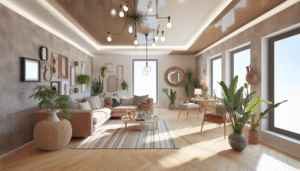

10 Must-Know Facts About Scandinavian Design Inspiration for a Clean and Calm Home Décor

Ever find yourself yearning for a home that feels both inviting and peaceful, yet crisp and uncluttered? Achieving a clean and calm home décor can often seem elusive, especially when trends push us toward busier, more ornate aesthetics. Fortunately, embracing Scandinavian design inspiration provides an elegant solution—rooted in simplicity, natural beauty, and balanced living. This design philosophy transforms chaotic spaces into serene sanctuaries where form follows function without sacrificing warmth or personality.
In this comprehensive article, we explore 10 essential facts about Scandinavian design inspiration that will help you create a home imbued with clarity and calm. You’ll discover how its foundational design principles, choice of materials, color psychology, and clever styling techniques come together to craft spaces that exude timeless sophistication. We’ll break down practical room-by-room applications, delve into sustainable options, and even equip you with a handy FAQ.
Whether you’re refreshing a single room or reimagining your entire home, this guide offers you creative, actionable ideas infused with expert insights to inspire a harmonious living environment. Let’s walk through these must-know facets and invite a breath of Nordic freshness into your interiors.
Design Philosophy & Inspiration
At its core, Scandinavian design inspiration stems from the Nordic countries—Denmark, Sweden, Norway, Finland, and Iceland—where long winters and limited sunlight influenced a design ethos that embraces light, simplicity, and natural elements. The overarching philosophy is “less is more,” focusing on uncluttered spaces that foster tranquility and purposeful living.
Historically, this design ethos emerged in the early 20th century as a reaction to ornate Victorian excesses, championing craftsmanship, accessibility, and democratic design. It aligns with movements like Minimalism and shares a natural synergy with Japandi, the fusion of Japanese and Scandinavian aesthetics emphasizing clean lines, muted palettes, and organic textures.
Design experts like Arne Jacobsen and Alvar Aalto pioneered this movement with pieces that are now iconic for marrying function with artful form. The emotional appeal of Scandinavian design lies in its ability to create spaces that feel warm yet uncluttered—inviting calm without austerity.
Room-by-Room Application
Living Room
- Layout: Opt for open, airy arrangements with modular furniture to maximize flow and light.
- Color: Stick to neutral backdrops like soft grays, pale beige, or crisp white to amplify natural light.
- Lighting: Layer natural and artificial lighting with floor lamps and pendant lights featuring matte finishes to reduce glare.
- Furniture: Choose streamlined silhouettes in natural wood tones, supplemented by plush textiles like wool or sheepskin throws.
Bedroom
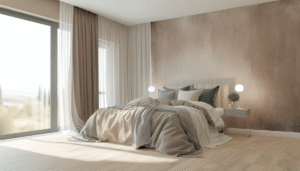
- Layout: Center the bed to create balance. Maintain clear circulation and avoid overcrowding.
- Colors: Use calming hues such as soft blues, dusty rose, or muted greens to invoke relaxation.
- Textiles: Invest in breathable natural fabrics like linen and cotton for bedding to enhance comfort and breathability.
- Lighting: Incorporate adjustable bedside lamps, and emphasize ambient light with dimmable fixtures.
Kitchen
- Colors: Keep cabinetry and countertops simple with white or pale woods.
- Materials: Use matte ceramics, natural stone, or butcher block countertops to add warmth without heaviness.
- Organization: Use open shelving to showcase curated dishware, avoiding cluttered counters to maintain clarity.
- Lighting: Combine under-cabinet task lighting with pendant lamps above islands or dining nooks.
Outdoor Spaces
- Design: Seamlessly extend indoor minimalism with simple wooden furniture and cozy textiles.
- Materials: Weather-resistant, sustainable woods and stone accentuate nature’s presence.
- Greens: Introduce greenery with potted plants or vertical gardens to soften the clean lines.
- Lighting: Use soft solar or LED lanterns to create a warm, inviting evening atmosphere.
Material & Color Psychology
One of the most compelling aspects of Scandinavian design inspiration is its thoughtful use of materials and color to influence mood and perception. Natural materials such as light-toned woods (like pine, ash, or birch), stone, wool, and linen add tactile warmth and stimulate feelings of comfort and organic balance.
Textures play a pivotal role. The contrast of smooth surfaces with soft textiles (felt cushions, faux sheepskin rugs) invites a gentle sensory experience essential for calm environments. Matte or satin finishes prevent harsh reflections, supporting visual ease.
Color palettes in Scandinavian design tend toward neutrals and soft pastels, which function as a canvas that encourages peace. Whites and pale grays reflect light, creating spacious and airy atmospheres, while muted blues and greens help reduce anxiety by invoking nature’s serenity. Warmer tones like beige and soft ochres add subtle coziness without overwhelming simplicity.
The psychology behind these choices is clear: they help foster a sense of order, calm, and a connection to nature, all crucial for mental well-being in the home setting.
Styling & Accessorizing Tips
Small accents and styling details can elevate the minimalist framework while preserving Scandinavian design’s hallmark simplicity. The key is restraint paired with intentionality—each piece tells a story or fulfills a purposeful role.
5 Décor Pieces That Transform a Room
- Handwoven Rugs: Choose neutral-toned rugs with subtle patterns to anchor seating areas and add softness.
- Ceramic Vases: Simple, sculptural vessels in muted colors bring understated elegance and tactile interest.
- Textured Throws & Pillows: Incorporate wool, mohair, or linen textiles to create layered warmth.
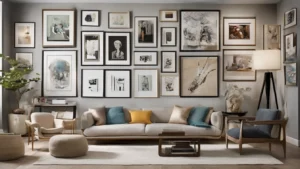
- Minimalist Wall Art: Opt for black-and-white photography or abstract prints in clean frames that complement the color palette.
- Wooden Bowls or Trays: These functional accessories introduce natural grains and organic shapes for visual variety.
Other tips include keeping clutter hidden with storage baskets made from sustainable materials, using fresh houseplants that complement room colors rather than overpower them, and maintaining a unified palette throughout your home to foster visual calm.
Sustainable & Budget-Friendly Options
Modern Scandinavian design inspiration embraces sustainability as much as aesthetics. Many eco-conscious choices align perfectly with the style’s inherent respect for natural materials and mindful living.
- Materials: Look for FSC-certified wood furniture, recycled glass décor, and organic textiles like cotton, flax, or hemp.
- Upcycling: Refurbish or repaint existing furniture in light hues rather than replacing it entirely.
- Lighting: Use energy-efficient LED bulbs with warm color temperatures to mimic natural light affordably.
- Neutral Shopping: Choose versatile, timeless pieces that can seamlessly move between rooms or adapt to evolving styles without needing replacements.
- Secondhand Finds: Vintage Scandinavian furniture and décor can offer authentic design with character at a reduced price.
By prioritizing quality over quantity, investing thoughtfully in multi-functional pieces, and including nature-inspired touches, you can recreate the clean and calm Scandinavian aesthetic without overspending or harming the planet.
Frequently Asked Questions
What color palette makes a room look bigger?
Soft neutrals and light hues like off-white, beige, and pale gray reflect light and create the illusion of space.
How can I make my home look more luxurious on a budget?
Use layered lighting, textured textiles, and strategic statement pieces to elevate your space affordably.
Which materials create a warm, cozy atmosphere?
Natural woods, soft linen, wool, and warm-toned accents bring depth and comfort to any room.
How do I choose the right lighting for a room?
Combine ambient, task, and accent lighting to balance functionality and atmosphere.
What are timeless interior design styles?
Scandinavian, mid-century modern, minimalism, and Japandi are versatile, elegant, and enduring.
Content Disclaimer
This content is for informational purposes only. Interior design choices depend on personal preference, budget, and space limitations. Always consult qualified professionals for structural or renovation advice.
Categories
- Accent Walls & Ceilings (84)
- Art Curation & Gallery (83)
- Bedding Style Trends (89)
- Bedroom Makeover (96)
- Bohemian & Eclectic Styles (80)
- DIY & Budget-Friendly Decor (78)
- Eco-Friendly Design (83)
- Furniture Care (87)
- Home Decor & Design Ideas (181)
- Home Wellness Spaces (103)
- Integrated Outdoor Living (91)
- Japandi Style (84)
- Kids and Nursery Decor (73)
- Living Room Decor (99)
- Mix & Match Techniques (95)
- Modern & Contemporary Design (88)
- Rug Sizing & Placement (89)
- Scandinavian Design Inspiration (51)
- Seasonal Home Decor (100)
- Small Space Solutions (93)
- Wall Art & Painting Tips (94)
Recent Comments
Archives
Product Gallery
-
 Majestic African Wildlife Canvas Art for Stylish Home Decor
Rated 5.00 out of 5
Majestic African Wildlife Canvas Art for Stylish Home Decor
Rated 5.00 out of 5 -
 Cozy Irregular Green Plush Rug for Nordic Living Spaces
Rated 5.00 out of 5$43.73 – $275.79Price range: $43.73 through $275.79
Cozy Irregular Green Plush Rug for Nordic Living Spaces
Rated 5.00 out of 5$43.73 – $275.79Price range: $43.73 through $275.79 -
 Scandinavian Geometric Area Rugs for Stylish Home Décor
Rated 5.00 out of 5$32.78 – $496.51Price range: $32.78 through $496.51
Scandinavian Geometric Area Rugs for Stylish Home Décor
Rated 5.00 out of 5$32.78 – $496.51Price range: $32.78 through $496.51