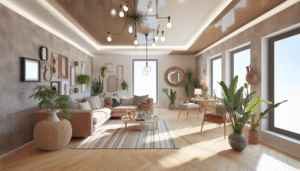

Scandinavian Minimalism: The Intersection of Form and Function

What is Scandinavian Minimalism?
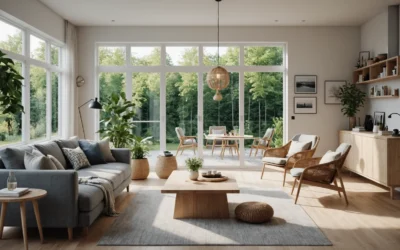
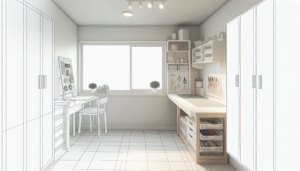
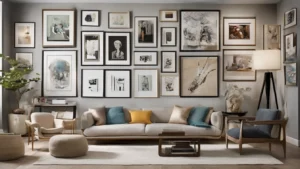
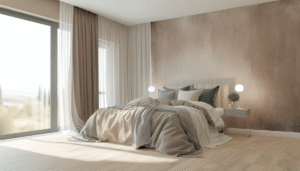
Scandinavian Minimalism isn’t just a design trend; it’s a way of life. Originating in the regions of Denmark, Sweden, and Norway, this aesthetic focuses on simplicity, utility, and beauty. Imagine walking into a space where every item has a purpose, yet exudes a sense of calm. It’s all about creating an environment that feels both serene and functional.
The Cultural Roots of Scandinavian Design
To truly grasp Scandinavian Minimalism, let’s dig a bit into its cultural background. It’s deeply intertwined with Nordic values such as hygge (pronounced ‘hoo-gah’), which emphasizes coziness and contentment. You know what? This mindset reflects in their design choices—clean lines, natural materials, and an overall approach that prioritizes human comfort.
Key Characteristics of Scandinavian Minimalism
Now, let’s break down what sets this style apart. Think of it as a perfect blend of form and function, where less really is more. Here are a few core characteristics:
- **Neutral Color Palettes:** Whites, grays, and earth tones create a soothing backdrop.
- **Natural Materials:** Wood, leather, and stone provide a warm, organic touch.
- **Functional Furniture:** Pieces that are both visually appealing and serve a clear purpose.
- **Light and Airy Spaces:** Maximized natural light to enhance openness and comfort.
Form Meets Function: The Essence of Design
At the heart of Scandinavian Minimalism lies the idea that good design shouldn’t just look good; it should also be practical. It’s about how a chair feels when you sit in it, not just how it looks in your living room. Can you remember the last time you sat in a chair that was just too uncomfortable to enjoy? In Scandinavian design, comfort is king.
Famous Designers and Brands
Some big names come to mind when talking about Scandinavian design. Think of the likes of Hans Wegner, known for his iconic Wishbone Chair, or brands like IKEA, which ingeniously combines affordability with minimalist principles. You might even have some IKEA furniture at home! It raises an interesting question—how has this democratization of design influenced our everyday lives?
How Scandinavian Minimalism Translates to Home Decor
When bringing this aesthetic into your own space, consider this: It’s not just about having fewer items; it’s about curating what you have. This means choosing pieces you truly love, rather than those that just fill space. Each item should bring joy or serve a purpose. Remember, it’s not clutter-free living, it’s intentional living.
Sustainability and Minimalism: A Match Made in Heaven
Speaking of intentional living, let’s talk about sustainability. Scandinavian countries are often leaders in eco-friendly practices. This design philosophy naturally aligns with sustainable choices, such as using local materials and prioritizing quality over quantity. It begs the question: can minimalism actually help save our planet?
Emotional Resonance in Minimalist Design
Here’s the thing: Scandinavian Minimalism isn’t just about cold, hard surfaces. Emotional resonance plays a significant role. Spaces designed with this philosophy can evoke calm, creativity, and connection. Why? Because every piece tells a story, whether it’s a handcrafted item or a family heirloom. Think of your home as a canvas, and each object as a stroke of intention.
Bringing Scandinavian Minimalism to Your Own Life
If you’re ready to embrace this aesthetic, where do you start? Here are some tips:
- **Declutter Your Space:** Start small; maybe just a single drawer;
- **Choose Quality Over Quantity:** Invest in well-crafted pieces that will last;
- **Integrate Nature:** Bring in plants or natural elements—think wood and stone;
- **Prioritize Light:** Use mirrors to amplify natural light and create an airy feel;
The Future of Scandinavian Minimalism
As we look ahead, Scandinavian Minimalism continues to evolve. With trends shifting towards sustainability and wellness, it’s fascinating to see how this design style will adapt. What new elements will become part of this rich tradition? Unfortunately, only time will tell, but one thing’s for sure—the essence will remain. It’s about celebrating simplicity while honoring function.
Conclusion: More Than Just a Design Aesthetic
Scandinavian Minimalism goes beyond mere looks; it’s a lifestyle choice, a commitment to meaningful living. This design approach encourages us to reflect on our values, our belongings, and the spaces we inhabit. In a world filled with noise and chaos, who wouldn’t want the serenity of a well-designed, minimalist sanctuary?
Frequently Asked Questions
DISCLAIMER
The information provided in this article is for informational purposes only and should not be considered as professional advice. Always consult a professional for specific design needs.
Categories
- Accent Walls & Ceilings (84)
- Art Curation & Gallery (83)
- Bedding Style Trends (89)
- Bedroom Makeover (96)
- Bohemian & Eclectic Styles (80)
- DIY & Budget-Friendly Decor (78)
- Eco-Friendly Design (83)
- Furniture Care (87)
- Home Decor & Design Ideas (181)
- Home Wellness Spaces (103)
- Integrated Outdoor Living (91)
- Japandi Style (84)
- Kids and Nursery Decor (73)
- Living Room Decor (99)
- Mix & Match Techniques (95)
- Modern & Contemporary Design (88)
- Rug Sizing & Placement (89)
- Scandinavian Design Inspiration (51)
- Seasonal Home Decor (100)
- Small Space Solutions (93)
- Wall Art & Painting Tips (94)
Recent Comments
Archives
Product Gallery
-
 Majestic African Wildlife Canvas Art for Stylish Home Decor
Rated 5.00 out of 5
Majestic African Wildlife Canvas Art for Stylish Home Decor
Rated 5.00 out of 5 -
 Cozy Irregular Green Plush Rug for Nordic Living Spaces
Rated 5.00 out of 5$43.73 – $275.79Price range: $43.73 through $275.79
Cozy Irregular Green Plush Rug for Nordic Living Spaces
Rated 5.00 out of 5$43.73 – $275.79Price range: $43.73 through $275.79 -
 Scandinavian Geometric Area Rugs for Stylish Home Décor
Rated 5.00 out of 5$32.78 – $496.51Price range: $32.78 through $496.51
Scandinavian Geometric Area Rugs for Stylish Home Décor
Rated 5.00 out of 5$32.78 – $496.51Price range: $32.78 through $496.51