
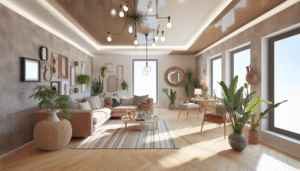


So, you’ve got an open plan living space, huh? Lucky you! All that space, all that potential. But let’s be real: decorating it can feel like trying to herd cats. One of the biggest challenges, and honestly, the easiest to mess up, is rug placement. But fear not, because this article is your secret weapon. We’re going to break down everything you need to know about how to choose and place rugs to define areas, add warmth, and transform your open plan layout from a cavernous expanse into a cozy, cohesive home.
Why Rugs Matter in Open Plan Spaces (More Than You Think!)
First, let’s talk about why rugs are so darn important. In an open plan, you don’t have walls naturally segmenting spaces. Rugs act as visual anchors, almost like virtual walls, defining zones for different activities – dining, lounging, maybe even a little home office nook. Plus, they add warmth (literally and figuratively!), texture, and a pop of style. It’s that finishing touch that pulls everything together.
The Golden Rule: Size Matters (A Lot!)
Okay, let’s get this straight. The biggest mistake people make is choosing a rug that’s too small. It makes your furniture look like it’s floating aimlessly in space. No bueno. Here’s the deal: your rug should generally anchor all the furniture in a seating area or define the perimeter of a dining set. Think big, people. Think B-I-G.
Living Room Rug Placement: Anchoring the Conversation
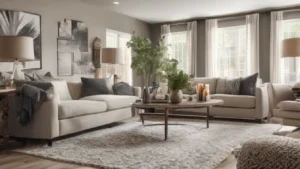
The living room is often the heart of an open plan, so let’s get this right. Generally, you have three main options for rug placement here:
- All Legs On: This is the most generous approach. The rug is large enough that all the legs of your sofa, chairs, and coffee table sit comfortably on top. It creates a unified and luxurious feel.
- Front Legs On: The front legs of your sofa and chairs are on the rug, while the back legs are off. This is a good compromise if you have a smaller rug or a larger seating arrangement. It still visually connects the furniture.
- Coffee Table Island: If you’re really tight on space (or budget), you can create a “floating island” effect, where only the coffee table sits on the rug. The other furniture pieces surround the rug but aren’t directly connected. While this can work, exercise caution – it can sometimes make the room look disjointed if not balanced well.
Seriously, take your time measuring your space and marking out rug sizes with painter’s tape before you even think about buying a rug. You’ll thank me later.
Dining Area Rugs: A Foundation for Feasts
Choosing a rug for your dining area is pretty straightforward, but still important. The rug needs to be large enough that when you pull out your chairs, they remain entirely on the rug. Imagine the awful scraping sound *and* the awkward visual if your chairs constantly snag on the rug’s edge. Let’s avoid that, shall we?
For a rectangular table, a rectangular rug is often the most intuitive choice. Round tables work well with round rugs, which can soften the angles in an open plan. Aim for at least 24-36 inches of rug extending beyond the table on all sides. Trust me, this makes a huge difference.
Entryway Rugs: Making a Grand Entrance (or at Least a Tidy One)
Even in an open plan, you often have a designated entryway, however small. A rug here is crucial for both aesthetics and practicality. It provides a welcoming visual cue and a place to wipe your feet before tracking dirt further into your home. Win-win!
The size and shape of your entryway rug will depend on the dimensions of the space. A runner works well in long, narrow entryways, while a square or rectangular rug might be better for a wider area. Make sure there’s enough clearance for the door to swing open freely and that the rug doesn’t become a tripping hazard.
Kitchen Rugs: Adding Comfort Underfoot
Okay, here’s a slightly controversial one. Kitchen rugs? Some people love them, some people hate them. If you’re on your feet a lot in the kitchen, a rug can provide much-needed cushioning and warmth. Plus, it can add a splash of color and personality in a typically utilitarian space.
But you have to be *really* smart about choosing the right rug. Durability and cleanability are paramount. Look for low-pile rugs made from materials like polypropylene or nylon that can withstand spills and stains. Consider using rug pads to prevent slipping, especially on hard floors. And be prepared to clean it often!
Material Matters: Choosing the Right Stuff
Speaking of materials, let’s get into the nitty-gritty. The material of your rug affects its look, feel, durability, and price. Here are a few popular options:
- Wool: A classic choice. Wool rugs are soft, durable, and naturally stain-resistant. They’re a bit pricier, but they’ll last for years with proper care. Great for high-traffic areas.
- Synthetic (Polypropylene, Nylon): Budget-friendly and incredibly durable. Synthetic rugs are easy to clean and resist fading, making them ideal for kitchens, entryways, and homes with kids or pets.
- Jute/Sisal: Natural and textured. Jute and sisal rugs add a rustic, earthy vibe to your space. They’re relatively durable, but they can be harder to clean and may not be as comfortable underfoot as wool or synthetic options. I’d avoid these near spills.
- Cotton: Soft and affordable. Cotton rugs are a good option for low-traffic areas, like bedrooms or reading nooks. They’re easy to clean, but they tend to wear down more quickly than other materials.
- Silk: Luxurious and delicate. Silk rugs are incredibly soft and have a beautiful sheen. However, they’re also very expensive and require professional cleaning, making them best suited for low-traffic, formal spaces.
Honestly, it’s all about balancing your budget, lifestyle, and aesthetic preferences here. Don’t be afraid to mix and match different materials in different zones of your open plan.
Colors and Patterns: Setting the Mood
Okay, time for the fun part! Color and pattern play a huge role in how your rug affects the overall vibe of your open plan. Do you want to create a calm, serene atmosphere? Go for neutral colors and subtle patterns. Looking for something bolder and more energetic? Opt for bright colors and geometric designs.
Remember, your rug should complement the existing color palette of your furniture and décor. If you have a lot of neutral furniture, a patterned rug can be a great way to add visual interest. Conversely, if your furniture is already colorful, a neutral rug can help ground the space.
Think about the overall mood you’re trying to create. A bright, sunny yellow rug can bring cheerfulness to your kitchen, while a deep, moody blue rug can create a cozy atmosphere in your living room.
Layering Rugs: Adding Depth and Dimension
Want to take your rug game to the next level? Try layering rugs! This is a fantastic way to add depth, texture, and visual interest to your open plan. Start with a larger, neutral rug as your base and then layer a smaller, more decorative rug on top.
For example, you could layer a smaller patterned Kilim rug over a larger jute rug in your living room. Or, try layering a faux fur rug over a wool rug in your bedroom for added warmth and coziness. The possibilities are endless!
Just make sure the rugs complement each other in terms of color, pattern, and texture. And be mindful of the pile height – you don’t want one rug to be so much thicker than the other that it creates a tripping hazard.
Defining Zones: Rugs as Visual Dividers
As we’ve touched on, rugs are fantastic for defining different zones within an open plan. They act as visual dividers, creating a sense of separation and organization without actually blocking off the space.
Use different rugs to delineate different areas. For example, you could use a large rectangular rug to define your living room seating area, a round rug to anchor your dining table, and a runner to welcome guests in your entryway. Different shapes and colors make a difference.
The key is to create a cohesive flow between the different zones. Choose rugs that complement each other in terms of style and color palette, even if they’re not exactly the same. Think of it like creating a visual symphony – each rug is a different instrument, but they all play together harmoniously.
Don’t Forget the Rug Pad! (Seriously, Don’t)
Okay, this might seem like a minor detail, but trust me, it’s not. A rug pad is essential for several reasons:
- Safety: It prevents your rug from slipping and sliding, reducing the risk of falls.
- Protection: It protects your floors from scratches and dents caused by the rug.
- Comfort: It adds extra cushioning and comfort underfoot.
- Longevity: It helps extend the lifespan of your rug by preventing wear and tear.
Choose a rug pad that’s specifically designed for the type of flooring you have. There are different types of rug pads for hardwood, tile, carpet, and so on. And make sure the rug pad is slightly smaller than the rug itself, so it doesn’t peek out around the edges.
Budget-Friendly Rug Solutions (Because We All Have One)
Let’s face it, rugs can be expensive. But you don’t have to break the bank to get the look you want. Here are a few tips for finding budget-friendly rug solutions:
- Shop Sales and Clearance Sections: Keep an eye out for sales and clearance events at your favorite home décor stores. You can often find amazing deals on rugs this way.
- Consider Synthetic Rugs: As mentioned earlier, synthetic rugs are a great budget-friendly alternative to wool. They’re durable, easy to clean, and come in a wide variety of styles.
- Check Online Marketplaces: Online marketplaces like Amazon and Wayfair often have a huge selection of rugs at competitive prices.
- DIY Rugs: Get creative and make your own rug! You can repurpose old blankets, fabric scraps, or even t-shirts to create a unique and personalized rug. I knew a friend who did this and, honestly, it looked amazing.
- Layer Smaller Rugs: Instead of buying one large, expensive rug, consider layering several smaller, more affordable rugs to achieve a similar effect.
You know what? A well-placed, affordable rug can still make a huge impact. It’s all about being smart and resourceful.
Mistakes to Avoid: Rug Placement Fails
Before we wrap up, let’s quickly run through some common rug placement mistakes to avoid:
- Too Small: We’ve already hammered this one home, but it’s worth repeating. A rug that’s too small will make your furniture look like it’s floating in space.
- Wrong Shape: Choose the right shape rug for the space. A round rug under a rectangular table? Probably not the best look.
- Clashing Colors and Patterns: Make sure your rug complements the existing color palette and décor of your room. Avoid clashing colors and patterns that will make the space look chaotic.
- Ignoring Traffic Patterns: Consider the traffic patterns in your open plan. Avoid placing rugs in areas where people are constantly walking, as they’ll wear down more quickly.
- Neglecting Rug Pads: Don’t skimp on the rug pad! It’s an essential accessory that will protect your floors, prevent slipping, and extend the lifespan of your rug.
Honestly, a little planning can go a long way in avoiding these common pitfalls.
Maintaining Your Rug: Keeping it Fresh
Once you’ve found the perfect rugs and placed them strategically, it’s time to think about maintenance. Regular cleaning is essential for keeping your rugs looking their best and extending their lifespan.
Here are a few tips for maintaining your rugs:
* Vacuum regularly: Vacuum your rugs at least once a week to remove dirt, dust, and debris. Use a vacuum cleaner with a beater bar for optimal cleaning.
* Spot clean spills immediately: Blot up spills as soon as they happen with a clean, absorbent cloth. Avoid rubbing, as this can spread the stain.
* Professional cleaning: Have your rugs professionally cleaned every 12-18 months to remove deep-seated dirt and stains.
* Rotate your rugs: Rotate your rugs every few months to distribute wear evenly and prevent fading.
* Use rug protectors: Place rug protectors under furniture legs to prevent dents and scratches.
With proper maintenance, your rugs will continue to look beautiful and add warmth and style to your open plan living space for years to come.
Final Thoughts: Rugs as a Unifying Element
Ultimately, choosing and placing rugs in an open plan living space is about creating a sense of cohesion and harmony. Rugs can tie together different areas, define zones for various activities, and add warmth, texture, and personality to your home.
So, take your time, do your research, and don’t be afraid to experiment. With a little planning and creativity, you can transform your open plan from a sprawling, undefined space into a cozy, inviting home that reflects your unique style and personality. Happy rug hunting!
For further reading, check out these resources: Architectural Digest and House Beautiful.
FAQ Section
What size rug should I get for my living room?
Generally, the rug should be large enough to anchor all the furniture in your seating area, with all the legs of your sofa and chairs on the rug. If that’s not possible, opt for a rug that allows at least the front legs of your furniture to rest on it.
How do I choose a rug for under my dining table?
The rug should be large enough that when you pull out your chairs, they remain entirely on the rug. Aim for at least 24-36 inches of rug extending beyond the table on all sides.
What material is best for a high-traffic area rug?
Wool and synthetic materials like polypropylene or nylon are excellent choices for high-traffic areas. They’re durable, stain-resistant, and easy to clean.
Can I layer rugs in an open plan space?
Absolutely! Layering rugs is a great way to add depth and visual interest. Start with a larger, neutral rug as your base and then layer a smaller, more decorative rug on top.
Do I really need a rug pad?
Yes, a rug pad is essential! It prevents slipping, protects your floors, adds comfort, and extends the life of your rug.
How often should I clean my rugs?
Vacuum your rugs at least once a week, spot clean spills immediately, and have your rugs professionally cleaned every 12-18 months.
DISCLAIMER
Please note that this article provides general advice on rug placement in open plan living spaces. Specific recommendations may vary based on your individual preferences, room dimensions, and existing décor. Always measure your space carefully and consider your lifestyle needs when selecting rugs.
Categories
- Accent Walls & Ceilings (84)
- Art Curation & Gallery (83)
- Bedding Style Trends (89)
- Bedroom Makeover (96)
- Bohemian & Eclectic Styles (80)
- DIY & Budget-Friendly Decor (78)
- Eco-Friendly Design (83)
- Furniture Care (87)
- Home Decor & Design Ideas (181)
- Home Wellness Spaces (103)
- Integrated Outdoor Living (91)
- Japandi Style (84)
- Kids and Nursery Decor (73)
- Living Room Decor (99)
- Mix & Match Techniques (95)
- Modern & Contemporary Design (88)
- Rug Sizing & Placement (89)
- Scandinavian Design Inspiration (51)
- Seasonal Home Decor (100)
- Small Space Solutions (93)
- Wall Art & Painting Tips (94)
Recent Comments
Archives
Product Gallery
-
 Majestic African Wildlife Canvas Art for Stylish Home Decor
Rated 5.00 out of 5
Majestic African Wildlife Canvas Art for Stylish Home Decor
Rated 5.00 out of 5 -
 Cozy Irregular Green Plush Rug for Nordic Living Spaces
Rated 5.00 out of 5$51.39 – $324.12Price range: $51.39 through $324.12
Cozy Irregular Green Plush Rug for Nordic Living Spaces
Rated 5.00 out of 5$51.39 – $324.12Price range: $51.39 through $324.12 -
 Scandinavian Geometric Area Rugs for Stylish Home Décor
Rated 5.00 out of 5$36.91 – $559.19Price range: $36.91 through $559.19
Scandinavian Geometric Area Rugs for Stylish Home Décor
Rated 5.00 out of 5$36.91 – $559.19Price range: $36.91 through $559.19