
Unlock Your Inner Curator: Building a Home Art Salon That Wows

Ever walked into a friend’s place and just felt…something? Maybe it was the way the sunlight hit a certain painting, or the unexpected juxtaposition of a vintage sculpture with a modern sofa. That’s the power of a well-curated space, and guess what? You can create that same magic in your own home. We’re not talking about turning your living room into a stuffy museum. We’re talking about crafting a personal art salon – a reflection of your unique taste, experiences, and passions.
Why Create a Home Art Salon?
Why not, right? Seriously though, there’s more to it than just showing off some pretty pictures. A home art salon is a conversation starter, a mood setter, and a daily dose of inspiration. It transforms your space from a mere dwelling into a vibrant, living gallery that tells your story. Think of it as visual storytelling, but instead of words, you’re using art.
You know what? I’ve always believed that the art we choose to live with says so much about who we are. It’s not just decoration; it’s a declaration. Plus, having an art salon is a fantastic way to support artists and contribute to the creative ecosystem. It’s like voting with your walls!
Defining Your Aesthetic: What Moves You?
Okay, first things first: what kind of art makes your heart sing? Are you drawn to bold abstracts, serene landscapes, quirky portraits, or maybe a mix of everything? This isn’t about what’s “in” or what’s “valuable” in the traditional sense. It’s about what resonates with you on a personal level.
Consider these questions:
- What colors do you gravitate towards?
- What emotions do you want to evoke in your space?
- What themes or subjects pique your interest?
- Are there certain artists or movements you admire?
Honestly, sometimes the best way to figure this out is to just start looking. Browse through online galleries, visit local art fairs, flip through art books – and pay attention to what catches your eye. Don’t be afraid to trust your gut; if something speaks to you, there’s a reason.
Sourcing Your Art: Where to Find Treasures
Now for the fun part: hunting for art! You don’t need a trust fund to build a compelling collection. There are tons of ways to find affordable and unique pieces.
Here are some of my favorite spots:
- Local Art Fairs and Markets: These are goldmines for discovering emerging artists and snagging original pieces at reasonable prices. Plus, you get to meet the artists themselves – which is always a cool experience. You can find artists who align with your vision; it’s like dating for art!
- Online Galleries: Sites like Saatchi Art and Artsy offer a vast selection of art from around the world, catering to all tastes and budgets. Just make sure to do your due diligence and check the artist’s credentials and the gallery’s reputation.
- Thrift Stores and Estate Sales: Don’t underestimate the power of a good thrift store run! You can often find hidden gems – old prints, vintage photographs, even original paintings – for next to nothing. It’s a bit of a gamble, but that’s part of the thrill. There’s something incredibly satisfying about rescuing a forgotten artwork.
- Student Art Shows: Supporting up-and-coming artists is a fantastic way to build your collection while also giving someone a boost. Check out student shows at local universities and art schools – you might just discover the next big thing! And you can often get a real bargain.
- Create Your Own: Don’t forget, art doesn’t have to be something you buy! Frame your kids’ drawings, display travel souvenirs, or even create your own artwork. Personal touches can make your salon even more meaningful. Honestly, some of the most captivating spaces I’ve seen are the ones that incorporate personal creations.
Let me explain. Sourcing art is like curating a playlist – you want a mix of familiar favorites and exciting discoveries.
Planning Your Layout: Creating Visual Harmony
Alright, you’ve got your art – now what? This is where the “salon” part really comes into play. The way you arrange your art can make or break the entire look. The goal is to create a visually appealing and cohesive display that tells a story and reflects your personal style. Think of it as choreographing a dance for your walls.
Consider these factors:
- Scale and Proportion: Make sure the size of the artwork is appropriate for the wall space. A tiny print can get lost on a large wall, while a massive painting can overwhelm a small room.
- Color Palette: Coordinate the colors of the artwork with the colors of the room. You don’t necessarily have to match everything perfectly, but you should aim for a sense of harmony. You know, choose similar colors to create flow.
- Balance and Symmetry: You can create a formal look by arranging artwork symmetrically, or a more casual look by arranging it asymmetrically. Either way, aim for visual balance. Symmetry is predictable, asymmetry is more dynamic.
- Eye Level: Hang artwork at eye level – typically around 57-60 inches from the floor. This ensures that everyone can easily view and appreciate the pieces. It’s surprising how often this gets overlooked.
- Spacing: Leave enough space between each piece of artwork to allow it to breathe. A good rule of thumb is to leave about 2-5 inches between frames. But don’t be afraid to experiment with wider or narrower spacing to see what works best for your space.
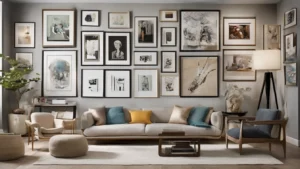
A popular technique is the “salon hang,” where you group multiple artworks of different sizes and styles together on a single wall. This creates a sense of abundance and visual richness, reminiscent of the original Parisian salons. To make it work, start with the largest piece and build around it, gradually adding smaller pieces and playing with different arrangements until you achieve a balanced and visually pleasing composition.
Hanging Techniques: Nailing the Execution
Okay, so you’ve planned your layout – time to put those plans into action! Hanging art can be a little nerve-wracking, but with the right tools and techniques, it’s totally doable.
Here are some tips to keep in mind:
- Use the Right Hardware: Don’t skimp on the hardware! Use picture hooks or nails that are appropriate for the weight of the artwork and the type of wall you have. For heavier pieces, you might need to use anchors or screws. Family Handyman offers great advice on this!
- Measure Carefully: Use a measuring tape, level, and pencil to mark the exact spot where you want to hang each piece. Double-check your measurements before you start hammering! I can’t tell you how many times I’ve had to re-hang something because I was off by a fraction of an inch.
- Protect Your Walls: Use painter’s tape to protect your walls from damage. You can also place small felt pads on the back of the frames to prevent them from scratching the walls.
- Consider Alternatives to Nails: If you’re renting or just don’t want to put holes in your walls, there are several nail-free alternatives available, such as Command Strips and picture-hanging hooks. These are great for lightweight pieces.
Let me explain something important. Don’t be afraid to enlist a friend’s help! Hanging art is always easier (and more fun) with a buddy. Plus, two sets of eyes are better than one when it comes to ensuring everything is level and aligned.
Lighting Considerations: Showcasing Your Collection
Proper lighting can make a world of difference when it comes to showcasing your art collection. The right light can bring out the colors, textures, and details of each piece, creating a more immersive and engaging viewing experience. Think of lighting as the spotlight operator for your art drama.
Here are some lighting options to consider:
- Natural Light: Whenever possible, take advantage of natural light. Position your artwork near windows or skylights to maximize the amount of natural light it receives. But be careful about direct sunlight, as it can fade or damage certain types of art over time.
- Track Lighting: Track lighting is a versatile option that allows you to direct light onto specific pieces of artwork. You can adjust the angle and intensity of each light to create the desired effect.
- Picture Lights: Picture lights are specifically designed to illuminate artwork. They typically mount above the frame and shine a focused beam of light onto the piece.
- Accent Lighting: Use accent lighting, such as spotlights or sconces, to highlight certain areas of your art salon and create visual interest.
Consider these points too. Experiment with different types of lighting to see what works best for your space and your art collection. And don’t be afraid to get creative! You can even use colored light bulbs to create different moods and effects.
Rotating Your Collection: Keeping Things Fresh
One of the best things about having a home art salon is that you can constantly change it up! Rotating your art collection is a great way to keep things fresh and prevent your space from feeling stale. Think of rotating art as changing the channels on your visual TV.
Here are some ideas for rotating your collection:
- Seasonal Rotations: Change your artwork with the seasons. In the winter, you might display cozy landscapes or warm-toned abstracts. In the summer, you might showcase bright, vibrant pieces.
- Themed Rotations: Choose a theme and curate your art collection around it. For example, you could have a “nature” theme, a “portrait” theme, or an “abstract” theme.
- Guest Curator: Invite a friend or family member to curate your art collection for a month. This is a fun way to get a fresh perspective and discover new artists.
- New Acquisitions: Whenever you acquire a new piece of art, consider rearranging your existing collection to make room for it. This forces you to re-evaluate your space and create new visual connections.
You know what? Don’t be afraid to move things around! The great thing about a home art salon is that it’s your own personal playground. Experiment with different arrangements and see what you discover!
Adding Personal Touches: Making It Yours
Ultimately, the most important thing is to create a home art salon that reflects your unique personality and style. Don’t be afraid to add personal touches that make your space feel like home.
Here are some ideas:
- Mix High and Low: Combine expensive pieces with affordable finds. This creates a more eclectic and interesting look.
- Incorporate Found Objects: Display interesting objects you’ve collected over the years, such as shells, rocks, or vintage cameras. These add texture and personality to your space.
- Add Greenery: Plants can bring life and vibrancy to any room. Place a few potted plants around your art salon to create a more inviting and relaxing atmosphere.
- Personalize Your Frames: Don’t be afraid to get creative with your frames. Paint them, decorate them, or even build your own.
And let me add this! Don’t be afraid to break the rules! The best art salons are the ones that don’t take themselves too seriously. Have fun with it, and let your personality shine through.
Frequently Asked Questions (FAQs)
Focus on affordable sources like local art fairs, thrift stores, and online marketplaces. Consider prints or reproductions initially, and gradually invest in original pieces as your budget allows. Student art shows are also excellent for finding emerging talents at lower prices.
Use vertical space to your advantage by creating a gallery wall. Choose smaller pieces to avoid overwhelming the area. Mirrors can also help create the illusion of more space and light, enhancing the art display.
Avoid direct sunlight, which can cause fading over time. Use UV-filtering glass or acrylic for framed pieces. LED lighting is a good option as it emits less heat and UV radiation compared to traditional light sources.
Absolutely! Mixing styles can create a dynamic and personalized art salon. Just ensure there is some unifying element, such as a color scheme or theme, to maintain a sense of cohesion.
There’s no set rule, but rotating your collection every few months or seasonally can keep your space feeling fresh. This also allows you to showcase different pieces and rediscover artwork you may have forgotten about.
Yes, but be mindful of moisture and temperature fluctuations which can damage art. Opt for prints or pieces that are less susceptible to humidity. Ensure they are properly framed and protected.
Command Strips and adhesive hooks are great for lightweight pieces. For heavier items, consider using picture-hanging systems that distribute weight more evenly and minimize wall damage.
DISCLAIMER
Please note that this article provides general advice on creating a home art salon and should not be considered professional art curation or conservation advice. Always consult with professionals for specific needs related to artwork handling, installation, and preservation. The author and publisher are not responsible for any damages or losses resulting from the implementation of the ideas presented in this article.
Categories
- Accent Walls & Ceilings (84)
- Art Curation & Gallery (83)
- Bedding Style Trends (89)
- Bedroom Makeover (96)
- Bohemian & Eclectic Styles (80)
- DIY & Budget-Friendly Decor (78)
- Eco-Friendly Design (83)
- Furniture Care (87)
- Home Decor & Design Ideas (181)
- Home Wellness Spaces (103)
- Integrated Outdoor Living (91)
- Japandi Style (84)
- Kids and Nursery Decor (73)
- Living Room Decor (99)
- Mix & Match Techniques (95)
- Modern & Contemporary Design (88)
- Rug Sizing & Placement (89)
- Scandinavian Design Inspiration (51)
- Seasonal Home Decor (100)
- Small Space Solutions (93)
- Wall Art & Painting Tips (94)
Recent Comments
Archives
Product Gallery
-
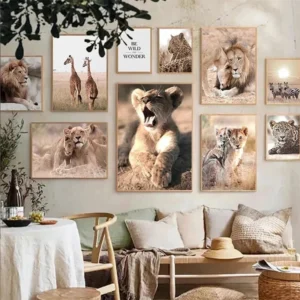 Majestic African Wildlife Canvas Art for Stylish Home Decor
Rated 5.00 out of 5
Majestic African Wildlife Canvas Art for Stylish Home Decor
Rated 5.00 out of 5 -
 Cozy Irregular Green Plush Rug for Nordic Living Spaces
Rated 5.00 out of 5$33.00 – $203.00Price range: $33.00 through $203.00
Cozy Irregular Green Plush Rug for Nordic Living Spaces
Rated 5.00 out of 5$33.00 – $203.00Price range: $33.00 through $203.00 -
 Scandinavian Geometric Area Rugs for Stylish Home Décor
Rated 5.00 out of 5$25.00 – $365.00Price range: $25.00 through $365.00
Scandinavian Geometric Area Rugs for Stylish Home Décor
Rated 5.00 out of 5$25.00 – $365.00Price range: $25.00 through $365.00