




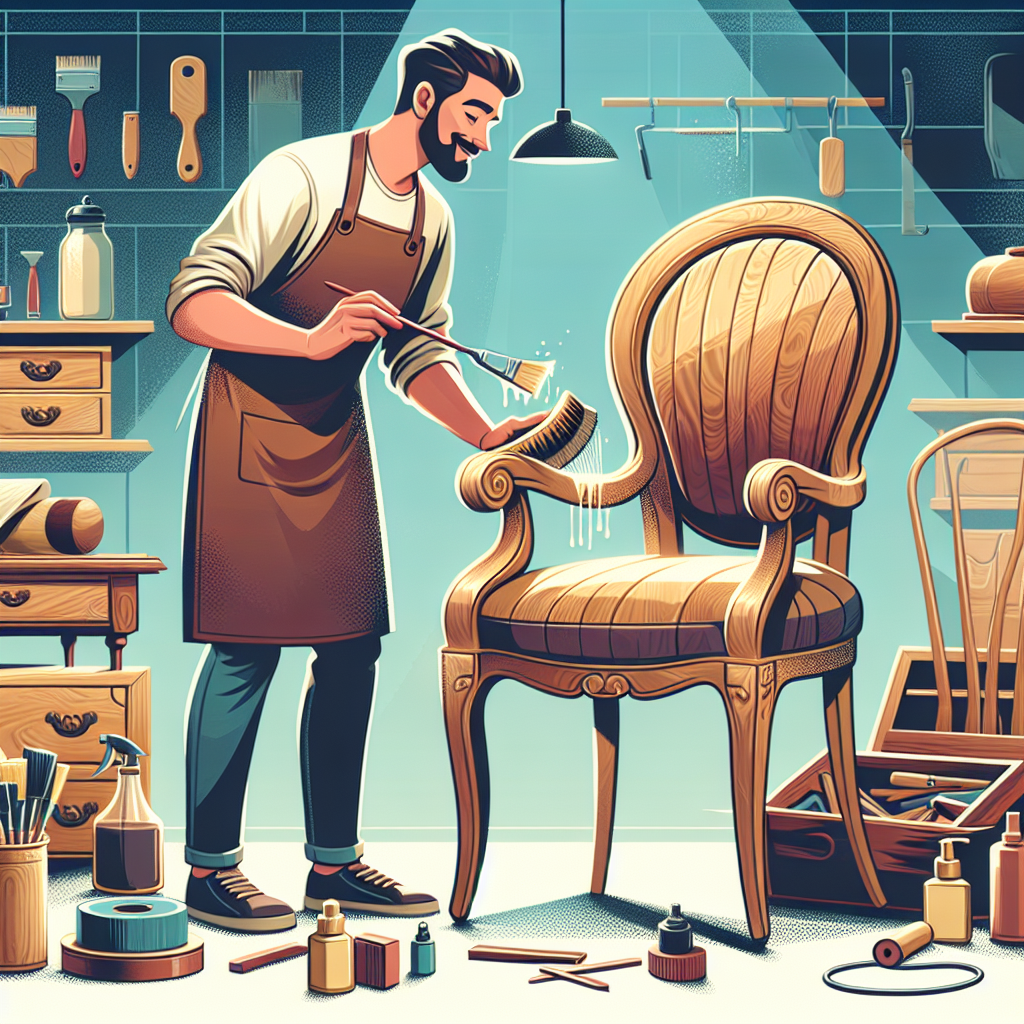

There’s something truly special about vintage wood furniture, isn’t there? A history etched into every grain, a warmth that mass-produced pieces just can’t replicate. But let’s be honest, finding that perfect vintage piece is only half the battle. Restoring it without emptying your wallet? That’s where the real magic happens. So, if you’re itching to breathe new life into an old gem, stick around. We’re about to get our hands dirty – metaphorically, at least, for now – and explore some budget-friendly ways to bring that vintage furniture back to its former glory.
Why Restore Vintage Furniture? (Beyond Just Saving Money)
Okay, saving money is a huge plus, obviously. But restoring vintage furniture is about so much more than just being thrifty. Think about the environmental impact. We’re talking about rescuing perfectly good furniture from ending up in a landfill, which is a win for everyone. Plus, you get a one-of-a-kind piece that tells a story. Forget cookie-cutter furniture; this is about owning something with character.
And here’s a thought: You’re preserving a piece of history! Each scratch, each stain, each imperfection whispers tales of the past. As you work on it, you’re becoming part of that story. And, honestly, how cool is that?
Also, did you know that the joy of doing something yourself can be pretty therapeutic? It’s a chance to slow down, focus, and create something beautiful with your own two hands. No instant gratification here; just the satisfaction of a job well done.
Now, restoring vintage furniture is a great alternative for interior designers who wish to add character without damaging the environment. So many options!
Assessing Your Furniture: Is It Worth Saving?
Alright, before you grab your sandpaper and start going wild, let’s take a good, hard look at your furniture. Not all vintage pieces are created equal, you know?
First, check for structural integrity. Are the joints solid? Are there any major cracks or warps? A wobbly chair might be charming, but it’s not exactly practical, is it? Minor repairs are usually doable, but if the piece is falling apart at the seams, it might be more trouble than it’s worth.
Next, assess the veneer. This thin layer of wood can be a real pain to deal with if it’s chipped or peeling. Small veneer issues can be patched, but extensive damage might require professional help – which can get pricey.
Finally, think about the cost of materials. Even budget-friendly projects add up. Is the potential result worth the investment of your time and money? Sometimes, you have to be brutally honest and admit that a piece is better off as a quirky planter in the garden. Don’t be afraid to let go.
Essential Tools and Supplies (That Won’t Break the Bank)
Okay, so you’ve decided your vintage find is worth saving. Awesome! Now, let’s gather the gear. You don’t need a fancy workshop to do this, but a few essential tools will make the process much smoother. The goal is to find high quality materials without paying a premium.
* Safety first: Dust mask, safety glasses and gloves. Trust me, you don’t want to breathe in sanding dust or get varnish on your bare hands.
* Cleaning supplies: Mild soap (like dish soap), water, soft cloths, and maybe some mineral spirits for tougher grime. No need for expensive cleaners here!
* Sandpaper: A variety of grits, from coarse to fine, is your best friend. It’s cheaper to buy a multi-pack than individual sheets.
* Sanding block: Makes sanding much easier and more even. You can even wrap sandpaper around a piece of wood or sponge if you’re feeling extra thrifty.
* Wood filler: For those inevitable dings and dents. You can find budget-friendly options at most hardware stores.
* Paintbrushes/Rags: For applying stain, varnish, or paint. Old t-shirts make great rags!
* Stain/Varnish/Paint: Depending on your desired finish. Look for smaller cans or sample sizes to save money.
See? Nothing too scary or expensive. You probably have some of these items lying around already. If not, a quick trip to the hardware store and you’re good to go! Honestly, buying the right tools can be a game-changer, even if you’re on a budget.
Cleaning Like a Pro (Without the Pro Price Tag)
Before you even think about sanding or staining, you’ve got to get that furniture clean. Years of dust, grime, and who-knows-what-else can hide the true beauty of the wood. So, roll up your sleeves and let’s get scrubbing.
Start with a dry dusting using a soft cloth or brush to remove any loose debris. Then, mix a small amount of mild soap (dish soap works great) with warm water. Dip a clean cloth into the soapy water, wring it out well (you want it damp, not soaking wet), and gently wipe down the entire piece of furniture.
For stubborn grime, mineral spirits can be your friend. Just be sure to use them in a well-ventilated area and wear gloves. Always test mineral spirits in an inconspicuous spot first to make sure they don’t damage the finish.
Once you’ve cleaned the furniture, allow it to dry completely before moving on to the next step. Patience is key here, folks.
Also, you know what? This is a good time to inspect the piece again for any hidden damage that might have been obscured by the dirt and grime. You’ll be surprised how much a good cleaning can reveal!
Sanding Smart: A Step-by-Step Guide
Alright, now for the fun part: sanding! This is where you really start to see the transformation. But, go too crazy with the sandpaper, and you could end up damaging the wood. So, let’s take it slow and steady.
Start with a coarser grit sandpaper (around 80-100 grit) to remove any old finish, scratches, or imperfections. Sand in the direction of the wood grain to avoid creating new scratches. Apply gentle pressure and let the sandpaper do the work.
Once you’ve removed the old finish, switch to a medium grit sandpaper (around 120-150 grit) to smooth out the surface. Again, sand in the direction of the wood grain.
Finally, finish with a fine grit sandpaper (around 220 grit) to create a super smooth surface for staining or painting. Sanding with the right grit is really important, so don’t skip this step!
Remember to frequently wipe away the sanding dust with a tack cloth or damp cloth. This will help you see your progress and prevent the sandpaper from getting clogged.
Oh, and one more thing: Don’t be afraid to experiment with different sanding techniques. Sometimes, a little elbow grease is all you need, but other times, a power sander can save you a lot of time and effort. Use caution, okay?
Repairing Minor Damage: Wood Filler to the Rescue
Dings, dents, and scratches – they’re all part of a vintage piece’s story, but sometimes you just want to smooth things out a bit. That’s where wood filler comes in handy.
First, clean the damaged area and remove any loose pieces of wood. Then, apply a small amount of wood filler to the damaged area, using a putty knife or your finger. Overfill the area slightly, as the filler will shrink as it dries.
Once the filler is completely dry, sand it smooth with fine-grit sandpaper. Be careful not to sand away the surrounding wood.
You may need to apply multiple coats of filler to completely fill the damaged area. Just be sure to let each coat dry completely before sanding. It’s important to take it slow!
Before you paint or stain, test the filled area with a small amount of finish to make sure it blends in with the surrounding wood. If it doesn’t, you may need to adjust the color of the filler or apply a wood stain to the filled area.
Staining Secrets: Achieving That Perfect Hue
Staining is where you can really customize your vintage furniture and bring out the natural beauty of the wood. But with so many different stain colors and types to choose from, it can be a little overwhelming.
First, choose a stain color that complements your existing decor and the style of your furniture. Consider the undertones of the wood and how the stain will interact with them. You can find water-based, gel, or oil based stains. Gel is usually easier to work with.
Before you stain the entire piece of furniture, test the stain on an inconspicuous area to make sure you like the color. Apply the stain with a brush or rag, following the direction of the wood grain.
Let the stain sit for the amount of time recommended by the manufacturer. The longer you leave the stain on, the darker the color will be. Then, wipe off any excess stain with a clean rag.
Allow the stain to dry completely before applying a topcoat of varnish or polyurethane. This will protect the stain and give the furniture a beautiful, durable finish.
Also, you know what? Don’t be afraid to mix and match stain colors to create a custom hue. Just be sure to test your mixture before applying it to the entire piece of furniture.
Finishing Touches: Varnish, Polyurethane, and Wax (Oh My!)
Once you’ve stained or painted your furniture, it’s time to protect it with a topcoat. This will not only enhance the beauty of the finish, but it will also protect it from scratches, stains, and moisture.
Varnish, polyurethane, and wax are all popular options, but they each have their own pros and cons.
Varnish is a durable, water-resistant finish that’s ideal for furniture that will be used frequently. It can be applied with a brush or spray gun and comes in a variety of sheens, from matte to glossy. This is going to protect your piece from scratches, so don’t skip this step.
Polyurethane is another durable, water-resistant finish that’s similar to varnish. It’s often easier to apply than varnish and dries more quickly.
Wax is a more traditional finish that gives furniture a soft, lustrous sheen. It’s not as durable as varnish or polyurethane, but it’s easy to apply and can be buffed to a high shine. Paste wax is often the best to use here. Try to avoid furniture polish.
No matter which finish you choose, be sure to apply it in thin, even coats and allow it to dry completely between coats. Sand lightly between coats with fine-grit sandpaper to create a smooth, even surface.
Hardware Harmony: Knobs, Pulls, and Hinges
Don’t underestimate the power of hardware! New knobs, pulls, and hinges can completely transform the look of your vintage furniture.
There are tons of options out there, from vintage-inspired designs to sleek, modern styles. You can find affordable hardware at most hardware stores or online retailers.
If you’re replacing existing hardware, be sure to measure the spacing between the screw holes to ensure that the new hardware will fit. If the screw holes are stripped, you can fill them with wood filler and drill new holes.
For a more budget-friendly option, consider cleaning and polishing the existing hardware. A little bit of elbow grease can go a long way!
If you still want to replace the hardware, check secondhand stores. There’s quite a bit of vintage hardware out there. I know it can sound like a hassle to visit different stores, but it is very rewarding!
Upholstery Update: A Fresh Fabric Facelift
If your vintage furniture has upholstered elements, like a seat cushion or backrest, consider giving it a fabric facelift. This can be a relatively inexpensive way to update the look of the piece.
You can find affordable upholstery fabric at most fabric stores or online retailers. Choose a fabric that complements the style of your furniture and your existing decor.
If you’re not comfortable reupholstering the furniture yourself, you can hire a professional upholsterer. Just be sure to get quotes from several different upholsterers before making a decision.
Also, you know what? Don’t be afraid to get creative with your upholstery. Try mixing and matching different fabrics or adding decorative trim.
Creative Repurposing: Thinking Outside the Box
Sometimes, the best way to restore vintage furniture is to repurpose it into something completely different. An old dresser could become a kitchen island. An old door could become a headboard. The possibilities are endless!
Think about the existing features of the furniture and how you could use them in a new and creative way. A dresser might make a great TV stand.
But let’s not focus on furniture, since this is a piece on furniture repurposing. How about repurposing jars into dispensers? Old t-shirts into cleaning rags? There are so many alternatives to consider.
Maintaining Your Masterpiece: Keeping That Vintage Charm Alive
You’ve put in the hard work, now it’s time to keep your vintage furniture looking its best. Regular cleaning and maintenance will help preserve its beauty and extend its lifespan.
Dust your furniture regularly with a soft cloth or brush. Avoid using harsh chemicals or abrasive cleaners, as these can damage the finish.
Protect your furniture from direct sunlight and extreme temperatures, as these can cause the finish to fade or crack.
Use coasters and placemats to protect the surface of your furniture from spills and stains.
Also, you know what? Don’t be afraid to embrace the imperfections. They’re what give vintage furniture its unique character and charm.
Where to Find Budget-Friendly Vintage Furniture
Of course, you need to find the furniture first! Here are some great places to scout for vintage treasures without spending a fortune:
* Thrift Stores: Places like Goodwill and Salvation Army are goldmines! You might have to dig, but you can find incredible deals. Goodwill Website
* Estate Sales: These are often a treasure trove of vintage furniture.
* Flea Markets: You can haggle for the best prices!
* Online Marketplaces: Facebook Marketplace and Craigslist can be great resources, too. Just be sure to inspect the furniture in person before buying it.
* Local Auctions: You never know what hidden gems you might find!
Common Mistakes to Avoid (So You Don’t Waste Your Time)
Restoring vintage furniture can be a rewarding experience, but it’s also easy to make mistakes. Here are a few common pitfalls to avoid:
* Not properly cleaning the furniture before starting: Dirt and grime can interfere with the sanding and finishing processes.
* Using the wrong type of sandpaper: Using too coarse of a grit can damage the wood, while using too fine of a grit won’t remove the old finish.
* Applying too much stain or finish: This can result in a sticky, uneven finish.
* Not allowing the finish to dry completely between coats: This can result in a cloudy, streaky finish.
* Rushing the process: Restoring vintage furniture takes time and patience. Don’t try to rush it!
I know it may seem obvious, but be careful when power sanding. Power sanders can really save time, but they’re very powerful. If you linger in one spot for too long, you may damage the piece.
In Conclusion: A Labor of Love (But Oh So Worth It!)
Restoring vintage wood furniture on a budget is totally achievable. It takes a little elbow grease, some smart shopping, and a whole lot of love, but the result is a gorgeous, unique piece that you can be proud of! Also, you know what? All of this effort is worth it for a piece you truly love.
Frequently Asked Questions
function toggleFAQ(element) {
element.classList.toggle(‘active’);
var answer = element.nextElementSibling;
answer.classList.toggle(‘active’);
}
DISCLAIMER
This article provides general tips for restoring vintage wood furniture. Always test techniques and products on a small, inconspicuous area first to ensure desired results. Wear appropriate safety gear, like gloves and masks, when working with chemicals and sanding. If you’re unsure about any step, consult a professional. The author and publisher are not responsible for any damages or injuries resulting from the use of this information.
Categories
- Accent Walls & Ceilings (84)
- Art Curation & Gallery (83)
- Bedding Style Trends (89)
- Bedroom Makeover (96)
- Bohemian & Eclectic Styles (80)
- DIY & Budget-Friendly Decor (78)
- Eco-Friendly Design (83)
- Furniture Care (87)
- Home Decor & Design Ideas (181)
- Home Wellness Spaces (103)
- Integrated Outdoor Living (91)
- Japandi Style (84)
- Kids and Nursery Decor (73)
- Living Room Decor (99)
- Mix & Match Techniques (95)
- Modern & Contemporary Design (88)
- Rug Sizing & Placement (89)
- Scandinavian Design Inspiration (51)
- Seasonal Home Decor (100)
- Small Space Solutions (93)
- Wall Art & Painting Tips (94)
Recent Comments
Archives
Product Gallery
-
 Majestic African Wildlife Canvas Art for Stylish Home Decor
Rated 5.00 out of 5
Majestic African Wildlife Canvas Art for Stylish Home Decor
Rated 5.00 out of 5 -
 Cozy Irregular Green Plush Rug for Nordic Living Spaces
Rated 5.00 out of 5$33.00 – $203.00Price range: $33.00 through $203.00
Cozy Irregular Green Plush Rug for Nordic Living Spaces
Rated 5.00 out of 5$33.00 – $203.00Price range: $33.00 through $203.00 -
 Scandinavian Geometric Area Rugs for Stylish Home Décor
Rated 5.00 out of 5$25.00 – $365.00Price range: $25.00 through $365.00
Scandinavian Geometric Area Rugs for Stylish Home Décor
Rated 5.00 out of 5$25.00 – $365.00Price range: $25.00 through $365.00