

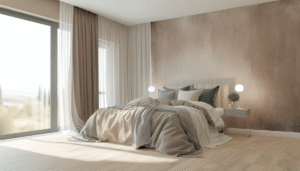
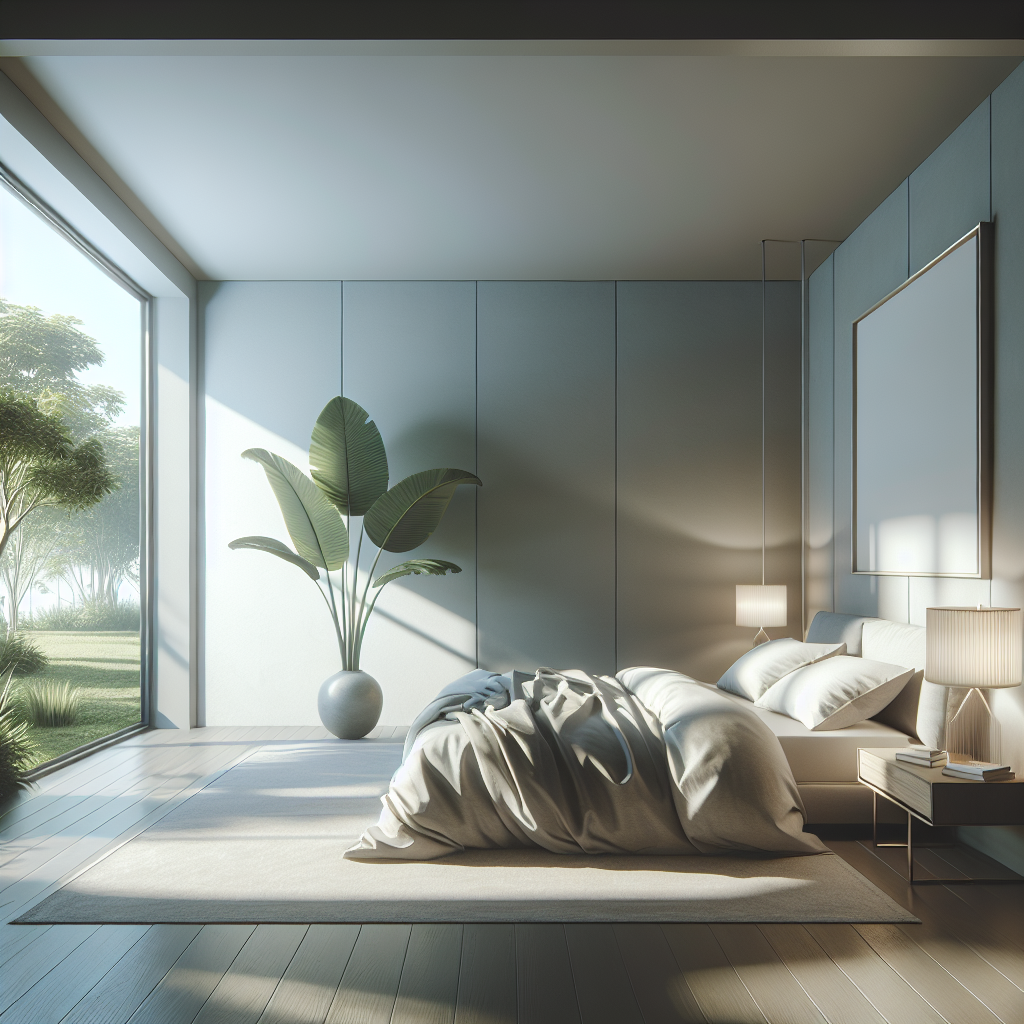

Ever feel like your bedroom is more of a stress-inducing storage unit than a sanctuary? You’re not alone. It’s supposed to be the place where you recharge, right? A haven. But sometimes, life (and all its *stuff*) gets in the way. That’s where minimalism comes in. It’s not about living in a sterile, empty box. Nah, it’s about intentionally creating a space that promotes peace and well-being. Think of it as decluttering your mind by decluttering your space. Sounds good, right?
Why Minimalist Bedroom Design? More Than Just Aesthetics
Okay, so a minimalist bedroom looks great in magazines. But the benefits? They run much deeper. We’re talking reduced stress, improved sleep, and even increased focus. Here’s the thing: Clutter equals chaos. When your eyes are constantly bombarded with visual noise, your brain doesn’t get a chance to truly relax. And a stressed-out brain makes for a restless night. Minimalism is a way to cut through the noise and create a calmer, more peaceful environment.
And it’s not just some trendy fad. Think about it: humans crave simplicity. We’re hardwired to seek out environments with less stimulation. Remember those nature documentaries where they talk about finding your “happy place”? Well, a minimalist bedroom can be your happy place, right in your own home.
Decluttering 101: Where Do You Even Begin?
Alright, let’s get practical. The first step is always the toughest: decluttering. Brace yourself, this might sting a little. Be honest with yourself. That sweater you haven’t worn in five years? Yeah, it’s gotta go (donate, sell, recycle – just get it outta there!). Ask yourself, “Does this item bring me joy?” If the answer is a resounding “no,” it’s time to say goodbye.
Remember, minimalism isn’t about deprivation; it’s about being intentional with what you choose to keep. Think quality over quantity. A few well-chosen items that you truly love will always be better than a room overflowing with stuff you barely use. And speaking of well-chosen items, lets talk about colors that are calming!
Color Psychology: Painting Your Way to Serenity
Color matters. A lot. That bright red accent wall? It might be energetic, but it’s not exactly conducive to relaxation. Soft, muted colors are your best friends here. Think calming blues, serene greens, gentle grays, and warm whites. These colors create a sense of spaciousness and tranquility. Ever notice how spas always seem to stick to a similar palette? There’s a reason for that!
Color psychology is a real thing – it can subtly influence your mood and emotions. Blues are often associated with calmness and peace, while greens evoke nature and balance. Experiment with different shades to find what resonates with you the most. And don’t be afraid to incorporate natural textures like wood or stone to add warmth and depth.
Furniture Fundamentals: Less is Indeed More
Now, let’s talk furniture. In a minimalist bedroom, every piece should have a purpose. Ditch the bulky, ornate furniture and embrace clean lines and simple designs. A low platform bed, a sleek dresser, and a nightstand are often all you need. When choosing furniture, consider multi-functional pieces. A bed with built-in storage? Genius. A bench at the foot of the bed that doubles as a storage chest? Even better.
Think about the flow of the room. You want to be able to move around easily without bumping into things. Leave plenty of open space to create a sense of airiness. And remember, quality over quantity. Invest in a few well-made pieces that will last for years, rather than filling your room with cheap, disposable furniture. Plus, a focus on quality can be better for the environment. See how this all connects?
Lighting Strategies: Casting the Right Mood
Lighting is crucial for setting the right mood. Harsh, overhead lighting can feel sterile and unwelcoming. Instead, layer your lighting with a combination of ambient, task, and accent lighting. Dimmer switches are your best friend, allowing you to adjust the brightness depending on the time of day and your activity.
Consider using bedside lamps with warm-toned bulbs for reading, and string lights or candles (real or LED) for a soft, relaxing glow. Natural light is always the best, so keep your windows clean and your curtains open during the day. And speaking of curtains, consider light, airy fabrics that allow sunlight to filter through without being too harsh.
Textiles and Textures: Adding Warmth and Comfort
Minimalism doesn’t mean sacrificing comfort. In fact, it’s quite the opposite. Textiles and textures can add warmth and visual interest to a minimalist space. Think soft cotton sheets, a cozy wool blanket, and a plush rug underfoot. Choose natural materials like linen, cotton, and wool for a breathable and comfortable feel.
Don’t be afraid to mix and match textures to add depth and dimension. A chunky knit throw on a linen-covered bed can create a beautiful contrast. And remember, less is still more. A few carefully chosen textiles will go a long way in creating a cozy and inviting space.
Accessorizing with Intention: Curating Your Essentials
When it comes to accessories, think “less is more” amplified. Each item should serve a purpose or bring you joy. A few well-chosen pieces of art, a small plant, or a stack of your favorite books are all you need. Avoid cluttering your surfaces with knick-knacks and trinkets. Honestly, who needs all that dust-collecting stuff anyway?
Consider displaying items that have personal meaning or sentimental value. A framed photograph, a handmade pottery vase, or a travel souvenir can add personality and character to your space without overwhelming it. And if you’re a collector, consider rotating your items seasonally to keep things fresh and interesting. This way you can enjoy all your pieces, rather than hiding them away.
The Power of Plants: Bringing the Outdoors In
Adding a touch of nature can instantly elevate any space. Plants not only add visual interest, but they also purify the air and boost your mood. Choose low-maintenance plants like succulents, snake plants, or pothos if you’re not exactly known for your green thumb.
Place plants strategically around your room to create a sense of balance and harmony. A large potted plant in a corner, a small succulent on your nightstand, or a hanging planter near a window can all contribute to a more calming and inviting atmosphere. Just remember to water them occasionally (or set a reminder on your phone – no judgment!).
Storage Solutions: Keeping Clutter at Bay
Even in a minimalist bedroom, storage is essential. The key is to find creative and discreet storage solutions to keep clutter out of sight. Under-bed storage containers are perfect for storing extra linens, out-of-season clothing, or shoes. Wall-mounted shelves can provide additional storage space without taking up valuable floor space.
Consider using baskets or decorative boxes to corral smaller items like jewelry, toiletries, or charging cables. And don’t forget about vertical space! Tall, narrow bookshelves can provide plenty of storage without feeling bulky or overwhelming. The goal is to create a system that makes it easy to keep your belongings organized and tidy. And when everything has a place, it’s much easier to maintain a clutter-free environment.
Tech-Free Zone: Disconnecting for Better Sleep
Okay, this one might be tough, but it’s crucial for creating a truly calming and restorative bedroom. Make your bedroom a tech-free zone. That means no TVs, no laptops, and no scrolling through social media before bed. The blue light emitted from electronic devices can interfere with your sleep cycle, making it harder to fall asleep and stay asleep.
Charge your phone in another room and invest in an alarm clock. If you use your phone as a bedtime reading device, try switching to a traditional book or e-reader with a warm light setting. Before bed, try more calming activities, like reading a physical book, taking a bath, or listening to calming music. These practices can significantly improve your sleep quality and overall well-being. You can also use a white noise machine to drown out excess sounds!
Mindful Habits: Maintaining Your Minimalist Oasis
Creating a minimalist bedroom is just the first step. The real challenge is maintaining it. Make it a habit to declutter regularly, even if it’s just for 15 minutes a day. Put things away immediately after you use them. Make your bed every morning. These small habits can make a big difference in keeping your space clean and organized.
Be mindful of what you bring into your bedroom. Before buying something new, ask yourself if you really need it and if it aligns with your minimalist values. And remember, a minimalist bedroom is not about perfection. It’s about creating a space that supports your well-being and promotes peace of mind. And honestly, a little bit of imperfection can make a space feel more lived-in and comfortable.
To go with those habits, consider implementing a routine of open and closing windows. This allows for fresh new air to enter the bedroom and help circulate air.
Beyond the Bedroom: Extending Minimalism to Life
Minimalism isn’t just about your bedroom. It’s a philosophy that can be applied to all aspects of your life. From your wardrobe to your schedule, embracing minimalism can help you simplify your life, reduce stress, and focus on what truly matters. I use it in all aspects of my life and work!
Think about it: When you’re not constantly chasing after the latest trends or bogged down by unnecessary possessions, you have more time and energy to devote to your passions and relationships. So, take a deep breath, embrace simplicity, and create a life that is both meaningful and fulfilling. After all, isn’t that what we’re all striving for?
For those who have a partner, minimalism is also applicable. When sharing a bedroom, remember the other person! Their needs and wants are as important as yours! So if you want a plant, ask what they think. If they like an art piece, even better! Remember, happy wife, happy life!
In Conclusion: Your Journey to a Calm Oasis
So, there you have it: your guide to creating a calm oasis in your bedroom. Remember, it’s not about striving for perfection, rather taking positive steps towards having a more relaxing and minimalist space. Embrace the journey and enjoy the process of transforming your bedroom into a space where you can truly relax, recharge, and reconnect with yourself and your partner!
Creating a minimalist bedroom is an investment in your well-being. By decluttering, simplifying, and intentionally curating your space, you can create a sanctuary that promotes peace, relaxation, and better sleep. So, what are you waiting for? Start decluttering today and begin your journey to a calmer, more fulfilling life. You deserve it!
Resources
FAQ: Your Burning Questions Answered
- What is the number one thing to remember when creating a minimalist space?
- Intentionality is key! Every item should have a purpose or bring you joy. If it doesn’t, it’s probably clutter.
- How do I deal with sentimental items when decluttering?
- This is a tough one! Consider taking photos of sentimental items before letting them go, or storing them in a memory box rather than cluttering your space.
- What are the best colors for a minimalist bedroom?
- Stick to soft, muted colors like blues, greens, grays, and whites. These colors promote calmness and relaxation.
- How do I incorporate storage into a minimalist bedroom?
- Choose multi-functional furniture with built-in storage, utilize under-bed storage containers, and consider wall-mounted shelves to maximize space.
- Is minimalism expensive?
- Not necessarily! Minimalism is about being intentional with your purchases and prioritizing quality over quantity. You can start by decluttering what you already have!
- How often should I declutter my minimalist bedroom?
- Regularly! Aim for at least 15 minutes a day, or a deeper decluttering session once a month to stay on top of things.
- What if I live with someone who isn’t a minimalist?
- Communication is key! Discuss your goals and find compromises that work for both of you. Maybe you can each have your own minimalist zone.
DISCLAIMER
Readers are advised to consult with a professional interior designer or contractor before making any major changes to their bedroom. The information provided in this article is for general guidance only and should not be considered a substitute for expert advice.
Categories
- Accent Walls & Ceilings (84)
- Art Curation & Gallery (83)
- Bedding Style Trends (89)
- Bedroom Makeover (96)
- Bohemian & Eclectic Styles (80)
- DIY & Budget-Friendly Decor (78)
- Eco-Friendly Design (83)
- Furniture Care (87)
- Home Decor & Design Ideas (181)
- Home Wellness Spaces (103)
- Integrated Outdoor Living (91)
- Japandi Style (84)
- Kids and Nursery Decor (73)
- Living Room Decor (99)
- Mix & Match Techniques (95)
- Modern & Contemporary Design (88)
- Rug Sizing & Placement (89)
- Scandinavian Design Inspiration (51)
- Seasonal Home Decor (100)
- Small Space Solutions (93)
- Wall Art & Painting Tips (94)
Recent Comments
Archives
Product Gallery
-
 Majestic African Wildlife Canvas Art for Stylish Home Decor
Rated 5.00 out of 5
Majestic African Wildlife Canvas Art for Stylish Home Decor
Rated 5.00 out of 5 -
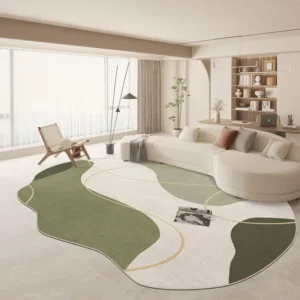 Cozy Irregular Green Plush Rug for Nordic Living Spaces
Rated 5.00 out of 5$43.73 – $275.79Price range: $43.73 through $275.79
Cozy Irregular Green Plush Rug for Nordic Living Spaces
Rated 5.00 out of 5$43.73 – $275.79Price range: $43.73 through $275.79 -
 Scandinavian Geometric Area Rugs for Stylish Home Décor
Rated 5.00 out of 5$32.78 – $496.51Price range: $32.78 through $496.51
Scandinavian Geometric Area Rugs for Stylish Home Décor
Rated 5.00 out of 5$32.78 – $496.51Price range: $32.78 through $496.51


