


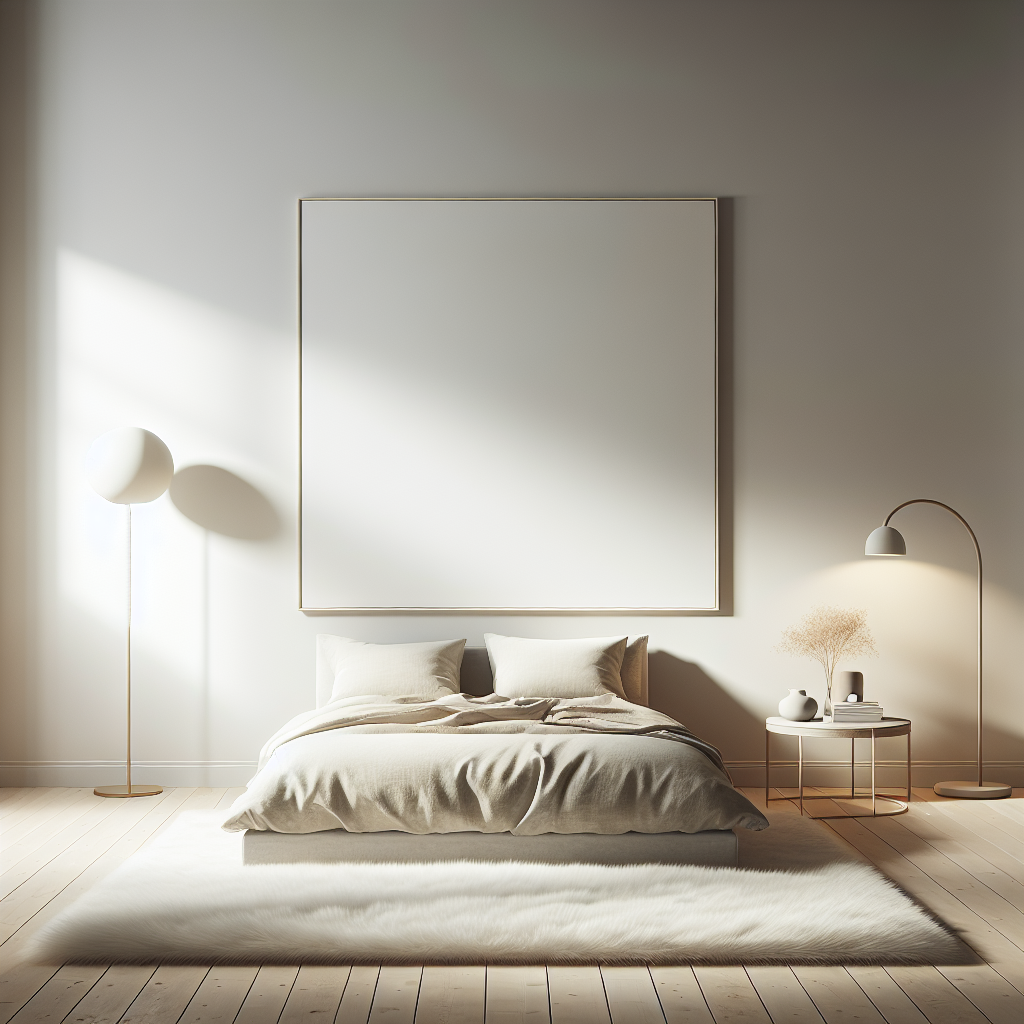

Ever walk into your bedroom and just feel… overwhelmed? Like the room itself is conspiring against your peace of mind? You’re not alone. Clutter, excessive decor, and just too much *stuff* can turn your sanctuary into a source of stress. But there’s a way out – a way to reclaim your bedroom as a haven of tranquility. It’s called minimalist design, and it might just change your life (or at least, your sleep).
What Exactly IS Minimalist Bedroom Design, Anyway?
Okay, so what are we even talking about? Minimalist design isn’t just about having less stuff; it’s about creating a calm, functional space by intentionally choosing what you include. Think clean lines, neutral colors, and a focus on quality over quantity. Basically, it’s Marie Kondo meets interior design. But it’s more than just tidying; it’s a lifestyle choice reflected in your decor.
It’s about curating a space that supports your well-being. That doesn’t mean you have to live in a stark white box, though! It’s about finding *your* balance – what brings you joy and peace, and what just adds to the visual noise.
Why Is My Bedroom Causing Me Stress?
Honestly, there are a bunch of reasons why your bedroom might be stressing you out. Maybe it’s the pile of clothes on “the chair” (you know the one). Or perhaps it’s the constant visual stimulation from cluttered shelves and mismatched decor.
Clutter, in general, has been linked to increased levels of cortisol (the stress hormone) according to studies. Think about it: when you’re surrounded by chaos, your brain feels like it needs to process everything at once. It’s like having a million tabs open in your browser – exhausting!
Beyond the mess, consider this: is your bedroom truly a relaxing space? Or is it a multi-purpose zone where you work, watch TV, and maybe even exercise? Boundaries are important, even within your own home.
Signs Your Bedroom Needs a Minimalist Intervention (A Quiz, Sort Of)
Let’s get real for a second. Do any of these sound familiar?
- You trip over things on your way to bed.
- You feel anxious or overwhelmed when you enter your bedroom.
- You have trouble falling asleep or staying asleep.
- Your bedroom doubles as an office, gym, or storage unit.
- You haven’t seen the surface of your dresser in months.
If you answered “yes” to even a few of these, minimalist design might be exactly what you need. Think of it as a reset button for your sleep and your sanity.
The Perks of a Minimalist Bedroom: More Than Just a Pretty Space
Okay, so a minimalist bedroom *can* look aesthetically pleasing. But the benefits go way beyond Instagram-worthy photos. We’re talking about tangible improvements to your mental and physical health.
- Reduced Stress and Anxiety: A clutter-free environment promotes a sense of calm and order.
- Improved Sleep Quality: A calming space can help you relax and unwind before bed, leading to deeper, more restful sleep.
- Increased Productivity: A clear space equals a clear mind. You might be surprised at how much more focused you feel, even when you’re just chilling in your room.
- Easier Cleaning: Less stuff means less to clean. Need I say more?
- Enhanced Focus: With fewer distractions, you can concentrate on what truly matters – whether that’s reading a book, meditating, or simply enjoying a moment of peace.
And honestly, who doesn’t want more peace and quiet in their lives? It’s not just about decluttering; it’s about intentionally designing a space that supports your well-being and enhances your overall quality of life. Sounds good, right?
Getting Started: Decluttering Like a Pro
Alright, let’s get practical. The first step to a minimalist bedroom is decluttering. But where do you even begin?
Start with the easy wins. Those items you know you don’t need or use? Donate, sell, or discard them right away. Then, tackle the bigger stuff. Go through your clothes, books, and other belongings. Ask yourself:
- Have I used this in the past year?
- Does it bring me joy (Marie Kondo style)?
- Is it essential for my daily life?
If the answer to all of these is “no,” it’s time to let it go. It can be hard, especially if you’re sentimental. But remember, you’re not throwing away memories; you’re creating space for new ones (and a more peaceful bedroom).
Pro Tip: Don’t try to do it all at once. Break it down into smaller, manageable tasks. Maybe dedicate an hour each day to decluttering a specific area of your bedroom. Rome wasn’t built in a day, and neither is a minimalist haven.
Essential Elements of a Minimalist Bedroom: Less is More
Once you’ve decluttered, it’s time to think about the essential elements of your minimalist bedroom. Here are some key considerations:
- The Bed: Invest in a comfortable, high-quality mattress and simple bedding. Neutral colors and natural fabrics are your friends.
- Storage: Choose furniture with built-in storage to keep clutter hidden. Think beds with drawers underneath, or nightstands with closed cabinets.
- Lighting: Opt for soft, warm lighting that creates a relaxing ambiance. Dimmable lights are a great option.
- Decor: Keep it minimal! A few carefully chosen pieces of art or plants can add personality without overwhelming the space.
- Color Palette: Stick to a neutral color palette with pops of color if desired. Think whites, grays, beiges, and muted tones.
Remember, every item in your minimalist bedroom should serve a purpose and contribute to the overall sense of calm. If it doesn’t, it’s probably not needed.
Colors and Textures: Creating a Soothing Ambiance
The colors and textures you choose can have a significant impact on the overall feel of your bedroom. As mentioned earlier, neutral colors are a great starting point. They’re calming, versatile, and easy to work with.
But don’t be afraid to add some texture! Think about incorporating natural materials like wood, linen, and cotton. A cozy rug can add warmth and comfort, while soft throw pillows can create a sense of luxury.
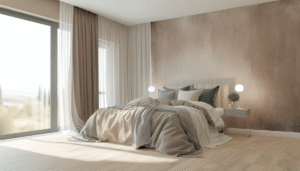
A quick idea: Consider a textured wall. A simple paint technique can add depth to your bedroom without over cluttering it. Just be careful not to overdo it!
The key is to create a space that feels inviting and relaxing. Experiment with different combinations of colors and textures until you find what works best for you.
Furniture Choices: Quality Over Quantity
When it comes to furniture, it’s all about quality over quantity. Invest in a few well-made pieces that will last for years to come. Avoid cheap, flimsy furniture that will just end up cluttering your space (and your mind).
Choose furniture with clean lines and simple designs. Avoid ornate details and unnecessary embellishments. A minimalist bed frame, a functional nightstand, and a comfortable chair are all you really need. And speaking of chairs, maybe look into ergonomic ones – they’re great for reading before bed.
Consider multi-functional furniture. A bed with built-in storage, or a nightstand that doubles as a small desk, can save space and reduce clutter. Look for pieces that serve multiple purposes and contribute to the overall functionality of your bedroom.
Think about investing in a quality mattress. I know I already mentioned that, but think about it some more. Did you know that the lifespan of a mattress is about 7-10 years? Be sure to replace yours accordingly.
Lighting: Setting the Mood for Relaxation
Lighting plays a crucial role in creating a relaxing ambiance in your bedroom. Harsh, bright lights can be jarring and stimulating, while soft, warm lights can promote a sense of calm and relaxation.
Opt for a combination of natural and artificial lighting. Maximize natural light during the day by opening curtains and blinds. In the evening, use soft, warm lamps and dimmable overhead lights to create a cozy atmosphere.
Consider using bedside lamps with adjustable brightness settings. This will allow you to customize the lighting to your specific needs and preferences. You might find that a warm, amber light creates a more relaxing environment than a cool, blue light. It’s all about personal preference, so experiment and see what works best for you.
Candles can also be a great addition to a minimalist bedroom, but make sure to use them safely and responsibly.
Decorating with Intention: Adding Personality Without Clutter
Minimalist design doesn’t mean you have to live in a sterile, impersonal space. It’s about choosing decor items that you love and that add value to your life. But remember, less is more. Avoid cluttering your space with unnecessary trinkets and knick-knacks.
Choose a few carefully selected pieces of art or plants to add personality and visual interest. A single, statement piece of artwork can transform your bedroom without overwhelming the space. Or, if you’re a plant lover, consider adding a few low-maintenance plants to purify the air and create a sense of calm. Look at snake plants, the peace lily, or spider plants. Those are all pretty good low-maintenance household plants.
Personalize your bedroom with items that are meaningful to you. Photos, mementos, and souvenirs can add a personal touch without creating clutter. Just be mindful of how many items you display and where you place them. The goal is to create a space that reflects your personality without overwhelming the senses.
Subtle and small: Consider adding small touches like a soothing diffuser or a few carefully chosen books. These items can add character without taking away from the minimalist aesthetic.
Maintaining Your Minimalist Bedroom: Staying Clutter-Free
Creating a minimalist bedroom is just the first step. Maintaining it is the real challenge. The key is to develop habits that prevent clutter from accumulating in the first place.
Make it a habit to declutter your bedroom regularly. Even if it’s just for a few minutes each day, it can make a big difference. Put things away as soon as you’re done using them. Don’t let clutter accumulate on your dresser or nightstand.
Adopt the “one in, one out” rule. For every new item you bring into your bedroom, get rid of something else. This will help you maintain a balance and prevent clutter from taking over.
Be mindful of your purchases. Before you buy something new, ask yourself if you really need it. Will it add value to your life, or will it just end up cluttering your space? Sometimes, delaying a purchase can help you realize that you don’t actually need it.
Consider a seasonal declutter. At the end of each season, go through your clothes and belongings and get rid of anything you haven’t used in the past few months. Donate or sell items that are in good condition. This will help you keep your bedroom clutter-free and organized all year round.
Staying organized is key to making sure that your bedroom remains a haven of peace. With a few simple habits and mindset changes, you can get the minimalist bedroom of your dreams.
Common Mistakes to Avoid in Minimalist Bedroom Design
Even with the best intentions, it’s easy to make mistakes when designing a minimalist bedroom. Here are some common pitfalls to avoid:
- Going Too Stark: A minimalist bedroom shouldn’t feel cold and sterile. Add warmth and personality with textures, colors, and personal touches.
- Ignoring Functionality: Minimalist design is about more than just aesthetics. Make sure your bedroom is functional and meets your needs.
- Not Addressing Storage: Adequate storage is essential for keeping clutter at bay. Choose furniture with built-in storage or invest in stylish storage solutions.
- Holding Onto Sentimental Clutter: It’s okay to keep a few sentimental items, but don’t let them take over your space. Be selective and display only the items that truly bring you joy.
- Trying to Do Too Much at Once: Decluttering and redesigning your bedroom can be overwhelming. Break it down into smaller tasks and focus on one area at a time.
Don’t be afraid to experiment and find what works best for you. Minimalist design is a journey, not a destination. Oh, let me explain why sentimentality is so bad; you can’t possibly look onto the future if you’re just looking into the past, right?
Minimalism Beyond the Bedroom: Extending the Philosophy
Once you experience the benefits of minimalist design in your bedroom, you might be inspired to extend the philosophy to other areas of your life. Minimalism is more than just a decorating style; it’s a way of thinking that can improve your overall well-being.
Consider decluttering your entire home, simplifying your wardrobe, and streamlining your digital life. Focus on experiences rather than possessions. Spend time with loved ones, pursue your passions, and enjoy the simple things in life.
I know I went off on a tangent there for a second, but it’s only because it all connects in the end. The important things are the small, simple things.
Minimalist living is about intentionally choosing what you include in your life and letting go of everything else. It’s about creating space for what truly matters and living a more meaningful and fulfilling life.
A clutter-free home in the end might just be the start to a clutter-free life!
Resources and Inspiration for Your Minimalist Journey
Feeling inspired? Here are some resources to help you on your minimalist journey:
- Websites and Blogs: Check out blogs like “The Minimalists” ( https://www.theminimalists.com/ ) and “Zen Habits” (https://zenhabits.net/) for tips and inspiration.
- Books: Read books like “The Life-Changing Magic of Tidying Up” by Marie Kondo and “Essentialism: The Disciplined Pursuit of Less” by Greg McKeown.
- Social Media: Follow minimalist design accounts on Instagram and Pinterest for visual inspiration.
- Online Communities: Join online forums and communities to connect with other minimalists and share your experiences.
Remember, minimalism is a personal journey. There’s no right or wrong way to do it. Experiment, learn, and find what works best for you.
Also consider looking at some minimalist youtubers who can walk you through the whole process in video format; that might be more engaging.
Is Minimalist Bedroom Design Right for You? Final Thoughts
So, is minimalist bedroom design right for you? If you’re feeling stressed, overwhelmed, or simply looking for a way to simplify your life, it might be exactly what you need. Think about how different this house is from the one you started in, and the places you will go!
But I would advise to not completely overhaul your life. Small steps are still steps, and baby steps are also great indicators of success!
Embrace the opportunity for self discovery.
By creating a calm, functional, and aesthetically pleasing space, you can transform your bedroom into a sanctuary of peace and relaxation. Give it a try and see how it changes your life (and your sleep).
Remember to always take care of your self!
FAQ: Your Questions Answered About Minimalist Bedroom Design
DISCLAIMER
This article is for informational purposes only and does not provide medical advice. Consult with a healthcare professional for any health concerns. The links provided are for convenience and do not endorse or take responsibility for the content or practices of those sites. Practices for home decor and well-being carry inherent risks; by proceeding, readers acknowledge and assume full responsibility for any outcomes.
Categories
- Accent Walls & Ceilings (84)
- Art Curation & Gallery (83)
- Bedding Style Trends (89)
- Bedroom Makeover (96)
- Bohemian & Eclectic Styles (80)
- DIY & Budget-Friendly Decor (78)
- Eco-Friendly Design (83)
- Furniture Care (87)
- Home Decor & Design Ideas (181)
- Home Wellness Spaces (103)
- Integrated Outdoor Living (91)
- Japandi Style (84)
- Kids and Nursery Decor (73)
- Living Room Decor (99)
- Mix & Match Techniques (95)
- Modern & Contemporary Design (88)
- Rug Sizing & Placement (89)
- Scandinavian Design Inspiration (51)
- Seasonal Home Decor (100)
- Small Space Solutions (93)
- Wall Art & Painting Tips (94)
Recent Comments
Archives
Product Gallery
-
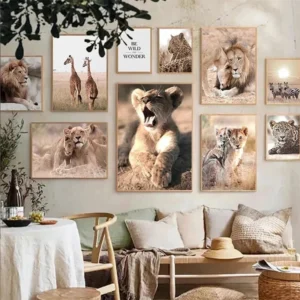 Majestic African Wildlife Canvas Art for Stylish Home Decor
Rated 5.00 out of 5
Majestic African Wildlife Canvas Art for Stylish Home Decor
Rated 5.00 out of 5 -
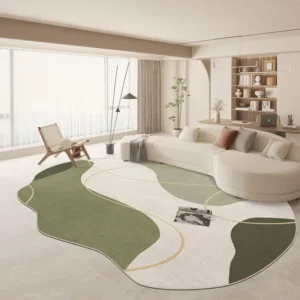 Cozy Irregular Green Plush Rug for Nordic Living Spaces
Rated 5.00 out of 5$51.39 – $324.12Price range: $51.39 through $324.12
Cozy Irregular Green Plush Rug for Nordic Living Spaces
Rated 5.00 out of 5$51.39 – $324.12Price range: $51.39 through $324.12 -
 Scandinavian Geometric Area Rugs for Stylish Home Décor
Rated 5.00 out of 5$36.91 – $559.19Price range: $36.91 through $559.19
Scandinavian Geometric Area Rugs for Stylish Home Décor
Rated 5.00 out of 5$36.91 – $559.19Price range: $36.91 through $559.19


