



Meta Description
Discover creative and playful learning techniques that boost engagement and retention. Transform your teaching with 15 proven strategies that make education fun and effective for all ages.
Learning doesn’t have to feel like a chore. In fact, when education becomes creative and playful, something magical happens: students retain more information, engage more deeply, and actually look forward to their next lesson.
Traditional educational methods have long prioritized structure and standardization, but mounting research shows that creative and playful approaches to learning can increase retention rates by up to 75% compared to conventional teaching methods. Whether you’re an educator, parent, or lifelong learner yourself, understanding how to inject creativity and playfulness into the learning process can revolutionize educational outcomes.
This comprehensive guide explores 15 innovative strategies that transform ordinary lessons into extraordinary learning adventures. You’ll discover practical techniques that work across all age groups, from early childhood through adult education, along with the science behind why playful learning is so effective.
We’ll cover everything from gamification techniques and storytelling methods to hands-on activities and digital tools that make learning irresistible. By the end of this article, you’ll have a toolkit of creative approaches that can turn any subject matter into an engaging, memorable experience.
The Science Behind Creative and Playful Learning
Understanding why creative and playful learning methods work so effectively requires examining how our brains process and retain information. Neuroscience research reveals fascinating insights about the connection between enjoyment, creativity, and memory formation.
When we engage in playful learning activities, our brains release dopamine, a neurotransmitter associated with pleasure and reward. This chemical response not only makes us feel good but also enhances our ability to focus and remember information. The positive emotional state created by playful learning experiences helps encode memories more effectively than stress-inducing traditional methods.
Creative approaches to education also activate multiple areas of the brain simultaneously. When students solve problems through play, they’re using their prefrontal cortex for executive function, their limbic system for emotional processing, and various sensory regions for processing information. This multi-region activation creates stronger neural pathways and more robust memory formation.
Research from Stanford University demonstrates that students who engage in creative problem-solving activities show increased activity in areas of the brain associated with innovation and critical thinking. These students later performed better on standardized tests and showed improved retention rates compared to their peers who learned through traditional lecture-based methods.
The concept of "flow state" also plays a crucial role in creative and playful learning. When students become fully immersed in engaging activities, they lose track of time and experience heightened concentration. This psychological state, identified by researcher Mihaly Csikszentmihalyi, is characterized by complete absorption in the task at hand and correlates strongly with improved learning outcomes.
Furthermore, playful learning environments reduce cortisol levels, the stress hormone that can impair memory formation and retrieval. When students feel safe, supported, and entertained, their cognitive resources are freed up for actual learning rather than being consumed by anxiety or boredom.
Building the Foundation: Core Principles of Playful Education
Before diving into specific strategies, it’s essential to understand the fundamental principles that make creative and playful learning effective. These core concepts serve as the foundation for implementing any innovative educational approach successfully.
The first principle centers on intrinsic motivation. Creative and playful learning taps into students’ natural curiosity and desire to explore, rather than relying solely on external rewards or punishments. When learners are internally motivated, they demonstrate greater persistence, creativity, and long-term retention of material.
Choice and autonomy represent another crucial element. Effective playful learning environments offer students options in how they engage with material, allowing them to pursue their interests while still meeting educational objectives. This autonomy fosters ownership of the learning process and increases engagement levels significantly.
Social interaction forms a vital component of most successful creative learning approaches. Collaborative play and group problem-solving activities leverage the human need for connection while providing opportunities for peer learning and diverse perspectives. Students often learn as much from each other as they do from formal instruction.
The principle of safe failure encourages experimentation and risk-taking in learning environments. When students know they can make mistakes without severe consequences, they’re more likely to attempt challenging problems and think creatively about solutions. This psychological safety is essential for fostering innovation and deep learning.
Immediate feedback loops help maintain engagement and guide learning in real-time. Unlike traditional educational approaches where feedback might come days or weeks later, playful learning activities often provide instant responses to student actions, allowing for rapid adjustment and improvement.
Finally, the principle of graduated challenge ensures that activities remain in learners’ "zone of proximal development" – challenging enough to be engaging but not so difficult as to be frustrating. This balance keeps students in the optimal state for learning and growth.
15 Innovative Creative and Playful Learning Strategies
1. Gamification Through Educational Quests
Transform curriculum content into epic adventures where students become heroes on educational quests. This approach turns learning objectives into missions, with clear goals, obstacles to overcome, and rewards for achievement.
Design multi-level challenges that correspond to different learning objectives. For instance, a history lesson about ancient civilizations might become a quest where students must "travel" through different time periods, gathering artifacts (knowledge) and solving puzzles (assignments) to unlock the next level.
Create character profiles for students, allowing them to choose roles that align with their interests and learning styles. Some might prefer to be researchers who dig deep into source materials, while others excel as storytellers who present findings creatively. This personalization increases investment in the learning process.
Implement a point system that rewards not just correct answers but also collaboration, creativity, and persistence. Students earn experience points (XP) for completed assignments, bonus points for helping classmates, and achievement badges for mastering specific skills.
Use digital tools like Classcraft or create analog quest boards to track progress visually. The key is making advancement transparent and celebrating incremental achievements, which maintains motivation throughout longer learning sequences.
2. Storytelling and Narrative Learning
Harness the power of narrative to make abstract concepts concrete and memorable. Humans are naturally wired to understand and remember information presented in story format, making this one of the most effective creative learning strategies.
Develop character-driven scenarios that illustrate key concepts. In mathematics, for example, create ongoing sagas where characters face numerical challenges that students must solve to advance the plot. This approach helps students see practical applications for seemingly abstract concepts.
Encourage students to become storytellers themselves by having them create narratives around their learning. When studying scientific processes, students might write adventure stories where characters navigate biological systems or chemical reactions, demonstrating their understanding through creative expression.
Use multimedia storytelling tools that combine text, images, audio, and video. Platforms like StoryMapJS or Adobe Spark allow students to create rich, interactive narratives that showcase their learning while developing digital literacy skills.
Implement "choose your own adventure" style learning modules where student decisions influence the story’s direction and the concepts they explore. This interactive approach gives learners agency while ensuring they encounter essential content.
3. Hands-On Project-Based Discovery
Move beyond theoretical learning by engaging students in real-world projects that require applying knowledge in practical situations. Project-based learning naturally incorporates creativity and playfulness while building valuable skills.
Design projects that solve authentic problems in your community or school. Students might develop solutions for reducing cafeteria waste, create apps to help younger students with reading, or design environmentally friendly transportation options.
Incorporate maker spaces and DIY approaches that allow students to build, create, and tinker. Whether constructing models of molecular structures, building bridges to understand engineering principles, or creating art installations to explore historical themes, hands-on work makes learning tangible.
Establish partnerships with local businesses, organizations, or community groups to provide real-world context for student projects. When learners know their work might actually be implemented or viewed by authentic audiences, their engagement and effort levels increase dramatically.
Create project showcases where students present their work to peers, parents, and community members. These events celebrate student creativity while providing opportunities for reflection and feedback that enhance the learning experience.
4. Role-Playing and Simulation Games
Transport students into different times, places, or perspectives through immersive role-playing experiences that bring learning to life. This strategy is particularly effective for subjects like history, literature, and social studies.
Organize historical reenactments where students research and portray historical figures, experiencing events from multiple perspectives. A unit on the American Civil War might include students role-playing as soldiers, civilians, politicians, and abolitionists, each researching and representing their character’s viewpoint.
Design business simulations where students manage virtual companies, making decisions about production, marketing, and finance while learning economic principles. These experiences teach cause-and-effect relationships in engaging, low-stakes environments.
Create mock trials for literature classes where students prosecute or defend characters’ actions, developing critical thinking skills while demonstrating deep understanding of text and character motivation.
Use online simulation tools like Model UN platforms or economic modeling software that allow students to participate in complex scenarios while learning about international relations, economics, or environmental science.
5. Learning Through Games and Puzzles
Integrate carefully selected games and puzzles that reinforce learning objectives while providing enjoyable challenges. This approach works across all subject areas and age groups.
Deploy escape room experiences where students must solve academic puzzles to "escape" within a time limit. Math escape rooms might require solving equations to find lock combinations, while literature versions could involve analyzing poetry for clues.
Utilize board games that teach specific concepts, such as Pandemic for understanding disease transmission, Civilization for exploring historical development, or Ticket to Ride for geography and strategic planning skills.
Create scavenger hunts that require students to apply knowledge to find clues and solve riddles. These activities can be conducted in classrooms, libraries, or outdoor spaces, making learning active and collaborative.
Develop custom card games or dice games that reinforce vocabulary, mathematical operations, or scientific concepts. Student-created games often become classroom favorites and demonstrate deep understanding of subject matter.
6. Creative Arts Integration
Combine traditional academic subjects with artistic expression to engage different learning styles and make content more memorable. Arts integration helps students express understanding in multiple ways while developing creativity.
Implement music and rhythm techniques to help students memorize information. Set mathematical formulas, scientific processes, or foreign language vocabulary to familiar tunes or create rap songs that students can perform.
Use visual arts projects that require students to represent concepts graphically. Science students might create comic strips explaining photosynthesis, while history students design museum exhibits showcasing different cultural periods.
Incorporate drama and theater activities where students write and perform plays based on literary works, historical events, or scientific discoveries. These performances require deep understanding of content while developing public speaking and collaboration skills.
Encourage dance and movement activities that help kinesthetic learners embody concepts. Students might choreograph dances representing planetary motion, chemical bonding, or mathematical functions.
7. Technology-Enhanced Interactive Learning
Leverage digital tools and platforms that make learning interactive, personalized, and engaging while building 21st-century skills essential for future success.
Implement virtual reality (VR) experiences that transport students to ancient Rome, inside the human circulatory system, or to distant planets. These immersive technologies make impossible experiences possible and create lasting memories associated with learning content.
Use augmented reality (AR) applications that overlay digital information onto the real world. Students might use AR to examine 3D models of historical artifacts, visualize molecular structures, or explore geographical features in their immediate environment.
Deploy adaptive learning platforms that adjust difficulty and content based on individual student progress. These systems provide personalized learning paths while maintaining engagement through game-like elements and immediate feedback.
Create digital portfolios and blogs where students document their learning journey, reflect on experiences, and share work with authentic audiences. This approach develops writing skills while encouraging metacognition and self-directed learning.
8. Outdoor and Environmental Learning
Take learning beyond classroom walls to engage students with natural environments and real-world applications of academic concepts. Outdoor education naturally incorporates elements of exploration and discovery.
Organize nature-based lessons that connect curriculum content with environmental observations. Science students might study ecosystems by examining local habitats, while math students could use natural phenomena to explore patterns and measurements.
Create outdoor classrooms in school gardens, courtyards, or nearby parks where students can engage in hands-on learning while enjoying fresh air and natural surroundings. These spaces often improve focus and reduce stress compared to traditional indoor environments.
Implement geocaching activities that combine technology with outdoor exploration. Students use GPS devices to find hidden caches while completing academic challenges related to the locations they visit.
Design service learning projects that connect academic content with environmental stewardship. Students might monitor water quality in local streams while learning chemistry, or create habitat restoration plans while studying biology and ecology.
9. Peer Teaching and Collaborative Learning
Harness the power of student-to-student instruction while building communication skills and deepening understanding through the act of teaching others.
Establish peer tutoring programs where advanced students work with those who need additional support. This arrangement benefits both tutors, who deepen their own understanding by teaching, and tutees, who often relate better to peer explanations than adult instruction.
Create jigsaw activities where small groups become experts on different aspects of a topic, then rotate to teach their specialty to other groups. This approach ensures all students engage deeply with content while practicing presentation skills.
Implement student-led conferences where learners present their work and progress to parents, teachers, and peers. These events develop communication skills while encouraging reflection and goal-setting.
Design collaborative problem-solving challenges that require diverse skills and perspectives. Students learn to leverage each other’s strengths while building teamwork abilities essential for future success.
10. Movement and Kinesthetic Activities
Incorporate physical movement and hands-on manipulation to engage kinesthetic learners while helping all students embody concepts through physical experience.
Use total physical response (TPR) techniques where students use body movements to represent vocabulary words, mathematical operations, or scientific processes. This approach is particularly effective for language learning and memorization tasks.
Create station rotations where students move through different learning activities, maintaining energy and engagement while exploring content from multiple angles. Each station might focus on a different aspect of the same concept using varied approaches.
Implement brain breaks that incorporate academic content. Students might do jumping jacks while skip counting, perform yoga poses named after geometric shapes, or play active games that reinforce vocabulary or facts.
Design building and construction activities that require students to physically manipulate materials while learning. Students might construct DNA models, build architectural structures, or create working machines while studying relevant scientific or mathematical principles.
11. Mystery and Detective Learning
Tap into students’ natural curiosity by presenting content as mysteries to solve or cases to investigate. This approach works particularly well for developing critical thinking and analytical skills.
Create historical mystery scenarios where students must examine primary source documents, analyze evidence, and draw conclusions about past events. This approach teaches research skills while making history feel immediate and relevant.
Design scientific investigations that follow the format of detective work, with students forming hypotheses, gathering evidence, and drawing conclusions based on observations and data analysis.
Use literature-based mysteries where students analyze character motivations, predict plot developments, and support their theories with textual evidence. This approach deepens reading comprehension while maintaining engagement.
Implement math mysteries that require students to use various computational skills and logical reasoning to solve numerical puzzles and word problems presented as cases to crack.
12. Choice-Based Learning Centers
Provide students with options for how they engage with content while ensuring all essential learning objectives are met. This approach honors different learning preferences while building decision-making skills.
Set up learning stations with varied activities focused on the same concept. Students might choose between creating a poster, building a model, writing a story, or conducting an experiment, all designed to teach the same core content.
Implement menu-based assignments where students can choose from different options to demonstrate their learning. Like a restaurant menu, provide appetizers (warm-up activities), main courses (core assignments), and desserts (extension activities) with varying difficulty levels.
Create contract learning systems where students negotiate their learning goals and methods with teacher guidance. This approach builds self-direction skills while maintaining accountability for essential content mastery.
Design flexible seating and workspace arrangements that allow students to choose learning environments that suit their needs and preferences, from collaborative tables to quiet individual spaces.
13. Real-World Connections and Applications
Connect academic content to students’ lives and interests while demonstrating practical applications of learning. This relevance increases motivation and helps students understand the value of their education.
Invite guest speakers from various professions to share how they use academic skills in their work. Students gain perspective on career possibilities while seeing practical applications for their learning.
Organize field trips to local businesses, organizations, and institutions where students can observe academic concepts in action. Virtual field trips can extend these opportunities beyond geographical limitations.
Create internship or job shadowing opportunities where older students can experience professional environments and apply their learning in authentic contexts.
Design community service projects that require academic skills while addressing real needs. Students might tutor younger children, create educational materials for local organizations, or conduct research for community groups.
14. Celebration and Recognition Systems
Build positive learning cultures through meaningful recognition of effort, growth, and achievement. Celebration systems maintain motivation while reinforcing the joy of learning.
Establish multiple ways to recognize student success beyond traditional grades. This might include public recognition for improvement, creativity awards, collaboration certificates, or effort acknowledgments.
Create student portfolios that showcase growth over time rather than just final products. Regular reflection sessions help students see their progress and set goals for continued improvement.
Design culminating events that celebrate learning achievements with authentic audiences. Science fairs, art exhibitions, poetry slams, and research symposiums provide opportunities for students to share their work pridefully.
Implement peer recognition systems where students nominate classmates for various achievements, building positive classroom culture while encouraging students to notice and appreciate each other’s efforts.
15. Reflection and Metacognitive Practices
Develop students’ ability to think about their own thinking while building self-awareness and learning strategies that will serve them throughout their lives.
Implement regular reflection journals where students write about their learning experiences, challenges, and successes. This practice develops self-awareness while improving writing skills and encouraging deeper thinking about content.
Use exit tickets and quick assessment tools that prompt students to reflect on what they learned, what confused them, and what questions they still have. This information helps teachers adjust instruction while encouraging student self-monitoring.
Create goal-setting and progress monitoring systems that help students take ownership of their learning journey. Regular check-ins and adjustments keep students engaged while building self-direction skills.
Design peer feedback protocols that teach students to give and receive constructive criticism. These skills are essential for collaboration while helping students see their work from different perspectives.
Implementing Creative and Playful Learning: Practical Strategies
Successfully implementing creative and playful learning approaches requires careful planning, gradual introduction, and ongoing refinement based on student responses and learning outcomes.
Start small by incorporating one or two strategies into existing curriculum rather than attempting to overhaul entire programs immediately. This approach allows you to build confidence and skills while assessing what works best for your specific students and context.
Clearly communicate learning objectives to students and stakeholders so they understand that playful learning is purposeful and rigorous. When parents, administrators, and students see the connection between fun activities and academic achievement, they’re more likely to support innovative approaches.
Establish clear expectations and procedures for creative learning activities. While these approaches may seem less structured than traditional methods, they actually require more careful planning and clearer guidelines to ensure productive learning experiences.
Document student learning and progress through multiple assessment methods. Traditional tests may not capture the full range of skills and knowledge students develop through creative and playful learning, so consider portfolios, performance assessments, and student self-evaluations.
Overcoming Common Implementation Challenges
Many educators encounter predictable obstacles when introducing creative and playful learning approaches. Understanding these challenges and having strategies to address them increases the likelihood of successful implementation.
Time constraints often feel like the biggest barrier to implementing creative approaches. However, well-designed playful learning activities often teach multiple concepts simultaneously and can actually be more time-efficient than traditional methods. Focus on quality over quantity and remember that deeper learning is more valuable than content coverage without understanding.
Administrative or parental concerns about rigor can be addressed by clearly articulating learning objectives, sharing research on the effectiveness of creative approaches, and documenting student achievement through multiple measures. Invite stakeholders to observe and participate in creative learning activities so they can see the engagement and learning taking place.
Classroom management during more active and collaborative learning requires different strategies than traditional lecture-based instruction. Establish clear signals for attention, create shared expectations for group work, and teach students to self-monitor their behavior during creative activities.
Assessment challenges can be overcome by developing rubrics that evaluate both process and product, incorporating student self-assessment, and using multiple methods to capture learning. Focus on growth and improvement rather than just final outcomes.
Measuring Success and Impact
Evaluating the effectiveness of creative and playful learning approaches requires looking beyond traditional test scores to consider engagement, motivation, retention, and skill development.
Track engagement metrics such as attendance, participation rates, time on task, and student feedback about their learning experiences. Engaged students are more likely to achieve academically and develop positive attitudes toward learning.
Monitor retention and transfer by assessing student ability to apply learning in new contexts and remember content over extended periods. Creative and playful approaches often yield better long-term retention than traditional methods.
Evaluate skill development in areas like creativity, collaboration, communication, and critical thinking through performance assessments, peer evaluations, and student portfolios. These 21st-century skills are increasingly important for future success.
Collect qualitative feedback through student interviews, focus groups, and reflection activities to understand how creative learning approaches affect student attitudes, confidence, and motivation.
Frequently Asked Questions About Creative and Playful Learning
How do I convince administrators that creative and playful learning is academically rigorous?
Share research studies demonstrating improved learning outcomes, invite administrators to observe creative learning activities in action, document student achievement through multiple assessment methods, and connect all activities to clear learning objectives and standards. Emphasize that playful learning requires more sophisticated planning and assessment than traditional methods.
What if students become too excited or disruptive during creative activities?
Establish clear expectations and procedures before beginning activities, teach students to self-monitor their behavior and energy levels, use attention signals that students practice and respect, and gradually build tolerance for productive noise and movement in learning environments. Remember that excited engagement is often louder than passive compliance.
How can I implement creative learning with limited resources or technology?
Focus on low-cost or no-cost strategies like storytelling, role-playing, movement activities, and hands-on projects using everyday materials. Many of the most effective creative learning approaches require creativity rather than expensive resources. Seek community partnerships and donations when possible.
Do creative and playful approaches work for all subjects and age groups?
Yes, though implementation looks different across subjects and age levels. Math can incorporate games and puzzles, science benefits from hands-on experiments and simulations, language arts thrives with storytelling and drama, and social studies comes alive through role-playing and community connections. Adapt approaches to developmental levels and subject matter requirements.
How do I assess student learning in creative and playful environments?
Use multiple assessment methods including performance assessments, portfolios, peer evaluations, student self-reflection, and traditional assessments when appropriate. Focus on both process and product, document growth over time, and create rubrics that value creativity and collaboration alongside content mastery.
What if some students prefer traditional learning methods?
Provide choices whenever possible, gradually introduce creative approaches to build comfort and skills, ensure that creative activities still address different learning preferences, and remember that many students who think they prefer traditional methods actually thrive when given engaging alternatives. Continue offering structure within creative frameworks.
How can I find time for lesson planning when creative approaches seem more complex?
Start with simple modifications to existing lessons, collaborate with colleagues to share ideas and resources, use online communities and resources for inspiration, and remember that well-designed creative lessons often address multiple objectives simultaneously, making them time-efficient in the long run.
How do creative and playful learning approaches prepare students for standardized testing?
Students who engage deeply with content through creative methods often perform better on standardized tests because they have deeper understanding and better retention. Additionally, these approaches develop critical thinking, problem-solving, and communication skills that transfer to test performance. Supplement with test-taking strategies if needed.
Conclusion: Transforming Education Through Creative and Playful Learning
Creative and playful learning represents more than just making education fun – it’s about fundamentally transforming how we approach teaching and learning to honor how human beings naturally acquire knowledge and skills. The strategies outlined in this comprehensive guide provide practical, research-based approaches that can revolutionize educational experiences for learners of all ages.
The evidence is clear: students who engage in creative and playful learning demonstrate higher retention rates, increased motivation, better critical thinking skills, and more positive attitudes toward learning. These approaches prepare learners not just for tests and grades, but for success in an increasingly complex world that values creativity, collaboration, and innovative problem-solving.
Implementation requires commitment, patience, and willingness to embrace new approaches, but the rewards – for both educators and students – are immense. Start with small steps, build on successes, and remember that every creative learning experience you facilitate has the potential to ignite a lifelong love of learning in your students.
The future belongs to learners who can think creatively, adapt quickly, and find joy in the process of discovery. By embracing creative and playful learning approaches, we prepare students not just for academic success, but for meaningful, engaged lives where learning never stops.
Whether you’re a teacher looking to revitalize your classroom, a parent seeking to support your child’s education, or an administrator working to transform your school culture, the strategies in this guide provide a roadmap for creating educational experiences that are both effective and joyful. The time to embrace creative and playful learning is now – your students’ future depends on it.
Content Disclaimer
The information provided in this article is for educational purposes and represents general strategies for implementing creative and playful learning approaches. Individual results may vary based on specific contexts, student populations, and implementation methods. Educators should adapt these strategies to meet their specific curriculum requirements, student needs, and institutional guidelines. While research supports the effectiveness of creative and playful learning approaches, successful implementation requires ongoing assessment and adjustment based on individual circumstances.
Categories
- Accent Walls & Ceilings (84)
- Art Curation & Gallery (83)
- Bedding Style Trends (89)
- Bedroom Makeover (96)
- Bohemian & Eclectic Styles (80)
- DIY & Budget-Friendly Decor (78)
- Eco-Friendly Design (83)
- Furniture Care (87)
- Home Decor & Design Ideas (181)
- Home Wellness Spaces (103)
- Integrated Outdoor Living (91)
- Japandi Style (84)
- Kids and Nursery Decor (73)
- Living Room Decor (99)
- Mix & Match Techniques (95)
- Modern & Contemporary Design (88)
- Rug Sizing & Placement (89)
- Scandinavian Design Inspiration (51)
- Seasonal Home Decor (100)
- Small Space Solutions (93)
- Wall Art & Painting Tips (94)
Recent Comments
Archives
Product Gallery
-
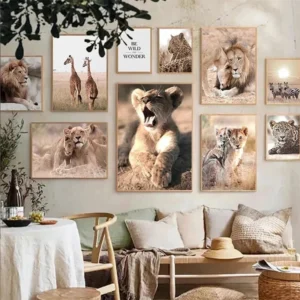 Majestic African Wildlife Canvas Art for Stylish Home Decor
Rated 5.00 out of 5
Majestic African Wildlife Canvas Art for Stylish Home Decor
Rated 5.00 out of 5 -
 Cozy Irregular Green Plush Rug for Nordic Living Spaces
Rated 5.00 out of 5$51.39 – $324.12Price range: $51.39 through $324.12
Cozy Irregular Green Plush Rug for Nordic Living Spaces
Rated 5.00 out of 5$51.39 – $324.12Price range: $51.39 through $324.12 -
 Scandinavian Geometric Area Rugs for Stylish Home Décor
Rated 5.00 out of 5$36.91 – $559.19Price range: $36.91 through $559.19
Scandinavian Geometric Area Rugs for Stylish Home Décor
Rated 5.00 out of 5$36.91 – $559.19Price range: $36.91 through $559.19