

Your living room should be more than just another space in your home—it should be the warm, inviting heart where your family naturally gravitates for comfort, connection, and countless memories. Yet many families struggle with creating a space that balances style with functionality, leaving them with rooms that feel either too formal for daily life or too chaotic for relaxation.
The challenge isn’t about having the perfect budget or the largest space. It’s about understanding how to transform your living room into a cozy family haven using thoughtful design principles that prioritize both comfort and practicality. Whether you’re working with a compact apartment living area or a spacious family room, the strategies in this guide will help you create a space where every family member feels welcome and at ease.
Throughout this comprehensive guide, you’ll discover proven techniques for selecting furniture that serves multiple purposes, creating intimate conversation areas within larger spaces, incorporating storage solutions that eliminate clutter without sacrificing style, and choosing color schemes and textures that promote relaxation while hiding the inevitable wear and tear of family life.
From understanding traffic flow patterns that work for families with children to selecting durable yet comfortable fabrics that withstand daily use, we’ll explore every aspect of creating a living room that truly serves as your family’s sanctuary. You’ll learn how to balance different family members’ needs, incorporate flexible design elements that adapt as children grow, and maintain a cohesive aesthetic that feels both sophisticated and livable.
Understanding Your Family’s Unique Living Room Needs
Before diving into furniture selection and color schemes, successful living room transformations begin with a thorough assessment of your family’s specific lifestyle patterns and requirements. This foundational step determines every subsequent design decision and ensures your renovated space will actually improve your family’s daily experience rather than just looking beautiful in photos.
Start by observing how your family currently uses the living space throughout different times of day and week. Do children spread homework across the coffee table after school? Does your family gather here for movie nights, requiring comfortable seating with clear sightlines to the television? Are there specific storage needs for books, games, or electronic devices that currently create visual clutter?
Assessing Traffic Patterns and Functional Zones
Effective family living rooms incorporate multiple functional zones while maintaining clear pathways for movement. The key is creating distinct areas for different activities without making the space feel chopped up or cramped. Consider designating zones for:
- Primary seating area oriented toward the main focal point (TV, fireplace, or large window)
- Secondary conversation space for quieter activities like reading or one-on-one conversations
- Activity zone for children’s play, homework, or family game time
- Storage and display areas for books, family photos, and frequently used items
The most successful family living rooms feature furniture arrangements that allow natural traffic flow around these zones without disrupting activities in progress. This means avoiding furniture placement that blocks pathways to other rooms or forces people to walk through active seating areas.
Balancing Individual and Collective Family Needs
Creating a cozy family haven requires acknowledging that different family members may have varying comfort preferences and space requirements. Parents might prioritize sophisticated aesthetics and conversation-friendly seating arrangements, while children need durable surfaces for activities and easy-to-access storage for their belongings.
The solution lies in selecting design elements that serve multiple purposes and appeal to different age groups simultaneously. For example, Ottoman storage pieces provide extra seating for children while offering hidden storage and serving as coffee tables for adults. Built-in window seats create cozy reading nooks that children love while providing additional seating for adult gatherings.
Consider creating flexible arrangements that can be easily modified for different occasions. Modular seating systems allow you to reconfigure furniture for family movie nights, homework time, or adult entertaining. Area rugs help define different zones while providing comfortable floor space for children’s activities.
Choosing the Perfect Color Palette for Family Comfort
Color psychology plays a crucial role in creating spaces that promote relaxation and family bonding. When you transform your living room into a cozy family haven, the colors you choose should create a sense of warmth and security while remaining practical for daily family life.
Research from environmental psychology studies indicates that certain color combinations actively reduce stress levels and promote feelings of comfort and togetherness. Warm neutrals like soft beiges, cream, and gentle grays create calming backgrounds that work well with various lighting conditions throughout the day.
Creating Warmth with Neutral Foundation Colors
The most successful family living room color schemes start with sophisticated neutral bases that provide flexibility for accent colors and seasonal changes. These foundation colors should feel warm rather than stark, creating an enveloping sense of comfort that makes the space feel like a true retreat.
Consider paint colors with subtle warm undertones rather than cool grays or stark whites. Colors like “Accessible Beige” or “Balanced Beige” from popular paint manufacturers provide sophisticated neutrals that feel cozy without appearing dated. These shades work beautifully with both natural and artificial lighting, maintaining their warmth throughout different times of day.
For families with young children, choosing slightly deeper neutral tones helps camouflage fingerprints and minor scuff marks that inevitably occur in well-used family spaces. Mid-tone grways and beiges provide elegant sophistication while proving much more forgiving than pure whites or very light colors.
Incorporating Accent Colors That Energize and Soothe
Once you’ve established your neutral foundation, accent colors add personality and visual interest while supporting the cozy atmosphere you’re creating. The key is selecting colors that feel both energizing and calming—colors that stimulate conversation and activity while promoting relaxation.
Earthy accent colors like deep forest greens, warm terracotta, or rich navy blues create sophisticated color schemes that appeal to adults while providing enough visual interest to engage children. These colors work particularly well in throw pillows, artwork, and accessories that can be easily updated as tastes evolve.
Consider the 60-30-10 rule when distributing colors throughout your space: 60% neutral foundation color (walls, larger furniture pieces), 30% secondary color (upholstered furniture, large area rugs), and 10% accent color (pillows, artwork, decorative accessories). This proportion creates visual balance while ensuring the space doesn’t become overwhelming or chaotic.
Furniture Selection Strategies for Family Living
The furniture you choose represents the foundation of your efforts to transform your living room into a cozy family haven. Unlike decorating for other purposes, family living room furniture must balance comfort, durability, and style while serving multiple functions throughout busy family life.
Successful family living room furniture selection requires thinking beyond traditional living room sets toward pieces that adapt to your family’s changing needs. This means prioritizing quality construction and versatile designs over trendy pieces that may not withstand daily use or serve multiple family members effectively.
Sofa Selection for Maximum Comfort and Durability
Your living room sofa likely represents the largest furniture investment and gets the most daily use, making careful selection crucial for long-term satisfaction. Family-friendly sofas must provide comfortable seating for adults while withstanding jumping, spills, and general wear from children and pets.
Look for sofas with hardwood frames and high-quality suspension systems that will maintain their shape and comfort over years of use. Avoid sofas with particleboard or softwood frames that may break down under the stress of active family use. Eight-way hand-tied springs represent the gold standard for sofa construction, though sinuous springs provide good durability at lower price points.
Fabric selection significantly impacts both comfort and maintenance requirements. Performance fabrics like solution-dyed acrylics resist stains and can be cleaned with bleach if necessary, making them ideal for families with young children. Alternatively, removable, washable cushion covers allow you to choose natural fiber fabrics while maintaining easy care.
Consider sectional sofas for larger families or those who enjoy sprawling out together for movie nights. L-shaped sectionals maximize seating while creating intimate conversation areas. Some sectional designs include storage compartments for blankets, games, or electronic devices, adding valuable function to your furniture investment.
Coffee Tables and Storage Solutions
Coffee tables in family living rooms must serve multiple purposes while remaining safe for children. Traditional glass coffee tables, while elegant, pose safety concerns and show every fingerprint and water ring. Instead, consider wooden coffee tables with rounded corners or upholstered ottoman-style coffee tables that provide soft edges and additional storage.
Storage ottoman coffee tables offer exceptional versatility for family living rooms. They provide comfortable extra seating for children, safe surface space for snacks and drinks, and hidden storage for blankets, games, or toys. Many ottoman designs feature removable trays that create stable surfaces for drinks while maintaining the soft, child-friendly exterior.
For families who use their living room for homework or work-from-home activities, lift-top coffee tables provide adjustable height surfaces that work for both adult laptop use and children’s activities. These tables often include hidden storage compartments for supplies while maintaining clean lines when closed.
Creating Intimate Conversation Areas
One hallmark of successfully transforming your living room into a cozy family haven is creating spaces that encourage face-to-face conversation and genuine connection. This requires thoughtful furniture arrangement and lighting design that draws people together rather than toward individual distractions.
The most effective conversation areas position seating pieces to form intimate groupings where family members can easily make eye contact and communicate without raising their voices. This typically means arranging major seating pieces no more than eight feet apart, creating what interior designers call the “conversation zone.”
Optimal Furniture Arrangement for Connection
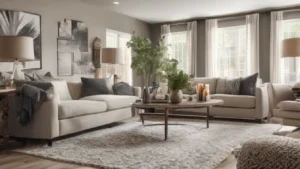
Traditional living room arrangements often push all furniture against walls, creating a hollow center space that doesn’t encourage interaction. Instead, pull seating pieces into the room to create cozy groupings that feel intimate and welcoming.
Start by identifying your room’s focal point—whether it’s a fireplace, large window with a beautiful view, or entertainment center. Arrange your primary seating to face this focal point while ensuring pieces are angled slightly toward each other to promote conversation.
Add secondary seating like accent chairs or a loveseat perpendicular to your main sofa. This L-shaped or U-shaped arrangement creates natural conversation flows while providing multiple seating options for different family activities. Ensure walkways remain clear around furniture groupings to maintain good traffic flow.
Consider floating furniture arrangements in larger rooms. Placing your sofa several feet away from the wall with a console table behind it creates additional surface space while making the seating area feel more intimate. This arrangement works particularly well in open-concept homes where the living room flows into dining or kitchen areas.
Lighting Design for Warmth and Ambiance
Lighting significantly impacts the cozy factor in your family living room. Harsh overhead lighting creates an institutional feel that discourages relaxation, while layered lighting from multiple sources creates warmth and visual interest that draws people together.
Successful family living room lighting includes three layers: ambient lighting for general illumination, task lighting for specific activities, and accent lighting for mood and atmosphere. This combination allows you to adjust lighting levels throughout the day to support different family activities and energy levels.
Table lamps and floor lamps provide warm, diffused lighting that creates intimate pools of light perfect for conversation areas. Position lamps to eliminate harsh shadows on faces while providing adequate light for reading or other activities. Dimmable bulbs allow you to adjust lighting intensity according to time of day and desired mood.
Consider adding string lights or LED strip lighting behind furniture pieces or along architectural features for subtle accent lighting. These gentle light sources add warmth without overwhelming the space and prove especially appealing to children while maintaining sophisticated aesthetics.
Smart Storage Solutions for Clutter-Free Living
Nothing undermines the cozy atmosphere you’re working to create faster than visual clutter and lack of organization. When you transform your living room into a cozy family haven, effective storage solutions become essential for maintaining the peaceful, welcoming environment that brings families together.
The key to successful family living room storage lies in creating systems that are easy for all family members to use while keeping necessary items accessible but organized. This requires a combination of hidden storage, display storage, and quick-cleanup solutions that work with your family’s natural habits rather than against them.
Built-in Storage and Display Options
Built-in storage represents the most efficient use of space while creating custom solutions that perfectly fit your family’s needs and your room’s dimensions. Built-in entertainment centers can incorporate closed storage for games and electronics alongside open shelving for books and decorative items.
Window seat storage benches provide cozy seating while creating hidden storage for seasonal items, extra blankets, or toys. These built-in features add architectural interest while serving multiple functions that support family life.
Floor-to-ceiling built-in bookcases make dramatic focal points while providing extensive storage and display space. Include a combination of open shelving, closed cabinets, and drawers to accommodate different storage needs. Position closed storage at child height for easy access to frequently used items while keeping adult items on higher shelves.
If custom built-ins exceed your budget, consider high-quality modular storage systems that provide similar functionality with more flexibility. Many furniture manufacturers now offer modular pieces that can be combined to create custom storage walls that look built-in while allowing for future reconfiguration.
Stylish Concealed Storage Ideas
Everyday family living generates many items that need storage but shouldn’t be on permanent display. Successful cozy living rooms incorporate attractive storage pieces that hide clutter while contributing to the overall design aesthetic.
Storage ottomans and benches provide hidden space for blankets, throws, games, and seasonal items while serving as extra seating or coffee table surfaces. Choose pieces with solid construction and attractive finishes that complement your furniture and color scheme.
Console tables and sideboards offer surface space for display items while providing concealed storage behind doors or in drawers. Position these pieces along walls or behind seating areas to maximize storage without interfering with conversation areas.
Decorative baskets and woven storage containers provide attractive organization solutions for frequently used items like throw blankets, magazines, or children’s toys. Choose consistent styles and colors to maintain visual cohesion while providing flexible storage that can be easily moved as needed.
Textiles and Soft Furnishings for Ultimate Comfort
The textiles you choose play a crucial role in creating the tactile comfort and visual warmth essential to transforming your living room into a cozy family haven. Soft furnishings add layers of texture, color, and comfort that turn an attractive room into an irresistibly inviting space where family members want to spend time.
Strategic use of textiles allows you to introduce seasonal changes, support different color schemes, and provide varying levels of comfort for different family members and occasions. The key lies in balancing durability with comfort while creating visual interest through texture and pattern mixing.
Selecting Family-Friendly Fabrics
Family living room textiles must withstand frequent use, occasional spills, and regular washing while maintaining their appearance and comfort. This requires choosing fabrics that offer both performance and aesthetic appeal—a balance that has become much easier to achieve with advances in textile technology.
Performance fabrics engineered for high-traffic environments now come in sophisticated colors and textures that rival traditional home décor fabrics. Solution-dyed acrylic fabrics resist staining, fading, and mildew while feeling soft and comfortable against skin. Many performance fabrics can be cleaned with bleach solutions, making them ideal for families with young children or pets.
Natural fiber blends offer comfort and breathability while providing better durability than pure natural fibers. Cotton-polyester blends resist wrinkles and wear while maintaining the soft feel of cotton. Linen-cotton blends provide casual elegance perfect for family living rooms while proving more durable than pure linen.
When selecting upholstery fabrics, look for high double-rub counts (also called Martindale ratings) that indicate durability. Fabrics rated for 30,000 or more double-rubs will withstand family use much better than lighter-weight decorative fabrics designed for low-traffic applications.
Layering Throw Pillows and Blankets
Throw pillows and blankets provide the easiest and most cost-effective way to add comfort, color, and seasonal interest to your family living room. These accessories allow you to experiment with trends and colors without major financial commitments while providing practical comfort for daily family use.
Layer different sizes and shapes of throw pillows to create visual interest and varied comfort options. Mix square pillows with lumbar pillows and round or bolster pillows for dynamic arrangements that provide good back support and comfortable arm rests for different family members.
Choose pillow fabrics in a mix of textures and patterns that complement your room’s color scheme without perfectly matching. This creates more sophisticated, collected-over-time aesthetics that feel personal and inviting rather than overly coordinated. Include some solid colors, some subtle patterns, and perhaps one bold pattern for visual interest.
Provide multiple throw blankets in different weights and textures for year-round comfort. Light cotton or linen throws work well for summer comfort, while wool or fleece blankets provide warmth during cooler months. Choose colors that coordinate with your overall scheme while providing easy care and maintenance.
Incorporating Personal Touches and Family Memories
The difference between a beautiful showroom and a true family haven lies in the personal elements that reflect your family’s unique personality, interests, and shared history. When you transform your living room into a cozy family haven, incorporating meaningful personal touches creates emotional connections that make the space feel genuinely welcoming and authentic.
Successful integration of personal elements requires balancing sentimental items with design cohesion, ensuring your space tells your family’s story without becoming cluttered or overwhelming. This means choosing display pieces thoughtfully and creating attractive arrangements that showcase treasured items while supporting your overall aesthetic goals.
Displaying Family Photos and Artwork
Family photos and children’s artwork provide natural opportunities to personalize your living room while creating conversation starters and cherished focal points. The key lies in presenting these items attractively using consistent framing and thoughtful arrangement principles that create visual impact rather than random wall coverage.
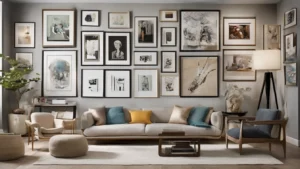
Create gallery walls using frames in consistent colors or finishes, even if frame sizes vary. This unified approach allows you to display multiple photos and pieces while maintaining sophisticated aesthetics. Mix family photos with artwork, children’s creations, and meaningful prints for visual variety while keeping the overall arrangement cohesive.
Consider rotating displays to keep your wall arrangements fresh while accommodating new photos and artwork as your family grows and changes. Create a system for easily switching out pieces, such as using consistent frame sizes that allow for simple photo changes or installing picture ledges that accommodate various sized pieces.
For families with multiple children, designate specific areas where each child’s artwork can be displayed prominently. This creates pride and ownership while ensuring all family members feel represented in the space. Choose attractive frames or display methods that elevate children’s artwork to the same level as professional pieces.
Collections and Meaningful Objects
Collections and meaningful objects add personality and conversation interest to your family living room while reflecting your family’s interests and experiences. Whether you collect books, travel souvenirs, or vintage items, thoughtful display techniques ensure these personal elements enhance rather than overwhelm your space.
Group collections together for visual impact rather than scattering individual pieces throughout the room. This creates intentional focal points while preventing collections from appearing random or cluttered. Use consistent display methods like similar shelving or coordinating containers to unify diverse collections.
Mix collected items with other decorative elements to create balanced arrangements. Combine books with small plants, decorative boxes, and family photos for layered displays that feel curated and intentional. Follow odd-number grouping principles and vary heights for dynamic visual arrangements.
Consider the scale of your collections in relation to your room size and existing furnishings. Large collections may warrant dedicated built-in displays, while smaller collections work well integrated into existing bookcases or console tables. Ensure displayed collections complement your color scheme and overall design aesthetic rather than competing with them.
Lighting Design for Different Times and Moods
Thoughtful lighting design represents one of the most powerful tools for creating the warm, welcoming atmosphere essential to your goal of transforming your living room into a cozy family haven. Different times of day and various family activities require different lighting approaches, making flexible, layered lighting systems crucial for family living spaces.
Professional lighting designers recommend incorporating at least three types of lighting in every room: ambient lighting for general illumination, task lighting for specific activities, and accent lighting for atmosphere and visual interest. This layered approach allows you to customize lighting levels throughout the day while supporting different family activities and moods.
Creating Ambient Lighting for General Comfort
Ambient lighting provides the foundation for your living room’s lighting scheme, offering general illumination that allows safe movement throughout the space while creating overall comfort. This base layer should feel warm and welcoming without creating harsh shadows or glare that discourages relaxation.
Ceiling-mounted fixtures like recessed lights or flush-mount fixtures provide efficient ambient lighting, but they require careful selection to avoid institutional feelings. Choose warm light temperatures (2700K to 3000K) rather than cool white lights, and consider fixtures with diffusers that soften light output.
Installing dimmer switches on ambient lighting allows you to adjust illumination levels throughout the day and for different activities. Bright light supports active family time and homework activities, while dimmed ambient lighting creates intimate atmospheres for relaxation and conversation.
For rooms with limited ceiling lighting options, tall floor lamps with torchiere-style shades provide effective ambient lighting by bouncing light off ceilings. Choose lamps with multiple brightness settings or add dimmer switches to provide lighting flexibility.
Task and Accent Lighting for Functionality and Atmosphere
Task lighting serves specific functional needs like reading, homework, or detailed activities while accent lighting creates visual interest and atmospheric comfort. Successful family living rooms incorporate both types strategically to support various activities while enhancing the cozy atmosphere you’re creating.
Position table lamps and floor lamps near seating areas to provide comfortable reading light without disturbing other family members. Reading lights should illuminate pages without creating glare on screens or in people’s eyes. Adjustable lamps allow multiple family members to customize lighting for their specific needs.
Under-cabinet lighting in built-in bookcases or entertainment centers provides gentle accent lighting that highlights displayed items while contributing to overall room ambiance. LED strip lights work well for this application, offering energy efficiency and minimal heat production.
Candles and battery-operated LED candles add accent lighting that creates immediate cozy atmosphere perfect for family movie nights or quiet evening conversations. Choose unscented options to avoid competing with cooking aromas or other household scents. Group candles of varying heights for visual impact while maintaining safety around children and pets.
Maintaining Your Cozy Family Haven
Creating your ideal family living room represents just the beginning of the journey. Maintaining the cozy, welcoming atmosphere you’ve worked to achieve requires ongoing attention to cleanliness, organization, and seasonal updates that keep your space feeling fresh and inviting for daily family life.
Successful maintenance begins with establishing family routines that support your design goals while being realistic about the natural wear and messiness that comes with active family living. The key lies in creating systems that make maintenance easier rather than fighting against your family’s natural habits and preferences.
Daily and Weekly Cleaning Routines
Maintaining the peaceful, welcoming atmosphere you’ve created requires consistent attention to cleanliness and organization without turning maintenance into a burden that interferes with enjoying your space. Develop realistic cleaning routines that keep your living room looking and feeling its best while being sustainable for busy family schedules.
Implement “10-minute pickup” routines each evening where family members return items to their designated homes and quickly straighten cushions, fold throw blankets, and clear surfaces. This brief daily attention prevents accumulation of clutter that can quickly undermine your carefully designed space.
Establish weekly deeper cleaning routines that maintain the hygiene and appearance of frequently used furnishings. Vacuum upholstered furniture weekly to remove dust and debris, paying special attention to crevices where crumbs and pet hair accumulate. Rotate and flip cushions regularly to ensure even wear patterns.
Create seasonal maintenance schedules for tasks like washing throw pillow covers, deep-cleaning area rugs, and wiping down light fixtures and display items. These periodic deeper cleaning sessions maintain the fresh, cared-for appearance that supports the cozy atmosphere you’ve worked to create.
Seasonal Updates and Refreshes
One advantage of thoughtfully designed family living rooms lies in their flexibility to accommodate seasonal changes and evolving family needs without requiring major renovations. Small updates throughout the year keep your space feeling fresh while allowing you to experiment with new colors, textures, or arrangements.
Switch out throw pillow covers and blankets seasonally to reflect changing weather and family activities. Light, breathable cotton or linen textiles work well during warmer months, while wool, fleece, or faux fur pieces provide extra coziness during cooler seasons. Choose colors that complement your permanent furnishings while adding seasonal interest.
Adjust lighting for seasonal changes in natural daylight patterns. During shorter winter days, increase warm artificial lighting to maintain comfortable illumination levels. Summer months may require less accent lighting during longer daylight hours, allowing you to focus on task lighting for specific activities.
Update plants and natural elements seasonally to bring life and freshness into your space. Spring flowers, summer greenery, autumn branches, and winter evergreens provide natural beauty that connects your interior space with outdoor seasonal changes while adding organic elements that enhance coziness.
What’s the most important factor when transforming a living room into a family haven?
Understanding your family’s specific lifestyle patterns and activities is crucial. Before selecting furniture or colors, observe how your family actually uses the space throughout different times and days to ensure your design decisions support real daily needs rather than just aesthetic goals.
How can I make my living room cozy without spending a lot of money?
Focus on textiles, lighting, and arrangement changes first. Adding warm throw blankets, soft pillows, area rugs, and layered lighting with table and floor lamps creates immediate coziness. Rearranging existing furniture into conversation groupings and decluttering also significantly impacts comfort without requiring purchases.
What colors work best for creating a cozy family living room?
Warm neutrals like soft beiges, creams, and gentle grays create calming foundations that feel cozy rather than stark. Add warmth with accent colors like forest green, terracotta, or rich navy blue. Avoid pure whites or cool grays that can feel institutional rather than welcoming.
How do I choose furniture that works for both adults and children?
Select pieces that serve multiple purposes and age groups simultaneously. Ottoman storage pieces provide seating for children while offering hidden storage and coffee table surfaces for adults. Choose durable constructions with performance fabrics that withstand daily use while remaining comfortable and attractive.
What’s the best way to handle storage in a family living room?
Combine hidden storage with attractive display options. Use storage ottomans, console tables with closed storage, and decorative baskets for items that need to be accessible but not constantly visible. Create easy-to-use systems that all family members can maintain without extensive organization efforts.
How can I create separate areas for different activities in one living room?
Use furniture arrangement and area rugs to define distinct zones without walls. Create a primary seating area for TV watching, a secondary space with comfortable chairs for reading, and designate spots for children’s activities. Ensure clear walkways between zones for natural traffic flow.
What lighting mistakes should I avoid in a cozy family living room?
Avoid relying solely on overhead lighting, which creates harsh, institutional feelings. Don’t use cool white bulbs that feel clinical rather than warm. Include multiple light sources at different heights—table lamps, floor lamps, and accent lighting create layered, cozy illumination that supports various activities and moods.
How often should I update or refresh my family living room design?
Make small seasonal updates with throw pillows, blankets, and accessories to keep the space feeling fresh. Consider more significant changes every 3-5 years as children grow and family needs evolve. Focus on updates that enhance functionality rather than following every design trend, ensuring long-term satisfaction with your investment.
## Conclusion: Your Journey to Creating a True Family Sanctuary
Successfully transforming your living room into a cozy family haven requires more than following design trends or copying magazine photos—it demands understanding your family’s unique needs, lifestyle patterns, and dreams for how you want to live together. Throughout this comprehensive guide, we’ve explored proven strategies for creating spaces that serve real family life while maintaining the beauty and comfort that makes a house feel like home.
The most successful family living room transformations combine thoughtful planning with flexibility, allowing spaces to evolve as families grow and change. By focusing on quality furniture pieces that serve multiple purposes, implementing effective storage solutions that support organization without sacrificing style, and creating lighting and color schemes that promote both relaxation and activity, you can create a space that truly serves as your family’s emotional and physical gathering place.
Remember that creating your ideal family haven is an ongoing process rather than a one-time project. Start with the foundational elements we’ve discussed—assessing your family’s needs, establishing effective furniture arrangements, and implementing storage systems that support daily life. Then layer in the comfort elements like thoughtful lighting, cozy textiles, and personal touches that reflect your family’s unique personality and shared experiences.
The investment you make in creating a thoughtfully designed, truly functional family living room will pay dividends in countless family moments, easier daily routines, and a home that feels like a sanctuary for every family member. Your transformed space will become the backdrop for homework sessions, movie nights, holiday gatherings, and the everyday moments that make up family life, supporting connection and comfort for years to come.
Take the first step by implementing one or two strategies from this guide, then gradually build upon your successes as your comfort and confidence grow. Your family’s perfect living room awaits—a space where style and function unite to create lasting memories and daily comfort for everyone you love.
—
Content Disclaimer
The information provided in this article is for educational and inspirational purposes only. Interior design and home renovation decisions should be based on your specific family needs, budget constraints, and living situation. Results may vary based on individual circumstances, existing home conditions, and local building requirements. For structural changes, electrical work, or major renovations, always consult qualified professionals to ensure safety and code compliance.
Categories
- Accent Walls & Ceilings (84)
- Art Curation & Gallery (83)
- Bedding Style Trends (89)
- Bedroom Makeover (96)
- Bohemian & Eclectic Styles (80)
- DIY & Budget-Friendly Decor (78)
- Eco-Friendly Design (83)
- Furniture Care (87)
- Home Decor & Design Ideas (181)
- Home Wellness Spaces (103)
- Integrated Outdoor Living (91)
- Japandi Style (84)
- Kids and Nursery Decor (73)
- Living Room Decor (99)
- Mix & Match Techniques (95)
- Modern & Contemporary Design (88)
- Rug Sizing & Placement (89)
- Scandinavian Design Inspiration (51)
- Seasonal Home Decor (100)
- Small Space Solutions (93)
- Wall Art & Painting Tips (94)
Recent Comments
Archives
Product Gallery
-
 Majestic African Wildlife Canvas Art for Stylish Home Decor
Rated 5.00 out of 5
Majestic African Wildlife Canvas Art for Stylish Home Decor
Rated 5.00 out of 5 -
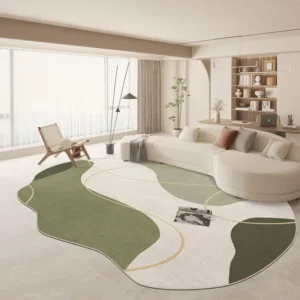 Cozy Irregular Green Plush Rug for Nordic Living Spaces
Rated 5.00 out of 5$33.00 – $204.00Price range: $33.00 through $204.00
Cozy Irregular Green Plush Rug for Nordic Living Spaces
Rated 5.00 out of 5$33.00 – $204.00Price range: $33.00 through $204.00 -
 Scandinavian Geometric Area Rugs for Stylish Home Décor
Rated 5.00 out of 5$25.00 – $366.00Price range: $25.00 through $366.00
Scandinavian Geometric Area Rugs for Stylish Home Décor
Rated 5.00 out of 5$25.00 – $366.00Price range: $25.00 through $366.00