


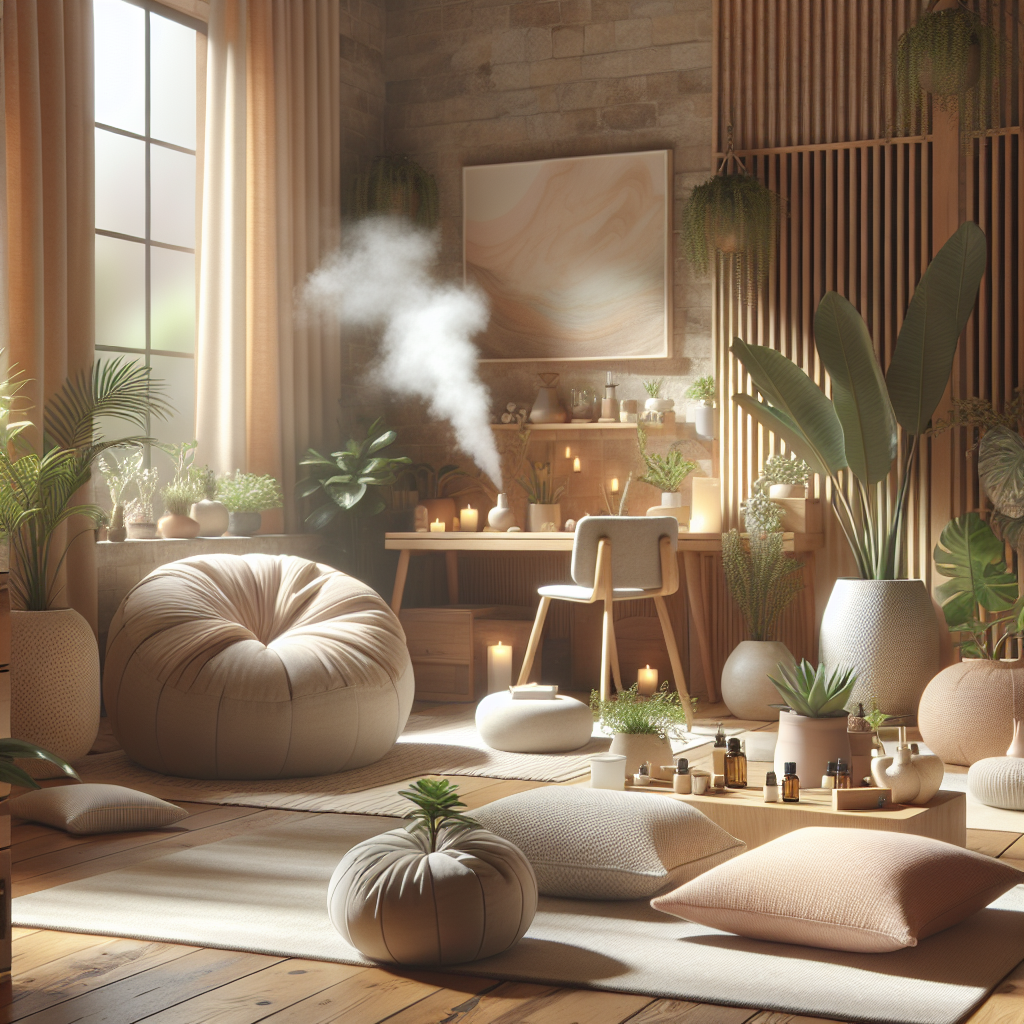

In today’s remote working world, your home office can significantly affect your physical and mental well-being. Did you know that over 80% of home-based employees experience discomfort due to improper ergonomics? This guide will help you set up an ideal workspace that promotes wellness, increases productivity, and enhances overall satisfaction.
You’ll learn essential tips on creating an ergonomic setup, selecting invigorating decor, incorporating wellness practices into your routine, and maintaining a clutter-free environment. Let’s explore how to transform your home office into a sanctuary of health and productivity.
1. Ergonomic Office Setup
Understanding Ergonomics
Ergonomics is the science of designing your workspace to fit you, reducing strain on your body. A well-designed office allows you to work comfortably for long hours.
Chair Selection
Your chair should support your back, promote a good posture, and allow your feet to rest flat on the floor. Look for adjustable options that fit your height.
Desk Height
The desk should be at elbow height. If you’re sitting down, your elbows should form a 90-degree angle. Consider adjustable standing desks for versatility.
Keyboard and Monitor Position
Position your keyboard at a height that keeps your wrists straight. The monitor should be eye-level; this prevents straining your neck and eyes.
Personal Ergonomic Assessment
- Stand up to stretch every hour.
- Use a footrest if your feet don’t touch the floor.
- Take breaks every 30 minutes to minimize fatigue.
2. Aesthetics and Decor for Mental Health
Choosing Calming Colors
Colors significantly influence mood. Soft blues and greens promote tranquility, while yellows can enhance creativity. Choose a color palette that reflects your desired ambiance.
Adding Greenery
Plants aren’t just decor; they improve air quality and uplift your mood. Consider low-maintenance options like snake plants or pothos.
Lighting Considerations
Natural light can elevate your mood and productivity. Position your workspace near a window, and use warm light to soften shadows when the sun goes down.
Personal Touches and Motivation
Include personal items like photos or art that inspires and motivates you. Keep them in sight to boost your mood during tough days.
3. Incorporating Wellness Practices
Mindfulness Techniques
Incorporate 10-minute mindfulness exercises into your routine. Apps like Headspace or Calm can guide you in starting your day with mindfulness.
Healthy Snacks and Hydration
Keep healthy snacks within reach. Opt for nuts, fruits, or yogurt. Stay hydrated with water or herbal teas to enhance mental clarity.
Movement Breaks
Sitting for long periods can lead to fatigue. Schedule short movement breaks; try stretching, a quick walk, or standing up while on calls.
4. Organizing Your Space for Clarity
The Declutter Effect
A cluttered space can lead to a cluttered mind. Regularly organize your desk. Invest in storage solutions to keep necessary items accessible yet tidy.
Daily Planning and To-Do Lists
Create a daily to-do list. A planner helps you stay focused on your goals, preventing overwhelming feelings and increasing productivity.
Digital Organization
Keep your digital workspace organized. Use tools like Trello or Asana for project management, ensuring your tasks are clearly defined and manageable.
5. Tools and Resources for a Healthy Home Office
Ergonomic Equipment
Explore ergonomic keyboards and mouse options to reduce strain. Popular brands like Logitech offer a variety of ergonomic solutions.
Productivity Apps
Apps such as Focus@Will provide background music to enhance concentration, while Pomodoro timers can help you maintain structured work intervals.
Inspirational Books and Podcasts
Consider diving into books like “The 7 Habits of Highly Effective People” or subscribe to podcasts that focus on productivity and wellness in work environments.
Frequently Asked Questions
What are the key components of a healthy home office?
Your home office should include ergonomic furniture, inspiring decor, wellness practices, and organized workspace to enhance productivity.
How often should I take breaks while working from home?
Taking breaks every 30-60 minutes is recommended. Short walks or stretches can vastly improve focus and decrease fatigue.
Which plants are best for improving air quality?
Snake plants, spider plants, and peace lilies are excellent choices for purifying the air in your home office.
How can I personalize my home office without creating clutter?
Choose a few meaningful items that resonate with you and rotate them periodically. This keeps your space fresh while avoiding clutter.
Why is color important in a workspace?
Color impacts mood and productivity. Calming colors, like blue, promote focus, while energizing colors, like yellow, spark creativity.
Setting up a healthy home office is not just about aesthetics; it’s about cultivating an environment that nurtures your well-being. By focusing on ergonomic design, incorporating personal touches, embracing wellness practices, and maintaining organization, you can vastly improve your daily work experience. Remember, a happy workspace leads to a happy life!
Ready to transform your home office? Check out our related articles for more in-depth insights and tips on optimizing your workspace for ultimate wellness.
Content Disclaimer
Information provided for educational purposes only. Not professional health or financial advice; please consult appropriate professionals.
Categories
- Accent Walls & Ceilings (84)
- Art Curation & Gallery (83)
- Bedding Style Trends (89)
- Bedroom Makeover (96)
- Bohemian & Eclectic Styles (80)
- DIY & Budget-Friendly Decor (78)
- Eco-Friendly Design (83)
- Furniture Care (87)
- Home Decor & Design Ideas (181)
- Home Wellness Spaces (103)
- Integrated Outdoor Living (91)
- Japandi Style (84)
- Kids and Nursery Decor (73)
- Living Room Decor (99)
- Mix & Match Techniques (95)
- Modern & Contemporary Design (88)
- Rug Sizing & Placement (89)
- Scandinavian Design Inspiration (51)
- Seasonal Home Decor (100)
- Small Space Solutions (93)
- Wall Art & Painting Tips (94)
Recent Comments
Archives
Product Gallery
-
 Majestic African Wildlife Canvas Art for Stylish Home Decor
Rated 5.00 out of 5
Majestic African Wildlife Canvas Art for Stylish Home Decor
Rated 5.00 out of 5 -
 Cozy Irregular Green Plush Rug for Nordic Living Spaces
Rated 5.00 out of 5$33.00 – $203.00Price range: $33.00 through $203.00
Cozy Irregular Green Plush Rug for Nordic Living Spaces
Rated 5.00 out of 5$33.00 – $203.00Price range: $33.00 through $203.00 -
 Scandinavian Geometric Area Rugs for Stylish Home Décor
Rated 5.00 out of 5$25.00 – $365.00Price range: $25.00 through $365.00
Scandinavian Geometric Area Rugs for Stylish Home Décor
Rated 5.00 out of 5$25.00 – $365.00Price range: $25.00 through $365.00