






In our fast-paced world, the pursuit of a genuinely restful night’s sleep often feels like chasing a mirage. We’re bombarded by late-night notifications, blue light from screens, and the relentless hum of modern life. It’s no wonder that millions struggle with sleep issues, ranging from occasional tossing and turning to chronic insomnia. But what if the key to unlocking consistent, restorative sleep wasn’t just about counting sheep or taking pills, but about intentionally **designing for better sleep hygiene**?
Sleep hygiene is more than just going to bed early; it’s a holistic approach encompassing your daily habits, your environment, and your mindset concerning sleep. When your sleep hygiene is optimized, your body and mind can truly recuperate, leading to improved mood, sharper cognitive function, stronger immunity, and an overall enhanced quality of life. This guide will walk you through the science, the strategies, and the practical steps to transform your sleep landscape, turning restless nights into peaceful slumber. You’ll discover how small, intentional changes can lead to profound improvements in your sleep health, energy levels, and daily productivity. Prepare to reclaim your nights and wake up feeling truly refreshed.
Understanding Sleep Hygiene: The Foundation of Restful Nights
Before we dive into design elements, it’s crucial to grasp what sleep hygiene truly means. It refers to a variety of practices and habits that are necessary to have good nighttime sleep quality and full daytime alertness. Think of it as a set of behaviors you can control to influence your sleep. Poor sleep hygiene contributes to a myriad of health problems, from obesity and heart disease to diabetes and mental health disorders. Conversely, consistent, high-quality sleep is a pillar of good health, as vital as diet and exercise.
The Science Behind Quality Sleep
Our bodies operate on a sophisticated internal clock, the circadian rhythm, which regulates sleep-wake cycles. This rhythm is heavily influenced by light exposure, meal times, and physical activity. When your habits are out of sync with this natural rhythm, sleep suffers. Sleep isn’t just a passive state; it’s an active process where your body repairs itself, consolidates memories, and flushes out toxins. There are distinct stages of sleep – non-REM (NREM) and REM (Rapid Eye Movement) – each playing a vital role. NREM sleep is critical for physical restoration and growth, while REM sleep is essential for cognitive functions like memory consolidation and emotional regulation. Disruptions to these cycles, often due to poor sleep hygiene, prevent your body from completing its vital restorative tasks.
Common Sleep Disruptors and Their Impact
Many factors sabotage our ability to get quality sleep. Understanding them is the first step toward **designing for better sleep hygiene**.
- Screen Time: The blue light emitted from phones, tablets, and computers suppresses melatonin production, the hormone that signals your body it’s time to sleep.
- Caffeine and Alcohol: While alcohol might initially induce drowsiness, it fragments sleep later in the night. Caffeine, even hours before bedtime, can significantly delay sleep onset.
- Irregular Schedule: Going to bed and waking up at different times confuses your circadian rhythm, making it harder to fall asleep consistently.
- Uncomfortable Sleep Environment: A noisy, bright, or overly warm bedroom directly interferes with your ability to relax and stay asleep.
- Stress and Anxiety: A racing mind is a common culprit for sleepless nights. The inability to switch off thoughts keeps your body in a state of alert.
- Lack of Physical Activity: While excessive exercise too close to bedtime can be disruptive, a sedentary lifestyle often leads to less consolidated sleep.
Pillar 1: The Ideal Sleep Environment – Designing Your Bedroom Sanctuary
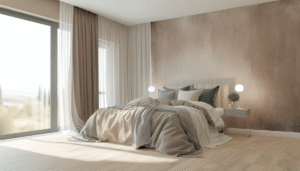
Your bedroom is more than just a place to sleep; it’s your personal sanctuary, a space designed exclusively for rest and rejuvenation. The environment plays a monumental role in your ability to fall asleep quickly and stay asleep soundly. Optimizing your bedroom for sleep involves a multi-faceted approach focusing on comfort, darkness, quiet, and temperature.
Optimizing Temperature: The Cool Truth
The optimal bedroom temperature for most adults is between 60 and 67 degrees Fahrenheit (15.6 to 19.4 degrees Celsius). Why? Your body temperature naturally drops to initiate sleep, and a cool environment supports this process. A room that’s too warm can lead to discomfort, sweating, and frequent awakenings. Consider these steps for temperature control:
- Thermostat Settings: Program your thermostat to automatically adjust to your ideal sleep temperature a couple of hours before bedtime.
- Bedding Choice: Opt for breathable, natural fibers like cotton, linen, or bamboo for sheets and pajamas. These materials wick away moisture and regulate temperature better than synthetic alternatives. Layering blankets allows for easy adjustment throughout the night.
- Ventilation: Ensure good airflow. Open a window slightly if safe and practical, or use a ceiling fan to circulate air.
- Curtains/Blinds: Insulated or blackout curtains can help keep heat out during warmer months and in during colder ones, contributing to temperature stability.
Embracing Darkness: Banish the Light
Light is the most powerful cue for our circadian rhythm. Exposure to light, especially blue light, signals to our brain that it’s daytime, suppressing melatonin production. A truly dark room is essential for deep, restorative sleep.
- Blackout Curtains or Blinds: These are non-negotiable for anyone serious about sleep. They block out external light from streetlights, cars, and even the early morning sun.
- Eliminate Light Sources: Cover or remove LED lights from electronics (clocks, chargers, TVs). Even a tiny pinprick of light can be disruptive. Use electrical tape or buy small light-blocking stickers.
- Eye Mask: If complete darkness isn’t possible, a comfortable eye mask can be an effective alternative. Look for contoured masks that don’t put pressure on your eyes.
- Prepare for the Morning: If you need light to wake up, consider smart lighting systems that gradually increase brightness or a “wake-up light” alarm clock that simulates a sunrise.
Cultivating Quiet: Silence is Golden
Noise pollution, whether from outside traffic or a snoring partner, can significantly impair sleep quality. Even noises you don’t consciously register can cause “micro-arousals” that disrupt sleep architecture.
- Soundproofing: Heavy drapes, rugs, and even strategically placed furniture can absorb sound. For more serious noise issues, consider window inserts or professional soundproofing.
- White Noise Machine: A white noise machine or fan can mask disruptive sounds by providing a consistent, soothing background hum. Avoid sound machines with fluctuating nature sounds that might be stimulating.
- Earplugs: High-quality earplugs can be incredibly effective, especially for light sleepers or those in noisy environments. Experiment with different types (foam, silicone, custom-molded) to find the most comfortable fit.
- Addressing Internal Noises: If a snoring partner is the issue, discuss solutions like separate beds, anti-snore devices, or medical consultation.
Mattress and Pillow Nirvana: Investing in Comfort
Your mattress and pillow are arguably the most critical components of your sleep environment. They directly support your spine and neck, impacting comfort and preventing aches and pains that can disrupt sleep.
- Mattress Longevity: Most mattresses have a lifespan of 7-10 years. If yours is causing discomfort, sagging, or you wake up with aches, it’s likely time for an upgrade.
- Firmness Preference: There’s no one-size-fits-all. The best mattress supports your natural spinal alignment. Side sleepers often prefer softer mattresses for hip and shoulder cushioning, back sleepers need a medium-firm, and stomach sleepers a firmer surface.
- Pillow Support: Your pillow should fill the gap between your head/neck and the mattress, keeping your spine in a neutral position. Side sleepers often need a thicker pillow, back sleepers a medium-thickness, and stomach sleepers a very thin or no pillow.
- Trial Periods: Many reputable mattress and pillow companies offer generous in-home trial periods, allowing you to test products for weeks or months. This is invaluable.
Declutter and Decorate: Aesthetics for Serenity
A cluttered, chaotic bedroom can contribute to mental clutter and stress, making it harder to relax. Designing for serenity involves thoughtful organization and calming aesthetics.
- Minimalism: Keep surfaces clear. Use storage solutions like drawers, baskets, and wardrobes to keep items out of sight. A clear room promotes a clear mind.
- Soothing Color Palette: Opt for calming colors. Blues, greens, and muted neutrals evoke tranquility. Avoid bright, stimulating colors.
-
Aromatherapy for Sleep
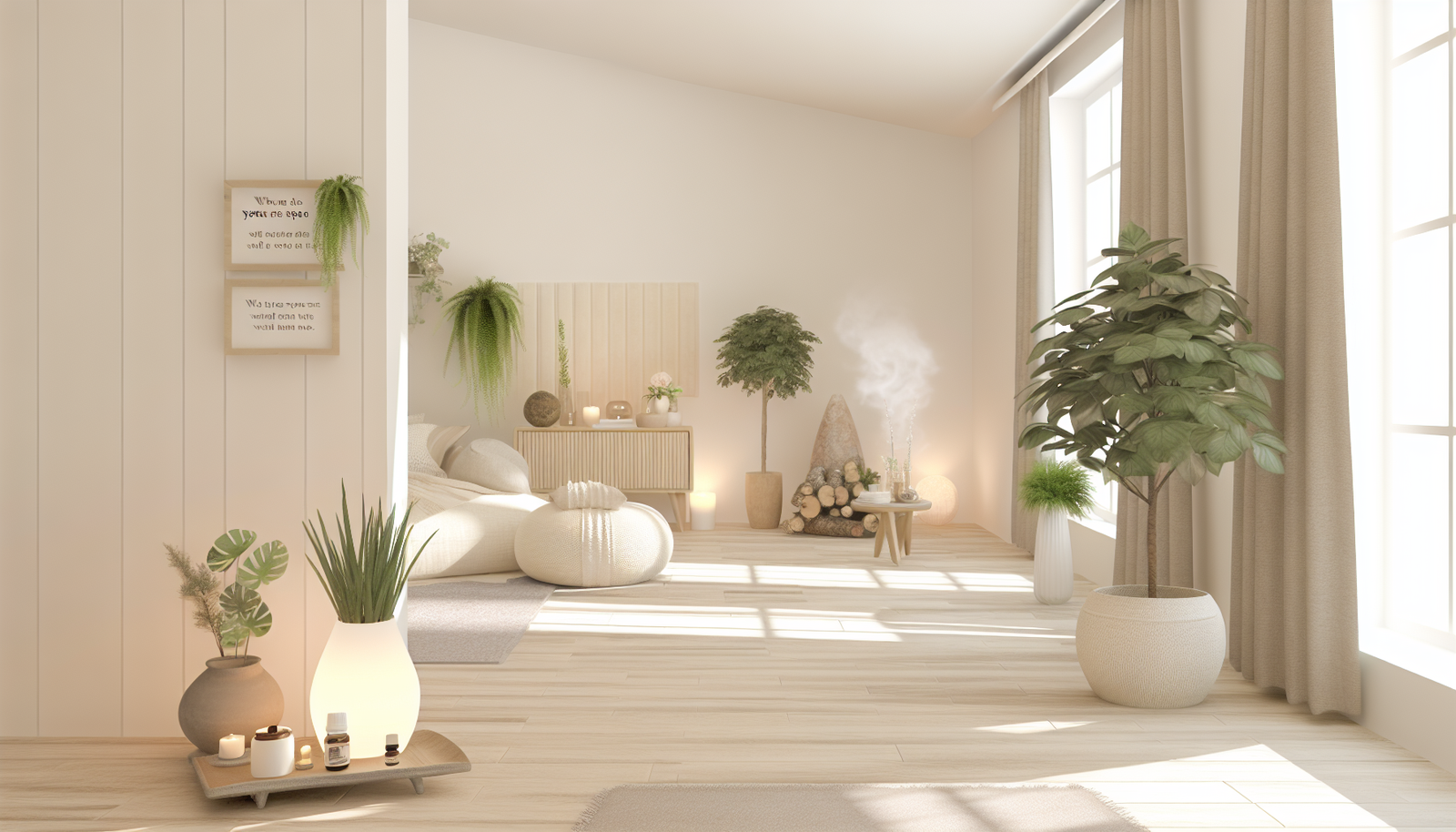
Certain essential oils can promote relaxation. Lavender, chamomile, cedarwood, and vetiver are popular choices. Use a diffuser (turn it off before sleep or use one with a timer), or dilute oils and apply a tiny amount to pulse points. Always ensure proper ventilation and check for allergic reactions.
- Smart Layout: Arrange furniture to maximize space and create a flow that feels open and inviting. Position your bed as the focal point.
- Personal Touches: Add elements that bring you peace, like a favorite piece of art, photographs, or a healthy plant, but avoid excessive adornment.
Pillar 2: Pre-Sleep Rituals – Habits for Tranquility
The hour or so before bed is a golden opportunity to signal to your body and mind that it’s time to wind down. A consistent, calming pre-sleep ritual is a cornerstone of effective **sleep hygiene**. This isn’t about rigid rules, but about creating sustainable patterns that promote relaxation.
The Digital Sunset: Unplugging for Rest
This is perhaps the most challenging, yet most impactful, habit to adopt in our digital age. The blue light from screens (phones, tablets, computers, TVs) suppresses melatonin and keeps your brain active. Aim for a “digital sunset” at least an hour, ideally 90 minutes, before your target bedtime.
- Create a Charging Station: Charge all devices outside the bedroom. This physically removes the temptation to scroll.
- Analog Alternatives: Read a physical book, listen to a podcast or soothing music, or engage in a quiet hobby.
- Mindful Consumption: Avoid emotionally charged content, news, or work-related tasks close to bedtime.
Wind-Down Activities: From Wired to Relaxed
Replace screen time with activities that promote a state of calm. These are deeply personal, so experiment to find what resonates with you.
- Warm Bath or Shower: The drop in body temperature after leaving a warm bath can induce sleepiness. Add Epsom salts for muscle relaxation.
- Gentle Stretching or Yoga: A few minutes of gentle stretches or restorative yoga poses can release physical tension. Avoid vigorous exercise.
- Reading (Physical Book): Losing yourself in a good story provides an escape from daily worries.
- Listening to Calming Music or Podcasts: Choose instrumental music, nature sounds, or sleep-focused audio content.
- Journaling: If your mind is racing with worries or to-do lists, journaling can help you offload thoughts onto paper, clearing your mind for sleep.
Mindfulness and Meditation: Calming the Inner Storm
For many, the biggest barrier to sleep is an overactive mind. Mindfulness and meditation practices can train your brain to quiet down and reduce anxiety.
- Guided Meditations: Numerous apps (like Calm, Headspace, Insight Timer) offer guided meditations specifically designed for sleep.
- Deep Breathing Exercises: Techniques like the 4-7-8 breathing method (inhale 4, hold 7, exhale 8) can activate the parasympathetic nervous system, inducing relaxation.
- Body Scan: Lie in bed and deliberately focus your attention on different parts of your body, noticing sensations without judgment, promoting a sense of release.
Pillar 3: Daily Habits – The Day-Night Connection
Sleep hygiene isn’t just about what you do right before bed; it’s about what you do throughout your entire day. Our daily routines significantly influence our circadian rhythm and our ability to sleep well at night. By **designing for better sleep hygiene** during the day, you set the stage for success at night.
Consistent Sleep Schedule: The Rhythmic Anchor
This is arguably the single most important daily habit for strong sleep hygiene. Going to bed and waking up at roughly the same time every day, even on weekends, reinforces your body’s natural sleep-wake cycle.
- Pick a Consistent Wake-Up Time: This is more important than your bedtime. Your body learns to expect to wake up at this time.
- Gradual Adjustments: If you need to shift your schedule, do so by 15-minute increments each night until you reach your target.
- Weekend Consistency: While tempting to sleep in, try to limit weekend lie-ins to no more than an hour past your weekday wake-up time. Longer deviations can cause “social jet lag.”
Light Exposure: Harnessing Nature’s Clock
Strategic light exposure throughout the day is critical for regulating your circadian rhythm.
- Morning Light: Get at least 15-30 minutes of natural light exposure within an hour of waking up. Step outside, open curtains wide, or have breakfast near a window. This signals to your brain that the day has begun and helps suppress melatonin.
- Daytime Brightness: Work in well-lit environments. Minimize dim lighting during the day.
- Evening Dimming: As mentioned in environmental design, dim lights in your home in the hours leading up to bedtime. Use warm-toned light bulbs.
Diet and Hydration: Fueling Rest
What and when you eat and drink profoundly impacts your sleep.
- Caffeine Cut-Off: Avoid caffeine (coffee, tea, energy drinks, chocolate) at least 6-8 hours before bedtime. For some, even a morning coffee can linger into the evening.
- Alcohol Moderation: While alcohol can make you feel drowsy, it disrupts sleep architecture, particularly REM sleep, leading to fragmented, non-restorative sleep later in the night. Limit consumption and avoid it within 3-4 hours of bedtime.
- Heavy Meals: Avoid large, heavy, or spicy meals close to bedtime, as your body will be busy digesting rather than preparing for sleep. Aim to finish your last meal 2-3 hours before bed.
- Sugary Snacks: Sugary foods cause blood sugar spikes and crashes that can disrupt sleep.
- Hydration: Stay well-hydrated throughout the day, but limit fluids in the last 1-2 hours before bed to avoid nighttime bathroom trips.
Exercise: Move to Sleep Better
Regular physical activity is a powerful sleep aid. It reduces stress, improves overall health, and increases the quality of deep sleep.
- Timing is Key: Aim for moderate to vigorous exercise earlier in the day. Finish intense workouts at least 3-4 hours before bedtime. Exercising too close to bed can elevate body temperature and stimulate your nervous system, making it harder to fall asleep.
- Consistency: Even short, consistent bursts of activity are beneficial. A brisk 30-minute walk several times a week can make a difference.
- Find What You Enjoy: Whether it’s swimming, cycling, dancing, or team sports, choose activities you genuinely enjoy to make consistency easier.
Napping Wisely: The Power Nap Decoded
Naps can be beneficial for boosting alertness and performance, but they need to be strategically timed to avoid interfering with nighttime sleep.
- Short and Sweet: Limit naps to 20-30 minutes to avoid falling into deep sleep, which can lead to grogginess (sleep inertia).
- Early Afternoon: The best time for a nap is typically in the early afternoon (e.g., 1 PM to 3 PM), aligning with the natural dip in alertness most people experience.
- Avoid Late Naps: Napping too late in the day can reduce your sleep drive at night, making it harder to fall asleep when it counts.
- Not for Everyone: If you struggle with insomnia, avoiding naps altogether until your nighttime sleep is consistently good may be advisable.
Pillar 4: Mental Wellness – Quieting the Mind for Rest
Often, the biggest barrier to sleep isn’t physical discomfort but a restless, anxious mind. Strategies for mental wellness are essential components when **designing for better sleep hygiene**. Managing stress, anxiety, and intrusive thoughts can dramatically improve your ability to fall asleep and stay asleep.
Stress Management Techniques: Unwinding Before Unwinding
Stress activates the “fight or flight” response, making it impossible for your body to relax for sleep. Incorporating stress-reducing practices throughout your day, and especially in the evening, is vital.
- Prioritize and Delegate: Don’t try to do everything yourself. Break down big tasks, prioritize, and delegate responsibilities where possible.
- Mind-Dumping: If your mind is racing with tasks or worries, write them down. Create a to-do list for the next day, or briefly jot down anxieties. This gets them out of your head.
- Setting Boundaries: Learn to say no to commitments that overextend you. Protect your time, especially your evenings.
- Social Connection: While not right before bed, positive social interactions during the day can reduce feelings of isolation and stress.
Cognitive Behavioral Therapy for Insomnia (CBT-I): A Powerful Tool
CBT-I is often considered the gold standard treatment for chronic insomnia. It’s a structured program that helps identify and replace thoughts and behaviors that cause or worsen sleep problems with habits that promote sound sleep. It’s an evidence-based approach that addresses the underlying causes of insomnia.
- Key Components:
- Sleep Restriction: Temporarily reducing time in bed to increase sleep drive.
- Stimulus Control: Disassociating the bed/bedroom from wakefulness and anxiety (e.g., only use bed for sleep and sex; get out of bed if awake after 20 minutes).
- Cognitive Restructuring: Challenging and changing negative thoughts and beliefs about sleep.
- Relaxation Training: Techniques like progressive muscle relaxation and diaphragmatic breathing.
- Sleep Hygiene Education: Reinforcing the principles outlined in this guide.
- Professional Guidance: CBT-I is typically delivered by a therapist or sleep specialist. Online programs and apps can also be effective.
Addressing Nighttime Anxiety and Rumination
For many, anxiety or a churning mind becomes most pronounced when the lights go out. These strategies help.
- Scheduled Worry Time: Carve out 15-20 minutes earlier in the evening (not right before bed) to consciously worry or plan. Write down concerns and potential solutions, then mentally “close the book” on them for the night.
- Acceptance and Commitment Therapy (ACT): ACT-based techniques can help you observe thoughts and feelings without getting entangled in them, allowing them to pass rather than dwelling.
- Gratitude Practice: Ending your day by reflecting on things you’re grateful for can shift your mindset from stress to positivity.
Troubleshooting Common Sleep Issues: When Hygiene Isn’t Enough
While **designing for better sleep hygiene** is incredibly effective for most, sometimes underlying issues require more specific attention. It’s essential to recognize when to seek professional help.
Insomnia: Chronic Sleeplessness
If you consistently struggle to fall asleep, stay asleep, or wake up too early and feel unrefreshed, and these issues occur at least three nights a week for three months or more, you may have chronic insomnia. While sleep hygiene is the first line of defense, a professional can provide targeted treatments.
- When to Seek Help: If sleep issues are significantly impacting your daytime functioning, mood, or health, consult your doctor.
- Treatment Options: Beyond CBT-I, your doctor might explore short-term medication (used cautiously), or investigate underlying medical conditions.
Sleep Apnea: The Dangerous Snore
Sleep apnea is a serious condition where breathing repeatedly stops and starts during sleep. Symptoms include loud snoring, gasping for air, daytime fatigue, and morning headaches. It’s often diagnosed via a sleep study (polysomnography).
- Symptoms: Loud snoring, observed pauses in breathing, daytime sleepiness, morning headaches, dry mouth, irritability.
- Risks: Untreated sleep apnea increases the risk of high blood pressure, heart attack, stroke, and diabetes.
- Treatment: Continuous Positive Airway Pressure (CPAP) therapy, oral appliances, lifestyle changes (weight loss, avoiding alcohol), and in some cases, surgery.
Restless Legs Syndrome (RLS): The Irresistible Urge
RLS causes an uncontrollable urge to move the legs, usually accompanied by uncomfortable sensations (creeping, crawling, tingling). Symptoms typically worsen in the evening and at night, making it difficult to fall asleep.
- Symptoms: Unpleasant sensations in legs, strong urge to move, symptoms worsen at rest and improve with movement, worse at night.
- Management: Lifestyle changes (exercise, avoiding caffeine/alcohol), warm baths, massage, iron supplements (if deficient), and medication.
Narcolepsy: Sudden Sleep Attacks
Narcolepsy is a chronic neurological condition characterized by overwhelming daytime sleepiness and sudden attacks of sleep. Other symptoms include cataplexy (sudden loss of muscle tone triggered by strong emotions), sleep paralysis, and hallucinations.
- Symptoms: Excessive daytime sleepiness, cataplexy, sleep paralysis, vivid dreams.
- Diagnosis & Treatment: Diagnosed with sleep studies. Treatment often involves lifestyle adjustments and medications to manage symptoms.
Always consult a healthcare professional if you suspect you have a sleep disorder or if your sleep hygiene efforts aren’t yielding significant improvements. A proper diagnosis is the first step toward effective treatment. The Sleep Foundation offers excellent resources for understanding various sleep disorders.
Future of Sleep: Innovation in Sleep Hygiene
The field of sleep science is constantly evolving, bringing new technologies and insights to help us optimize our rest. While the core principles of **designing for better sleep hygiene** remain timeless, innovation continues to offer exciting tools.
Wearable Sleep Trackers: Insights into Your Night
Devices like Oura Ring, Whoop, and smartwatches track various metrics (heart rate variability, deep sleep, REM sleep, restlessness, skin temperature) to provide a snapshot of your sleep quality.
- Pros: Offer data to identify patterns, motivate consistent routines, and can highlight potential issues.
- Cons: Not always medically precise, some users experience anxiety from “too much data,” accuracy varies. Always understand the data in context.
Smart Beds and Mattresses: Personalized Comfort
These come with adjustable firmness, temperature control zones, and even snore detection with automatic head elevation (e.g., Sleep Number 360, Eight Sleep Pod).
- Benefits: Highly customizable comfort, real-time adjustments, integrated tracking.
- Considerations: High cost, technology can be complex, may not completely alleviate severe sleep issues.
Lighting Innovations: Beyond Blackout
LED lighting systems are becoming more sophisticated, allowing for precise control of color temperature and brightness to mimic natural light cycles.
- Circadian Lighting: Systems that automatically shift from bright, cool light during the day to warm, dim light in the evening promote melatonin production.
- Sunrise Simulators: Alarm clocks that gradually brighten your room, mimicking a natural sunrise for a gentler wake-up.
AI and Personalized Sleep Coaching
Emerging applications use AI to analyze sleep data and provide personalized recommendations for improving sleep hygiene, often integrating with wearable tech.
- Potential: Tailored advice based on individual patterns, proactive suggestions.
- Current State: Still developing, but shows promise for future personalized sleep interventions.
Frequently Asked Questions About Sleep Hygiene
What is the ideal sleep duration for adults?
The National Sleep Foundation recommends that adults aged 18-64 aim for 7-9 hours of sleep per night. For older adults (65+), 7-8 hours is recommended. However, individual needs can vary slightly based on genetics, activity levels, and overall health. Aim for the amount that makes you feel well-rested and alert the next day.
Can napping affect my sleep hygiene?
Yes, naps can impact your sleep hygiene. While short, strategic power naps (20-30 minutes) in the early afternoon can boost alertness, long or late-afternoon naps can reduce your “sleep drive” at night. This makes it harder to fall asleep and stay asleep during your regular bedtime, disrupting your natural circadian rhythm.
How long does it take to improve sleep hygiene?
The time it takes to see improvements varies by individual and the severity of existing sleep issues. Some people notice changes within a few days of implementing new habits, while for others, it might take a few weeks or even months of consistent effort. Patience and persistence are key, as establishing strong sleep hygiene is a marathon, not a sprint.
Is it okay to use my phone in bed if I use a blue light filter?
While blue light filters on phones and devices can reduce melatonin suppression, using your phone in bed still isn’t ideal for sleep hygiene. The stimulating nature of content (emails, social media, news) can keep your mind active and alert, making it harder to relax and fall asleep. It’s best to unplug from all screens at least an hour before bedtime.
What are some simple changes I can make tonight for better sleep?
Start with these immediate actions: turn off all screens (phone, TV, tablet) at least an hour before bed, ensure your bedroom is as dark as possible, lower the thermostat to a cool temperature (around 65°F), and avoid any caffeine or alcohol in the late afternoon/evening. Consistency with a regular bedtime and wake-up time is also foundational.
Does diet truly influence sleep quality?
Absolutely. What and when you eat can significantly impact your sleep. Heavy, fatty, or spicy meals close to bedtime can cause indigestion. Caffeine too late in the day acts as a stimulant, and alcohol, while initially sedating, fragments sleep. Conversely, certain foods rich in tryptophan (like turkey or milk) or magnesium (leafy greens) can support healthy sleep when consumed appropriately.
Should I take melatonin supplements for better sleep?
Melatonin is a hormone your body naturally produces to regulate sleep-wake cycles. Supplements can be helpful in specific circumstances, such as for jet lag or shifting sleep schedules. However, they are not a cure-all for chronic insomnia and should be used cautiously. Always consult a healthcare professional before starting any supplement, as dosages vary and it’s important to understand potential interactions or underlying issues. For most, establishing strong sleep hygiene is more effective for long-term sleep health than relying on supplements.
Conclusion: Embracing a Restful Future Through Better Sleep Hygiene
The journey to consistently great sleep is not a destination, but a continuous process of learning, adjusting, and prioritizing your well-being. By intentionally **designing for better sleep hygiene**, you’re making a powerful investment in your health, your mood, and your overall quality of life. From cultivating a cool, dark, and quiet bedroom sanctuary to adopting mindful pre-sleep rituals and consistent daily habits, every small step contributes to a cumulative positive effect on your sleep.
Remember, sleep is not a luxury; it’s a fundamental biological necessity. When you prioritize it, you unlock a cascade of benefits: enhanced cognitive function, stronger immunity, improved emotional resilience, and sustained energy throughout your day. Don’t be discouraged by occasional setbacks; simply return to the core principles and continue to refine your approach. The power to transform your nights, and by extension your days, rests in your hands.
Ready to put these insights into action? Start with one or two changes that feel most manageable and build from there. For more in-depth exploration of individual habits, check out our guide on optimizing your bedroom decor for ultimate rest or discover mindfulness practices to calm your mind before bed. Sweet dreams!
Categories
- Accent Walls & Ceilings (84)
- Art Curation & Gallery (83)
- Bedding Style Trends (89)
- Bedroom Makeover (96)
- Bohemian & Eclectic Styles (80)
- DIY & Budget-Friendly Decor (78)
- Eco-Friendly Design (83)
- Furniture Care (87)
- Home Decor & Design Ideas (181)
- Home Wellness Spaces (103)
- Integrated Outdoor Living (91)
- Japandi Style (84)
- Kids and Nursery Decor (73)
- Living Room Decor (99)
- Mix & Match Techniques (95)
- Modern & Contemporary Design (88)
- Rug Sizing & Placement (89)
- Scandinavian Design Inspiration (51)
- Seasonal Home Decor (100)
- Small Space Solutions (93)
- Wall Art & Painting Tips (94)
Recent Comments
Archives
Product Gallery
-
 Majestic African Wildlife Canvas Art for Stylish Home Decor
Rated 5.00 out of 5
Majestic African Wildlife Canvas Art for Stylish Home Decor
Rated 5.00 out of 5 -
 Cozy Irregular Green Plush Rug for Nordic Living Spaces
Rated 5.00 out of 5$33.00 – $203.00Price range: $33.00 through $203.00
Cozy Irregular Green Plush Rug for Nordic Living Spaces
Rated 5.00 out of 5$33.00 – $203.00Price range: $33.00 through $203.00 -
 Scandinavian Geometric Area Rugs for Stylish Home Décor
Rated 5.00 out of 5$25.00 – $364.00Price range: $25.00 through $364.00
Scandinavian Geometric Area Rugs for Stylish Home Décor
Rated 5.00 out of 5$25.00 – $364.00Price range: $25.00 through $364.00


