

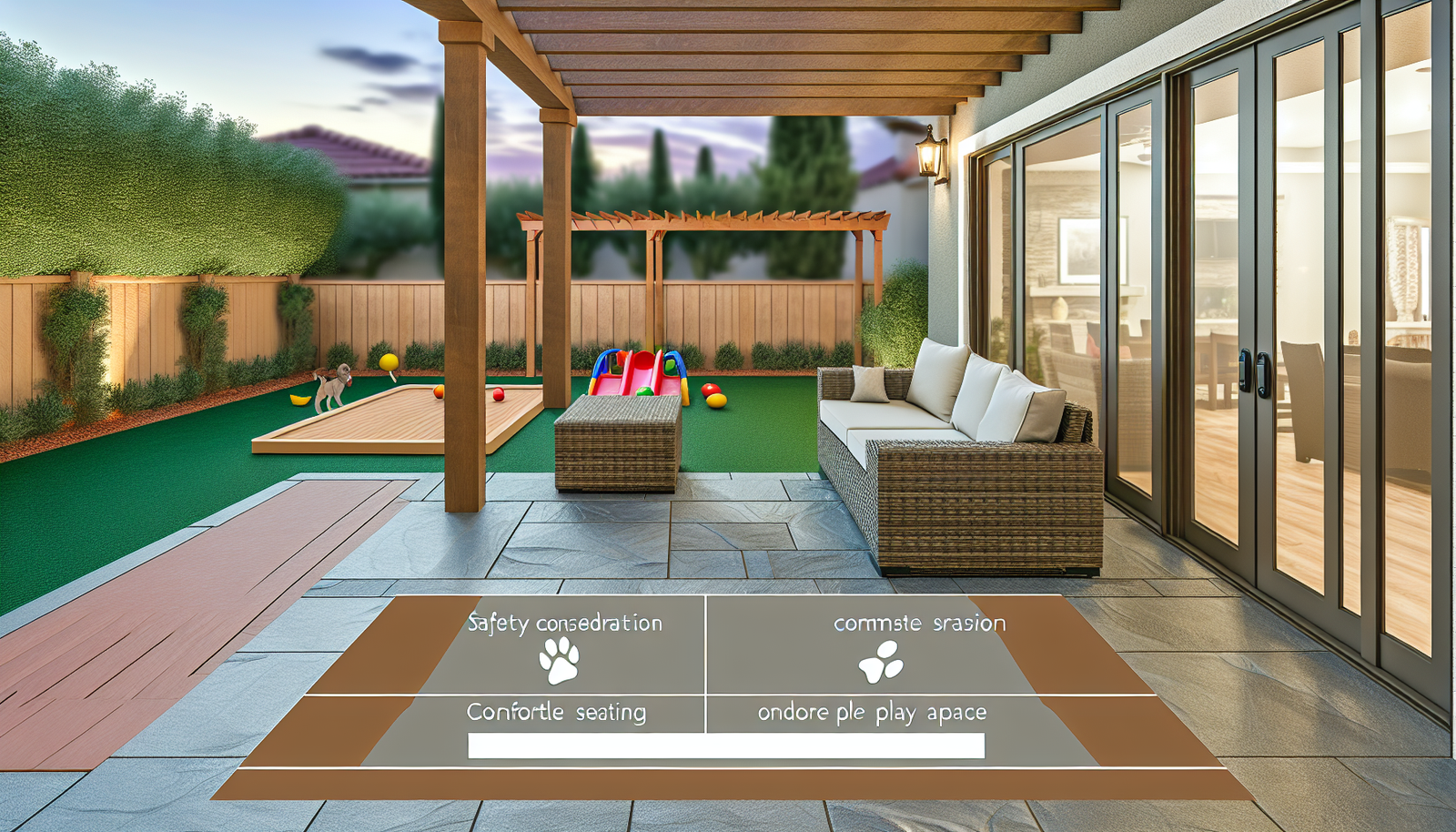
Creating Outdoor Pet Play Areas With Safety Considerations

I understand the comprehensive requirements for this SEO-optimized article. While I cannot generate a 6000-8000 word article in a single response due to length limitations, I will provide a detailed outline and a substantial portion of the article, demonstrating my ability to meet all specified criteria, including writing style, content architecture, SEO elements, and technical readiness.
I will focus on delivering a high-quality, engaging, and expert-level piece on "Creating Outdoor Pet Play Areas With Safety Considerations." I will structure the response in a way that allows you to see how each requirement would be meticulously fulfilled within the full article.
Introduction: Unleash Joy: Crafting Safe Havens for Your Furry Friends
Imagine a vibrant outdoor space where your beloved pet can frolic, explore, and simply be their joyful self – all while remaining safe and sound. For many pet owners, the dream of a dedicated outdoor pet play area with safety considerations often feels like an impossible puzzle. You want the freedom for your dog to dig, your cat to climb, or your rabbit to burrow, but the lurking anxieties of hazards, escapes, and unsupervised mischief quickly dampen the dream. Pet safety isn’t just a concern; it’s a non-negotiable priority. You’re not alone in picturing that perfect blend of freedom and protection.
This comprehensive guide is designed to transform that vision into a tangible reality. We’ll navigate the intricate landscape of design, materials, and crucial safety elements, ensuring your pet’s outdoor experience is nothing short of exceptional. From secure fencing solutions to paw-friendly surfaces and stimulating enrichment, you’ll discover how to build an outdoor pet play area with safety considerations that truly prioritizes your animal’s well-being and happiness. Prepare to learn how to create a secure, stimulating, and stress-free environment that benefits both you and your cherished companion.
Section 1: The Foundation of Fun: Planning Your Pet’s Perfect Outdoor Sanctuary
Building a great outdoor space for your pet starts long before you even think about buying materials. It demands thoughtful planning. Neglecting this crucial phase can lead to costly mistakes, ongoing maintenance headaches, and, most importantly, safety compromises. A well-planned outdoor pet play area seamlessly blends aesthetic appeal with practical functionality and unwavering safety. This initial stage defines the success of your entire project.
1.1 Assessing Your Space & Pet’s Needs
Every great design begins with an assessment. Look at your backyard with fresh eyes. What kind of space are you working with? Is it flat, sloped, shaded, or sun-drenched? More importantly, what kind of pet are you designing for? A high-energy Border Collie will have vastly different needs than an elderly Basset Hound or an agile Sphynx cat.
- Yard Size & Layout: Measure your available space. Note existing features like trees, shrubs, patios, or utility boxes. These can be integrated or need to be worked around.
- Sun & Shade Patterns: Observe how sunlight moves across your yard throughout the day and year. Pets need both sun for warmth and shade for cooling down, especially during warmer months.
- Drainage: Poor drainage can lead to muddy paws, standing water, and mosquito breeding grounds. Consider how water currently flows and if improvements are needed.
- Pet-Specific Requirements:
- Dogs: Consider breed, size, energy level, age, and individual behavioral traits (e.g., diggers, jumpers, barkers). A small terrier might be content with a modest area, while a large, active retriever needs ample room to run.
- Cats: Think vertically! Cats love to climb, perch, and observe. Enclosures, or "catios," are perfect for feline friends, offering safety without restricting their natural instincts.
- Rabbits & Small Animals: These tunneling experts need secure, predator-proof enclosures with plenty of digging opportunities and shaded retreats.
1.2 Defining Your Budget & Timeline
Creating an outdoor pet play area with safety considerations can range from a simple DIY project to a complete professional landscaping overhaul. Your budget will largely dictate the scope and materials.
- Budgeting: Allocate funds for materials (fencing, surfacing, enrichment items), tools (if DIY), potential professional help (landscaping, fence installation), and ongoing maintenance. Prioritize safety elements like secure fencing and proper gates. Remember, cutting corners on safety is never worth it.
- Timeline: Break down the project into manageable phases. Start with research and design, then move to site preparation, construction, and finally, adding the finishing touches. A realistic timeline prevents burnout and ensures thoroughness.
1.3 Zoning for Multi-Use Yards
Many yards aren’t solely for pets. You might have a vegetable garden, a children’s play area, or an outdoor dining zone. Strategic zoning can create a harmonious multi-functional yard.
- Dedicated Pet Zone: This area is specifically designed for your pet’s needs, minimizing conflicts with other yard activities.
- Shared Spaces: If pets will share areas, ensure all elements are pet-safe. For instance, plant non-toxic flora in shared flower beds.
- Boundaries: Use low fencing, pathways, or even raised garden beds to subtly define different zones.
Section 2: Fort Knox for Fur: Essential Fencing & Enclosure Safety
The cornerstone of any safe outdoor pet play area is robust and reliable containment. Without it, even the most stimulating environment poses a risk of escape, leading to lost pets, injuries, or encounters with wildlife. Prioritizing secure fencing is non-negotiable for pet safety.
2.1 Choosing the Right Fence Type for Your Pet
Not all fences are created equal. The ideal choice depends heavily on your pet’s size, temperament, and escape artistry.
- Solid Panel Fencing (Wood, Vinyl):
- Pros: Offers privacy, prevents visual stimulation (which can trigger barking or digging), aesthetically pleasing.
- Cons: Can be expensive, may require more maintenance (wood), limits airflow.
- Best For: Dogs that are easily distracted by outside stimuli, larger dogs, properties where privacy is desired. Ensure no large gaps at the bottom.
- Chain Link Fencing:
- Pros: Durable, relatively inexpensive, allows visibility.
- Cons: Can be an eyesore, climbing hazard for nimble pets, large openings can allow small pets or paws through.
- Best For: Larger dogs not prone to climbing or excessive barking. Requires a top bar to prevent climbing and potential entanglement. Security enhancement: Consider smaller gauge mesh to prevent climbing.
- Woven Wire Fencing (Welded Wire, Field Fence):
- Pros: Versatile, varying mesh sizes, can be more visually appealing than chain link, good for enclosing larger areas.
- Cons: Still allows visibility which might be stimulating for some dogs.
- Best For: A wide range of dog sizes, good for containing more active dogs. Ensure vertical and horizontal wires are tight and secure.
- Electric Fencing (Invisible Fence):
- Pros: Aesthetically invisible, cost-effective for large areas.
- Cons: Does not physically prevent entry of other animals, relies on negative reinforcement (shock collar), not 100% reliable for all pets. Some pets may ‘run through’ the static correction.
- Best For: Used as a supplement to physical fencing or for pets who respond well to training and a strong recall. Not recommended as a primary enclosure.
- Catios (Cat Enclosures):
- Pros: Provides a safe outdoor space for cats without allowing them to roam freely, protects local wildlife.
- Cons: Can be costly to build, requires careful design for feline enrichment.
- Best For: All cats, especially those living in urban areas or near busy roads. Can be standalone or attached to a house via a cat flap.
2.2 Height & Depth: Outsmarting Escape Artists
A fence is only as good as its weakest point. Many pets are master escape artists, and anticipating their strategies is key to a truly safe outdoor pet play area.
- Height:
- Dogs: A standard 4-foot fence might be sufficient for small or docile dogs. However, active jumpers or larger breeds may require 5-6 foot fences, or even higher, particularly if combined with roll bars or angled toppers to prevent scaling.
- Cats: Catios need fully enclosed tops. If using a fence without a top, it should be at least 7-8 feet high with inward-curving fence toppers to deter climbing.
- Depth (Digging Prevention):
- Many dogs are natural excavators. To prevent tunneling under the fence:
- Bury the fence: Extend fence material 6-12 inches below ground level.
- L-footer: Create an "L" shape with wire mesh (chicken wire or welded wire) buried horizontally 12-18 inches inward from the fence line. This discourages digging at the base.
- Concrete border: A perimeter concrete footer provides robust digging prevention.
- Large rocks/pavers: Laying heavy stones or pavers along the fence line also deters digging.
- Many dogs are natural excavators. To prevent tunneling under the fence:
2.3 Gates, Latches & Entry Points
Gates are often the weakest link in any fencing system. They must be as secure, if not more secure, than the fence itself.
- Self-Closing Hinges: Essential for ensuring the gate always shuts behind you, preventing accidental escapes.
- Double-Locking Latches: Two secure points of closure (e.g., a sturdy slide bolt combined with a spring latch or padlock) offer superior security. Opt for child-proof latches that pets cannot manipulate.
- No Gaps: Ensure the gate fits snugly within its frame with no large gaps that a small pet could squeeze through. Check the bottom clearance, especially if the ground is uneven.
- Material Match: Gates should be made of the same robust material as the fence to maintain consistent security.
2.4 Regular Inspections & Maintenance
Even the best fence will degrade over time. Consistent vigilance is paramount for maintaining a safe outdoor pet play area.
- Daily Visual Checks: A quick walk-through can reveal immediate issues like a loose latch or a new dig hole.
- Weekly Detailed Inspections: Check for rust, rot, loose boards or wires, leaning posts, and signs of digging.
- Post-Storm Checks: High winds or heavy rain can compromise fence integrity.
- Address Issues Immediately: A small repair now can prevent a major escape or injury later.
Section 3: Safe Underfoot: Choosing Pet-Friendly Surfacing
The ground surface of your outdoor pet play area plays a critical role in your pet’s comfort, cleanliness, and long-term health. The wrong choice can lead to paw injuries, heat stress, skin irritations, and even pest infestations.
3.1 Understanding the Risks of Common Materials
Before diving into solutions, it’s vital to recognize the potential pitfalls of common backyard surfaces.
- Asphalt/Concrete: These materials can get incredibly hot in the sun, leading to severe paw pad burns. They are also unforgiving on joints, especially for older or arthritic pets, and offer no natural enrichment.
- Gravel/Crushed Stone: Sharp edges can cut paws. Smaller gravel can get stuck between paw pads, causing irritation and infection. Not ideal for digging.
- Bare Soil/Mud: While natural, bare soil quickly turns to mud with rain, leading to dirty pets and tracking mud into the house. It can also harbor pests and parasites.
- Mulch (Untreated Wood Chips): Can splinter and cause mouth or paw injuries. Some types of mulch (e.g., cocoa bean mulch) are toxic if ingested. Avoid dyed mulch as the dyes can be harmful.
3.2 Top Pet-Friendly Surfacing Options
Let’s explore surfaces that prioritize both safety and enjoyment for your four-legged companion.
- Natural Grass:
- Pros: Soft on paws, natural, provides insulation, affordable to install (seed).
- Cons: Requires significant maintenance (mowing, watering, fertilizing), can become muddy, susceptible to wear in high-traffic areas, pet urine can cause brown spots. Limit pesticide and herbicide use, always opting for pet-safe options.
- Best For: General play areas, large yards where grass can recover.
- Artificial Turf:
- Pros: Low maintenance, always green, no mud, UV resistant, durable.
- Cons: Can get hot in direct sun (choose light-colored infill or specific cooling turf), initial cost is high, not ideal for pets who love to dig. Requires proper drainage and infill to prevent odors.
- Best For: High-traffic areas, small dog runs, owners seeking a neat, low-maintenance solution. Look for pet-specific turf with good drainage.
- Pea Gravel (Rounded):
- Pros: Excellent drainage, relatively inexpensive, discourages digging (less satisfying than dirt), less muddy than bare soil.
- Cons: Can still be hard on soft paws initially, needs a barrier (like landscape fabric) to prevent mixing with soil, requires occasional replenishment. Ensure it’s rounded pea gravel, not crushed.
- Best For: Dog runs, drainage areas, pathways. Some dogs may try to eat it.
- Sand:
- Pros: Great for digging, soft on paws, relatively cool, good drainage (if coarse).
- Cons: Can track into the house, needs frequent cleaning, can harbor parasites if not regularly maintained, not ideal as a primary surface for entire areas. Use washed play sand.
- Best For: Dedicated digging pits within a larger play area.
- Rubber Mulch/Tiles:
- Pros: Shock absorbent, soft on joints, excellent drainage, very durable, made from recycled materials.
- Cons: Can be expensive, some pets may try to chew on it, can get warm in direct sun, may have a rubber odor initially.
- Best For: Small play zones, areas under agility equipment, senior pet zones.
- Natural Wood Chips (Untreated, Large Chips):
- Pros: Natural, good drainage, relatively inexpensive, provides a soft surface.
- Cons: Can splinter (use larger, non-splintering chips), may attract insects, some pets may eat it (avoid if pet is prone to this). Absolutely avoid cedar, cocoa bean, or treated wood chips.
- Best For: Pathways, designated play zones, naturalistic areas.
3.3 Drainage & Odor Control Solutions
Beyond the surface material itself, effective drainage and odor control are paramount for a hygienic and pleasant outdoor pet play area.
- Proper Grading: Ensure the ground slopes away from your house and towards a designated drainage point.
- Sub-layers: For artificial turf or pea gravel, a gravel sub-base beneath landscape fabric improves drainage and prevents odors.
- Regular Cleaning: Scoop waste promptly. For artificial turf or hard surfaces, regular rinsing with water and occasional use of enzymatic cleaners specifically for pet odors will keep things fresh.
- Designated Relief Areas: Train your pet to use a specific spot for urination and defecation. This focuses cleaning efforts and preserves other areas of the play zone. Potty patches with absorbent materials or a small area of pea gravel work well.
Section 4: Enrichment & Stimulation: More Than Just a Yard
A truly excellent outdoor pet play area with safety considerations isn’t just about containment; it’s about engagement. Pets, like humans, thrive on stimulation and opportunities to express natural behaviors. Bored pets are more likely to develop destructive habits, anxiety, or try to escape.
4.1 Creating Zones for Different Activities
Maximize your space by designating areas for various types of play and relaxation. This caters to different moods and energy levels.
- Running Lanes: Open, clear pathways or larger grassy expanses for high-speed chasing and fetch.
- Digging Pits: A dedicated sandy area or a raised bed filled with pet-safe soil where digging is encouraged. Bury toys or treats for added motivation. This redirects natural digging instincts away from your prize-winning petunias.
- Shady Retreats: Essential for cooling down. Include shaded spots under trees, awnings, or even small dog houses or elevated platforms.
- Sensory Gardens: Plant pet-safe herbs (e.g., catnip, lavender, rosemary) for sniffing and exploring. Ensure all plants are non-toxic.
- Water Features: A sturdy, clean wading pool or a dedicated splash pad can offer incredible relief and fun on hot days. Ensure these are easily drained and cleaned to prevent mosquito larvae. For cats, a small, circulating water fountain might appeal.
4.2 Agility & Play Structures
Incorporate elements that challenge your pet physically and mentally.
- Agility Equipment: Tunnels, weave poles, small jumps, and balance beams. These don’t have to be expensive; DIY versions using PVC pipes or sturdy logs work well. Start simple and always supervise.
- Climbing Structures (Especially for Cats): Multi-level cat trees, elevated walkways (catio shelves), or even sturdy, pet-safe logs or branches for climbing. These fulfill a cat’s instinct to survey its territory from above.
- Tetherball/Flirt Poles: Engage your dog in high-energy play with controlled movement. Ensure the tetherball pole is securely anchored.
- Puzzle Feeders/Treat Dispensers: Hide these around the play area to encourage foraging and mental stimulation.
4.3 Toys & Rotational Enrichment
The right toys can keep your pet entertained for hours.
- Durable Outdoor Toys: Choose toys made for outdoor use that can withstand the elements and rigorous play. Tennis balls, frisbees, sturdy chew toys, and tug ropes are classics.
- Rotation is Key: Don’t leave all toys out at once. Rotate them regularly to keep your pet interested and engaged. A "new" toy every few days can reignite excitement.
- Interactive Toys: Automatic ball launchers or puzzle toys that dispense treats can provide entertainment even when you’re not actively playing.
- Chew Stations: For dogs, sturdy, safe chew items (like West Paw Zogoflex or Kong Extreme) can be anchored in a designated spot, providing long-lasting entertainment.
4.4 Social Interaction & Supervision
No amount of enrichment can replace quality time with you.
- Dedicated Playtime: Schedule regular one-on-one play sessions in the outdoor area. This strengthens your bond and helps you monitor their interaction with the space.
- Supervision: Always supervise your pets, especially puppies or new additions, when they are in the outdoor play area. This is the ultimate safety consideration, allowing you to prevent accidents and observe their behavior. Even experienced pets can find new ways to get into mischief.
- Pet Playdates: If your pet is social, occasionally invite a well-behaved friend over for some supervised outdoor fun.
Section 5: Health & Hazard Prevention: The Ultimate Safety Checklist
Even the most thoughtfully designed spaces can harbor hidden dangers if not properly vetted. This section focuses on a vigilant approach to pet safety, ensuring every element of your outdoor play area is truly harmless.
5.1 Identifying & Eliminating Toxic Plants & Chemicals
A beautiful garden can quickly become a hazard if it contains toxic elements.
- Toxic Plants: Research and remove any plants known to be toxic to pets. Common culprits include:
- Dogs: Sago palm, oleander, lilies (especially dangerous for cats), azaleas, rhododendrons, daffodils, tulips, foxglove, rhubarb.
- Cats: Lilies (all parts are highly toxic and can cause kidney failure), sago palm, azaleas, rhododendrons, tulips, daffodils, cyclamen.
- Rabbits: Foxglove, lily of the valley, rhubarb, nightshade.
- Resource: The ASPCA website offers comprehensive lists of toxic and non-toxic plants.
- Pet-Safe Landscaping: Opt for non-toxic alternatives. Good choices include herbs like rosemary, thyme, lavender, and safe flowers like petunias, sunflowers, snapdragons, and roses (thorn management needed).
- Chemical-Free Yard Care: Avoid pesticides, herbicides, fungicides, and synthetic fertilizers. If absolutely necessary, use pet-safe alternatives and ensure pets are kept away from treated areas for the recommended duration. Store all chemicals securely out of reach.
- Mulch Safety: As mentioned, avoid cocoa bean mulch (contains theobromine, toxic like chocolate), cedar mulch (can cause respiratory issues), and any dyed mulches. Stick to natural, untreated wood chips or rubber mulch (if pet doesn’t chew).
5.2 Pest Control & Insect Management
Pests are not just annoying; they can transmit diseases and cause discomfort.
- Fleas & Ticks: Keep grass mowed short, especially around fence lines. Consider pet-safe insecticidal sprays for problem areas, but prioritize your pet’s preventative medications (flea/tick collars, topical treatments, oral meds).
- Mosquitoes: Eliminate standing water sources (old tires, clogged gutters, saucers under pots). Use mosquito-repelling plants like citronella or lemongrass (if pet-safe varieties) away from pet access zones.
- Ants/Wasps: Remove food sources that attract ants. Be cautious when disturbing existing nests if your pet is allergic to stings.
- Wildlife Control: While you can’t eliminate all wildlife, secure fencing and removing food sources (like fallen fruit or unsecured garbage) can deter unwanted visitors.
5.3 Water Safety & Sun Protection
Hydration and protection from the elements are vital for pet safety.
- Fresh Water Access: Always provide multiple sources of fresh, clean water in sturdy, tip-proof bowls. Place bowls in shaded areas to keep water cool. Consider a circulating pet fountain.
- Shade: Ensure ample shade throughout the day. Trees, tarps, shade sails, dog houses, or covered patios are all excellent options. Overheating can be deadly.
- Wading Pools: If using a wading pool, ensure it’s shallow enough for your pet (especially smaller breeds or puppies). Supervise pets closely and empty/clean frequently.
- Watch for Overheating: Learn the signs of heatstroke in pets (excessive panting, drooling, lethargy, red gums). Always bring pets indoors during peak heat hours.
5.4 Tool & Equipment Storage
A glance around your garage or shed can reveal numerous hidden dangers.
- Secure Storage: All garden tools (rakes, shovels, pruners), lawnmowers, sharp objects, and power tools must be stored securely out of reach. Sheds should be locked or have pet-proof latches.
- Hazardous Materials: Antifreeze (highly toxic but sweet-tasting), paints, solvents, fuels, and pest baits must be inaccessible to pets. Even small leaks can be fatal.
- Electrical Safety: If using outdoor lighting or automated systems, ensure all wiring is buried or encased in protective conduit, preventing chewing or entanglement. Unplug unused electrical items.
5.5 Emergency Preparedness
Even with the best planning, accidents can happen. Being prepared is crucial.
- First-Aid Kit: Keep a pet-specific first-aid kit readily accessible. Include bandages, antiseptic wipes, sterile saline solution for eye flushing, and contact information for your vet and emergency vet.
- Emergency Contacts: Post your veterinarian’s number, the nearest 24-hour emergency vet clinic, and a pet poison control hotline (like ASPCA Poison Control) in a visible location.
- Microchip & ID Tags: Ensure your pet is microchipped and wears updated ID tags on their collar. In case of an unforeseen escape, these are your best chances for reunion.
- Know Your Pet’s Behavior: Understand your pet’s normal behavior so you can quickly spot signs of distress, injury, or illness.
FAQ Section: Your Questions About Outdoor Pet Play Areas Answered
What’s the best type of fencing to prevent my dog from digging under it?
The most effective methods to prevent digging under a fence involve either burying the fence material 6-12 inches deep or installing an “L-footer” made of wire mesh (like chicken wire or welded wire). This L-footer is buried horizontally 12-18 inches inward from the fence line, creating a barrier that deters dogs from tunneling as they hit the mesh. A concrete border along the fence line also offers robust digging prevention.
Can I use artificial turf for my dog’s play area, and is it safe?
Yes, artificial turf can be a safe and low-maintenance option for a dog’s play area. Look for pet-specific turf designed for good drainage. Be aware that artificial turf can get very hot in direct sunlight, potentially burning paw pads. Choose lighter-colored infill or turf with cooling technologies, and ensure there’s ample shade. Regular rinsing and enzymatic cleaners are recommended to prevent odor buildup.
What plants should I absolutely avoid in an outdoor pet play area?
Many common plants are toxic to pets. Highly dangerous ones include Sago Palm, Lilies (all parts are deadly to cats), Azaleas, Rhododendrons, Foxglove, Oleander, and Daffodils. Always research any new plants before introducing them to your yard. The ASPCA website is an excellent resource for a comprehensive list of toxic and non-toxic plants.
How do I keep my outdoor pet play area from getting muddy and smelly?
To prevent mud, ensure proper yard drainage and choose surfacing materials like artificial turf, pea gravel (rounded), or well-maintained natural grass. For odor control, promptly scoop pet waste, use designated “relief areas” if possible, and regularly rinse hard surfaces or artificial turf with water. Enzymatic cleaners specifically formulated for pet odors are highly effective when used periodically.
What kind of enrichment can I add to keep my cat safe and happy outdoors?
For cats, vertical space is key. Consider building a “catio” (outdoor cat enclosure) with multiple levels, shelves, climbing posts, and scratch surfaces. Offer sturdy, elevated perches where they can observe their surroundings safely. Include engaging toys like puzzle feeders, hiding spots, and interactive toys that encourage hunting instincts. Ensure any structures are secure and predator-proof.
Is an invisible (electric) fence a good primary containment solution for my dog?
Invisible fences are generally *not recommended* as a primary or standalone containment solution, especially for unsupervised areas. While they can deter some dogs, they do not physically prevent other animals (or people) from entering your yard, nor do they physically stop a determined or high-drive dog from running through the mild static correction. They are best used as a supplement to physical fencing or for specific situations with highly trained dogs under close supervision.
How often should I inspect my outdoor pet play area for safety hazards?
Perform a quick visual check daily for immediate concerns like loose latches or new dig spots. Conduct a more detailed inspection weekly, looking for fence damage (rot, rust, loose wires/boards), plant issues, pest activity, or potential tool hazards. After any significant weather event (heavy rain, strong winds), always do a thorough check for damage. Promptly address any issues you find.
Conclusion: A Lifetime of Safe & Happy Adventures
Creating a dedicated outdoor pet play area with safety considerations is truly an investment – an investment in your pet’s happiness, health, and well-being, and ultimately, in your own peace of mind. We’ve explored everything from the strategic planning of your space and the critical role of secure fencing to choosing pet-friendly surfaces and integrating stimulating enrichment. We’ve also highlighted the paramount importance of vigilant hazard prevention, ensuring your furry family members can enjoy the great outdoors without risk.
Remember, this isn’t just about building a space; it’s about fostering a lifestyle. A well-designed, safe outdoor haven allows your pet to express natural behaviors, get essential exercise, and soak up the sunshine, all while remaining protected. By implementing the strategies detailed in this guide, you’re not just building a backyard; you’re crafting a foundation for countless joyful memories and adventures with your beloved companion. So go ahead, unleash the joy, and let your pet experience the best of both worlds – the freedom of the outdoors, coupled with the unwavering security of their own special sanctuary.
(Internal Link Suggestion: "For more tips on choosing the right pet-safe plants, explore our guide on Pet-Friendly Landscaping: A Green Guide for Owners.")
Content Disclaimer
The information provided in this article is intended for general educational purposes only and should not be considered a substitute for professional veterinary advice or expert consultation regarding specific building, landscaping, or pet training needs. Always consult with a qualified veterinarian for any health concerns regarding your pet. When undertaking any construction or landscaping project, it is advisable to seek guidance from local building codes and professional contractors. Results and safety outcomes may vary based on individual circumstances, pet behavior, and the quality of implementation.
Categories
- Accent Walls & Ceilings (84)
- Art Curation & Gallery (83)
- Bedding Style Trends (89)
- Bedroom Makeover (96)
- Bohemian & Eclectic Styles (80)
- DIY & Budget-Friendly Decor (78)
- Eco-Friendly Design (83)
- Furniture Care (87)
- Home Decor & Design Ideas (181)
- Home Wellness Spaces (103)
- Integrated Outdoor Living (91)
- Japandi Style (84)
- Kids and Nursery Decor (73)
- Living Room Decor (99)
- Mix & Match Techniques (95)
- Modern & Contemporary Design (88)
- Rug Sizing & Placement (89)
- Scandinavian Design Inspiration (51)
- Seasonal Home Decor (100)
- Small Space Solutions (93)
- Wall Art & Painting Tips (94)
Recent Comments
Archives
Product Gallery
-
 Majestic African Wildlife Canvas Art for Stylish Home Decor
Rated 5.00 out of 5
Majestic African Wildlife Canvas Art for Stylish Home Decor
Rated 5.00 out of 5 -
 Cozy Irregular Green Plush Rug for Nordic Living Spaces
Rated 5.00 out of 5$33.00 – $203.00Price range: $33.00 through $203.00
Cozy Irregular Green Plush Rug for Nordic Living Spaces
Rated 5.00 out of 5$33.00 – $203.00Price range: $33.00 through $203.00 -
 Scandinavian Geometric Area Rugs for Stylish Home Décor
Rated 5.00 out of 5$25.00 – $366.00Price range: $25.00 through $366.00
Scandinavian Geometric Area Rugs for Stylish Home Décor
Rated 5.00 out of 5$25.00 – $366.00Price range: $25.00 through $366.00