

Living in a compact apartment or a studio doesn’t mean sacrificing functionality, privacy, or style. In fact, embraced with creativity and clever design choices, small spaces can be incredibly efficient and even luxurious. The key often lies in mastering the art of division without construction. This is where small space solutions come into play, particularly through the ingenious application of flexible room dividers.
Imagine being able to carve out a dedicated home office in your living room, create a cozy bedroom nook in a studio apartment, or even section off a play area for children without a single hammer or nail. Flexible room dividers offer precisely this dynamic adaptability, transforming open floor plans and tight quarters into multi-functional zones. They are not merely temporary walls; they are design statements, privacy providers, and organizational tools all rolled into one.
This comprehensive guide will walk you through everything you need to know about maximizing your small apartment space with room dividers. From understanding the diverse types available to strategic placement, incorporating aesthetic appeal, and even DIY options, you’ll discover how to leverage these versatile elements to create a home that feels significantly larger, more organized, and perfectly tailored to your lifestyle. Prepare to unlock the full potential of your compact living area, creating distinct zones that enhance both comfort and utility.
Why Flexible Room Dividers Are Essential for Modern Living
The rise of smaller living units, from urban micro-apartments to open-concept studios, has brought with it a demand for ingenious design solutions. Flexible room dividers address several critical challenges faced by residents of these spaces, offering much more than just a visual separation.
The Evolution of Living: Embracing Compact Living
Urbanization trends show a consistent move towards denser living environments. Younger generations and even downsizers are opting for smaller, more affordable, and often centrally located homes. This shift necessitates smart design. A study by the National Association of Home Builders found that the average new single-family home size has decreased over the past few years, indicating a broader acceptance and even preference for efficiency.
However, compact living often comes with trade-offs: a lack of distinct areas, limited privacy, and the challenge of accommodating various activities within a single space. Flexible room dividers are the unsung heroes addressing these very pain points, making small living truly livable.
Beyond Walls: The Multifunctional Benefits of Room Dividers
Consider the typical open-plan studio. While initially appealing for its expansive feel, reality often sets in: where do you work without distraction? How do you entertain guests when your bed is in plain sight? Flexible room dividers offer a strategic solution, providing:
- Zoning and Definition: They visually separate areas, creating a sense of distinct “rooms” even where none exist structurally. This helps define purpose for various parts of your home.
- Enhanced Privacy: Whether it’s shielding your sleeping area from the living space or creating a private corner for video calls, dividers offer a much-needed layer of personal space.
- Noise Reduction (Limited): While not soundproof, some types, especially textile-based or thicker panels, can offer a marginal reduction in ambient noise, contributing to a calmer environment.
- Organization and Storage: Many modern dividers double as shelves, bookcases, or even hidden storage units, addressing one of the biggest challenges in small spaces.
- Aesthetic Appeal: Far from being purely functional, dividers can be significant decorative elements, adding texture, color, and architectural interest to a room.
- Flexibility and Adaptability: Crucially, they are non-permanent. Your needs change, and so can your space configuration. This adaptability is invaluable in dynamic households.
By effectively tackling these issues, flexible room dividers elevate the small living experience from merely manageable to genuinely enjoyable and highly functional. They allow you to mold your environment to your daily needs, rather than being confined by existing architectural limitations.
Alt Text: Benefits of flexible room dividers for small spaces – privacy, defined zones, storage, decor, adaptability.
Exploring the Diverse World of Flexible Room Dividers
The market for flexible room dividers is vast and innovative, offering a solution for every style, budget, and functional requirement. Understanding the different types available is the first step to choosing the perfect fit for your home.
Screen and Panel Dividers: The Classic Choice
These are perhaps the most common and recognizable forms of room dividers. They range from traditional Japanese shoji screens to modern, minimalist panels.
- Folding Screens: Typically multi-paneled and hinged, folding screens are highly portable and easy to store. They come in an incredible array of materials, from wood and bamboo to fabric and intricate metalwork.
- Pros: Highly flexible, decorative, easy to move, wide range of styles.
- Cons: Less stable, limited sound dampening, can be knocked over.
- Best For: Quick privacy, decorative accents, temporary zoning.
- Sliding Panels: Mounted on tracks (either ceiling or floor), sliding panels offer a more architectural feel. They can be opaque for full privacy or translucent to allow light filtration. Japanese-style shoji screens, made from wood and rice paper, are a popular variant.
- Pros: Space-saving (don’t swing out), cleaner look, good division, allow light.
- Cons: Requires installation, less portable, can be more costly.
- Best For: Permanent zoning, creating a distinct “room within a room.”
- Hanging Panels/Curtains: These can be as simple as a decorative curtain on a rod or more sophisticated track-mounted fabric panels. They offer softness and texture.
- Pros: Cost-effective, easy to install, wide range of colors/patterns, soft aesthetic.
- Cons: Offer less structural division, limited privacy/sound dampening.
- Best For: Soft zoning, decorative elements, obscuring views.
Storage-Integrated Dividers: Form Meets Function
In small spaces, every item should ideally serve a dual purpose. Storage-integrated dividers are a prime example of this philosophy, combining room separation with much-needed organizational capacity.
- Bookcases and Shelving Units: Open-backed bookcases like IKEA’s Kallax or custom built-ins are fantastic for dividing a room while providing extensive storage for books, decor, and personal items. They allow light to pass through, maintaining an airy feel.
- Pros: Excellent storage, maintain light flow, extremely functional.
- Cons: Can look cluttered if not organized, heavy and less portable.
- Best For: Defining living/bedroom zones, home offices, creating visual interest.
- Cabinetry and Wardrobes: Larger, freestanding cabinets or wardrobes can act as robust dividers, offering solid visual and even some sound separation, along with significant storage.
- Pros: Maximum privacy and storage, substantial presence.
- Cons: Can feel bulky, block light, less flexible once placed.
- Best For: Creating a walk-in closet from a corner, dividing a large room dramatically.
- Media Consoles: A TV unit or entertainment center can be strategically placed to divide a living area from another zone, providing both storage and a focal point for relaxation.
- Pros: Serves a primary function (media) while dividing, often sleek.
- Cons: Limited height for full division, can be expensive.
- Best For: Segmenting a communal living space.
Open shelving units work wonderfully for maintaining an open, airy feel while still defining spaces. For more privacy and a cleaner look, use decorative bins or baskets on shelves, or opt for a closed-back unit or cabinet.
Innovative & DIY Dividers: Creative Small Space Solutions
For those who love a unique aesthetic or a hands-on project, there are numerous creative and customizable options for flexible room dividers.
- Artistic Panels: Think laser-cut metal, intricately carved wood, or even large stretched canvases. These dividers are less about full obstruction and more about artistic expression and subtle demarcation.
- Pros: Unique, highly decorative, can be a focal point.
- Cons: Can be expensive, less privacy.
- Best For: Adding flair, creating artistic zones.
- Plants and Green Walls: Large plants, like a fiddle-leaf fig or a tall snake plant, or even a vertical garden system, can act as natural, living dividers. This introduces biophilic design into your home.
- Pros: Boosts air quality, beautiful, calming, promotes well-being.
- Cons: Requires care, may not offer full visual privacy.
- Best For: Bringing nature indoors, soft natural division.
- Pallet Walls: A popular DIY option, reclaimed wooden pallets can be repurposed into rustic, statement-making room dividers. They offer a unique texture and a sustainable touch.
- Pros: Eco-friendly, budget-friendly DIY, rustic charm.
- Cons: Can be heavy, requires some DIY skill, may not fit all aesthetics.
- Best For: Industrial, bohemian, or rustic interiors.
- Bead or String Curtains: While offering minimal visual or sound privacy, these provide a whimsical and light-filtering separation, adding a playful texture to the room.
- Pros: Light, airy, decorative, inexpensive.
- Cons: No real privacy, can get tangled.
- Best For: Decorative accents, subtle zone definition.
- Repurposed Doors/Windows: Old vintage doors or window frames can be hinged together or mounted on tracks to create unique, character-filled dividers. Stained glass or frosted panes can add an extra dimension.
- Pros: Sustainable, unique, great character, can offer good privacy.
- Cons: Heavy, requires significant DIY or professional help.
- Best For: Eclectic, vintage, or industrial inspired spaces.
The choice ultimately depends on your primary goal: is it privacy, storage, aesthetic enhancement, or a combination? By carefully considering the properties of each type, you can narrow down the perfect flexible room dividers for your needs.
Strategic Placement: Making Your Flexible Dividers Work Harder
It’s not just about selecting the right divider; *how* and *where* you place it dictates its effectiveness. Thoughtful planning can transform a simple partition into a powerful design and functional element.
Defining Zones: Where to Place Your Dividers
The most common application for flexible room dividers is to segment a larger, open space into functional zones.
- Bedroom in a Studio: Place a screen, curtain, or shelving unit between your bed and the main living area. This creates an intimate sleeping zone and keeps the living space feeling separate and tidy. Consider a translucent material if natural light is precious.
- Home Office Nook: Set up a desk in a corner or along a wall, then use a folding screen or a slim bookcase to create a dedicated workspace. This helps with focus and separates work from leisure.
- Living Room and Dining Area: In an open-plan great room, a low shelving unit or a console table can subtly divide the conversational seating area from the dining space, giving each its own identity.
- Children’s Play Area: Designate a corner for toys and play with a lightweight, colorful panel or a low storage unit. This keeps clutter contained and provides a dedicated area for kids.
- Entryway Definition: In apartments that open directly into the living room, a statement screen or a narrow console table with a mirror can create a pseudo-entryway, offering a sense of arrival.
Maximizing Light and Flow: Essential Considerations
One of the biggest concerns in smaller spaces is the preservation of natural light and maintaining a sense of openness. A poorly chosen or placed divider can make a room feel cramped and dark.
- Maintain Light: Opt for dividers that allow light to pass through. Think slatted wood, frosted glass, sheer curtains, open shelving, or screens with cut-outs. Avoid solid, floor-to-ceiling walls unless absolute privacy is paramount.
- Consider Visual Weight: A heavy, opaque divider can overwhelm a small room. Choose materials and designs that feel visually light – bamboo, thin metal frames, or fabrics.
- Traffic Flow: Evaluate how people will move through the space. Ensure your divider doesn’t obstruct natural pathways or create awkward dead ends. Keep main walkways clear, typically at least 3 feet wide.
- Height Matters: A half-height divider (e.g., a low bookcase or cubby shelf) can define a space while still allowing for an expansive view over the top, maintaining a feeling of continuity. Full-height dividers create more distinct rooms.
- Leverage Corners: Corners are often underutilized. A strategic L-shaped bookcase or a folding screen can turn a corner into a surprisingly functional and private zone.
Alt Text: Strategic placement of flexible room dividers in a small apartment floor plan to define zones.
Aesthetic Harmony: Integrating Dividers Seamlessly
Flexible room dividers aren’t just practical; they’re an integral part of your home’s aesthetic. The goal is to ensure they enhance, rather than detract from, your overall interior design.
Matching Style and Decor: Cohesion is Key
Your room divider should feel like an intentional part of your decor, not an afterthought. Consider these aspects:
- Material Harmony: If your home features a lot of natural wood, a bamboo or slatted wood divider will blend beautifully. In a more industrial setting, metal or concrete panels could be ideal.
- Color Palette: Choose a color that complements your existing palette. A neutral divider will recede, while a bold color can make a statement piece. Transparent or translucent materials are always a safe bet for cohesion.
- Texture Play: Dividers offer an opportunity to introduce texture – think woven fabrics, rough-hewn wood, sleek metal, or intricate patterns. Use texture to add depth and interest.
- Scale and Proportion: A massive, ornate divider might overwhelm a tiny room. Ensure the divider’s size is appropriate for the scale of your space and the furniture within it.
A well-chosen divider can elevate your design. For instance, a beautifully crafted screen can become a piece of art itself, while a minimalist, clean-lined panel can reinforce a contemporary aesthetic.
Beyond Practicality: Dividers as Decorative Elements
Don’t just think of dividers as barriers; view them as opportunities for creativity and visual impact.
- Statement Pieces: A unique, sculptural screen or a vibrant, patterned textile can serve as a focal point, drawing the eye and adding personality.
- Art Displays: Many dividers, particularly flat panels or open shelves, can be used to display artwork, photographs, or collectibles, further personalizing your space.
- Architectural Interest: Slatted wood dividers, intricate metal screens, or even repurposed door frames can add architectural texture and depth, making a simple room feel more sophisticated.
- Mood Lighting: Integrate lighting into or around your divider. Backlit panels, uplighting behind a screen, or string lights draped over a curtain can create ambiance and highlight the divider itself.
The best flexible room dividers don’t just solve a problem; they add a layer of sophistication and bespoke charm to your compact home. They are powerful tools for not only practical separation but also for expressing your unique style.
DIY Flexible Room Divider Projects: Unleash Your Creativity
Want a truly unique solution that perfectly fits your style and budget? A DIY approach to flexible room dividers can be incredibly rewarding. It allows for full customization and often saves money. Here are a few popular and achievable DIY ideas.
Budget-Friendly & Easy DIY Options
You don’t need to be a master craftsperson to create an effective and stylish room divider. Here are some ideas that require minimal tools and skills:
- Curtain Rod & Fabric: This is arguably the simplest and most budget-friendly option.
- Materials: Tension rod (if spanning a narrow opening) or ceiling-mounted curtain track, fabric (sheer, opaque, patterned – your choice!), curtain hooks or rings.
- Steps: Install the rod/track. Hem or buy ready-made fabric to the correct length and width. Hang the fabric.
- Pro Tip: Layer two different fabrics for added texture or privacy. Choose thermal curtains for a slight boost in perceived sound dampening.
- Pallet Wood Screen: Reclaimed pallets offer a rustic, industrial look.
- Materials: Several wooden pallets (ensure they are heat-treated, marked HT, not chemically treated), sandpaper, wood glue, screws, hinges (optional), stain or paint.
- Steps: Disassemble pallets carefully, sand wood smooth. Cut planks to desired lengths. Assemble vertically or horizontally, securing with glue and screws. Add hinges for a folding screen, or build a sturdy base for a freestanding panel.
- Pro Tip: Leave gaps between planks for a more open feel, or interleave for more privacy.
- Branch or Bamboo Screen: Bring nature indoors with this organic approach.
- Materials: Sturdy branches or bamboo poles of varied thickness, two wooden bases (e.g., sanded planks), strong adhesive, drill, twine/wire (optional).
- Steps: Prepare bases with holes drilled to fit branches. Insert branches vertically into holes, securing with adhesive. For extra stability or aesthetic, wrap twine around the branches in a decorative pattern.
- Pro Tip: Vary the height of the branches for visual interest. Consider painting the bases to match your decor.
Medium Skill & Customizable Projects
For those comfortable with basic power tools and a bit more commitment, these projects offer greater customization.
- Custom Modular Shelving Unit: Build a custom bookcase that perfectly fits your space.
- Materials: Plywood or MDF sheets, saw, drill, screws, wood glue, sandpaper, paint or stain.
- Steps: Plan your dimensions. Cut shelves and vertical supports. Assemble using pocket holes or dowels for a clean look, or simply screw together. Finish with paint or stain.
- Pro Tip: Add wheels to the base for a truly flexible and movable storage divider. Combine open sections with closed cabinets for varied storage.
- Frosted Acrylic Panels: Modern, clean, and light-filtering.
- Materials: Frosted acrylic sheets, aluminum or wooden framing material, hinges (for folding screens) or track system (for sliding panels), appropriate fasteners.
- Steps: Measure and cut acrylic to size (or have it cut). Build a frame for each panel. Insert acrylic into frames. Assemble with hinges or mount on a track.
- Pro Tip: Use different colors of translucent acrylic for a stained-glass effect.
- Fabric Panel with Frame: A step up from a simple curtain, these panels offer a more structured look.
- Materials: Lightweight wood or metal for frames, decorative fabric, batting (optional for sound dampening), staple gun, hinges or hanging hardware.
- Steps: Construct simple rectangular frames. Stretch and staple fabric tightly over one or both sides of each frame (add batting for extra mass). Join panels with hinges or hang from a rod.
- Pro Tip: Use a vibrant, patterned fabric to make a strong design statement. Interchangeable fabric covers allow for seasonal updates.
Always wear appropriate safety gear (gloves, eye protection) when working with tools. If a divider is tall and freestanding, ensure it’s properly secured to prevent tipping, especially in homes with children or pets.
DIY flexible room dividers are an excellent way to infuse personality and bespoke functionality into your small space. They allow for creative expression while solving practical design challenges. For comprehensive guidance on building your own custom furniture, consider resources like WOOD Magazine, known for its detailed plans.
Case Studies: Real-World Small Space Transformations
Sometimes, seeing is believing. Let’s look at how flexible room dividers have been used to effectively transform real small spaces, making them more livable and enjoyable.
Case Study 1: The Studio Apartment to One-Bedroom Conversion
The Challenge: Sarah, a graphic designer, lived in a 400 sq ft studio. She loved the natural light but struggled with the lack of distinction between her sleeping and living areas, and especially with professional video calls where her bed was visible.
The Solution: Sarah opted for a combination of a slatted wood sliding panel and a low, open-backed shelving unit. A ceiling-mounted track allowed a custom-built, thin slatted wood panel to slide back and forth, creating a private “bedroom” when closed. Adjacent to this, a sleek, mid-century style open shelving unit (just waist height) was placed to visually separate the small dining area from the living room, displaying art and a few plants without blocking light.
The Result: The slatted panel provided enough privacy for her bed during video calls and when entertaining, while still allowing light and air to circulate. The shelving unit defined the dining area, and its open structure kept the space feeling expansive. Her studio now felt like a one-bedroom apartment, significantly boosting her comfort and productivity.
Case Study 2: Multifunctional Living Room in a Small Home
The Challenge: Mark and Lisa had a small two-bedroom house, but with two young children, their open living room often became a chaotic play zone, leaving no quiet space for adult relaxation or work.
The Solution: They divided their living room into three functional areas using two different types of flexible room dividers. In one corner, they set up a dedicated play area using a low, cube-storage organizer (like an IKEA Kallax) with colorful bins. This served as a visual barrier and, crucially, a storage solution for toys. On the opposite side, to create a small home office/reading nook, they installed a floor-to-ceiling curtain on a curved track, using a sound-dampening, heavy linen fabric. This could be drawn shut for quiet work or reading.
The Result: The living room was transformed. The cube organizer kept toy clutter contained and the play area defined. The curtain created a cozy, quiet retreat for Mark and Lisa, allowing them to work or relax without feeling overwhelmed by toys or activities. The flexibility meant they could open the curtain for larger family gatherings.
Case Study 3: The Urban Micro-Apartment with Dynamic Needs
The Challenge: Alex lived in a truly tiny 250 sq ft micro-apartment. He needed to convert his living space into both a client meeting area during the day and a comfortable sleeping space at night, with minimal visual clutter.
The Solution: Alex invested in a high-quality, tall folding screen made of sleek, frosted acrylic panels. This screen was intentionally chosen for its modern aesthetic and light-filtering properties. During the day, it was expanded to create a backdrop for his small meeting table and chairs, effectively hiding his Murphy bed and personal items. In the evening, it folded neatly against a wall, allowing the Murphy bed to be lowered into the now spacious “bedroom” area.
The Result: The frosted acrylic provided excellent visual privacy without making the tiny apartment feel claustrophobic. The easy portability of the folding screen allowed Alex to effortlessly transition his space from professional to private, day to night. It underscored the power of adaptable design in truly compact living.
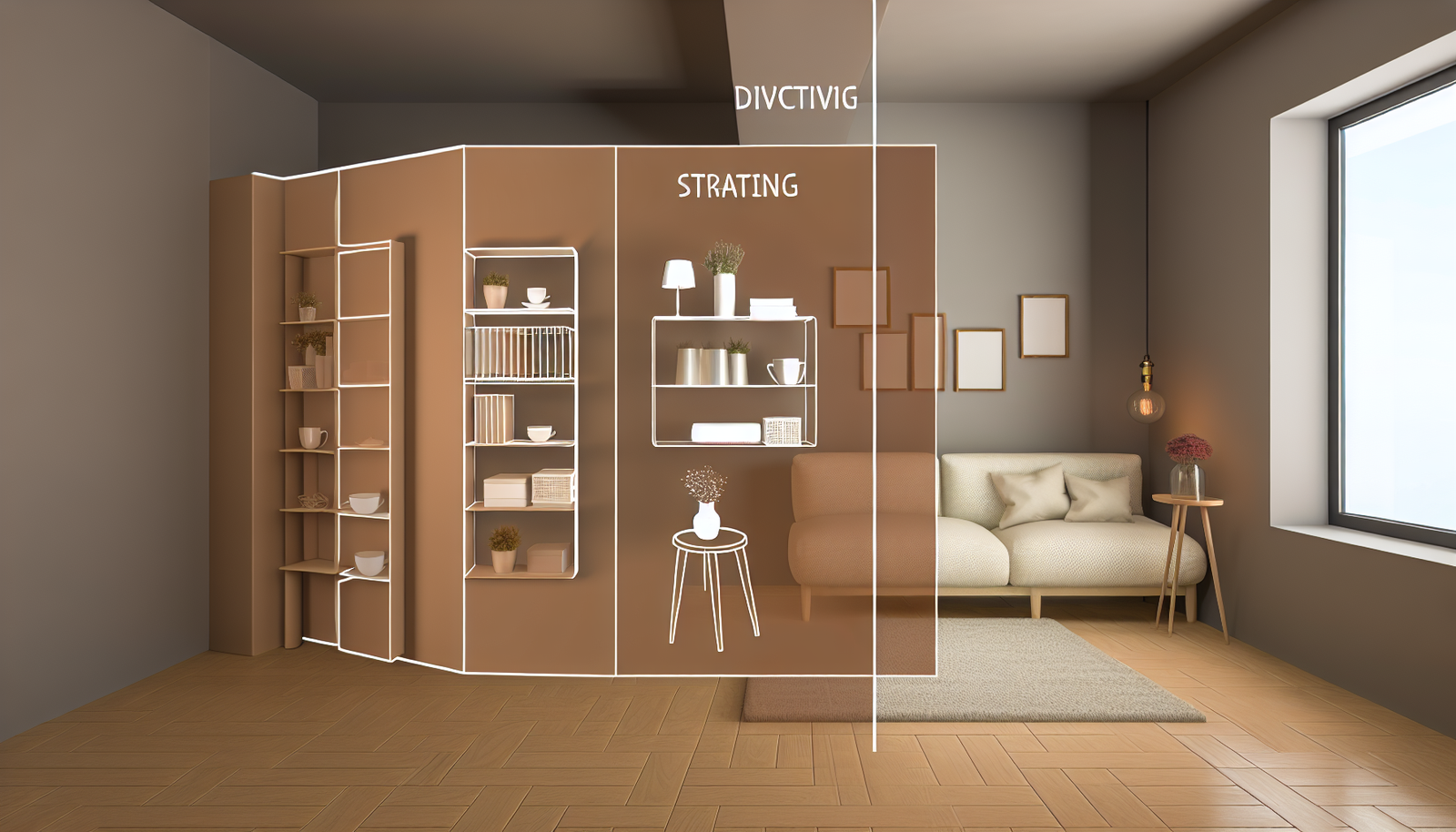
Alt Text: Before and after transformation of a studio apartment using modern sliding room divider for a separate bedroom.
Tools and Resources for Choosing Your Flexible Room Divider
Finding the perfect flexible room solution can be a journey. Here are some tools and resources to help you along the way, whether you’re buying off-the-shelf or embarking on a DIY project.
Online Retailers & Marketplaces
For a vast selection of styles, materials, and price points, these online platforms are a great starting point:
- Amazon/Wayfair: Massive selections of folding screens, panels, storage units, and curtains. Filter by material, height, and price. Good for comparing options quickly.
- IKEA: Renowned for clever small space solutions, IKEA offers excellent modular shelving (like Kallax and Expedit) that double as dividers, as well as curtain systems and folding screens.
- Recommendation: The Kallax series is a perennial favorite for its versatility as a divider and storage unit.
- Etsy: For unique, handcrafted, or vintage room dividers. Great for finding something truly distinct or custom-made.
- Specialty Retailers: Companies like Room & Board, West Elm, or even local furniture boutiques often carry higher-end, designer-focused room dividers that can be significant statement pieces.
Design & Planning Tools
Visualizing how a divider will look in your space is crucial. These tools can help:
- Room Planner Apps (e.g., Planner 5D, RoomSketcher): Upload your floor plan or create one from scratch. These apps allow you to virtually place furniture and dividers to see how they impact flow and aesthetics.
- Augmented Reality (AR) Tools: Many furniture retailers now offer AR features in their apps (e.g., IKEA Place, Houzz). You can “place” a virtual divider in your actual room using your phone’s camera to see how it looks and fits in real-time.
- Measuring Tape & Painter’s Tape: Don’t underestimate these simple tools! Use painter’s tape to mark the footprint of your intended divider on the floor, or extend string from the ceiling. This helps you grasp the physical presence and impact.
DIY Resources & Inspiration
If you’re going the DIY route, ensure you have reliable guidance.
- YouTube Tutorials: Search for “DIY room divider” for step-by-step video guides on various projects, from simple curtains to more complex builds.
- Pinterest & Instagram: Visual platforms are fantastic for inspiration. Create mood boards with different divider styles and materials that resonate with your aesthetic.
- Local Hardware Stores / Makerspaces: For advice on materials, tools, and basic construction techniques, your local hardware store staff can be a great resource. Makerspaces offer shared tools and sometimes workshops.
Selecting the right flexible room divider is a blend of practical need and aesthetic desire. By using these tools, you can confidently choose or create a solution that perfectly enhances your small space.
Maintenance and Longevity of Your Dividers
Just like any other furniture, your flexible room dividers will benefit from proper care and maintenance. Ensuring their longevity helps you protect your investment and keep your space looking fresh.
General Care Tips for Various Materials
- Wood & Bamboo Screens: Dust regularly with a soft cloth. For spills, wipe immediately with a damp cloth and mild soap, then dry thoroughly. Avoid direct sunlight to prevent fading or warping. Periodically check hinges for tightness.
- Fabric Panels & Curtains: Follow fabric care instructions (usually machine wash delicate or spot clean). For track systems, a periodic spray of silicone lubricant can keep them gliding smoothly. Vacuum fabric panels to remove dust.
- Metal & Acrylic Panels: Wipe down with a soft, damp cloth and mild, non-abrasive cleaner. Avoid harsh chemicals on acrylic, as they can cause hazing or damage. For metal, check for rust prevention and touch up any scratches if necessary.
- Storage Units (Bookcases, Cabinets): Dust frequently. For deeper cleaning, use a damp cloth. Check shelf supports and hardware periodically to ensure stability, especially if heavy items are stored.
- Living Plant Dividers: Follow specific care instructions for your plants (watering, light, feeding). Wipe leaves regularly to keep them dust-free and healthy. Repot as needed.
Adaptability: Updating Your Dividers Over Time
One of the greatest advantages of flexible room dividers is their non-permanent nature. As your needs or style evolve, you can easily adapt or update them.
- Change Fabric: A simple and cost-effective way to refresh textile dividers. Swap out curtains for a new color or pattern.
- Repaint or Restain: Wooden screens or DIY shelving units can be given a completely new look with a fresh coat of paint or a different wood stain.
- Reconfigure Shelving: If using modular shelving, rearrange units or add new components to create a different look or adjust storage capacity.
- Update Decor: Even without changing the divider itself, updating the items displayed on a shelving unit or the artwork hung on a panel can dramatically alter its appearance.
- Repurpose: If a divider is no longer needed in one spot, consider if it can serve a new purpose elsewhere in your home or even be used outdoors.
By treating your flexible room dividers as dynamic elements rather than static fixtures, you ensure they continue to enhance your small space for years to come. Regular maintenance combined with a willingness to adapt means your home can evolve with you.
Frequently Asked Questions About Flexible Room Dividers
Q: What is the best type of flexible room divider for privacy in a studio apartment?
A: For maximum privacy, solid or opaque sliding panels, large freestanding wardrobes/cabinets, or heavy, floor-to-ceiling curtains are generally the most effective. These options block both sight and offer some sound dampening. Avoid open shelving or sheer fabrics if complete visual privacy is your primary goal.
Q: How can I make a room divider feel less temporary and more integrated into my decor?
A: To make a flexible room divider feel more permanent, choose materials and styles that complement your existing furniture and color scheme. Opt for track-mounted sliding panels, custom-built shelving units, or screens that double as art. Ensure the divider’s scale is appropriate for the room and consider painting it to match a wall or trim.
Q: Are flexible room dividers good for noise reduction?
A: Most flexible room dividers offer minimal sound reduction, as they are not sealed like true walls. However, thicker, heavier materials like solid wood panels, upholstered screens, or heavy, layered curtains can provide some degree of ambient noise dampening. For significant noise reduction, a permanent construction would be necessary.
Q: Can I use flexible room dividers in a rented apartment?
A: Absolutely! Flexible room dividers are ideal for rented spaces because they are non-permanent and typically require no alterations to the building structure. Tension rods for curtains, freestanding screens, and modular shelving units are perfect examples that can be installed and removed without damaging walls or ceilings.
Q: What’s the difference between a room divider and a partition?
A: While often used interchangeably, “room divider” typically refers to freestanding, flexible, or easily movable structures for temporary or semi-permanent space separation. “Partition” can imply a more permanent, often structural separation, but it can also refer to non-load-bearing internal walls. Flexible room dividers specifically emphasize adaptability and ease of repositioning.
Q: How tall should a flexible room divider be?
A: The ideal height depends on your goal. Half-height dividers (waist to eye-level) visually separate a space while maintaining an open feel and allowing light to pass over. Full-height dividers (floor to ceiling or near ceiling) offer maximum privacy and create a stronger sense of a separate room.
Q: Can flexible room dividers block natural light?
A: Yes, solid, opaque flexible room dividers can block natural light. To maintain brightness, choose translucent options like frosted acrylic, slatted wood screens, sheer curtains, or open-backed shelving units. Position dividers carefully to avoid obstructing windows.
Q: What safety precautions should I take with tall room dividers, especially with kids or pets?
A: For tall or heavy freestanding dividers, always use anti-tip furniture straps to secure them to the wall, especially if you have children or pets. Ensure bases are wide and stable. Avoid placing fragile items on unsecured shelves that might topple. Choose lightweight, washable materials for children’s play areas.
Conclusion: Reimagining Your Small Space with Flexible Room Dividers
We’ve journeyed through the expansive world of small space solutions, proving emphatically that living in a compact area doesn’t mean compromising on comfort, style, or functionality. At the heart of this transformation lies the versatile and often underestimated power of flexible room dividers.
From the subtle visual cues of a sheer curtain to the robust functionality of a storage-integrated shelving unit, these dividers offer unparalleled adaptability. They empower you to carve out dedicated zones for work, relaxation, sleep, or play, transforming a single open area into a dynamic, multi-purpose home. We’ve explored the myriad types, from classic folding screens to innovative DIY projects involving repurposed materials, ensuring there’s a perfect fit for every aesthetic and budget.
Remember, thoughtful placement that prioritizes light and flow, coupled with an eye for aesthetic harmony, can elevate a simple divider into a statement piece. These aren’t just barriers; they are opportunities for creative expression, organizational innovation, and a significant enhancement of your daily living experience. By strategically deploying flexible room dividers, you’re not just dividing a room; you’re multiplying its utility and infusing it with newfound purpose and personality.
Ready to unlock your small space’s full potential? Take a moment to assess your needs, browse through the diverse options, and envision how a well-chosen flexible room divider can revolutionize your home. The next step is to choose your perfect divider and witness the remarkable transformation yourself. For more innovative ideas and products tailored to compact living, explore a resource like “Small Space Living” blogs or visit a local furniture store specializing in apartment-friendly designs. Your dream of a perfectly segmented, highly functional compact home is well within reach.
Content Disclaimer
Categories
- Accent Walls & Ceilings (84)
- Art Curation & Gallery (83)
- Bedding Style Trends (89)
- Bedroom Makeover (96)
- Bohemian & Eclectic Styles (80)
- DIY & Budget-Friendly Decor (78)
- Eco-Friendly Design (83)
- Furniture Care (87)
- Home Decor & Design Ideas (181)
- Home Wellness Spaces (103)
- Integrated Outdoor Living (91)
- Japandi Style (84)
- Kids and Nursery Decor (73)
- Living Room Decor (99)
- Mix & Match Techniques (95)
- Modern & Contemporary Design (88)
- Rug Sizing & Placement (89)
- Scandinavian Design Inspiration (51)
- Seasonal Home Decor (100)
- Small Space Solutions (93)
- Wall Art & Painting Tips (94)
Recent Comments
Archives
Product Gallery
-
 Majestic African Wildlife Canvas Art for Stylish Home Decor
Rated 5.00 out of 5
Majestic African Wildlife Canvas Art for Stylish Home Decor
Rated 5.00 out of 5 -
 Cozy Irregular Green Plush Rug for Nordic Living Spaces
Rated 5.00 out of 5$33.00 – $203.00Price range: $33.00 through $203.00
Cozy Irregular Green Plush Rug for Nordic Living Spaces
Rated 5.00 out of 5$33.00 – $203.00Price range: $33.00 through $203.00 -
 Scandinavian Geometric Area Rugs for Stylish Home Décor
Rated 5.00 out of 5$25.00 – $365.00Price range: $25.00 through $365.00
Scandinavian Geometric Area Rugs for Stylish Home Décor
Rated 5.00 out of 5$25.00 – $365.00Price range: $25.00 through $365.00