

Nordic Elegance: Essential Tips for Your Scandinavian Interior Design Project (Positions it as a project guide)

Picture stepping into a home that breathes calm, clean lines, and a quiet beauty—a space where every detail, from the soft glow of natural light to the subtle texture of fabrics, invites you to relax and recharge. This vision is the promise of Nordic elegance, a design ethos at the heart of every successful Scandinavian interior design project. If you’re dreaming of transforming your own space into a serene sanctuary that blends form and function with timeless style, you’ve arrived at the right place.
In this comprehensive project guide, you’ll discover essential tips and inspiring ideas that illuminate the defining features of Nordic elegance. We’ll explore the rich design philosophy behind Scandinavian interiors, and break down actionable advice room-by-room—covering living rooms, bedrooms, kitchens, and even outdoor areas. Along the way, you’ll learn about selecting materials and colors that shape mood and perception, uncover clever styling and accessorizing secrets, and find sustainable, budget-friendly solutions that keep your design authentic and conscientious.
Whether you’re a seasoned décor enthusiast or embarking on your first Scandinavian interior design project, this article is your resource for creating a space where understated beauty meets comfortable living. Let’s begin our journey into the art of Nordic elegance and how to bring it beautifully into your home.
Design Philosophy & Inspiration
At its core, Nordic elegance captures the essence of simplicity, functionality, and natural beauty—qualities deeply ingrained in the Scandinavian way of life. It is a design philosophy that celebrates minimalism without sacrificing warmth or personality. Rooted in post-war Nordic countries, this style emerged from a need to bring comfort and light into homes during long, dark winters.
The Scandinavian design ethos harmonizes clean lines, uncluttered spaces, and muted palettes with tactile materials like raw wood, crisp linens, and soft wools. This blend fosters an environment that is simultaneously modern and cozy, practical and poetic.
Beyond minimalism, Nordic interiors often intersect with styles like Japandi—a fusion of Japanese minimalism and Scandinavian functionality—and Boho, which introduces handcrafted textures and organic patterns. Together, these influences enrich the Scandinavian style with depth and subtle layers.
Industry voices like Ilse Crawford emphasize the human-centric nature of Scandinavian design: crafting spaces that nourish the soul, stimulate happiness, and inspire calm. This vision underscores why Nordic elegance remains a timeless favorite across the globe.
Room-by-Room Application
Living Room
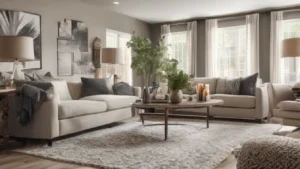
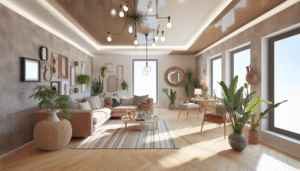
The living room is the heart of the home, a place meant for relaxation and socializing. Embracing Nordic elegance here means inviting light, openness, and multifunctional comfort.
- Layout: Opt for open, airy spaces. Arrange seating in conversational groupings and ensure natural pathways remain clear.
- Colors: Use a neutral base with white or soft gray walls, accented by muted blues or pastel greens to add life without overwhelming.
- Lighting: Incorporate layered lighting with floor and table lamps, plus large windows dressed in sheer curtains to maximize daylight.
Bedroom
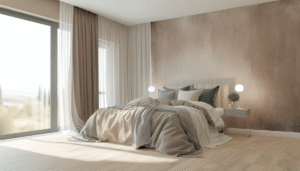
Scandinavian bedrooms are sanctuaries of peace—spaces designed to promote restful sleep and uncluttered tranquility.
- Layout: Keep furnishings minimal; think platform beds with clean lines and low profiles.
- Colors: Embrace soft neutrals like taupe, cream, or dusty rose to cultivate calmness.
- Lighting: Warm bedside lamps and dimmable overhead fixtures create mood flexibility.
Kitchen
The Scandinavian kitchen blends efficiency with welcoming aesthetics, turning cooking spaces into hubs of light and conviviality.
- Layout: Prioritize functionality with smart storage and clear workspace zones.
- Colors: Crisp white cabinets paired with light wood tones invoke openness and hygiene.
- Lighting: Use task lighting under cabinets and pendant lights over dining nooks for warmth and practicality.
Outdoor Spaces
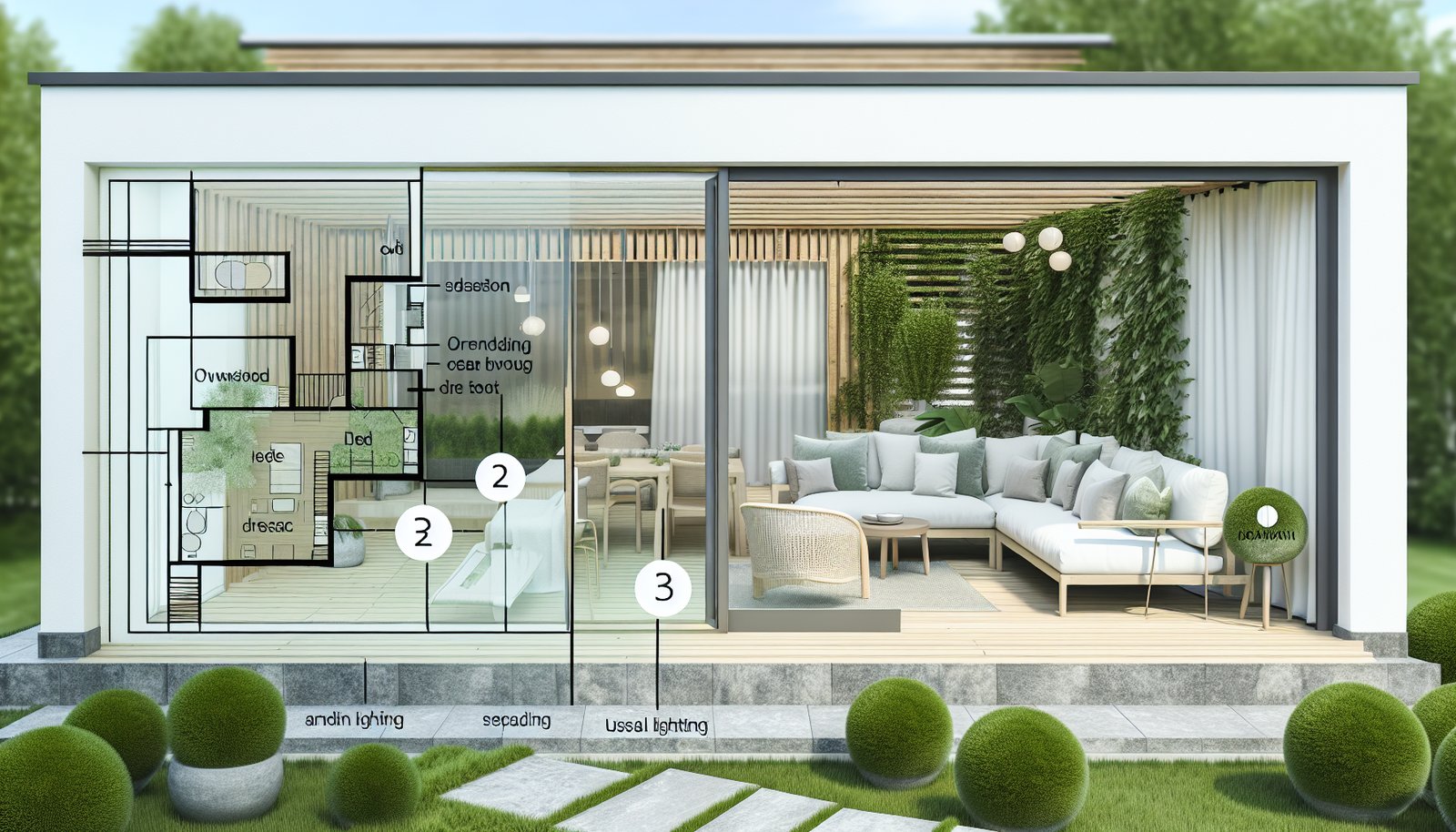
Extending Nordic elegance outdoors means creating cozy retreats that blend nature with comfort.
- Layout: Arrange furniture to face natural views or a fire pit, encouraging relaxation.
- Colors: Use natural earth tones and greys to harmonize with the landscape.
- Lighting: Soft fairy lights or lanterns enhance ambiance on chilly evenings.
Material & Color Psychology
Materials and colors play pivotal roles in Scandinavian interiors, influencing the mood and visual texture of a space.
Materials: Natural textures such as blonde woods (pine, ash, birch) provide warmth and tactile richness. Woven fabrics like linen and wool add softness, while ceramics and glass contribute a clean, understated elegance. The tactile combinations invite a sensory experience beyond pure sight.
Colors: The Nordic palette favors muted, earthy tones—off-whites, pale greys, soft blues, and dusty greens—to create a serene atmosphere. These shades are reflective and help amplify natural light, making spaces feel larger and more open.
Texture and tone interact to shape perception: a smooth matte finish feels calm and modern, while rougher surfaces add rustic charm. Light-colored finishes typically feel expansive and fresh, whereas deeper hues introduce intimacy when applied judiciously.
Styling & Accessorizing Tips
Accessories in Scandinavian interiors are not afterthoughts but intentional accents that elevate and personalize spaces without clutter.
Here are five décor pieces that transform a room with Nordic elegance:
- Textured Throw Blankets: Natural wool or cotton throws add warmth and inviting texture over couches or beds.
- Minimalist Ceramic Vases: Display fresh flowers or seasonal branches for an organic touch.
- Geometric Rugs: Simple, subtle patterns in neutral tones ground living areas beautifully.
- Wooden Candle Holders: Bring soft flickering light balanced with natural elements.
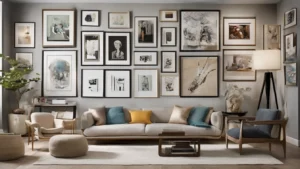
- Wall Art in Monochrome or Pastel: Abstract prints or black and white photography complement rather than compete.
Pro Tip: When accessorizing, embrace a “less is more” mindset. Choose pieces that tell a story or hold sentimental value, enhancing cohesiveness while maintaining openness.
Sustainable & Budget-Friendly Options
Nordic elegance is inherently conscious—with a focus on longevity, eco-friendliness, and thoughtful sourcing. Fortunately, achieving this aesthetic on a budget is entirely possible by making smart choices:
- Upcycle or Buy Second-Hand: Look for vintage Scandinavian furniture or gently used natural textiles to add authenticity affordably.
- Choose Sustainable Materials: Opt for FSC-certified woods, organic cottons, or recycled glass accessories.
- Invest in Timeless Basics: Quality over quantity means selecting classic pieces that stand the test of time rather than chasing trends.
- Neutral Palettes: Paint walls in neutral colors you love, allowing you to easily update accents and textiles seasonally without repainting.
- DIY Accents: Simple handmade crafts like woven baskets or painted ceramics inject personality while being cost-effective.
Choosing clean, classic designs with sustainable production values promotes longevity, ensuring your Nordic interior grows more beautiful and meaningful with time.
Frequently Asked Questions
What color palette makes a room look bigger?
Soft neutrals and light hues like off-white, beige, and pale gray reflect light and create the illusion of space.
How can I make my home look more luxurious on a budget?
Use layered lighting, textured textiles, and strategic statement pieces to elevate your space affordably.
Which materials create a warm, cozy atmosphere?
Natural woods, soft linen, wool, and warm-toned accents bring depth and comfort to any room.
How do I choose the right lighting for a room?
Combine ambient, task, and accent lighting to balance functionality and atmosphere.
What are timeless interior design styles?
Scandinavian, mid-century modern, minimalism, and Japandi are versatile, elegant, and enduring.
Content Disclaimer
This content is for informational purposes only. Interior design choices depend on personal preference, budget, and space limitations. Always consult qualified professionals for structural or renovation advice.
Categories
- Accent Walls & Ceilings (84)
- Art Curation & Gallery (83)
- Bedding Style Trends (89)
- Bedroom Makeover (96)
- Bohemian & Eclectic Styles (80)
- DIY & Budget-Friendly Decor (78)
- Eco-Friendly Design (83)
- Furniture Care (87)
- Home Decor & Design Ideas (181)
- Home Wellness Spaces (103)
- Integrated Outdoor Living (91)
- Japandi Style (84)
- Kids and Nursery Decor (73)
- Living Room Decor (99)
- Mix & Match Techniques (95)
- Modern & Contemporary Design (88)
- Rug Sizing & Placement (89)
- Scandinavian Design Inspiration (51)
- Seasonal Home Decor (100)
- Small Space Solutions (93)
- Wall Art & Painting Tips (94)
Recent Comments
Archives
Product Gallery
-
 Majestic African Wildlife Canvas Art for Stylish Home Decor
Rated 5.00 out of 5
Majestic African Wildlife Canvas Art for Stylish Home Decor
Rated 5.00 out of 5 -
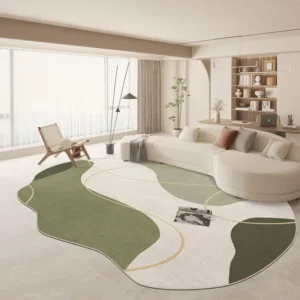 Cozy Irregular Green Plush Rug for Nordic Living Spaces
Rated 5.00 out of 5$33.00 – $203.00Price range: $33.00 through $203.00
Cozy Irregular Green Plush Rug for Nordic Living Spaces
Rated 5.00 out of 5$33.00 – $203.00Price range: $33.00 through $203.00 -
 Scandinavian Geometric Area Rugs for Stylish Home Décor
Rated 5.00 out of 5$25.00 – $365.00Price range: $25.00 through $365.00
Scandinavian Geometric Area Rugs for Stylish Home Décor
Rated 5.00 out of 5$25.00 – $365.00Price range: $25.00 through $365.00


