


Have you ever walked into a room and felt instantly drawn to the floor? That’s the subtle magic of layering rugs—a design technique that adds depth, texture, and warmth to any space. Unleash depth by layering your rugs and discover how this simple yet transformative trick can revamp your home’s atmosphere with sophistication and personality. From boho-chic to classic elegance, rug layering offers limitless creative potential.
This guide will walk you through why layering rugs matters, how to choose complementary pieces, and practical steps to master the look without overwhelm. By the end, you’ll have a clear blueprint to elevate your interiors using rugs like a pro decorator.
What You’ll Learn:
- Why layering rugs creates visual interest and functional benefits
- How to mix styles, patterns, and sizes for balanced depth
- Choosing the right materials and textures to enrich your space
- Step-by-step layering techniques for different rooms
- Expert tips, real-life case studies, and creative inspiration
Ready to create layers of style and comfort? Let’s dive in.
The Art and Benefits of Layering Rugs
Why Layer Rugs? Adding Dimension and Warmth
Layering rugs unlocks an architectural element unique to flooring. It instantly breaks the monotony of a plain surface and adds a tactile layer underfoot. This design choice:
- Creates visual depth to make rooms feel curated and cozy
- Allows combining colors and patterns in dynamic ways without overwhelming
- Introduces contrast in texture—think soft wool over a flatweave jute
- Defines zones inside open-plan areas, improving flow and function
In fact, according to a Houzz Trend Report, 45% of top interior designers recommend layering rugs to add richness and dimension in modern homes.
Design Psychology: Depth Creates Comfort and Interest
Our brains are wired to seek patterns and layers—they signify complexity and care. When a room incorporates layers, it feels more inviting and thoughtfully composed. Layers reduce flatness and instantly make a space feel alive. Layering rugs leverages this psychological effect, encouraging relaxation and visual pleasure simultaneously.
Choosing the Right Rugs for Layering
Material Matters: Texture to Touch and See
The first step in layering is understanding your rug materials. Combining different textures builds contrast to highlight each piece:
- Wool Rugs: Soft, luxurious, and durable; works perfectly as a base for softer layers
- Flat Weaves and Kilims: Lightweight with geometric designs, ideal for layering on top
- Jute and Sisal: Natural, rough textures that ground softer layers above
- Silk and Viscose: Glossy, delicate accents great for small layered rugs
- Sheepskin and Faux Fur: Plush, inviting organic shapes for added tactile interest
Size and Shape Combinations
Knowing how to mix rug sizes takes skill. Here’s a basic rule:
- Place a larger, more neutral rug as your base foundation
- Top it with a smaller, patterned or textured rug that highlights the space
- Mix round, rectangular, or even irregular shapes for dynamic appeal
| Base Rug Shape | Top Rug Shape Options | Styling Impact |
|---|---|---|
| Large Rectangular | Smaller Rectangle, Oval, Round | Classic layered look with structured lines |
| Round | Smaller Round, Square, Natural Sheepskin | Creates softness, organic flow in room |
| Runner | Small Rectangle or Accent Mats | Defines pathways and adds interest to hallways |
Colors and Patterns: Harmonize for Impact
While layering, a common dilemma is mixing colors and patterns without clashing. Effective layering guidelines:
- Choose a color story — a palette of 3-4 shades that complement each other
- Pair bold, graphic patterns with subtle or neutral underlays
- Alternate warm and cool tones to add balance and vibrancy
- Use one rug as a statement piece and the other(s) as understated
Expert designer Emily Mendez suggests:
“Rug layering is like jazz — one dominant chord, with subtle accompaniments playing off each other.”
How to Layer Rugs: Step-By-Step Practical Techniques
Step 1: Choose the Right Spot
Identify the purpose and mood of the room area — whether it’s a living room seating zone, bedroom underfoot comfort, or an entryway statement. Room purpose impacts rug size and layering approach.
Step 2: Select Base Rug
Pick a substantial, neutral rug with enough footprint to ground your space. It could be low-pile wool or even natural fibers like jute to provide a textured foundation.
Step 3: Add the Accent Layer
Place a smaller, richly textured or patterned rug offset slightly to add dynamic visual interest. Experiment with symmetry and asymmetry. Typical placement favors slight overlaps without hiding base rug edges completely.
Step 4: Play with Height and Texture
Consider adding a third layer to boost tactile sensation — perhaps a small sheepskin or a plush throw rug carefully draped overlapping corners.
Step 5: Secure Your Rugs
For safety and stability, use rug pads or double-sided tape. This prevents slips and helps keep the layers in place.
Room-By-Room Layering Ideas
Living Room: Cozy, Curated Comfort
Layer a large neutral wool base rug under your main furniture. Top with a geometric kilim or a vibrant Persian rug to add pattern and historic character. Offset the top rug beneath your coffee table for depth and sociability.
Bedroom: Soft Underfoot Luxury
Try a plush sheepskin or faux fur accent atop a larger flat weave. This combo invites bare feet out of bed, enhancing comfort with dimension and warmth.
Dining Room: Protect and Impress
Layer rugs that can withstand traffic—durable natural fibers on bottom, with a patterned synthetic or wool for vibrancy. Keep layers flat and low-profile to avoid furniture rocking.
Hallways & Entry: Define the Flow
Runners work brilliantly layered over flat woven mats. This adds an artistic touch and directs foot traffic while protecting base flooring.
Case Study: Transforming a Living Room with Rug Layers
Interior designer Lauren Black revamped a mid-century living room by layering a natural jute rug as the base with a vintage Moroccan Berber rug on top. The jute grounded the space with understated earth tones. The Berber added striking tribal patterns and a plush texture. The layered setup drew attention to the seating arrangement, creating separation from an adjacent open kitchen. Lauren notes the clients noticed an immediate warmth and style boost.
Top Tools & Resources to Master Rug Layering
- Home Design Apps: Planner 5D — visualize rugs in your space with drag-and-drop features.
- Online Rug Retailers: Ruggable — reversible and washable rug sets perfect for layering experimentation.
- Interior Design Blogs: Apartment Therapy and Emily Henderson’s blog provide current trends and styling tips.
DIY and Shopping Tips for Layering Rugs
Budget-friendly Options
Look for vintage rugs at local thrift shops or flea markets for unique accents at affordable prices. Layering allows using smaller rugs without requiring an expensive large piece.
Mix High and Low-End Pieces
Combine an investment base rug with a budget top layer to balance quality and style without breaking the bank.
Maintenance Considerations
Layering means double care — choose rugs that clean easily, avoid heavy placement on delicate wools underneath, and rotate regularly.
FAQs About Layering Rugs
What is rug layering and why do it?
Rug layering is placing one rug on top of another to add visual depth, texture, and warmth. It creates interest, defines spaces, and allows mixing patterns and materials creatively.
How do I prevent rugs from slipping when layered?
Use non-slip rug pads or double-sided rug tape between the layers to keep them stable and secure on hardwood, tile, or smooth floors.
Can I layer rugs of different sizes and shapes?
Yes, combining various sizes and shapes (rectangular, round, runner) works well. Typically, a larger base rug supports smaller, differently shaped accent rugs.
What material combinations work best for rug layering?
Mixing natural fibers like wool or jute with softer or plush textures like sheepskin or wool accent rugs enhances both look and feel.
Will layering rugs damage my floors?
No, as long as you use quality non-slip pads and ensure cleaning underneath. Avoid dampness that could trap moisture and cause damage.
Conclusion: Elevate Your Interiors by Layering Rugs
Layering rugs offers a subtle yet powerful way to unleash depth in your space, blending style and function. It transforms floors into a multidimensional design statement, enhances comfort, and allows endless creative play with color, shape, and texture. Whether you’re refreshing your living room, bedroom, or entryway, mastering rug layering enables you to build spaces that feel welcoming and polished.
Start by experimenting with sizes, materials, and patterns that speak to your taste. Remember, the art lies in balance—both visually and tactilely. The right rug layers invite you to linger longer at home, enjoying warm layers beneath your feet and inspiring style in every corner.
For more design insights, explore our interior design tips and home textiles guides.
Content Disclaimer
Information provided for educational purposes. Results may vary based on individual space and style choices.
Categories
- Accent Walls & Ceilings (84)
- Art Curation & Gallery (83)
- Bedding Style Trends (89)
- Bedroom Makeover (96)
- Bohemian & Eclectic Styles (80)
- DIY & Budget-Friendly Decor (78)
- Eco-Friendly Design (83)
- Furniture Care (87)
- Home Decor & Design Ideas (181)
- Home Wellness Spaces (103)
- Integrated Outdoor Living (91)
- Japandi Style (84)
- Kids and Nursery Decor (73)
- Living Room Decor (99)
- Mix & Match Techniques (95)
- Modern & Contemporary Design (88)
- Rug Sizing & Placement (89)
- Scandinavian Design Inspiration (51)
- Seasonal Home Decor (100)
- Small Space Solutions (93)
- Wall Art & Painting Tips (94)
Recent Comments
Archives
Product Gallery
-
 Majestic African Wildlife Canvas Art for Stylish Home Decor
Rated 5.00 out of 5
Majestic African Wildlife Canvas Art for Stylish Home Decor
Rated 5.00 out of 5 -
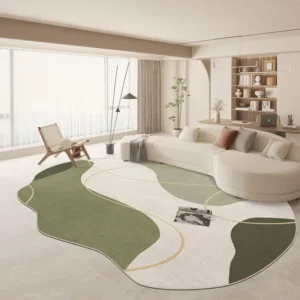 Cozy Irregular Green Plush Rug for Nordic Living Spaces
Rated 5.00 out of 5$56.79 – $358.08Price range: $56.79 through $358.08
Cozy Irregular Green Plush Rug for Nordic Living Spaces
Rated 5.00 out of 5$56.79 – $358.08Price range: $56.79 through $358.08 -
 Scandinavian Geometric Area Rugs for Stylish Home Décor
Rated 5.00 out of 5$40.78 – $617.78Price range: $40.78 through $617.78
Scandinavian Geometric Area Rugs for Stylish Home Décor
Rated 5.00 out of 5$40.78 – $617.78Price range: $40.78 through $617.78