



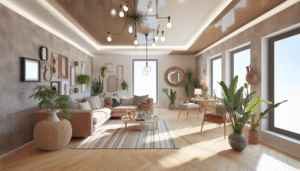


Interactive Decor For Children’s Rooms: Sparking Joy, Growth & Creativity
Imagine a child’s room not just as a place to sleep and store toys, but as a vibrant, ever-evolving landscape designed to ignite their imagination, stimulate their senses, and foster their development. This isn’t a futuristic fantasy; it’s the powerful potential of **interactive decor for children’s rooms**. In an era where screens often dominate, creating physical spaces that encourage hands-on exploration, creative expression, and active engagement is more critical than ever.
This comprehensive guide dives deep into the world of interactive children’s room design. We’ll move beyond mere aesthetics, exploring how thoughtful decor choices can transform a child’s bedroom or playroom into a dynamic hub for learning, play, and growth. From sensory experiences to creative outlets, and from customizable elements to clever storage solutions that invite interaction, you’re about to discover the secrets to crafting spaces that truly adapt and respond to your child’s evolving needs and boundless curiosity. Get ready to unlock the full potential of your child’s environment and witness the magic unfold.
Here’s what we’ll uncover in this deep dive:
- The profound developmental benefits of an interactive environment.
- Practical strategies for incorporating sensory play and educational elements.
- Inspiration for DIY projects and clever hacks to personalize your space.
- Expert tips for balancing style, safety, and functionality.
- How to design for different age groups and evolving interests.
- And much more, all aimed at empowering you to create a truly remarkable interactive space.
The Power of Play: Why Interactive Decor Matters More Than Ever
In our increasingly digital world, children are often passive consumers of entertainment. They swipe, tap, and watch. While technology has its place, the fundamental human need for physical interaction, tactile sensation, and imaginative play remains paramount for healthy development. This is where the concept of interactive decor for children’s rooms truly shines.
It’s not just about making a room “fun.” It’s about building a foundation for cognitive, emotional, and physical growth. A room equipped with interactive elements encourages exploration, problem-solving, and self-expression. Think washable wall murals for budding artists, magnetic walls for ever-changing landscapes, or climbing structures that build gross motor skills. These aren’t just decorations; they’re tools for nurturing a well-rounded child.
Beyond Aesthetics: Developmental Benefits of Interactive Spaces
An interactive room is a living, breathing entity that changes with your child. It’s a testament to belief in their innate curiosity and capacity for learning. But what specific developmental advantages does such a space offer?
Cognitive Development: Engaging Young Minds
Interactive elements can significantly boost a child’s cognitive abilities. Puzzles built into furniture, wall-mounted games, or color-matching activities encourage critical thinking, spatial reasoning, and memory skills. When a child manipulates an object or solves a small challenge within their own room, they’re not just playing; they’re actively building neural pathways. This hands-on engagement fosters problem-solving strategies that are crucial for academic success later on.
Motor Skill Enhancement: Tiny Hands, Big Leaps
From fine motor skills (like manipulating small objects on a sensory board) to gross motor skills (climbing a safe indoor structure or navigating a soft play area), interactive decor provides endless opportunities. These activities are vital for coordination, balance, and physical strength. Instead of just sitting, children are encouraged to move, reach, grasp, and explore, refining their bodily control and awareness.
Emotional & Social Growth: A Space to Feel and Connect
A child’s room is their sanctuary, but it can also be a stage for emotional development. Interactive elements can offer quiet corners for reflection, sensory tools for self-regulation, or areas for collaborative play. A shared art wall fosters cooperation. A reading nook with tactile elements can be a calming retreat for processing emotions. These spaces help children understand themselves better and develop empathy when playing with others.
Creativity & Imagination: Nurturing the Inner Artist and Inventor
Perhaps the most obvious benefit, interactive decor provides a canvas for boundless creativity. Writable walls, rearrangeable furniture, costume corners, or open-ended building stations allow children to express themselves freely. They can invent stories, design worlds, and explore various roles, which are crucial for developing imagination, abstract thinking, and storytelling skills. The room becomes a prop in their never-ending play.
Sensory Integration: A Holistic Approach
Many children benefit immensely from a sensory-rich environment. Interactive decor often includes various textures, sounds, lights, and visual stimuli that help children integrate sensory input effectively. This is particularly important for children with sensory processing sensitivities, providing both stimulating and calming experiences to help regulate their nervous system. (See our section on “Crafting Engaging Sensory Walls” for more in-depth strategies).
Designing for Engagement: Key Principles of Interactive Children’s Rooms
Before diving into specific decor ideas, it’s essential to understand the underlying principles that make a child’s room truly interactive. It’s about more than just adding a few “playful” items; it’s about intentional design that prioritizes accessibility, flexibility, and the child’s perspective.
Child-Centric Design: Seeing Through Their Eyes
The most fundamental rule: design for the child. This means thinking about their height, reach, and developmental stage. Shelves should be within reach. Art supplies should be accessible. Hooks for costumes or backpacks should be at their level. This simple shift empowers children, giving them agency over their space and encouraging independence. Everything should be at a child’s height, not an adult’s. We empower children when we design spaces specifically for them.
Flexibility & Adaptability: Rooms That Grow
Children grow at an astonishing rate, both physically and intellectually. Interactive decor should be able to adapt. Modular furniture, removable wall decals, or interchangeable activity stations ensure the room remains relevant and engaging as they age. This saves money in the long run and prevents the space from becoming quickly outdated. A room that evolves is a room that stays stimulating.
Safety First: Interactive, Not Hazardous
No matter how engaging, safety must always be the top priority. This involves securing furniture to walls, choosing non-toxic materials, eliminating choking hazards for younger children, and ensuring soft surfaces for active play. Rounded corners, sturdy construction, and appropriate installation are non-negotiable. Always double-check safety standards, especially for climbing or larger interactive elements.
Open-Ended Play: Fostering Imagination
The best interactive decor encourages open-ended play, meaning it can be used in multiple ways. A set of oversized building blocks offers more imaginative scope than a single-purpose toy. A simple magnetic board can become a canvas for stories, a learning tool for letters, or a place to display child-made art. These elements stimulate creativity far more than highly prescriptive toys.
Inviting Exploration: A World to Discover
An interactive room beckons children to explore. This could be through hidden nooks, discovery drawers, under-bed storage with a purpose, or even a pathway marked on the floor. Elements that spark curiosity and encourage investigation lead to deeper engagement and learning. Children are natural explorers; their rooms should support this instinct.

Unleashing Creativity: Writable Walls, Magnetic Surfaces & Art Displays
One of the most powerful ways to foster interactive play and creative expression in a child’s room is to transform the very surfaces of the room into canvases for imagination. These aren’t just decor; they are invitations to create, learn, and display their burgeoning talents.
Writable Wonders: Chalkboard & Dry-Erase Walls
Imagine a wall where your child can draw, doodle, write stories, or practice their ABCs without fear of reprimand. Chalkboard paint and dry-erase paint are game-changers for any interactive children’s room. They turn an ordinary wall into an endless canvas. You can dedicate an entire wall, a specific section, or even the inside of a closet door. DIY tutorials are abundant, making this an accessible project.
- Chalkboard Walls: Offer a classic, sensory experience. The tactile feel of chalk, the dust, the rich black surface – it all adds to the charm. Ensure good ventilation for chalk dust and consider using dustless chalk.
- Dry-Erase Walls: Cleaner and vibrant with markers. Easy to wipe clean, perfect for collaborative drawing or practicing math problems. Opt for low-odor, non-toxic markers.
- Hybrid Options: Some paints offer a combination of both or even magnetic properties!
Pro Tip: Install a small ledge or tray beneath the writable surface to hold chalk, markers, and erasers, making them easily accessible for your child.
Magnetic Magic: Interactive Wall Panels
Magnetic walls are another fantastic way to introduce interactive play. You can paint a wall with magnetic primer (then topcoat with any color, even chalkboard or dry-erase paint!), or install magnetic panels. This allows children to arrange letters, numbers, geometric shapes, or even scenes with magnetic toys and characters. It’s perfect for storytelling, learning about gravity, or simply exploring patterns.
This approach transforms a static wall into a dynamic play zone. Children can build, rearrange, and create narratives. Magnetic walls are incredibly versatile and grow with the child, from simple shape matching to complex scene building.
The Art Gallery: Displaying Their Masterpieces
Every child is an artist, and their masterpieces deserve to be celebrated. Creating a dedicated art display area isn’t just about decor; it’s about validating their efforts and fostering self-esteem. This can be as simple as a string with clothespins, a magnetic board specifically for art, or even framed interchangeable displays.
- Picture Ledges: Shallow ledges allow framed or unframed art to be leaned against the wall and easily swapped out.
- Cork Boards: A classic for pinning up drawings, notices, and photos.
- Wire Cable Systems: Professional-looking and allow for many pieces of art to be displayed cleanly.
- Digital Displays: For older kids, a digital frame that cycles through their art can be a modern twist.
Regularly rotating their artwork keeps the room fresh and engaging, and reinforces their creative endeavors. It’s a living gallery that reflects their imagination.

Sensory Explorations: Crafting Engaging Sensory Walls & Zones
Sensory play is fundamental for early childhood development, helping children understand the world around them through touch, sight, sound, and even smell. Integrating sensory elements into interactive decor for children’s rooms can provide calming, stimulating, and educational experiences tailored to their needs.
Building a Sensory Wall: A Tapestry of Textures and Sounds
A dedicated “sensory wall” or panel can be a focal point of interaction. It combines various materials and objects designed to engage multiple senses. This is particularly beneficial for younger children or those with sensory processing differences, but all children benefit from structured sensory input.
- Tactile Panels: Attach swatches of different fabrics (velvet, silk, burlap, faux fur), sandpaper, sponges, or even textured floor samples.
- Sound Makers: Small bells, xylophone keys, shakers, or abacus beads that create gentle sounds when manipulated.
- Visual Stimuli: Mirrors (child-safe and shatterproof), reflective surfaces, color-changing LED strips, or even lava lamps mounted securely.
- Fiddly Bits: Old circuit boards (cleaned and sanitized), plastic gears, latches, buckles, and zippers (firmly attached) for fine motor practice.
- Aromatherapy: A small, safe essential oil diffuser can add a calming scent (use child-safe oils like lavender or chamomile, and consult with a pediatrician).
When creating a sensory wall, ensure all items are securely fastened, non-toxic, and age-appropriate to prevent choking hazards. The beauty of a sensory wall is its customizability; it can be as simple or complex as you wish.
Interactive Light Play: Shadows, Colors & Glow
Light adds a magical, interactive dimension to any room. It’s not just for illumination; it can be a tool for exploration and relaxation.
- Glow-in-the-Dark Decals: Stars, planets, or custom constellations on the ceiling or walls create a mesmerizing night sky, fostering a sense of wonder. They can also offer a soothing transition to sleep.
- LED Strip Lights: Dimmable, color-changing LED strips can transform the mood of a room. Children can experiment with different colors, creating a vibrant disco feel or a calming blue for reading.
- Projectors: Small projectors that cast patterns, rotating lights, or images onto walls and ceilings can be incredibly captivating, sparking imaginative play or providing a calming visual focus.
- Shadow Play: A simple flashlight and a blank wall can provide hours of creative shadow puppet fun, encouraging storytelling and social interaction.
Quiet Sensory Corners: Retreat & Regulation
Even the most interactive room needs a calming space. A “quiet sensory corner” provides a retreat where children can self-regulate and unwind. This area doesn’t have to be large, but it should be inviting and soothing.
- Cozy Nooks: A teepee, a small tent, or a canopy bed creates a defined, enclosed space.
- Soft Textures: Plush rugs, fuzzy blankets, soft pillows add comfort and tactile reassurance.
- Calming Lighting: A salt lamp, a dimmable light, or string lights provide a soft glow.
- Fidgets & Sensory Toys: A box with stress balls, textured toys, or liquid timers can offer quiet, focused stimulation.
- Visual Barrier: A curtain or room divider can help visually separate this space from the more active zones, enhancing the sense of retreat.
These calming zones are crucial for children to process sensory input, manage emotions, and recharge for further interactive play. They balance stimulation with serenity.
Playful Practicality: Modular Furniture & Adaptable Storage Solutions
Interactive decor isn’t just about what’s on the walls; it’s about how the furniture and storage contribute to play and functionality. Modern designs emphasize flexibility, multi-functionality, and accessibility to make the most of every square inch.
The Magic of Modular: Furniture That Transforms
Modular furniture is the cornerstone of an adaptable, interactive room. These pieces can be reconfigured, stacked, or arranged in various ways to suit different activities or age groups. This flexibility ensures the room grows with the child and can easily transition from a play zone to a study area.
- Stackable Seating: Cube ottomans or small modular benches can be seating, tables, or building blocks.
- Convertible Beds: Beds that transform from a crib to a toddler bed, or a loft bed that allows for a play space or desk underneath.
- Moveable Shelving: Units on wheels or lightweight shelves that can be easily repositioned to divide a room, create a fort, or optimize storage.
- Interlocking Play Mats: Not strictly furniture, but essential for soft play zones. They can be rearranged to create different pathways or patterns.
Investing in modular pieces might seem more expensive initially, but their longevity and versatility often make them more cost-effective over time. They are the ultimate interactive backbone for any child’s room.
Storage as Play: Clever Solutions That Invite Interaction
Gone are the days when storage was just about tucking things away. Interactive storage solutions encourage children to participate in tidying up, make choices, and engage with their belongings. When storage is fun, organization becomes a game.
- Open-Front Bins & Tubs: Clear or labeled bins make it easy for children to see and access their toys. This promotes independence and helps with object recognition.
- Role-Play Storage: A toy chest designed as a pirate lockbox, a basket as a treasure chest, or shelves that look like building blocks can turn tidying into an extension of play.
- Pegboards: A versatile wall storage solution for displaying tools, art supplies, or small toys. Children can move pegs and hooks, customizing their display.
- Discovery Drawers: Dedicate a few drawers to specific themes – a “nature drawer” with leaves and rocks, a “fabric drawer” with various textures – and encourage regular rotation.
- Built-in Loft Storage with Slides: For larger rooms, a loft bed with integrated storage and even a slide can turn a simple bed into an entire interactive play structure.
The goal is to make grabbing a toy and putting it back an easy, intuitive, and even enjoyable part of the child’s routine. When storage is accessible and inviting, children are more likely to engage with their belongings and maintain an organized space. This subtly teaches responsibility. Check out this external resource for more creative storage solutions.
The Great Outdoors, Indoors: Climbing Walls, Play Nooks & Active Zones
Children have an innate need to move, climb, and explore. Interactive decor for children’s rooms can bring elements of active play indoors, providing essential physical outlets regardless of weather conditions. These zones aren’t just for burning energy; they build strength, coordination, and confidence.
Mini Climbing Walls & Indoor Play Structures
For the active and adventurous child, a small climbing wall or an indoor play structure can be a dream come true. These require careful planning and installation but offer immense developmental benefits.
- Rock Climbing Walls: Install a small section of a wall with child-friendly climbing holds. Ensure a properly padded crash mat is always in place. Start with fewer, larger holds for younger children, gradually adding more varied challenges.
- Swedish Ladders / Wall Bars: These classic gym structures are excellent for climbing, hanging, and bodyweight exercises. They are very sturdy and can be combined with rings or ropes.
- Indoor Playhouses / Forts: A permanent or semi-permanent playhouse structure within the room can be a multi-functional hub for imaginative play, reading, and even a quiet retreat.
- Modular Play Couches: These versatile foam couches can be transformed into forts, slides, or soft landing pads for climbing. They’re excellent for creative physical play without permanent fixtures.
Safety Note: Always consult with a professional for installation of permanent climbing structures and adhere strictly to manufacturer’s guidelines for weight limits and safety protocols. Use appropriate flooring like thick playmats beneath any climbing or active play zones.
Swings, Hammocks & Aerial Silks: Dynamic Movement
Adding elements that encourage dynamic movement can be incredibly beneficial for sensory input and proprioception (the sense of body position and movement). These require very secure ceiling mounting.
- Indoor Swing: A simple rope swing, disc swing, or even a baby swing (for younger ones) can provide vestibular stimulation and endless fun.
- Cocoon Swings / Pod Swings: These offer a cozy, enclosed space that provides calming deep pressure and gentle swinging—perfect for children who benefit from sensory input.
- Hammocks / Hanging Chairs: A comfortable spot for reading or relaxing that also offers gentle movement.
- Aerial Silks / Yoga Swings (for older kids): Under expert supervision and with proper training, these can be a fantastic way for older children to develop strength, flexibility, and spatial awareness.
These dynamic elements should always be used with careful supervision and installed by a professional to ensure maximum safety. They add a thrilling interactive dimension to the room.
Movement Mats & Activity Decals: Ground-Level Fun
Not every active zone needs to involve climbing high. Floor-level interactive elements encourage movement, coordination, and cooperative play.
- Hopscotch or Maze Decals: Apply vinyl decals to the floor to create a permanent hopscotch grid, a maze, or even a winding road for toy cars. These are highly engaging and promote gross motor skills.
- Balance Beams: Low-profile wooden or foam balance beams can be placed on the floor for children to practice their balance and coordination.
- Soft Play Blocks: Large, lightweight foam blocks can be easily rearranged to build forts, obstacle courses, or soft climbing structures.
- Yoga/Acrobatics Mats: A dedicated area with a padded mat encourages stretching, tumbling, and imaginative movement play.
These ground-level activities are fantastic for encouraging physical activity without requiring extensive space or complex installations. They turn the floor itself into an interactive playground.

Tech-Integrated Interaction: Smart Surfaces & Digital Play
While the focus of interactive decor is often tangible and physical, responsible integration of technology can elevate a child’s room, offering unique learning and play opportunities that blend physical and digital worlds. The key is balance and intentionality.
Projection Play: Walls as Interactive Screens
A short-throw projector can turn any blank wall into a large, interactive display. This isn’t just about watching movies; it’s about dynamic engagement.
- Interactive Games: Many projectors can connect to gaming consoles or educational apps with motion sensing, allowing children to physically interact with projected games (e.g., throwing a soft ball at targets or touching projected elements).
- Digital Whiteboards: Project a blank whiteboard or grid for drawing and writing using stylus or touch (with special projection systems).
- Storytime Immersion: Project scenes from books or animated backgrounds to create an immersive storytelling environment.
- Constellation/Planetary Projections: Transform the ceiling into a planetarium for learning about astronomy.
The large-scale visual impact can be incredibly engaging, making learning feel like an adventure. Ensure projectors are mounted securely and out of reach of children.
Smart Lighting Systems: Mood, Play & Learning
Modern lighting goes far beyond simple on/off switches. Smart lighting systems can be interactive tools for play, learning, and emotional regulation.
- Color-Changing Lights: Children can experiment with different colors using a remote or app, associating colors with moods or learning about the color spectrum.
- Sound-Reactive Lights: Lights that pulse and change with music add a dynamic, sensory element to dance parties or quiet listening.
- Scheduled Light Sequences: Use smart lights to create a “wake-up” sequence with gentle light increasing, or a “bedtime” sequence with calming colors and dimming.
- Interactive Light Panels: Wall-mounted panels that respond to touch or sound, changing color or pattern, provide a fascinating visual and tactile experience.
Smart lights can foster a deeper understanding of cause and effect and allow children to personalize their environment in engaging ways. They add a sophisticated layer to interactive decor.
Interactive Storytelling & Learning Devices
Certain educational tech tools are designed for hands-on interaction and can be seamlessly integrated into a child’s room setup.
- Screen-Free Storytellers: Devices that project stories, play audiobooks, or create interactive soundscapes, allowing children to engage with narratives without a traditional screen.
- Programmable Robots/Coding Toys: For older children, a dedicated space for “robotics” or coding toys allows them to build and program, fostering computational thinking and problem-solving.
- Digital Art Tablets (with supervision): For children who love digital drawing, a dedicated tablet with a stylus can be an interactive art station.
The key to successful tech integration is choosing tools that promote active engagement rather than passive consumption. These devices should enhance, not replace, physical play and human interaction.

DIY & Budget-Friendly Interactive Decor Ideas
Creating an interactive child’s room doesn’t require a massive budget or a team of professional designers. Many of the most engaging elements can be achieved through clever DIY projects and thoughtful repurposing. Often, the process of creating these elements *with* your child becomes an interactive experience in itself!
Transforming with Paint: The Ultimate DIY Tool
Paint is your most versatile and cost-effective tool for interactive decor. A gallon of specialized paint can completely transform a wall.
- DIY Chalkboard Wall: As mentioned, this is a classic. A small can of chalkboard paint can cover a section of a wall or a piece of plywood.
- Magnetic Paint Base: Apply magnetic primer, then topcoat with any color. This creates a hidden interactive surface for magnetic letters and artwork.
- Road/Track Wall Decals (or paint): Use painter’s tape and black paint to create a winding road or train track directly on a wall or floor. Add details with white paint.
- Growth Chart Wall: Paint a giant ruler on a wall. Use paint pens for numbers and markings, and let your child mark their height periodically.
Always use low VOC (Volatile Organic Compound) or zero VOC paints for children’s rooms to ensure a healthy environment.
Repurposing & Upcycling: Creative Solutions
Before buying new, look around your home or visit thrift stores for items that can be repurposed into interactive decor.
- Old Ladder Shelving: An old sturdy ladder can be safely secured to the wall to create unique, multi-level shelving for books or toys.
- Fabric Scraps Sensory Board: Gather various fabric scraps (velvet, denim, felt, satin) and glue/staple them onto a sturdy board for a tactile sensory experience. Add buttons, zippers, or laces.
- Button & Bead Wall Maze: Use an old picture frame and attach strings across it, then thread large buttons or beads for a simple wall maze.
- Crate Storage with Flair: Wooden crates can be painted, stacked, and secured to the wall to create modular open shelving units.
These projects are not only budget-friendly but also encourage sustainability and creative thinking. Involve your child in the decoration process; it makes the space more “theirs.”
Inexpensive Sensory Bins & Discovery Bottles
While not strictly decor, these can be displayed beautifully and swapped out regularly to keep the interactive elements fresh. They are incredibly easy and cheap to make.
- Sensory Bins: Fill a plastic bin with dried beans, rice, pasta, water beads, or sand. Add scoops, small toys, and natural elements for endless tactile play.
- Discovery Bottles/Jars: Fill clear plastic bottles with water, glitter, beads, small toys, or oil. Seal securely. These can be calming “sensory bottles” or “I Spy” discovery games.
- Nature Exploration Jars: Clear jars for displaying interesting leaves, feathers, stones, or flowers collected during outdoor adventures.
Place these on low shelves or a small table in a dedicated “discovery zone.” They offer rich sensory input and imaginative play without taking up much space.
DIY Building Stations: Encouraging Construction
Provide the raw materials and a designated space, and watch your child build wonders.
- Lego Wall/Table: Glue large Lego baseplates onto a wall or a table surface. This creates a permanent, ready-to-build station.
- Magnetic Tile Wall: Similar to Lego, some magnetic tiles are designed to stick to metal surfaces, allowing for vertical building.
- Recycled Materials “Tinkering” Area: A box filled with cardboard tubes, bottle caps, yarn, fabric scraps, and tape encourages open-ended invention and construction.
These simple, budget-friendly ideas prove that you don’t need expensive gadgets for meaningful interactive decor. Often, the simpler the concept, the more room it leaves for a child’s imagination.

Age-Appropriate Interaction: Designing for Every Stage
The beauty of interactive decor for children’s rooms lies in its adaptability. What engages a toddler won’t necessarily captivate a pre-teen. Designing an interactive space means understanding the developmental needs and interests of different age groups and evolving the room accordingly.
Infants & Toddlers (0-3 Years): Sensory & Exploration
For the youngest inhabitants, interaction is all about stimulating senses and encouraging basic motor skills. Safety is paramount.
- Soft Play Areas: Foam mats, soft climbing blocks, and baby-safe mirrors encourage movement and self-discovery.
- Low-Level Sensory Boards: Texture panels, baby-safe rattles firmly attached to a wall, or discovery bottles.
- Mobiles & Projections: Visually stimulating mobiles, light projectors (stars, gentle patterns) for ceiling interaction.
- Cause & Effect Toys: Activity walls with simple levers, buttons, and flaps that produce a safe sound or visual change.
- Board Book Display: Forward-facing shelves for chunky board books, making them easy to grab.
Focus on tactile, visual, and auditory stimuli, always ensuring everything is securely attached and free of choking hazards. Simplicity and consistency are key.
Preschoolers (3-5 Years): Imagination & Pre-Academics
This is the golden age of imaginative play. Rooms should support role-playing, early literacy, and fine motor development.
- Writable Walls: Chalkboard or dry-erase walls for drawing, practicing letters, and collaborative art.
- Magnetic Walls: For magnetic letters, numbers, shapes, and character play.
- Dress-Up Corner: Accessible hooks and a small mirror for costumes and role-play.
- Construction Zones: Lego tables, block bins, or a designated area for building with various materials.
- Theme Walls: A wall mural depicting a forest, ocean, or city that serves as a backdrop for imaginative adventures.
- Simple Puzzles & Games: Wall-mounted wooden puzzles or activity panels.
Encourage storytelling and open-ended play. The room should be a stage for their burgeoning narratives.
Early Elementary (6-8 Years): Skill Building & Hobbies
Children in this age group are refining skills, developing specific interests, and starting to enjoy more complex games and projects.
- Dedicated Art Station: Easel, accessible art supplies, and a prominent display area for their creations.
- Reading Nook: Cozy, comfortable, well-lit, and stocked with books relevant to their growing interests.
- Sports/Active Zone: Mini basketball hoop, climbing holds (with safety mats), or a balance beam.
- Science Exploration: A magnifying glass, a place to display nature finds, or simple experiment kits on an accessible shelf.
- DIY Project Boards: Pegboards for tools, craft supplies, or small collections encourages hobbies.
- Organizational Systems: Involve them in labeling storage bins for school supplies and craft items.
Support their emerging hobbies and independence. The room should reflect their growing personality and capabilities.
Pre-Teens & Tweens (9-12 Years): Personalization & Self-Expression
At this stage, children highly value their personal space and want to express their individuality. Interactive decor should offer opportunities for customization and reflection of their evolving self.
- Mood Lighting: Smart LED strips that they can control to change ambiance.
- Customizable Wall Displays: Photo collages, changeable art displays, or bulletin boards for posters and invitations.
- Music Zone: A comfortable spot with headphones, speakers, or even a small instrument.
- Homework/Project Station: A functional desk with good lighting, but also creative organization tools like pegboards or magnetic strips for notes and schedules.
- Relaxation Zone: A beanbag, comfortable chair, or floor cushions for reading, listening to music, or just chilling.
- Interactive Storage: Display cases for collections, trophy shelves, or storage that functions as part of a decorative theme.
Allow them significant input in decor choices. A room that feels personally curated will be cherished and utilized more. The interactive elements here often shift from pure play to more nuanced forms of self-expression and practical creativity.
By continually assessing your child’s age and interests, you can ensure their interactive room remains a dynamic and cherished space throughout their childhood.
Case Studies: Real-World Interactive Room Transformations
Seeing interactive decor in action can provide immense inspiration. These hypothetical case studies illustrate how different families leveraged interactive design principles to create engaging, developmental spaces for their children.
Case Study 1: “The Explorer’s Den” – A Small Space, Big Adventure
Challenge: Sarah and Tom lived in a small apartment and wanted to create an interactive room for their 4-year-old son, Leo, who loved animals and jungle adventures. Space was extremely limited.
Solution:
- Vertical Exploration: They painted one accent wall with a magnetic, chalkboard-finish paint. Leo could stick magnetic animal cutouts, draw trees, and write animal names.
- Multifunctional Furniture: A sturdy, low bunk bed was chosen, with the bottom bunk transformed into a “cave” reading nook using curtains and soft pillows. The top bunk remained his sleeping area.
- Sensory Path: They used peel-and-stick floor decals to create a “river” path, which Leo loved to follow. Alongside the path, they mounted a small, child-safe mirror at his height and a simple sensory board with fabric textures.
- Hidden Treasures: Clear, stackable bins with animal figure sets were kept on low, open shelves. When stored, they looked neat, but were easily accessible.
Result: Leo’s room became his personal jungle. The magnetic wall saw daily transformations, from a safari park to a dinosaur habitat. The reading cave was his go-to for quiet time, and the floor path engaged his gross motor skills. Sarah noted, “We didn’t need a huge room. Just clever, interactive elements that brought Leo’s world to life.”
Case Study 2: “The Creative Lab” – Fostering a Young Artist & Inventor
Challenge: Maria and David wanted to support their 7-year-old daughter, Chloe, who was passionate about art and loved to build things, without her supplies taking over the entire house.
Solution:
- Dedicated Art Wall: They installed two large panels of dry-erase material on one wall, flanked by a wire cable art display system. Chloe could draw freely, and her finished pieces were easily displayed and rotated.
- Pegboard Innovation Station: Above a child-sized desk, a large pegboard was installed. It held small baskets for art supplies (pens, brushes, scissors), spools of string, and hooks for tools. Chloe could rearrange her “station” as her projects evolved.
- Modular Storage Cubbies: Deep, open cubbies were placed under the window, each holding themed bins for art materials (paints, paper, clay) and “invention parts” (recycled cardboard, bottle caps, fabric scraps). These were labeled with pictures and words.
- Interactive Lighting: A smart LED strip was installed behind the art wall, allowing Chloe to change colors to match her mood or inspire her current artistic project.
Result: Chloe’s room became her inspiring creative sanctuary. The dry-erase walls were constantly covered with new designs, and the pegboard kept her supplies organized but accessible, encouraging independence. David observed, “The interactive aspects of her room mean she’s always creating, and her tools are always within reach. It’s a joy to see.”
Case Study 3: “The Sensory Oasis” – A Calming & Engaging Space
Challenge: Emily’s 5-year-old son, Noah, had sensory sensitivities and needed a room that provided both calming input and stimulating, safe interactive play options.
Solution:
- Quiet Sensory Corner: A corner of the room was defined by a soft teepee tent filled with beanbags, heavy blankets, and a weighted lap pad. Inside, a color-changing light projector gently rotated patterns on the ceiling.
- Tactile Wall Panel: A large plywood board was covered with various textures: faux fur, sequin fabric, sandpaper, velvet, and a “fidget spinner” panel with securely attached buckles and zippers.
- Resilient Floor Play: The entire floor was covered in thick, interlocking foam mats to a provide soft, safe surface for rolling, crawling, and gentle impacts.
- Cocoon Swing: A fabric cocoon swing was securely mounted to the ceiling, offering a deep-pressure, gentle vestibular input.
- Discovery Shelf: A low shelf held clear, sealed “discovery bottles” filled with glitter, water beads, and small floating objects for visual tracking.
Result: Noah’s room became a haven. The cocoon swing became a beloved spot for regulation, and the sensory board provided focused engagement. Emily shared, “Noah feels safe and regulated here. The interactive elements aren’t overwhelming; they’re designed to meet his specific sensory needs in a supportive way. It’s truly his oasis.”
These case studies underscore the fact that interactive design is about thoughtful, purposeful choices that cater to the individual child, transforming their room into a place of active growth and boundless possibility.
Troubleshooting & Maintenance: Keeping the Interactive Magic Alive
An interactive room is a dynamic space, and like any dynamic system, it requires a bit of ongoing attention to keep it safe, engaging, and functional. From cleaning to refreshing elements, thoughtful maintenance ensures the magic never fades.
Cleaning & Safety Checks: Prioritizing Well-being
Regular cleaning and safety inspections are non-negotiable, especially in a room with numerous interactive elements.
- Writable Surfaces: Chalkboard walls should be wiped with a damp cloth periodically to prevent buildup. Dry-erase walls need regular cleaning with appropriate solution to prevent staining.
- Sensory Elements: Regularly check tactile surfaces for wear and tear. Ensure all items on sensory boards are still securely attached. Clean fabric swatches as needed.
- Climbing Structures: Inspect all climbing holds, bolts, and ropes regularly for looseness or damage. Check crash mats for tears or excessive compression.
- Floor Decals/Paint: Ensure floor decals aren’t peeling, presenting a tripping hazard. Clean painted floors with appropriate, child-safe cleaners.
- Overall Cleanliness: Dust less-frequently accessed areas. Use child-safe, non-toxic cleaning products for all surfaces.
Teach older children how to responsibly clean their interactive surfaces and how to report any safety concerns. Making them part of the maintenance process fosters a sense of ownership.
Refreshing Interactive Elements: Preventing Boredom & Promoting Growth
Children’s interests evolve rapidly. An interactive room should too. Regular refreshing of elements keeps the space novel and engaging.
- Rotate Toys & Materials: Don’t display everything at once. Keep a selection of toys, building materials, and art supplies in rotation. When old items reappear after a break, they feel new again.
- Update Art Displays: Regularly swap out your child’s artwork on their display wall. This celebrates their latest creations and keeps the gallery fresh.
- Change Sensory Bin Contents: If you use sensory bins, change the base material (rice, beans, pasta) and accompanying scoops/toys every few weeks or months.
- New Challenges for Climbing Walls: For older children, occasionally rearrange the climbing holds on an indoor wall to create new routes and challenges.
- Seasonal Themes: Incorporate seasonal decor or books that encourage interaction related to holidays or seasons.
Just as a garden needs tending, an interactive room flourishes with regular curation. It ensures the space continues to meet your child’s evolving developmental needs and keeps their curiosity piqued.
Empowering Children in Maintenance: Ownership & Responsibility
Involving children in the maintenance of their interactive room is a powerful way to teach responsibility and foster a sense of ownership. This isn’t just about chores; it’s about valuing their space.
- “Putting Away” as a Game: Make tidying up an extension of play. “Race the clock,” “color-match the toys,” or “find ten items for the bin.”
- Labeling & Organization: Involve them in creating picture labels for storage bins and finding the “home” for various items.
- Tool Care: Teach older children how to properly clean paint brushes, put caps on markers, and organize their building supplies.
- Decision-Making: Let them choose what art to display, which blocks to put out, or what theme to create on the magnetic wall.
When children are partners in creating and maintaining their interactive space, they are more likely to respect it, keep it tidy, and continue engaging with its possibilities. This subtle yet profound shift transforms maintenance from a chore into a collaborative effort, strengthening their bond with their unique environment.
The Ultimate Interactive Decor Checklist for Busy Parents
Feeling overwhelmed by all the possibilities? Here’s a quick, actionable checklist to help you prioritize and implement interactive decor in your child’s room:
- Assess the Child: What’s their age, current interests, energy level, and developmental needs? What do they love to do? What challenges do they face?
- Evaluate the Space: What’s the size, existing layout, and natural light? What are the room’s strengths and limitations?
- Prioritize Safety: Before anything else, childproof the room. Secure furniture, choose non-toxic materials, eliminate hazards.
- Define Interactive Zones: Do you need a creative zone, an active zone, a quiet sensory corner, a reading nook? Don’t try to do everything at once.
- Start with a Writable Surface: Chalkboard or dry-erase paint is a high-impact, relatively low-cost starting point.
- Incorporate Sensory Elements: Even a simple sensory board or a few discovery bottles can make a big difference.
- Think Vertical: Use walls for interaction (magnetic boards, art displays, climbing holds) to save floor space.
- Choose Flexible Furniture: Look for modular pieces, convertible beds, or items that serve multiple functions.
- Make Storage Accessible & Fun: Open bins, labeled containers, and themed storage encourage tidying.
- Embrace DIY: Look for opportunities to repurpose items or use simple materials like paint to create interactive elements. Get the child involved!
- Consider Responsible Tech Integration: If using tech, ensure it promotes active engagement (projectors, smart lights, educational devices).
- Plan for Refreshing: Create a system for rotating toys, updating art, and changing sensory elements to keep the room dynamic.
- Empower the Child: Involve them in decision-making and maintenance to foster ownership and independence.
- Observe & Adapt: Watch how your child uses the space. What works? What doesn’t? Be prepared to adjust and evolve the room as they grow.
This checklist is your roadmap to transforming a static bedroom into a dynamic, interactive space that supports your child’s joyful growth and boundless curiosity. Remember, the goal isn’t perfection, but progress and purposeful interaction.
FAQ: Your Questions on Interactive Children’s Room Decor Answered
What age is best for interactive room decor?
Interactive decor is beneficial for children of all ages, from infants to pre-teens. The key is to select age-appropriate elements. For infants, focus on sensory stimulation and safe exploration. For toddlers and preschoolers, encourage imaginative play and early learning. Older children benefit from elements that support hobbies, self-expression, and skill development. Adaptability is crucial for longevity.
Is interactive decor messy? How do I keep it tidy?
It can be, but thoughtful design helps! Implement accessible, clearly labeled storage solutions (open bins, cubbies). Involve your child in the tidying process by making it fun or part of their routine. Writable walls need regular cleaning, and rotating toys keeps fewer items out at a time. The goal is “managed messiness” that encourages creativity without overwhelming the space.
What are some safe interactive decor ideas for small rooms?
For small rooms, think vertically and multi-functionally. Utilize wall space for chalkboard/magnetic paint, pegboards, and wall-mounted games. Choose modular or convertible furniture (e.g., a loft bed with a play space underneath). Floor decals provide interactive paths without taking up physical space. Focus on one or two high-impact interactive zones rather than trying to fit everything.
How do I ensure the decor is both interactive and aesthetically pleasing?
Balance is key. Choose a cohesive color palette. Integrate storage that blends with the room’s design. Frame your child’s artwork for a gallery feel. Instead of brightly colored plastic, opt for wooden toys, natural materials, or pastel shades for larger interactive elements. The room can be both a play zone and a beautiful, harmonious space. Consider how functional items can also serve as decorative accents.
Are climbing walls or swings safe for an average child’s room?
Yes, *if installed correctly and supervised*. Always use professional installation for any ceiling-mounted items or wall-mounted climbing structures. Ensure appropriate safety mats are in place. Choose age-appropriate equipment and adhere to weight limits. Regular safety checks are vital. For younger children, start with low-level climbing or soft play options.
What are the long-term benefits of interactive decor for children?
The long-term benefits are profound. Interactive decor fosters independence, curiosity, cognitive development (problem-solving, creativity), physical health (motor skills), and emotional regulation. It creates a space where children feel empowered, valued, and continually engaged, building a strong foundation for lifelong learning and well-being. It’s an investment in their holistic development.
Can interactive decor help with children’s screen time reduction?
Absolutely. By providing attractive, engaging, and accessible alternatives for hands-on play and exploration within their own room, children are naturally drawn to physical activities. A well-designed interactive space becomes more compelling than a passive screen, encouraging active play, imagination, and practical skill development, thus promoting a healthier balance.
Where can I find affordable interactive decor elements?
Look at craft stores for DIY supplies (paint, fabric scraps, wooden shapes). Thrift stores and online marketplaces are great for repurposing furniture or finding unique items. Educational toy stores often have durable, open-ended play items. Don’t underestimate natural elements from outdoors or simple household items; creativity is key in finding budget-friendly interactive decor.
Conclusion: Cultivating Curiosity, One Room At A Time
The journey to creating a room with truly **interactive decor for children’s rooms** is a profoundly rewarding one. It’s an investment not just in interior design, but in your child’s holistic development, well-being, and boundless potential. We’ve explored how a thoughtful integration of sensory elements, creative surfaces, active zones, and adaptable furniture can transform a static space into a dynamic incubator for learning, imagination, and joy.
Remember, the goal isn’t to create a perfect, Pinterest-ready room, but a living, breathing environment that responds to your child’s unique needs and ever-evolving interests. Start small, involve your child in the process, prioritize safety, and don’t be afraid to experiment. The most impactful interactive decor often stems from the simplest, most accessible ideas.
By empowering your child to interact with their environment, you’re fostering independence, problem-solving skills, and a lifelong love of exploration. So go ahead, unleash your creativity, and embark on this wonderful adventure of cultivating curiosity, one interactive room at a time. Your child’s imagination is waiting to be set free.
Ready to design? Explore our other guides on child-friendly design principles or share your own interactive room ideas in the comments below!
Content Disclaimer
The information provided in this article regarding interactive decor for children’s rooms is intended for general informational and educational purposes only. While we strive to offer accurate and helpful advice, it is not a substitute for professional consultation with certified child development specialists, interior designers, safety experts, or medical professionals. Always prioritize safety, especially when installing climbing structures, swings, or using sharp objects and small parts. Consult product manufacturers for specific safety guidelines and age recommendations. Results and experiences may vary based on individual circumstances and implementations. We may mention specific types of products or tools, but this does not constitute an endorsement, and users should always conduct their own research to determine suitability for their specific needs.