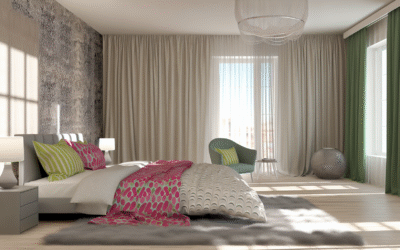
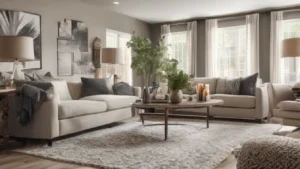
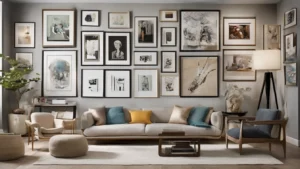

If you’ve ever wandered through a Scandinavian home—think spacious, light-drenched rooms with that unmistakable blend of practicality and coziness—you might have noticed how even the simplest elements manage to elevate the entire space. One trick that designers lean on without overcomplicating things is the accent wall. But hey, isn’t “accent walls” just something flashy that contradicts Scandinavian minimalism? Not quite. Let me explain.
Why Accent Walls? Because Scandinavian Design Isn’t Just White Walls
You know what’s great about Scandinavian interiors? They celebrate simplicity, but not sameness. White walls are kind of a given—they bounce natural light around, making spaces feel airy and fresh. Yet, if every wall was spotlessly white, things could start feeling a bit, well, sterile or bland—like staring at a blank canvas for too long. Accent walls, done right, inject just the right splash of personality without drowning the serene vibe.
The accent wall’s job: to create a focal point, a little visual heartbeat in the rhythm of clean lines and natural textures. It’s a way to whisper in color, texture, or pattern rather than scream. Imagine a soft mossy green backdrop behind a sleek modern sofa or a slab of raw wood adding warmth on one side of a dining nook. It’s less about shouting “Look at me!” and more about saying “Here’s a cozy corner for you to notice.”
What Makes a Wall Awesome for Accent-ing in Nordic Style?
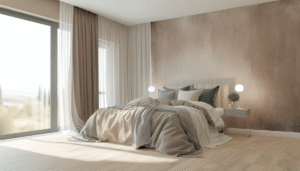
Not all walls are created equal—literally. The trick is to choose one that naturally draws the eye or gives your mind a little place to linger. In Scandinavian rooms, accent walls often cozy up next to the spot where you’d want to rest or focus: behind the headboard, along a fireplace, or around a window nook that drinks in the Nordic light.
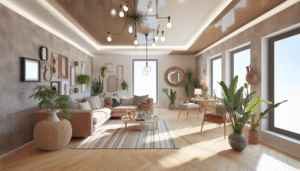
Scandinavian interiors often lean toward open spaces where furniture and light flow rather than cluttered, closed-off zones. So, picking a wall for accent means thinking about how it impacts the overall openness. You wouldn’t want a loud pattern to dominate a tiny room—then it’s all drama and no calm.
Let’s Get Textured: Materials for That Scandinavian Accent Wall
This part? Oh, it’s where things get juicy—or at least tactile. Texture is king (or queen) in Nordic aesthetics. While the base of these interiors is often sleek, introducing textures adds layers of interest that feel natural, not forced. Here are some materials that Scandinavian designers often flirt with:
- Wood Paneling: Ah, the evergreen classic. Whether it’s light pine planks running vertically or weathered barn wood cladding, wood instantly invites warmth. It’s like wrapping a home in a cozy, familiar hug.
- Shiplap Beads: Narrow, horizontal panels painted soft hues or left natural give a subtle definition without overpowering the airy feel. It’s a nod to Nordic roots and maritime charm.
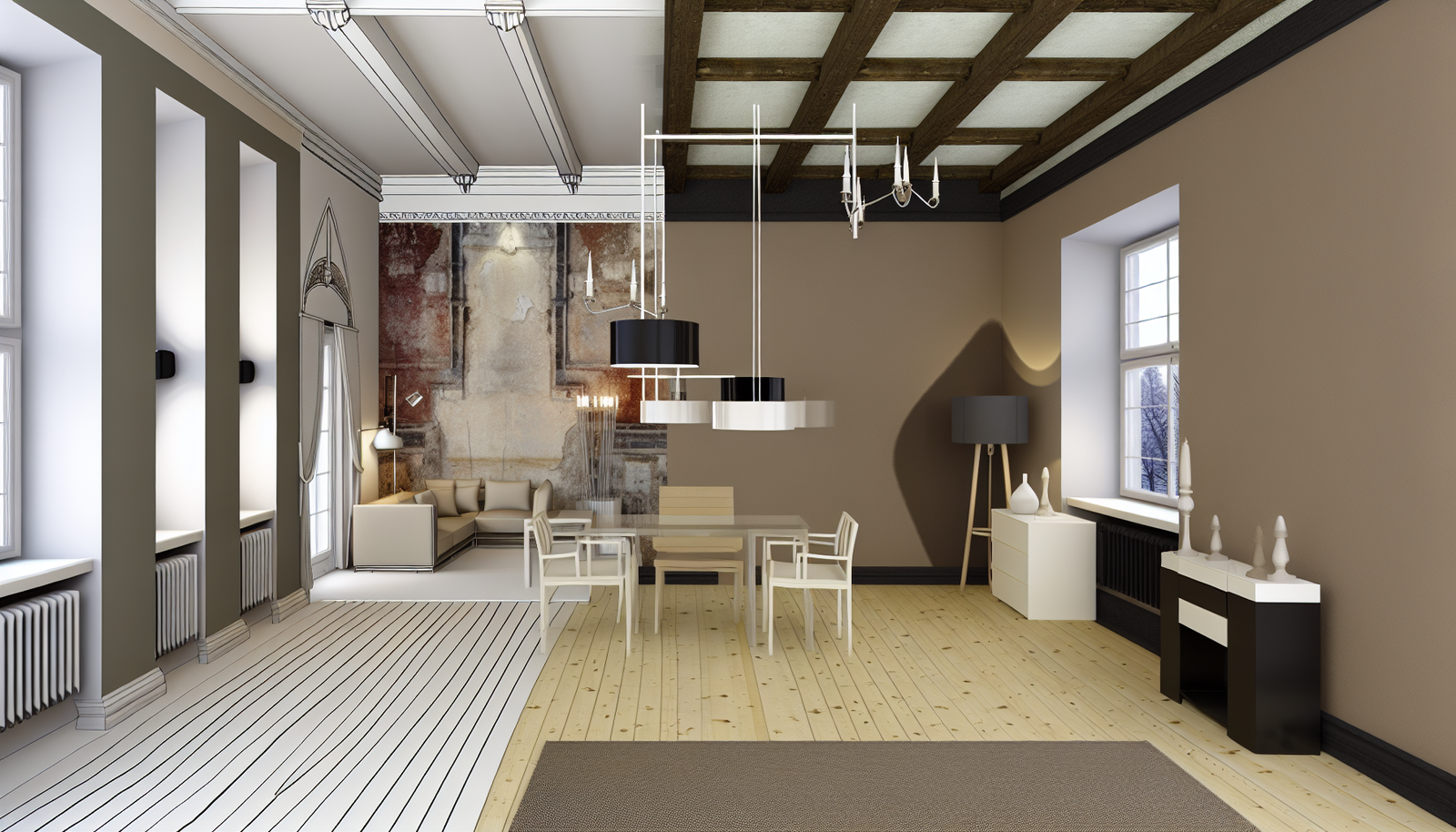
- Textured Plaster or Stucco: Slightly rough, painted matte surfaces evoke a sense of ruggedness without adding color chaos. Think of it like the tactile equivalent of soft wool underfoot.
- Stone or Brick Accents: Often painted white or dipped in soft gray. They anchor the room by adding an organic, timeless edge—perfect for rustic Nordic vibes that nod toward the outdoors.
Each choice plays into the tactile quality that’s so central to Scandinavian design: comfort not just seen, but felt.
Colors That Speak Softly But Stand Out
Now, is Scandinavian design all pastels and whites? Not necessarily. Yes, the palette skews light and muted, but that doesn’t mean color is banned. It’s more subtle, like an artful murmur instead of a shout. Accent walls often flirt with shades that echo nature, shadows, or soft twilight skies.
Here’s the gist of it:
- Cool blues and muted greys—those soft whispers of the northern skies right before dusk.
- Forest greens and mossy hues—bringing in the tranquil wet woods and quiet moss beds.
- Gentle terracotta and clay tones—a nod to raw earth, grounding spaces with warmth.
- Charcoal or slate—providing contrast that’s bold but still understated.
It’s like painting your walls with a piece of the outside world, without fuss. The colors are less paint swatches, more stories told quietly.
Patterns? Yes, But Let’s Keep It Chill
The word “pattern” probably makes many Scandinavian design fans cringe a bit—too flashy, too busy, right? But here’s a little secret: subtle, nature-inspired patterns and understated geometrics can work wonders if you don’t go overboard.
Think of these ideas:
- Soft wood grain patterns that mimic birch bark or driftwood.
- Simple, repetitive motifs inspired by Nordic knitting, those quaint, heritage designs—just a whisper on the wall.
- Delicate stripes or grids in soft grey tones to add structure without stealing the spotlight.
Patterns like these just give a small nod to personality and craftsmanship, blending heritage with a modern twist. Less about impressing your guests at first glance, more about that comforting sense you get when you really notice stuff.
Lighting and Accent Walls: The Dynamic Duo You Didn’t Expect
You could have the most gorgeous accent wall in the world, but without smart lighting, it falls flat. Scandinavian design borrows heavily from the outdoors—but since northern winters don’t exactly gift lots of sunshine, lighting’s not just functional; it’s part of the mood.
Here’s the thing—when a wall is your focal point, how you light it matters. Soft, diffuse overhead lighting coupled with warm, directional lamps can turn a textured wall into a canvas of shadows and depth. Adjustable track lights or minimalistic sconces work like magic, gently highlighting wood grains or subtle colors.
And during those cozy winter months—oh boy—accent walls can feel like a piece of warmth itself, especially when paired with flickering candlelight or soft fairy lights tucked near plants or shelves.
Furniture & Accessories: Complement Don’t Compete
Accent walls might grab your attention first, but the furniture? It’s the supporting cast that truly tells the room’s story. Scandinavian interiors are a masterclass in balance—minimalist, yes, but with a strong focus on craftsmanship, natural materials, and functional beauty.
When placing furniture against or near an accent wall, think harmony. Maybe a slim, vintage-inspired leather chair rests against a deep forest green wall, or a pale linen sofa sits in front of a smooth plaster finish. Accessories like wool throws, ceramics, and woven baskets add texture and palpable warmth.
This interplay invites you to slow down. To sit, breathe, relax—and appreciate your surroundings rather than rush through them. Sometimes the best accents are the ones that make you linger.
Seasonal Twists: Making Your Accent Wall Work Year-Round
Scandinavian interiors are deeply tied to the rhythm of seasons. So, what if you want your accent wall to play nice all year round? Here’s a little something: change your accents according to season rather than switching walls.
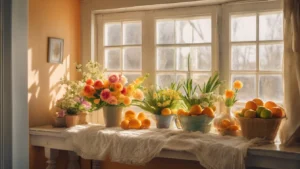
For example, in spring and summer, you might add pastel or light-colored accessories—think cushions, vases, or artwork—that softly brighten the accent wall. Come fall and winter, swap those for deeper, burnt oranges, moody blues, or warm metals like copper.
This way, your accent wall feels alive and responsive, just like the nature it reflects. It’s about layering moods, not repainting forever. Plus, you avoid the mess—or the commitment—of constant remodeling.
Some Real-World Examples to Inspire Your Nails-and-Brushes Musings
If you ever need a quick “aha!” moment, these ideas are Scandinavian design classics refreshed with modern flair:
- A soft charcoal wall behind a dining room bench, paired with light birch wood furniture and a wool rug.
- Whitewashed wooden planks behind a bed, topped with cozy linen pillows and a chunky knit throw.
- A calming powder blue wall adjacent to large windows, complemented by sleek black accents and minimal greenery.
- Moss green stucco plaster in a reading nook, enriched by natural jute rugs and raw ceramic planters.
See how none of these scream for attention—they beckon, quietly. And that’s the magic of accent walls in the Nordic context.
Before You Grab That Paintbrush: A Few Handy Tips
Okay, before you get too carried away with the paint cans and brushes, here are some practical nuggets to keep the process smooth:
- Test colors in natural light first. Nordics rely on daylight, and it changes drastically from morning to evening. A color looking soft at noon might feel heavy by sundown.
- Keep the rest of your palette flexible. Neutral furniture and curtains let accent walls shine without competing.
- Think texture over color if you want subtle impact. Wood or plaster sometimes speaks louder than bright hues.
- Less is more. One well-chosen wall is plenty—don’t feel pressured to do every blank surface.
Fiddling with one wall feels manageable too—a little project with a big payoff.
Wrapping Up: Accent Walls as Nordic Storytellers
So there you have it—the low-key secret weapon of Scandinavian interiors. Accent walls aren’t there to clash with “less is more.” Instead, they transform empty surfaces into quiet stories. They bring tactile warmth, invoke nature’s calm, and set a soothing stage for the life that unfolds within.
Honestly, next time you’re daydreaming about freshening up your place, why not consider a single accent wall to tell your tale? A nod to Nordic tradition, with your own twist.
It’s simple, it’s subtle, and it’s kinda magical. And sometimes, that’s all we need.
Frequently Asked Questions
Soft, muted tones inspired by nature—like dusty greens, cool blues, slate grays, or gentle terracotta—work best. These colors complement the light and airy feel typical of Scandinavian spaces.
Patterns should generally be subtle—think natural textures or simple geometric shapes—in keeping with the minimal and calming aesthetic. Loud or overly busy patterns may feel out of place.
Absolutely. Light wood paneling or reclaimed wood adds warmth and texture, which are hallmarks of Nordic interiors. It works especially well if left natural or painted in soft, neutral shades.
Pick a wall that naturally draws the eye or anchors a focal point—behind the bed, near a fireplace, or next to a window nook. It should complement existing furniture and maintain the room’s openness.
Lighting is key. Soft, warm lighting enhances textures and colors, especially in Nordic homes where natural light varies with seasons. Layered lighting—combining overhead and directional lamps—works best.
Websites like Nordic Design or Architectural Digest’s Scandinavian Interiors offer plenty of photos and ideas. Also, Pinterest is a treasure trove!
Disclaimer
The information provided in this article is intended for inspirational and educational purposes only. Individual results may vary based on room size, lighting conditions, and personal preferences. Always test paint and materials in your own space before committing fully.
Categories
- Accent Walls & Ceilings (84)
- Art Curation & Gallery (83)
- Bedding Style Trends (89)
- Bedroom Makeover (96)
- Bohemian & Eclectic Styles (80)
- DIY & Budget-Friendly Decor (78)
- Eco-Friendly Design (83)
- Furniture Care (87)
- Home Decor & Design Ideas (181)
- Home Wellness Spaces (103)
- Integrated Outdoor Living (91)
- Japandi Style (84)
- Kids and Nursery Decor (73)
- Living Room Decor (99)
- Mix & Match Techniques (95)
- Modern & Contemporary Design (88)
- Rug Sizing & Placement (89)
- Scandinavian Design Inspiration (51)
- Seasonal Home Decor (100)
- Small Space Solutions (93)
- Wall Art & Painting Tips (94)
Recent Comments
Archives
Product Gallery
-
 Majestic African Wildlife Canvas Art for Stylish Home Decor
Rated 5.00 out of 5
Majestic African Wildlife Canvas Art for Stylish Home Decor
Rated 5.00 out of 5 -
 Cozy Irregular Green Plush Rug for Nordic Living Spaces
Rated 5.00 out of 5$51.35 – $323.89Price range: $51.35 through $323.89
Cozy Irregular Green Plush Rug for Nordic Living Spaces
Rated 5.00 out of 5$51.35 – $323.89Price range: $51.35 through $323.89 -
 Scandinavian Geometric Area Rugs for Stylish Home Décor
Rated 5.00 out of 5$36.88 – $558.79Price range: $36.88 through $558.79
Scandinavian Geometric Area Rugs for Stylish Home Décor
Rated 5.00 out of 5$36.88 – $558.79Price range: $36.88 through $558.79