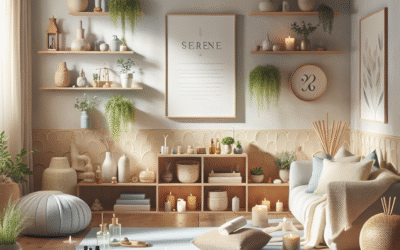
<h1>Cozy Reading Nooks In Kids' Rooms: Sparking a Lifelong Love for Books</h1>
<p>Imagine this: your child, curled up with an open book, lost in a world of adventure, discovery, or pure imagination. It's a parent's dream, isn't it? But in an age dominated by screens, how do we foster that deep, abiding connection with literature? The answer often lies not just in the books themselves, but in the environment we create for them. Enter the enchanting world of <strong>cozy reading nooks in kids' rooms</strong> – dedicated havens designed to ignite curiosity, promote tranquility, and cultivate a genuine passion for reading. This isn't just about decor; it's about crafting an experience that transforms a simple room into a launchpad for lifelong learning and creativity. By the end of this comprehensive guide, you'll have all the insights, inspiration, and actionable steps needed to build that perfect literary retreat, ensuring your child finds joy and solace within the pages of a book.</p>
<p>We'll explore everything from the psychological benefits of a dedicated reading space to practical design elements, budget-friendly DIY ideas, and clever ways to integrate technology responsibly. Whether you're working with a cramped corner or have ample space, preparing a nook for a toddler or a teen, this article will equip you with the knowledge to create not just a spot to read, but a place where stories come alive and imaginations soar. Let's delve into making reading the most anticipated part of their day.</p>
<h2>Why Every Child Needs a Cozy Reading Nook: Beyond Just Books</h2>
<p>A reading nook is far more than a decorative feature; it's a powerful tool for a child's development. Think of it as a personal sanctuary, a quiet retreat from the stimulation of daily life. This dedicated space sends a clear message: reading is valued, important, and pleasurable. It encourages children to slow down, focus, and engage deeply with stories. For young minds, this uninterrupted time is crucial for cognitive growth.</p>
<h3>The Psychological & Educational Benefits of a Dedicated Reading Space</h3>

<ul>

    <li><strong>Fosters a Love for Reading:</strong> By associating reading with comfort and a special place, children are more likely to view it as an enjoyable activity rather than a chore.</li>

    <li><strong>Boosts Concentration & Focus:</strong> A quiet nook minimizes distractions, allowing children to immerse themselves fully in a book, developing longer attention spans critical for learning.</li>

    <li><strong>Encourages Independence:</strong> Having their own reading space empowers children to choose their books and reading times, nurturing self-reliance and initiative.</li>

    <li><strong>Sparks Imagination & Creativity:</strong> Being alone with a book in a cozy setting allows minds to wander, envision scenes, and connect with characters, enhancing imaginative play.</li>

    <li><strong>Provides Emotional Regulation:</strong> For many children, a reading nook serves as a safe space to unwind, process emotions, or simply escape into a story, offering a sense of calm and security.</li>

    <li><strong>Supports Literacy Development:</strong> Regular exposure to books in an inviting environment naturally improves vocabulary, comprehension, and language skills.</li>

</ul>

<p>A study published by the <a href="https://journals.sagepub.com/doi/abs/10.1177/0022022114541571" rel="nofollow noopener" target="_blank">Journal of Research in Reading</a> highlighted the significant impact of home literacy environments on children's reading development. A well-designed cozy reading nook is a cornerstone of such an environment, signaling the importance and enjoyment of books.</p>
<h2>Essential Elements: Crafting the Perfect Cozy Reading Nook</h2>
<p>Creating an inviting reading nook isn't just about throwing a pillow in a corner. It involves thoughtful consideration of several key elements that work together to make the space functional, comfortable, and magical. Each component plays a vital role in encouraging prolonged engagement and a positive association with books.</p>
<h3>Comfort is King: Seating and Soft Furnishings</h3>

<p>The foundation of any good reading nook is comfort. A child needs to feel snug and at ease to truly get lost in a story. This means choosing the right seating and surrounding it with soft touches.</p>

<ul>

    <li><strong>Seating Options:</strong>

        <ul>

            <li><strong>Beanbag Chairs:</strong> Versatile and supremely comfortable, they mold to the child's body.</li>

            <li><strong>Pillows and Floor Cushions:</strong> Excellent for smaller spaces or layering, creating a soft landing.</li>

            <li><strong>Small Armchair/Pouf:</strong> Offers more structured support, ideal for older children.</li>

            <li><strong>Window Seat:</strong> If available, a built-in window seat with cushions is an instant winner, providing natural light and a view.</li>

            <li><strong>Hanging Chairs/Swings:</strong> Add an element of whimsy and deep relaxation, just ensure secure installation.</li>

        </ul>

    </li>

    <li><strong>Soft Furnishings:</strong>

        <ul>

            <li><strong>Throws & Blankets:</strong> Essential for coziness, enabling snuggling up. Choose soft, tactile fabrics.</li>

            <li><strong>Decorative Pillows:</strong> Not just for comfort, they add color, texture, and personality.</li>

            <li><strong>Rugs:</strong> A soft rug underfoot defines the space, adds warmth, and absorbs sound.</li>

        </ul>

    </li>

</ul>

<p>Remember, the goal is to make the space so inviting that they choose it over other activities.</p>
<h3>Illumination Matters: Lighting for Learning and Mood</h3>

<p>Good lighting is crucial for both readability and setting the right mood. Poor lighting can strain eyes and deter children from reading.</p>

<ul>

    <li><strong>Natural Light:</strong>

        <ul>

            <li>Position the nook near a window to utilize daylight. This is the best light for reading and helps regulate circadian rhythms.</li>

        </ul>

    </li>

    <li><strong>Artificial Light:</strong>

        <ul>

            <li><strong>Task Lighting:</strong> A dedicated reading lamp (floor lamp, wall-mounted sconce, clip-on light) is essential. Choose one with a warm, soft glow that directly illuminates the book without glare.</li>

            <li><strong>Ambient Lighting:</strong> Fairy lights, LED strips, or a small night light can add a magical, cozy atmosphere, especially for evening reading. Battery-operated options are great safe choices.</li>

        </ul>

    </li>

</ul>

<p>Consider dimmable lights for flexibility, allowing you to adjust the brightness based on the time of day and activity.</p>
<h3>Book Organization: Easy Access, Endless Discovery</h3>

<p>Books need to be easily accessible and appealingly displayed. If a child has to struggle to find a book, they're less likely to read.</p>

<ul>

    <li><strong>Low Shelves or Bookcases:</strong> Ensure shelves are at the child's eye level for easy browsing. Front-facing displays are particularly effective for younger children, allowing them to see covers.</li>

    <li><strong>Book Slings/Fabric Shelves:</strong> These are excellent for displaying a smaller selection of books front-on and are often soft, making them safer.</li>

    <li><strong>Wall-Mounted Shelves:</strong> Great for saving floor space in smaller rooms.</li>

    <li><strong>Rolling Carts/Baskets:</strong> Flexible options for holding a rotating selection of books.</li>

    <li><strong>Declutter Regularly:</strong> Keep the selection fresh and manageable to avoid overwhelming the child.</li>

</ul>

<p>The goal is to present books as cherished treasures, not just items on a shelf.</p>

<div class="visual-suggestion">

    <h4>Visual Content Suggestion: Infographic - "Elements of a Perfect Reading Nook"</h4>

    <p>A graphic illustrating a reading nook with callouts pointing to: Comfortable Seating, Task Lamp, Book Storage (low shelf), Soft Blanket, Pillows, Decorative Elements (e.g., fairy lights, wall art).</p>

    <p><em>Alt-text suggestion: Infographic detailing the essential elements for creating a perfect cozy reading nook in a child's room, including comfort, lighting, and book access.</em></p>

</div>
<h2>Location, Location, Location: Finding the Ideal Spot for Your Nook</h2>
<p>The best part about creating a cozy reading nook is its flexibility. You don't need a massive room; often, the most ingenious solutions come from making the most of existing spaces, no matter how small or unconventional they seem. The key is finding a spot that feels private, yet still integrated into the child's personal space.</p>
<h3>Repurposing Existing Spaces: Ingenious Nook Ideas</h3>

<ul>

    <li><strong>Under the Bed:</strong> If you have a loft bed or a bunk bed, the space underneath is a natural contender. Add curtains for extra privacy, a soft rug, cushions, and a clip-on light.</li>

    <li><strong>Closet Conversion:</strong> A seldom-used closet can be transformed. Remove the door, paint the interior a bright, inviting color, add a small bench or cushions, and wall-mounted shelves for books.</li>

    <li><strong>Window Seats:</strong> Naturally inviting, window seats just need a comfortable cushion, some pillows, and perhaps a small table nearby for a drink or snack.</li>

    <li><strong>Corner Nooks:</strong> Even a simple corner can become a magical space. Use a canopy, sheer drapes, or string lights to define the area and make it feel enclosed.</li>

</ul>

<p>Thinking creatively about unused or underutilized areas can unlock fantastic potential for cozy reading nooks in kids' rooms.</p>
<h3>Nook Privacy: Creating a Sense of Enclosure</h3>

<p>A sense of enclosure makes a reading nook feel safe, private, and special. It helps demarcate the space and reduce external distractions.</p>

<ul>

    <li><strong>Canopies & Tents:</strong> A simple canopy hanging from the ceiling or a small pop-up tent instantly creates a magical, private world.</li>

    <li><strong>Curtains:</strong> Sheer or opaque curtains can be hung around a corner or bed to create a soft, inviting boundary.</li>

    <li><strong>Room Dividers:</strong> A folding screen or a tall bookcase can visually separate the reading area from the rest of the room.</li>

    <li><strong>Half-Walls or Built-ins:</strong> For more permanent solutions, a small partition or built-in shelving can act as a natural enclosure.</li>

</ul>

<p>The degree of enclosure can vary. Some children prefer a completely hidden hideaway, while others might just want a subtle boundary.</p>
<h2>Theme & Personalization: Making the Nook Uniquely Their Own</h2>
<p>Truly successful cozy reading nooks in kids' rooms aren't just functional; they're personal. Allowing children to contribute to the design fosters ownership and enthusiasm for using the space. A well-chosen theme can tie all the elements together, creating a cohesive and imaginative world.</p>
<h3>Choosing a Theme: Igniting Imagination</h3>

<p>A theme can make the nook feel like a portal to another world, directly linking the experience to the magic of storytelling.</p>

<ul>

    <li><strong>Nature/Forest:</strong> Think greens, browns, leafy decor, animal motifs, and natural textures. A small faux tree or a mural can enhance this.</li>

    <li><strong>Space/Stars:</strong> Dark blue or black walls, glow-in-the-dark stars, planetary mobiles, and rocket ships.</li>

    <li><strong>Under the Sea:</strong> Blues, greens, fish and ocean creature motifs, perhaps a sheer blue fabric draped overhead to mimic water.</li>

    <li><strong>Castle/Fortress:</strong> Turrets made from cardboard, stone-look wallpaper, flags, and heavy fabric drapes.</li>

    <li><strong>Adventure/Travel:</strong> Maps, globes, vintage suitcases, and ethnic patterns.</li>

</ul>

<p>Involve your child in the theme selection. What are their favorite stories? What worlds do they love to imagine?</p>
<h3>Personal Touches that Bring a Nook to Life</h3>

<p>These are the details that transform a functional space into a beloved sanctuary.</p>

<ul>

    <li><strong>Art & Decor:</strong> Framed prints of favorite book characters, their own artwork, inspirational quotes, or fairy lights.</li>

    <li><strong>Photo Displays:</strong> Pictures of family, friends, or even beloved pets can make the space feel deeply personal.</li>

    <li><strong>Comfort Items:</strong> A favorite teddy bear, a special blanket, or a unique figurine all add character.</li>

    <li><strong>Small Table/Shelf:</strong> For a glass of water, a bookmark, or small journaling supplies.</li>

    <li><strong>Sound-Dampening Elements:</strong> Heavy curtains, soft rugs, or even sound-absorbing wall panels can make the space even quieter and more conducive to focus.</li>

</ul>

<blockquote cite="https://www.scholastic.com/parents/books-and-reading/develop-a-reader/read-alouds-and-reading-nooks/reading-nooks-kids.html">

    "Creating a special, designated spot for reading signals to children that reading is important and enjoyable. It becomes their private space to escape and explore." - Scholastic Parents

</blockquote>
<h2>DIY Cozy Reading Nooks: Budget-Friendly & Creative Solutions</h2>
<p>You don't need a huge budget or professional design skills to create a magical reading nook. Many of the most charming and effective nooks are born from creativity, resourcefulness, and a little DIY spirit. This section focuses on how to craft unique and budget-friendly cozy reading nooks in kids' rooms without sacrificing comfort or appeal.</p>
<h3>Upcycling and Repurposing: Giving New Life to Old Items</h3>

<p>Before buying new, look around your home or check out thrift stores for items that can be repurposed.</p>

<ul>

    <li><strong>Pallet Reading Corner:</strong> Wooden pallets can be transformed into a low platform bed or seating with cushions on top. Just ensure they are sanded smooth and painted for safety.</li>

    <li><strong>Old Dresser to Bench:</strong> A sturdy old dresser, with drawers removed from one section, can become a bench seat with storage below. Add a cushion and paint it a fun color.</li>

    <li><strong>Cardboard Box Fort:</strong> For younger children, a large appliance box can be decorated, cut with windows, and made into a temporary but exciting reading fort. It's inexpensive and easily replaceable.</li>

    <li><strong>Repurposed Crates or Baskets:</strong> Wooden crates or sturdy baskets can serve as unique, stackable book storage units or even small side tables.</li>

</ul>

<div class="comparison-table">

    <h3>DIY vs. Store-Bought Nook Elements</h3>

    <table>

        <thead>

            <tr>

                <th>Feature</th>

                <th>DIY Option</th>

                <th>Store-Bought Option</th>

            </tr>

        </thead>

        <tbody>

            <tr>

                <td><strong>Cost</strong></td>

                <td>Low to Moderate (using existing materials or thrifted finds)</td>

                <td>Moderate to High (designer pieces, pre-made kits)</td>

            </tr>

            <tr>

                <td><strong>Personalization</strong></td>

                <td>Highly customizable, unique, reflects child's personality</td>

                <td>Limited to available designs, may require additional decor to personalize</td>

            </tr>

            <tr>

                <td><strong>Effort/Time</strong></td>

                <td>Requires planning, crafting time, and manual labor</td>

                <td>Minimal effort, quick setup, convenience</td>

            </tr>

            <tr>

                <td><strong>Materials</strong></td>

                <td>Upcycled items, fabric scraps, basic craft supplies</td>

                <td>New furniture, manufactured textiles, branded accessories</td>

            </tr>

            <tr>

                <td><strong>Uniqueness</strong></td>

                <td>One-of-a-kind, often with a story behind it</td>

                <td>Mass-produced, may be seen in many other homes</td>

            </tr>

        </tbody>

    </table>

</div>
<h3>Simple DIY Projects for Every Skill Level</h3>

<p>Even if you're not a seasoned crafter, there are many easy projects to enhance your reading nook.</p>

<ul>

    <li><strong>No-Sew Canopy:</strong> Hang a large hoop (like an embroidery hoop) from the ceiling and drape sheer fabric or a mosquito net over it. Secure with fabric glue or safety pins.</li>

    <li><strong>Pallet Book Shelves:</strong> Cut a pallet in half lengthwise, attach one half to the wall as a narrow shelf for front-facing book display.</li>

    <li><strong>DIY Floor Cushions:</strong> Use old towels, blankets, or fabric scraps to stuff large fabric squares, then sew them shut for comfy, squishy floor pillows.</li>

    <li><strong>Fairy Light Jars:</strong> Place battery-operated fairy lights into clear glass jars (ensure they are stable and out of reach of very young children) for enchanting, soft lighting.</li>

</ul>

<p>These projects are not only economical but also offer a wonderful opportunity for parents and children to collaborate, making the nook even more special.</p>
<h2>Technology Integration & Digital Detox: Balancing Screens and Books</h2>
<p>In our modern world, completely separating children from technology is often unrealistic. The goal, instead, is to create balance. When designing cozy reading nooks in kids' rooms, we can thoughtfully integrate technology in a way that supports, rather than detracts from, the reading experience, or purposefully design the nook as a digital-free sanctuary.</p>
<h3>Screen-Free Sanctuary: Encouraging a Digital Detox</h3>

<p>For many families, the primary purpose of a reading nook is to offer a break from screens. This means consciously designing it as a zone free from digital distractions.</p>

<ul>

    <li><strong>No Devices Allowed:</strong> Establish a clear rule that devices (tablets, phones, gaming consoles) are not permitted in the reading nook.</li>

    <li><strong>Charging Station Elsewhere:</strong> Keep charging cords and power outlets out of the nook to remove the temptation to plug in.</li>

    <li><strong>Focus on Tactile Experiences:</strong> Emphasize physical books, soft textures, and the sensory experience of traditional reading.</li>

    <li><strong>Mindful Activity:</strong> Encourage activities like journaling, drawing, or quiet reflection within the nook alongside reading, reinforcing its role as a calm space.</li>

</ul>

<p>This deliberate "digital detox" can significantly enhance a child's ability to concentrate and engage deeply with textual content.</p>
<h3>Thoughtful Tech Inclusion: Audiobooks and E-readers</h3>

<p>While often screen-focused, certain technologies can actually enhance the reading experience under the right conditions.</p>

<ul>

    <li><strong>Audiobooks:</strong> For reluctant readers, children learning to read, or simply for winding down, audiobooks are fantastic. A small, child-friendly speaker can be discreetly placed in the nook.</li>

    <li><strong>E-readers (e.g., Kindle Paperwhite):</strong> Devices with e-ink screens minimize blue light and glare, offering an experience closer to reading a physical book. They are excellent for older children or teens who enjoy a vast library at their fingertips without the distractions of a full tablet.</li>

    <li><strong>Educational Apps:</strong> If an iPad or tablet *must* be included, ensure it's loaded only with educational reading apps, story apps, or interactive books for specific, limited use.</li>

</ul>

<p>The key here is intentionality. Technology should support the goal of literacy and imagination, not replace it or introduce new distractions. It's about choosing tools that specifically aid reading, not general entertainment. This thoughtful approach helps maintain the cozy reading nook's core purpose while acknowledging modern realities.</p>
<h2>Maintenance & Evolution: Keeping the Nook Fresh and Engaging</h2>
<p>A reading nook isn't a "set it and forget it" project. For it to remain a beloved space, it needs ongoing attention, adapting as your child grows and their interests change. This section focuses on practical strategies for maintaining a vibrant and inviting space.</p>
<h3>Refreshing Book Collections & Themes</h3>

<p>Children's interests change rapidly, and so should their book selection. Keep the library dynamic to sustain engagement.</p>

<ul>

    <li><strong>Rotate Books Regularly:</strong> Every few weeks or months, swap out some books for new ones from the library, a bookstore, or other rooms. This creates a sense of "newness."</li>

    <li><strong>Align with Interests:</strong> Pay attention to what your child is currently fascinated by – dinosaurs, space, specific fantasy series – and curate books around those themes.</li>

    <li><strong>Introduce New Genres:</strong> Encourage exploration beyond their usual preferences. Graphic novels, non-fiction, poetry, or classic literature can all find a place.</li>

    <li><strong>Involve Your Child:</strong> Let them pick books from the library or bookstore. When they feel ownership over the selection, they're more likely to read.</li>

</ul>

<p>A fresh supply of intriguing books is the surest way to keep a reading nook exciting.</p>
<h3>Adapting the Nook for Different Ages and Stages</h3>

<p>What works for a toddler won't appeal to a pre-teen. The reading nook should evolve with the child.</p>

<div class="container">

    <div class="column">

        <h4>Toddler (1-3 years)</h4>

        <ul>

            <li><strong>Focus:</strong> Sensory experience, board books, bright colors.</li>

            <li><strong>Nook Elements:</strong> Soft, low seating (floor cushions), sturdy board book display, simple canopy, child-safe lighting.</li>

            <li><strong>Safety:</strong> No small, swallowable items. Ensure stability of furniture.</li>

        </ul>

    </div>

    <div class="column">

        <h4>Preschool (4-6 years)</h4>

        <li><strong>Focus:</strong> Picture books, early readers, imagination.</li>

        <li><strong>Nook Elements:</strong> Slightly larger beanbag or small armchair, picture book art, themed decor, accessible book bins/slings.</li>

        <li><strong>Independence:</strong> Encourage solo reading, but also join them frequently.</li>

    </div>

</div>

<div class="container">

    <div class="column">

        <h4>Elementary (7-10 years)</h4>

        <li><strong>Focus:</strong> Chapter books, series, non-fiction, independent reading.</li>

        <li><strong>Nook Elements:</strong> More structured seating, good task lighting (desk lamp), perhaps a small table for journaling, space for longer books.</li>

        <li><strong>Personalization:</strong> Let them choose decor, display their artwork.</li>

    </div>

    <div class="column">

        <h4>Pre-Teen/Teen (11+ years)</h4>

        <li><strong>Focus:</strong> Young adult novels, study materials, quiet retreat.</li>

        <li><strong>Nook Elements:</strong> Sophisticated aesthetic, comfortable armchair or chaise, good lighting, power outlet for e-reader/phone charging (if allowed), minimalist storage.</li>

        <li><strong>Privacy:</strong> Emphasis on a secluded, calming space for individual thought and quiet study.</li>

    </ul>

</div>

<p>Regularly reassess if the nook still meets your child's needs and preferences. Small changes can make a big difference in keeping it relevant and inviting.</p>
<div class="case-study">

    <h3>Case Study: The "Adventure Tent" Transforms a Reluctant Reader</h3>

    <p>A recent case study focused on 7-year-old Mia, who preferred video games over books. Her parents, inspired by the idea of cozy reading nooks in kids' rooms, set up an "Adventure Tent" in a corner of her room. They used a simple teepee tent, filled it with soft pillows, a sheepskin rug, and a string of star-shaped fairy lights. Inside, they placed a "treasure chest" (a decorated box) filled with adventure-themed chapter books and a small, battery-operated lantern. Mia was initially curious, then began taking her favorite stuffed animals inside. Within two weeks, she was spending 20-30 minutes daily in her tent, sometimes just looking at the pictures, sometimes reading aloud to her toys. Her parents observed a noticeable improvement in her reading fluency and, more importantly, a newfound enthusiasm for storytelling. The key, they reported, was the sense of an exciting, private world distinct from the rest of her room.</p>

</div>
<h2>Troubleshooting & FAQs About Cozy Reading Nooks</h2>
<p>Even with the best intentions, questions and challenges can arise. Here, we address common concerns and provide clear answers to help you navigate the creation and maintenance of your child's special reading haven.</p>
<h3>Common Challenges and Solutions</h3>

<ul>

    <li><strong>"My child won't use the nook!"</strong>

        <ul>

            <li><strong>Solution:</strong> Involve them in the design. Let them pick cushions, blankets, or even a theme. Spend time *with* them in the nook, reading together, modeling the desired behavior. Keep books fresh and exciting. Make sure it's genuinely comfortable and not too cold/hot.</li>

        </ul>

    </li>

    <li><strong>"We have an incredibly small room."</strong>

        <ul>

            <li><strong>Solution:</strong> Think vertically and compactly. A wall-mounted book sling, a single beanbag, and a clip-on light can constitute a "nook" in a tight corner. Utilize under-bed space, a closet, or a window ledge.</li>

        </ul>

    </li>

    <li><strong>"It gets messy too quickly."</strong>

        <ul>

            <li><strong>Solution:</strong> Implement simple storage solutions like baskets or small crates for books and plush toys. Teach your child a quick "nook tidying" routine. Acknowledge that kids' spaces often get messy, and imperfection is okay; focus on the reading habit.</li>

        </ul>

    </li>

    <li><strong>"How do I make it feel private without isolating them?"</strong>

        <ul>

            <li><strong>Solution:</strong> Use sheer curtains or a canopy that provides a visual boundary without feeling completely closed off. Ensure good lighting so it doesn't feel dark or scary. The goal is a sense of retreat, not complete separation.</li>

        </ul>

    </li>

</ul>

<h3>Frequently Asked Questions</h3>
<details>

    <summary><strong>How important is a dedicated reading space for children?</strong></summary>

    <p>A dedicated reading space, like a cozy reading nook, is incredibly important for children. It provides a quiet, inviting sanctuary that encourages regular reading habits, fosters concentration, boosts imagination, and helps children associate books with comfort and enjoyment. This association can significantly contribute to developing a lifelong love for reading and learning.</p>

</details>
<details>

    <summary><strong>What are the essential elements of a good kids' reading nook?</strong></summary>

    <p>An excellent kids' reading nook typically includes comfortable seating (cushions, beanbags, small armchair), good lighting (natural light plus a task lamp), easy access to books (low shelves, book slings), and personal touches that make it inviting. Soft textures like blankets and pillows, along with a theme, can enhance its appeal and make it a truly special place.</p>

</details>
<details>

    <summary><strong>Can I create a reading nook in a small room?</strong></summary>

    <p>Absolutely! Small rooms can host fantastic reading nooks. Think vertically: use wall-mounted shelves, corner spaces, or repurpose a closet. A simple beanbag chair in a quiet corner with a small lamp and a few favorite books can be just as effective as a larger setup. The key is comfort and accessibility, not square footage.</p>

</details>
<details>

    <summary><strong>What age is appropriate for a reading nook?</strong></summary>

    <p>Reading nooks are beneficial for children of all ages, from toddlers to teenagers. For toddlers, it's a sensory exploration zone. For preschoolers, it's a place for early literacy. Older children and teens can use it for quiet study, escape, and deep dives into chapter books. Adapt the design and book selection to suit the child's developmental stage.</p>

</details>
<details>

    <summary><strong>How can I encourage my child to use their reading nook?</strong></summary>

    <p>Make it their own! Let them help choose cushions, blankets, or decorations. Keep a rotating selection of age-appropriate books readily available. Most importantly, model reading behavior yourself. Spend time reading together in the nook, even for just a few minutes a day, to build positive associations and routines around the space.</p>

</details>
<details>

    <summary><strong>What are some popular themes for reading nooks?</strong></summary>

    <p>Popular themes often revolve around nature (forest, garden), fantasy (castle, spaceship), adventure (maps, explorer), or a child's favorite characters. The best theme is one that genuinely excites your child and encourages imaginative play around reading.</p>

</details>
<details>

    <summary><strong>How do I ensure the reading nook is safe for my child?</strong></summary>

    <p>Safety is paramount. Ensure all furniture is stable and secured to the wall if necessary (anti-tip kits). Keep electrical cords tidy and out of reach. Choose child-safe lighting fixtures. Avoid small parts if the child is very young. Use non-toxic paints and materials. Regularly inspect the space for wear and tear.</p>

</details>
<details>

    <summary><strong>Should I include technology in the reading nook?</strong></summary>

    <p>This depends on your family's philosophy. Many prefer a screen-free zone for a "digital detox." However, for older children, an e-reader (with an e-ink screen) or an audiobook player might be acceptable. The key is to ensure any technology supports reading and doesn't introduce distractions. Consider limiting "device time" in the nook.</p>

</details>
<h2>Conclusion: The Lasting Gift of a Reading Nook</h2>
<p>Creating cozy reading nooks in kids' rooms is more than a design project; it's an investment in your child's future. It’s a tangible representation of the value you place on learning, imagination, and quiet contemplation. From the soft cushions of a toddler’s first reading spot to the secluded armchair of a budding young adult, these spaces evolve, just as our children do.</p>
<p>We’ve walked through the essential elements of comfort and lighting, explored creative locations, and even tackled the balance of technology. The countless benefits—from improved concentration and literacy to fostering a lifelong love for books—are undeniable. By dedicating a small corner or repurposing an entire closet, you aren't just decorating; you're building a foundation for countless stories told, worlds discovered, and dreams imagined.</p>
<p>So, take the inspiration from this guide, involve your child, and embark on this rewarding journey. Design a space that whispers "come in, stay a while, and read." You might just unlock a world of literary magic for them. Start small, be creative, and watch as your child’s cozy reading nook becomes one of the most cherished spots in their room, fueling their minds and nurturing their souls. What magical journey will your child embark on next?</p>
<h3>Further Reading & Resources:</h3>

<ul>

    <li><a href="https://www.readbrightly.com/how-to-create-a-reading-nook-for-kids/" rel="nofollow noopener" target="_blank">Brightly: How to Create a Reading Nook for Kids</a> - Practical tips and visual inspiration for various ages.</li>

    <li><a href="https://www.pbs.org/parents/thrive/the-importance-of-reading-aloud-to-your-children" rel="nofollow noopener" target="_blank">PBS Parents: The Importance of Reading Aloud to Your Children</a> - While not solely about nooks, emphasizes the communal reading experience.</li>

</ul>
<hr>

<div class="disclaimer">

    <h4>Content Disclaimer</h4>

    <p>The information provided in this article about creating cozy reading nooks in kids' rooms is intended for general informational and educational purposes only. While we strive to offer helpful and accurate advice, it is not a substitute for professional design or safety consultation. Always prioritize safety in child spaces, ensuring furniture is stable, electrical cords are managed, and materials are child-friendly. Individual results and experiences may vary. We recommend consulting with relevant experts for specific applications or concerns.</p>

</div>




 Majestic African Wildlife Canvas Art for Stylish Home Decor
Rated 5.00 out of 5
Majestic African Wildlife Canvas Art for Stylish Home Decor
Rated 5.00 out of 5 Cozy Irregular Green Plush Rug for Nordic Living Spaces
Rated 5.00 out of 5$45.53 – $287.11Price range: $45.53 through $287.11
Cozy Irregular Green Plush Rug for Nordic Living Spaces
Rated 5.00 out of 5$45.53 – $287.11Price range: $45.53 through $287.11 Scandinavian Geometric Area Rugs for Stylish Home Décor
Rated 5.00 out of 5$34.12 – $516.89Price range: $34.12 through $516.89
Scandinavian Geometric Area Rugs for Stylish Home Décor
Rated 5.00 out of 5$34.12 – $516.89Price range: $34.12 through $516.89