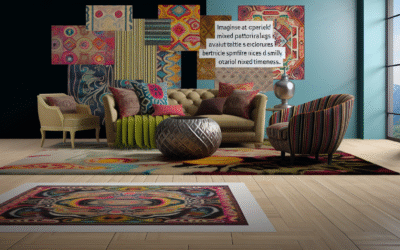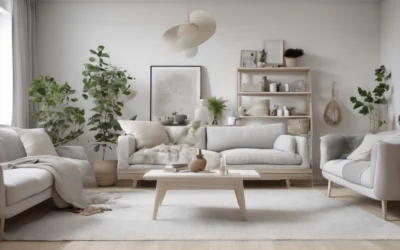



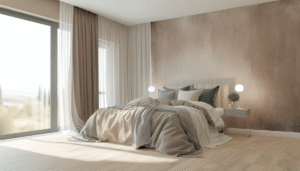



Layering patterns with subdued sheets is a brilliant design approach to create tranquil yet visually textured bedrooms that feel inviting and sophisticated. This guide dives deep into how you can master the art of combining patterns while keeping colors muted to craft layered bedding aesthetics that captivate without overwhelming.
Are you tired of flat, one-dimensional beds that lack character? Maybe you want your bedroom to feel like a peaceful retreat yet still look thoughtfully styled. Layering patterns with subdued sheets unlocks this design sweet spot with subtle contrast and restful harmony. By exploring fabric choices, pattern play, and smart color layering, you will learn to enhance your bedroom’s ambiance effortlessly.
In this detailed article, you’ll discover:
- How to choose the right subdued sheets as your layering base
- Effective techniques for mixing patterns—dots, stripes, florals, and more
- Tips for balancing texture and pattern intensity for a calm yet dynamic bed
- Case studies from expert designers showcasing layered bedding in real homes
- Recommended resources and tools for sourcing quality sheets and décor
- Answers to common questions about pattern layering and care
Let’s begin uncovering the secrets behind layering patterns with subdued sheets so you can build stylish, cozy bedrooms that soothe and inspire.
Understanding Subdued Sheets: Your Neutral Palette
Subdued sheets are the understated heroes of bedding design, providing a neutral canvas with soft, muted tones that don’t command attention but enrich the overall look. Shades like dusty greys, off-whites, soft taupes, and pale blues are popular choices.
Why Choose Subdued Sheets as Your Base?
Subdued sheets:
- Bring warmth without overpowering
- Allow intricate or bold patterns in the top layers to stand out
- Enhance a sense of calm critical for restful sleep
- Coordinate seamlessly with various décor styles from modern minimalism to classic coastal
Material Options for Subdued Sheets
Natural fibers like Egyptian cotton, linen, and bamboo typically come in soft, muted colorways. These materials:
- Offer breathability and durability
- Showcase texture that complements layered patterns
- Age gracefully maintaining their shimmer and feel
Actionable Tip:
Choose sheets in a muted color that matches 30-40% of your existing room palette—this ensures harmony and lays the perfect foundation for multi-pattern layering.
Mixing Patterns: Best Practices for Layering With Subdued Sheets
Contrary to popular belief, mixing bedding patterns with subdued sheets isn’t about random chaos—it’s a structured art. The goal is to layer complementary or contrasting patterns that coexist peacefully.
Pattern Types to Consider
- Stripes: Introduce subtle linear movement; ideal for lengthening the bedroom visually.
- Floral Prints: Soften geometric rigidity with organic curves and softness.
- Polka Dots: Add whimsy and lightness without intense color grabs.
- Geometric Shapes: Bring modern edge with tone-on-tone designs and subdued hues.
Principles of Pattern Layering
- Scale Balance: Combine large patterns with smaller prints to avoid visual clutter.
- Color Harmony: Stick to a consistent, soft color palette; muted blues with greys or beige, for example.
- Texture Variation: Add depth by mixing smooth materials like sateen with textured linens.
- Pattern Repetition: Repeat a single pattern type across different layers but vary its scale or color saturation.
Comparison Table: Pattern Mixing for Bedding
| Pattern Combination | Effect | Best Material Pairings |
|---|---|---|
| Large florals + small micro-dots | Balanced and lively without noise | Linen with cotton percale |
| Wide stripes + tonal geometrics | Sophisticated and clean | Sateen with brushed cotton |
| Subtle polka dots + faded paisley | Softly playful and vintage-inspired | Flannel with linen |
Actionable Insight:
Start layering by selecting one patterned pillowcase, then build with coordinating sheets and throws in subdued shades. This creates an intentional yet effortless look.
Textural Dynamics: Enhancing Subdued Patterns
Layering isn’t just about visuals—texture plays a critical role in delivering comfort and style. Mixing textures with subdued sheets elevates a simple bed into a tactile centerpiece.
Textural Elements to Combine
- Quilts and Coverlets: Add a cozy, raised texture that contrasts smooth sheets.
- Knitted Throws: Bring softness and warmth with chunky yarn intricacy over flat patterns.
- Embroidery and Matelassé: Introduce subtle relief patterns that add richness without clashing.
Case Study: Designer Bedroom Reveal
Interior designer Jane Foster layered blush-hued suede sheets with embroidered pillow shams and a loosely woven jacquard throw. The subdued palette complemented natural wood furniture and soft sheer curtains—creating a serene look that feels both tactile and elegant.
Implementation Tip:
Mix texture on different bedding elements to awaken the senses and prevent monotony, especially when working within a limited color scheme.
Practical Steps for Layered Bedding Setup and Maintenance
Getting your layered bedding right involves choosing materials wisely, arranging strategically, and maintaining your sheets and covers to keep everything fresh.
Step-by-Step Layering Process
- Start with your subdued sheets: Ensure they’re perfectly clean and wrinkle-free.
- Add a lightweight blanket or quilt: Choose one with muted patterns or textures.
- Include patterned pillowcases and cushions: Mix scales but within your subdued palette.
- Top with a throw: Picks knitted or textured fabrics to finish the look.
Maintenance Tips for Longevity
- Wash sheets with mild detergents to preserve color and fabric integrity.
- Rotate layering elements seasonally for fresh aesthetics and wear balance.
- Spot clean embroidery or textured throws to avoid damage.
Recommended Tools & Resources
For well-curated subdued bedding, explore resources like Parachute Home and Brooklinen. For design inspiration, House Beautiful provides editor-curated looks perfect for cozy bedrooms.
Frequently Asked Questions About Layering Patterns With Subdued Sheets
What colors qualify as subdued sheets?
Subdued colors include soft neutrals such as pale greys, warm beiges, muted blues, and light taupes—tones that are low in saturation and provide a calming base.
Can I mix bold patterns with subdued sheets?
Yes, subdued sheets balance bold patterns by grounding the visual impact. However, limit boldness in the bedding layer and keep colors soft for cohesive layering.
How many patterns should I mix on a bed?
Limit layering to 2-3 different patterns with varied scales to avoid a cluttered look. Consistency in color tonality keeps the design unified.
Are subdued sheets better in warm or cool rooms?
They work in both; however, match the undertone of sheets with the room temperature—warm neutrals with warm lighting, cool greys or blues for cooler environments.
How do I maintain textured throws and embroidery?
Spot clean stains promptly and follow care labels. For delicate fabrics, hand washing or gentle cycles extend their lifespan.
Final Thoughts on Layering Patterns With Subdued Sheets
Mastering layering patterns with subdued sheets invites you to create a bedroom sanctuary that blends visual interest with peaceful comfort. Your choice of muted base sheets forms the unifying thread between varied prints and textures. Through thoughtful scale balance, tonal harmony, and tactile contrasts, the art of layering becomes approachable and enchanting.
This design strategy doesn’t just elevate style—it enhances your daily experience, turning bedtime into a restorative ritual. Start experimenting with these principles now and notice how subtle patterns on subdued sheets transform your space into a haven beyond simple decoration.
Ready to redesign? Visit our bedroom bedding ideas for further inspiration or try mixing and matching with our patterned pillows guide.
Content Disclaimer
This information is provided for educational purposes only and reflects best knowledge at the time of publication. Individual results with bedding styling may vary based on personal preferences and room conditions.
Categories
- Accent Walls & Ceilings (84)
- Art Curation & Gallery (83)
- Bedding Style Trends (89)
- Bedroom Makeover (96)
- Bohemian & Eclectic Styles (80)
- DIY & Budget-Friendly Decor (78)
- Eco-Friendly Design (83)
- Furniture Care (87)
- Home Decor & Design Ideas (181)
- Home Wellness Spaces (103)
- Integrated Outdoor Living (91)
- Japandi Style (84)
- Kids and Nursery Decor (73)
- Living Room Decor (99)
- Mix & Match Techniques (95)
- Modern & Contemporary Design (88)
- Rug Sizing & Placement (89)
- Scandinavian Design Inspiration (51)
- Seasonal Home Decor (100)
- Small Space Solutions (93)
- Wall Art & Painting Tips (94)
Recent Comments
Archives
Product Gallery
-
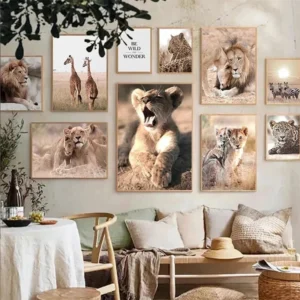 Majestic African Wildlife Canvas Art for Stylish Home Decor
Rated 5.00 out of 5
Majestic African Wildlife Canvas Art for Stylish Home Decor
Rated 5.00 out of 5 -
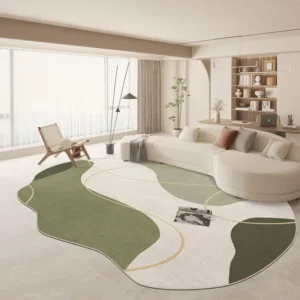 Cozy Irregular Green Plush Rug for Nordic Living Spaces
Rated 5.00 out of 5$56.79 – $358.08Price range: $56.79 through $358.08
Cozy Irregular Green Plush Rug for Nordic Living Spaces
Rated 5.00 out of 5$56.79 – $358.08Price range: $56.79 through $358.08 -
 Scandinavian Geometric Area Rugs for Stylish Home Décor
Rated 5.00 out of 5$40.78 – $617.78Price range: $40.78 through $617.78
Scandinavian Geometric Area Rugs for Stylish Home Décor
Rated 5.00 out of 5$40.78 – $617.78Price range: $40.78 through $617.78