





Why Edge Glow Shines in Ceiling Lighting
Ever walked into a room and felt instantly drawn upward—like the ceiling itself was quietly putting on a light show? That’s the magic of edge glow lighting. It’s subtle, it’s cinematic, and honestly, it’s the kind of trick that architects and designers have been sneaking into spaces to make the ordinary extraordinary.
Edge glow lighting, for the uninitiated, generally involves installing LEDs or other light sources around the perimeter of a ceiling feature—the edges—so the light gently spills along the ceiling, creating this halo effect. The glow isn’t harsh or glaring; it’s smooth and ambient, enough to transform a ceiling from a flat, forgettable surface into an artistic statement.
One thing to appreciate about edge glow lighting is that it’s not just about aesthetics; it plays a functional role too. Think about those evenings when you want a cozy vibe without the overhead glare or a dull fluorescent fixture beating down on you. Edge glow delivers just that kind of gentle luminance that still lets you move around safely, read, or host, without glaring into a light bulb.
At the same time, edge glow opens doors for personalization. Colors, intensities, and even dynamic lighting modes can be customized, giving your ceiling a personality that’s as unique as your space.
The Subtle Art of Choosing the Right Edge Glow Setup
Picking your edge glow lighting system feels a bit like assembling the perfect playlist for a road trip. You want the right energy, but also a flow that sets the mood without overpowering the experience. So, what are the key factors to consider?
First off, the type of lights. LED strips reign supreme here—low heat, energy-efficient, and flexible. But within the LED world, you can find different color temperatures, brightness levels, and even tunable white options that let you shift from warm, golden hues to crisp daylight tones. It’s like having a dimmer for your mood, only smarter.
Next, mounting options matter. Some prefer to recess the strips behind crown molding or a dropped ceiling edge, so the light source itself is hidden and only the glow is visible. Others love the floating ceiling designs where the LED comes through a translucent panel for a futuristic yet cozy appeal.
What about power and controls? Here’s where tech nerds will rejoice—Wi-Fi and smart home integration are increasingly standard. You can set schedules, sync to your favorite music, or adjust brightness with a voice command. Honestly, this kind of flexibility means your ceiling lighting feels like it’s alive, responding to you.
And let’s not forget the room itself. Ceilings that are dark-colored will absorb more light, so the glow might be softer; whereas reflective surfaces amplify it. The height of the ceiling matters too—a low ceiling with edge glow can feel intimate, while a lofty ceiling with edge glow can feel dramatic and ethereal.
Design Inspirations That Play With Edge Glow
Now, let me tell you—once you start imagining ceiling edge glow lighting, it’s hard to stop. The ideas cascade like a stream of fireflies lighting up your mind’s eye. Here are some designs that have really nailed the vibe.
Minimalist Modern: Picture a white ceiling with subtle black trim around edges where a cool white LED strip is tucked behind the molding. The glow is clean, restrained, and totally modern. It’s the lighting equivalent of a crisp white tee with jeans—a timeless combo.
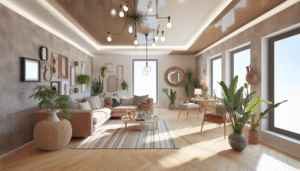
Classic Elegance: Think tray ceilings with warm white edge glow highlighting the layered niches. This look recalls high-end hotels or historic estates but with contemporary lighting tech that’s energy-friendly and customizable. It feels familiar yet elevated.
Playful Kids’ Rooms: Why stick to boring? Bright colors like gentle blues, soft pinks, or even shifting RGB strips tucked inside playful cloud or star-shaped ceiling features can create an imaginative sky effect. After all, when kids feel enveloped in a whimsical environment, it sparks creativity and comfort.
Industrial Chic: For those who can’t get enough of raw materials, an exposed concrete ceiling with amber edge glow lighting can soften the brute character of industrial design without losing edge. It’s that unexpected warmth among cold textures.
Artistic Layering: Ceilings with multiple layers, each outlined by different colored glows, makes for a personal light symphony overhead. You could have a base warm glow with a cooler edge highlight for depth, like painting with light itself.
It’s fascinating how the same concept bends and flexes to resonate deeply with very different design languages.
Getting Technical—But Only Just Enough
You know what? Lighting can feel like a deep ocean sometimes, with jargon drowning you before the fun begins. But let’s break it down into digestible bites because choosing and installing edge glow lighting isn’t rocket science.
One of the first technical considerations is the brightness, measured in lumens. For ambient ceiling glow, you don’t want the strips blazing like stadium lights. Usually, around 100-200 lumens per foot can be enough to add mood lighting without overpowering.
Color temperature is another player in the game. Warm whites (2700K-3000K) exude coziness and relaxation, perfect for living spaces and bedrooms. Cooler whites (4000K-5000K) lend a sharp, energetic feel, better suited for kitchens or workspaces. Beware the daylight whites (over 5000K) as they can feel harsh and sterile in residential settings.
Then there’s the issue of power supplies and voltage. Most LED strips run on DC voltage (typically 12V or 24V). It’s crucial to calculate the needed power which depends on the length of your strip and its wattage per meter. You want a power supply that can handle a bit more than your calculated demand, to avoid overloading.
Don’t underestimate the importance of diffusers—those frosted covers or channels can transform harsh pinpoints of light into that velvety edge glow everyone loves. It’s like the difference between a flashlight shining in your eyes and a perfectly shaded lamp.
And of course, wiring and connectors need a bit of planning to keep things tidy and safe. If you’re not savvy with electrical work, consulting a pro is just smart. Safety first, right?
Living With Edge Glow—Maintenance and Mood Swings
Here’s something many don’t think about until well after installation: how does keeping edge glow lighting looking good and working well feel day-to-day?
First, LED strips are fairly low-maintenance. They last a long time—think 25,000 to 50,000 hours, which roughly translates to years of gentle soaking the ceiling in light without loss. But dust accumulation can dull that glow over time, so regular dusting or gentle cleaning of the diffusers is a good habit.
Switching colors or dimming is usually just a click away with modern controllers, which makes adjusting the mood as easy as shifting gears on your bike. Some setups even sync with natural light sensors—imagine your edge glow light shifting as daylight fades, easing you naturally into evening.
But here’s a curious thing: too much edge glow can actually distract rather than delight. If your ceiling glows like a neon sign, it’s probably too much glow. What you want is balance—kind of like knowing when to hold back in a conversation and when to lean in.
Where to Place Edge Glow for Maximum Impact
Placement can truly make or break the vibe. Edge glow isn’t just to mark boundaries; it can create an illusion of height, softness, or even movement.
Around tray ceilings, the hidden LED strips behind recessed edges create shadows and depth. It’s like giving your ceiling its own contour lines—a subtle sculpting via light.
Some designers run strips along coves or cornices, giving a floating ceiling effect. Rooms with exposed beams can get a magical boost when the beams are outlined by a gentle glow.
Edge glow works surprisingly well in commercial spaces too—think boutique stores or cozy cafes where it helps corners feel more inviting, or in galleries where lighting draws the eye upwards before it lands on the art.
Placement matters just as much as brightness or color. A ceiling glowing around the entire perimeter versus one with just a highlighted section creates quite different narratives in space.
Combining Edge Glow with Other Lighting for the Perfect Symphony
If edge glow is a singer with a soft, soothing voice, other lighting types are the band behind it, giving depth and rhythm.
Pairing edge glow with recessed downlights? Brilliant. The downlights handle tasks and direct focus, while edge glow sets the mood and softens edges. It’s kind of like adding a warm scarf to a sharp blazer—it softens the overall look without losing sophistication.
Pendant lights can create focal drama, while the edge glow provides a consistent backdrop of light that keeps the ceiling alive and space cozy.
Smart controls can choreograph these lighting layers, offering scenes for reading, entertaining, or chilling out—where one press changes your entire room atmosphere.
Wrapping It Up: Why Edge Glow Is Worth a Try
Honestly, edge glow lighting feels like one of those home upgrades that quietly changes everything. It’s subtle yet transformative, practical yet artistic.
Whether you want a chill place to unwind after a long day, a playful room for little ones, or a sleek modern office with a hint of personality, edge glow holds surprising power.
You don’t need to gut your ceiling or blow your budget to achieve this look. With LED strips becoming increasingly affordable and easy to install, there’s really no excuse not to give your ceiling that glowing edge it’s been dreaming of.
Curious to experiment? Start small, maybe a single tray ceiling edge in your living room. Play with colors. Watch your space respond. You might just find that lighting your ceiling edge-first feels like giving your home a breath of fresh, glowing air.
FAQ: Shedding Light on Edge Glow Ceiling Lighting
const buttons = document.querySelectorAll(‘.faq-accordion button’);
buttons.forEach(button => {
button.addEventListener(‘click’, () => {
const expanded = button.getAttribute(‘aria-expanded’) === ‘true’;
button.setAttribute(‘aria-expanded’, !expanded);
const content = button.nextElementSibling;
if (!expanded) {
content.removeAttribute(‘hidden’);
} else {
content.setAttribute(‘hidden’, ”);
}
});
});
For more on LED lighting technology, check out
Energy.gov’s LED Lighting Guide
and for installation tips, see
Home Depot’s LED Strip Lighting Tutorial.
Disclaimer
This article is for informational purposes only and not a substitute for professional advice. Electrical installations should be performed by qualified individuals to ensure safety and compliance with local codes.
Categories
- Accent Walls & Ceilings (84)
- Art Curation & Gallery (83)
- Bedding Style Trends (89)
- Bedroom Makeover (96)
- Bohemian & Eclectic Styles (80)
- DIY & Budget-Friendly Decor (78)
- Eco-Friendly Design (83)
- Furniture Care (87)
- Home Decor & Design Ideas (181)
- Home Wellness Spaces (103)
- Integrated Outdoor Living (91)
- Japandi Style (84)
- Kids and Nursery Decor (73)
- Living Room Decor (99)
- Mix & Match Techniques (95)
- Modern & Contemporary Design (88)
- Rug Sizing & Placement (89)
- Scandinavian Design Inspiration (51)
- Seasonal Home Decor (100)
- Small Space Solutions (93)
- Wall Art & Painting Tips (94)
Recent Comments
Archives
Product Gallery
-
 Majestic African Wildlife Canvas Art for Stylish Home Decor
Rated 5.00 out of 5
Majestic African Wildlife Canvas Art for Stylish Home Decor
Rated 5.00 out of 5 -
 Cozy Irregular Green Plush Rug for Nordic Living Spaces
Rated 5.00 out of 5$43.73 – $275.79Price range: $43.73 through $275.79
Cozy Irregular Green Plush Rug for Nordic Living Spaces
Rated 5.00 out of 5$43.73 – $275.79Price range: $43.73 through $275.79 -
 Scandinavian Geometric Area Rugs for Stylish Home Décor
Rated 5.00 out of 5$32.78 – $496.51Price range: $32.78 through $496.51
Scandinavian Geometric Area Rugs for Stylish Home Décor
Rated 5.00 out of 5$32.78 – $496.51Price range: $32.78 through $496.51