
Brightening the Mood: Expert Tips for Decorating with Dark Walls Without Feeling Gloomy

Dark walls can bring drama and elegance but often risk feeling gloomy. This guide reveals expert tips to brighten the mood while decorating with dark walls, striking the perfect balance of warmth and style.
Decorating with dark walls often feels like walking a design tightrope. While rich, moody hues can add depth and sophistication, they tend to absorb light and risk making spaces feel smaller or somber. If you love the boldness of deep colors but want to avoid a gloomy atmosphere, you’re in the right place. Brightening the mood in rooms with dark walls is entirely possible with a few strategic design moves.
In this article, you’ll discover how to brighten up rooms painted with dark, dramatic colors while preserving their stylish appeal. We’ll explore lighting solutions, color pairings, furniture choices, and décor ideas that invite warmth and openness. Whether you’re aiming for a cozy living room, a chic bedroom, or a modern kitchen retreat, these expert tips will help you balance darkness with light effortlessly.
Here’s what you’ll learn inside:
- The psychology behind dark wall colors and how they affect mood
- How to use lighting strategically to brighten dark walls
- Choosing complementary colors and textures to lift the room’s atmosphere
- Furniture and accessory hacks that prevent gloominess
- Real-world case studies showcasing successful dark wall designs
Understanding the Impact of Dark Wall Colors on Mood and Space
The Psychology of Dark Walls
Dark walls influence perception and emotion in profound ways. According to color psychology, deep hues like navy, charcoal, and forest green evoke feelings of calmness, sophistication, and intimacy. Yet, these colors also reduce brightness and can make a room feel smaller or closed in, which contributes to feelings of gloom if not balanced right.
Balancing Ambiance: Why Dark Walls Don’t Have to Feel Gloomy
The key to brightening the mood with dark walls lies in balancing the visual weight of color with light and reflective elements. Dark colors absorb natural and artificial light, but when paired with proper lighting, surface finishes, and contrasting accents, they transform rooms into cozy sanctuaries rather than confined caves.
Actionable Takeaways
- Choose dark shades with warm undertones to add a hint of coziness.
- Pair dark walls with ample light sources to offset absorption of light.
- Incorporate reflective surfaces like mirrors and metals to bounce light.
Lighting Strategies to Brighten Rooms with Dark Walls
Maximizing Natural Light
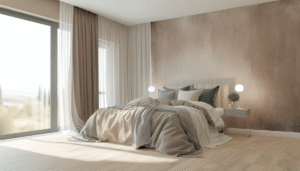
Natural light is your best ally against gloom. If your space has windows, use translucent or sheer curtains instead of heavy drapes to allow daylight to flood in. Position mirrors opposite windows to reflect sunlight deeper into the room, enhancing brightness.
Layered Artificial Lighting
Create layers of light using ambient, task, and accent lighting. Ceiling lights provide overall illumination, while table lamps and floor lamps add warmth and focus. Install LED strips under shelves or cabinets to emphasize architectural details and add depth.
Choosing the Right Bulbs
Opt for bulbs with warm white (2700K–3000K) color temperatures. These provide soft light that lifts mood without clashing with the dark wall hues. Avoid harsh, cool whites that can create an uninviting, clinical atmosphere.
Actionable Takeaways
- Use window treatments that maximize daylight penetration.
- Integrate multiple types of lighting for dimension and warmth.
- Reflect natural light with strategically placed mirrors.
- Choose warm white bulbs to complement dark walls.
Color Pairings and Textures That Lift Dark Wall Spaces
Contrasting Light Colors
Pair dark walls with light flooring, ceilings, or furniture to create visual contrast. Whites, creams, and pale greys pop beautifully against deep wall colors, helping to open up the space visually. Consider white trim or molding to frame dark walls elegantly.
Warm Neutrals and Bold Accents
Introduce warm neutrals like beige or taupe through rugs, cushions, or upholstery to soften the boldness. To energize the room, add jewel-tone accents—think emerald cushions or gold decorative objects—that harmonize with dark hues and sparkle under lighting.
Rich Textures for Depth and Interest
Texture breaks monotony and adds tactile richness. Velvet cushions, woven throws, and natural wood surfaces add inviting warmth. Matte wall finishes absorb light, but gloss or satin elements reflect illumination, balancing the mood.
Actionable Takeaways
- Incorporate light-colored floorings or large rugs to brighten the base.
- Use neutral upholstery and add jewel tones for interest and vibrancy.
- Mix matte and glossy textures to create dimension on walls.
- Frame dark walls with crisp light moldings for elegant contrast.
Furniture and Decor Tips to Prevent Gloominess in Dark Spaces
Selecting Light and Reflective Furniture
Choose furniture in lighter woods, metals, or acrylics to avoid blending into dark walls. Transparent or glossy finishes amplify light bounce. For example, a glass coffee table or metallic lamp can add sparkle without heavy visual weight.
Incorporate Greenery and Natural Elements
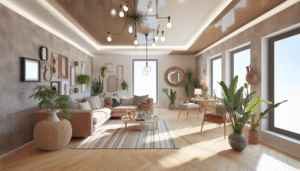
Plants introduce vitality and freshness, breaking up dark palettes with bursts of green. Natural fibers—linen cushions, wicker baskets—add warmth and soften hard shadows created by dark walls.
Art and Accessory Placement
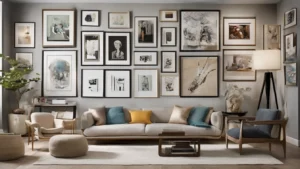
Bright, bold artwork creates focal points to draw the eye away from the depths of dark paint. Large-scale canvases with vibrant colors can dramatically lift the mood. Mirrors with decorative frames enhance light reflections and add stylish charm.
Actionable Takeaways
- Invest in furniture with light or reflective surfaces for freshness.
- Add plants and natural textures to enliven the space.
- Use colorful art and well-placed mirrors to create visual interest.
Case Studies: Real-World Examples of Brightening Dark Walls
Case Study 1: Cozy Chic Living Room
In a New York City apartment, navy walls were paired with white oak floors and large sheer curtains. Layered lighting included a brass chandelier and multiple floor lamps with warm light bulbs. The designer added emerald velvet cushions and gold framed mirrors that reflected daylight, brightening the moody palette while maintaining sophistication.
Case Study 2: Modern Forest Retreat
A cabin featured charcoal walls accentuated by natural birch furniture and creamy wool rugs. Skylights flooded natural light, complemented by strategically positioned LED strip lights. Lush indoor plants and art pieces with forest greens and earthy tones balanced the dark walls, creating a warm, inviting refuge.
Actionable Insights
- Leverage natural elements and materials as brightening counterpoints to dark walls.
- Use layered lighting combining ambient, task, and accent for balanced illumination.
- Incorporate metallic finishes and reflective decor to bounce light effectively.
Comparison Table: Dark Walls with Bright vs. Dark Decor
| Decor Style | Effect on Room | Pros | Cons |
|---|---|---|---|
| Dark Walls + Bright Decor | Bright, balanced, spacious feel | Enhanced light, open feel, lively accents | Requires careful color coordination |
| Dark Walls + Dark Decor | Moody, cozy, potentially gloomy | Intense drama, luxurious vibe | Risk of claustrophobia, less light |
Recommended Tools and Resources for Designing Dark Wall Spaces
Lighting Visualization Software
Programs like Pantone Color Finder and SketchUp allow you to simulate lighting effects on walls in different hues—helping plan the perfect light balance before painting.
Paint Color Simulators
Tools such as Benjamin Moore’s Personal Color Viewer offer realistic virtual previews of dark wall shades paired with various decor palettes.
Online Inspiration Platforms
Pinterest and Houzz are excellent for discovering real-life examples of dark wall decorating ideas, helping you find styles and combinations that resonate with your vision.
Actionable Takeaway
Use these tools early in your design process to visualize and iterate your dark wall plans, ensuring the final result brightens the mood while reflecting your style.
Frequently Asked Questions
How can I prevent dark walls from making a room feel smaller?
Use ample natural and layered artificial lighting, incorporate light-colored furniture and accessories, and add reflective surfaces like mirrors to visually open the space.
What colors work best with dark walls to keep rooms bright?
Light neutrals such as white, cream, and soft grey complement dark walls well. For accents, jewel tones and warm neutrals add vibrancy without overwhelming the space.
Is matte or glossy paint better for dark walls?
Matte finishes create depth but absorb more light, which can feel gloomy. Glossy or satin finishes reflect light and can help brighten a room with dark walls.
How important is lighting when decorating with dark wall colors?
Lighting is essential to avoid gloom. Combining natural light, warm bulbs, and layered fixtures ensures dark walls add elegance without feeling oppressive.
Can dark walls work in small rooms?
Yes, if you balance them with light flooring, reflective decor, and strong lighting. Dark walls can create cozy intimacy without shrinking the perceived size.
What furniture finishes complement dark walls?
Light woods, metals like brass or chrome, glass, and acrylic furniture pieces contrast well with dark walls, preventing the space from feeling heavy.
Conclusion & Next Steps
Decorating with dark walls challenges us to rethink light, color, and texture. By applying expert tips to brighten the mood—through balanced lighting, thoughtful color pairings, and carefully chosen furnishings—you can transform deep hues into inviting, vibrant spaces that feel anything but gloomy.
Embrace the drama of dark walls confidently, knowing that brightness and warmth come from smart design choices, not just paint. Experiment with lighting layers, introduce light-reflecting elements, and blend textures for a space that feels both sophisticated and cozy.
Ready to start your dark wall transformation? Explore our related guides on lighting ideas for cozy spaces, best color combinations for interiors, and choosing furniture for small rooms to deepen your design knowledge.
If you found these tips helpful, share your project progress or questions in the comments—community insights make the design journey richer!
Content Disclaimer
The information provided in this article is for educational purposes only. Individual results may vary based on specific conditions and personal preferences.
Categories
- Accent Walls & Ceilings (84)
- Art Curation & Gallery (83)
- Bedding Style Trends (89)
- Bedroom Makeover (96)
- Bohemian & Eclectic Styles (80)
- DIY & Budget-Friendly Decor (78)
- Eco-Friendly Design (83)
- Furniture Care (87)
- Home Decor & Design Ideas (181)
- Home Wellness Spaces (103)
- Integrated Outdoor Living (91)
- Japandi Style (84)
- Kids and Nursery Decor (73)
- Living Room Decor (99)
- Mix & Match Techniques (95)
- Modern & Contemporary Design (88)
- Rug Sizing & Placement (89)
- Scandinavian Design Inspiration (51)
- Seasonal Home Decor (100)
- Small Space Solutions (93)
- Wall Art & Painting Tips (94)
Recent Comments
Archives
Product Gallery
-
 Majestic African Wildlife Canvas Art for Stylish Home Decor
Rated 5.00 out of 5
Majestic African Wildlife Canvas Art for Stylish Home Decor
Rated 5.00 out of 5 -
 Cozy Irregular Green Plush Rug for Nordic Living Spaces
Rated 5.00 out of 5$56.79 – $358.08Price range: $56.79 through $358.08
Cozy Irregular Green Plush Rug for Nordic Living Spaces
Rated 5.00 out of 5$56.79 – $358.08Price range: $56.79 through $358.08 -
 Scandinavian Geometric Area Rugs for Stylish Home Décor
Rated 5.00 out of 5$40.78 – $617.78Price range: $40.78 through $617.78
Scandinavian Geometric Area Rugs for Stylish Home Décor
Rated 5.00 out of 5$40.78 – $617.78Price range: $40.78 through $617.78