

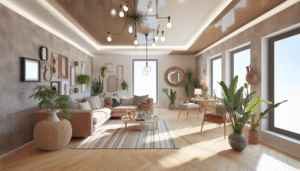
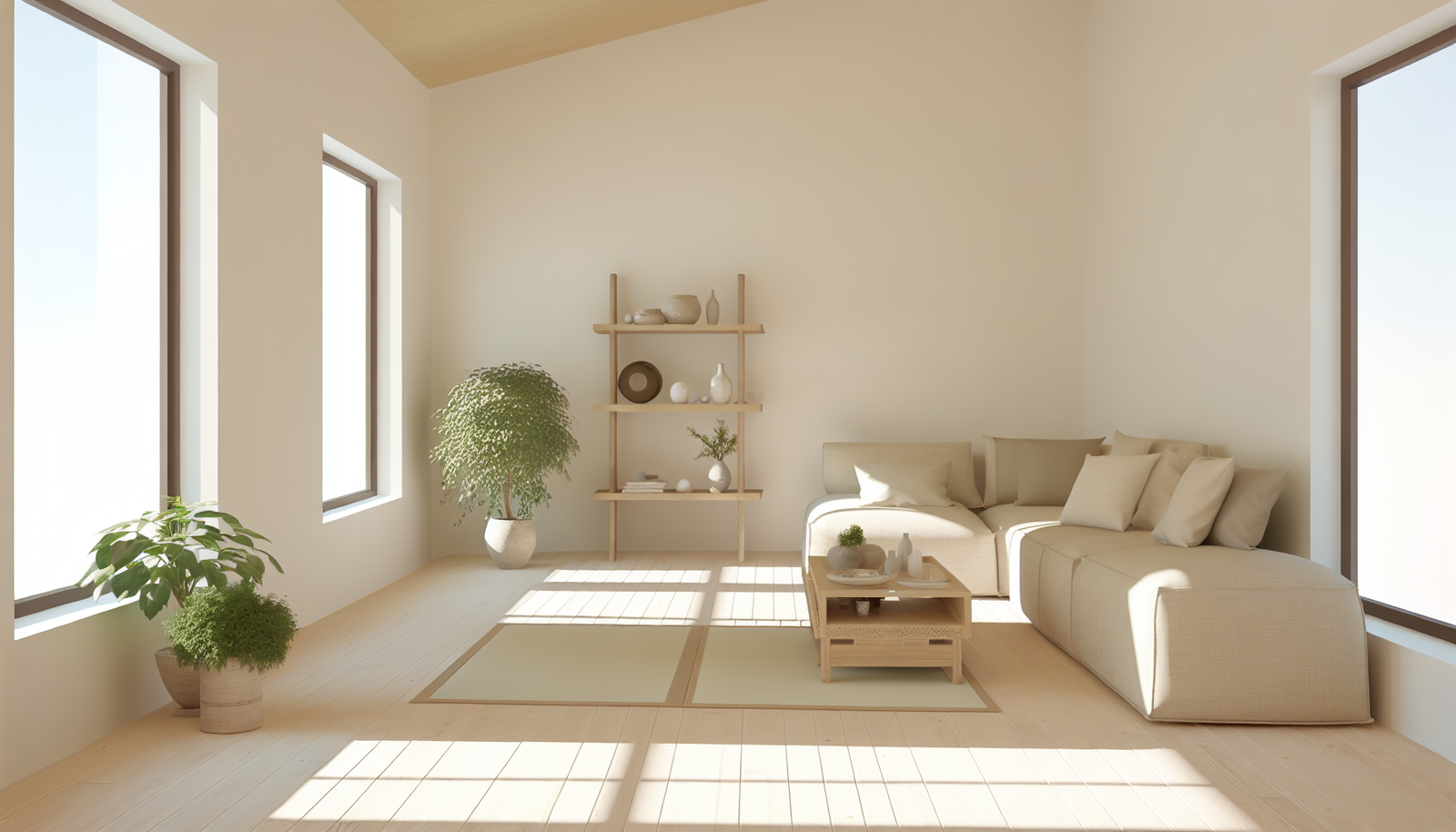

Are you tired of overly cluttered living spaces but crave a warm, inviting style that feels calm and elegant? Japandi style minimalist DIY projects offer a unique way to bring both Japanese simplicity and Scandinavian warmth into your home. This fusion prioritizes clean lines, natural materials, and functionality—a perfect match for anyone who loves subtle sophistication without sacrificing coziness.
In this guide, you’ll learn exactly how to create stunning Japandi-inspired minimalist projects yourself. From building sleek furniture to crafting ambient lighting, we break down the essentials for transforming any space into a serene haven. Whether you’re a seasoned DIYer or a beginner, the actionable steps and creative ideas here will empower you to design with mindful intent and timeless beauty.
Here’s what we’ll cover:
- Understanding Japandi design principles and core elements
- Essential DIY projects, including furniture, decor, and organizational solutions
- Material choices and eco-friendly options for authenticity and durability
- Step-by-step instructions with tools and tips for best results
- Examples and inspiration to fuel your creative journey
What Defines Japandi Style? Exploring Its Minimalist Roots
Japandi style combines the best aspects of Japanese and Scandinavian design traditions, both rooted in minimalism and craftsmanship. The primary goal is simplicity without stark coldness—think peaceful, balanced aesthetics that ground you.
Key Characteristics of Japandi Design
- Natural materials: Timber, bamboo, cotton, clay, and stone foster organic textures.
- Neutral color palettes: Soft grays, warm beiges, muted greens, and whites define spaces.
- Clean lines with curves: Furniture and decor blend straight edges with subtle rounded shapes.
- Functionality meets beauty: Every piece serves a purpose, emphasizing quality over quantity.
Why Minimalism Matters in DIY Projects
Minimalism encourages thoughtful creation—fewer pieces, but ones that enhance utility and calm. For DIY lovers, it means focusing on craftsmanship and materials while avoiding unnecessary embellishments. Your projects will feel intentional, lasting, and meaningful.
This approach also aligns well with sustainability by shifting attention to durable, timeless designs versus disposable trends.
Top Japandi Style Minimalist DIY Projects: Furniture, Decor & More
Ready to roll up your sleeves? Here are several manageable DIY projects that capture the Japandi spirit, suitable for various skill levels.
1. Handmade Minimalist Wooden Coffee Table
A low-profile coffee table with clean lines is essential. Choose sustainably sourced light wood such as ash or oak and finish with natural oil.
- Step 1: Cut and sand wood pieces for the tabletop and legs.
- Step 2: Assemble using dowels or screws; hide fasteners for a seamless look.
- Step 3: Apply natural finish oils like tung or linseed oil for protection.
Pro Tip: Slightly round edges soften the form creating a balanced appearance typical in Japandi furniture.
2. Bamboo Wall Shelves with Hidden Brackets
Bamboo’s fine grain and light tone make it a standout. Installing floating shelves with invisible supports adds storage that respects minimalist values.
- Measure and cut bamboo planks precisely.
- Use metal floating shelf brackets mounted into studs for strength.
- Sand and seal with eco-friendly varnish to enhance durability.
3. Simple Linen Cushion Covers in Muted Tones
Soft textiles soften wood and stone. Sewing your own cushion covers in natural linen fabrics extends Japandi calmness to your seating.
- Buy linen fabric in gray-beige or muted green hues.
- Cut with ¾ inch seam allowance and sew using simple straight stitches.
- Use hidden zippers or buttons for a clean finish.
4. Paper Lantern Pendant Light
Lighting strongly influences atmosphere. Crafting a paper lantern inspired by traditional Japanese lamps is easier than it sounds.
- Use rice paper or linen paper over a collapsible wireframe.
- Fit an LED bulb with a warm color temperature to reduce harshness.
- Hang from minimalist ceiling hooks paired with natural fiber cords.
Choosing Materials and Tools for Lasting Minimalist DIY
When approaching Japandi DIY projects, materials make all the difference. Consider eco-conscious choices that enhance the minimalist aesthetic and durability.
Tops Materials for Authentic DIY
- Wood: Ash, oak, walnut, and bamboo – they provide warmth and longevity.
- Textiles: Linen, cotton, and wool in natural dyes.
- Finishes: Natural oils and waxes avoid toxic chemicals.
- Metal hardware: Matte black or brushed brass preserves the understated look.
Essential Tools for Japandi Projects
- Measuring tape, carpenter’s square for precision
- Sanding tools for smooth finishes
- Electric drill and countersink bits for invisible joints
- Sewing kit with straight and zig-zag stitch options
- Non-toxic finishing brushes and cloths
If you want a digital boost, apps like SketchUp or Planner 5D can help plan your project layouts and visualize space efficiently.
Executing Projects: Step-by-Step Strategies for Success
To keep frustration at bay, thoughtful preparation and pacing make all the difference. Follow these tips for smooth crafting:
Start Small and Build Confidence
Tackle easier projects like cushion covers or shelves first. This builds skills and trust in your capabilities.
Document the Process
Taking photos and notes during each stage helps track progress and correct errors quickly.
Test Finishes and Samples
Always trial your finish on scrap wood or fabric. The visual and tactile differences between finishes can be surprising.
Embrace Imperfection
Minimalism values authenticity, so slightly uneven textures or natural wood knots add character and uniqueness.
Case Studies: Inspiring Japandi DIY Transformations
Let’s explore how real enthusiasts applied Japandi DIY principles in their homes, creating soothing, minimalist spaces.
Case Study 1: A City Apartment’s Coffee Table Makeover
Mia, a graphic designer in Toronto, built a bamboo and ash coffee table from reclaimed wood. She combined natural oils and simple joinery to create a centerpiece that anchors her living room with calm elegance.
Case Study 2: Scandinavian-Japanese Inspired Reading Nook
Lars from Stockholm designed a corner nook with a wall-mounted teak shelf and handmade linen cushions. Soft indirect lighting with a DIY paper lantern complemented the warm, minimal vibe.
FAQs About Japandi Style Minimalist DIY Projects
What is Japandi style in interior design?
Japandi combines Japanese minimalism and Scandinavian warm simplicity, emphasizing natural materials, neutral colors, and practical yet elegant design.
Are Japandi DIY projects beginner-friendly?
Many Japandi projects range from simple sewing tasks to moderate woodworking, making them accessible for a variety of experience levels.
Which materials are best for Japandi DIY?
Natural woods like oak and bamboo, linen or cotton fabrics, and eco-friendly finishes suit Japandi’s sustainable, clean aesthetic perfectly.
How can I incorporate Japandi style in small spaces?
Use multifunctional furniture, minimal decoration, and light color palettes to create a spacious, calming feel even in compact areas.
Where can I find tools for Japandi DIY projects?
Local hardware stores and online retailers carry woodworking and sewing tools. Digital design tools like SketchUp can help with planning.
Conclusion & Next Steps for Your Japandi DIY Journey
Japandi style minimalist DIY projects fuse timeless beauty with purposeful simplicity, offering refreshing ways to craft your living space. By focusing on natural materials, clean design, and careful craftsmanship, you achieve more than decor—you create calm, intentional environments.
Now that you understand Japandi principles and practical projects, it’s time to select your favorite idea, gather materials, and start crafting. Remember, each step brings you closer to a serene home filled with meaningful pieces.
For more inspiration, check out our Scandinavian Minimalist DIY Projects or explore Japanese Interior Design Tips. Engaging in these projects can deepen your appreciation for functional beauty.
Content Disclaimer
This article is provided for educational purposes only and reflects the author’s recommendations based on experience and research. Results from DIY projects may vary depending on individual skill levels and materials used.
Categories
- Accent Walls & Ceilings (84)
- Art Curation & Gallery (83)
- Bedding Style Trends (89)
- Bedroom Makeover (96)
- Bohemian & Eclectic Styles (80)
- DIY & Budget-Friendly Decor (78)
- Eco-Friendly Design (83)
- Furniture Care (87)
- Home Decor & Design Ideas (181)
- Home Wellness Spaces (103)
- Integrated Outdoor Living (91)
- Japandi Style (84)
- Kids and Nursery Decor (73)
- Living Room Decor (99)
- Mix & Match Techniques (95)
- Modern & Contemporary Design (88)
- Rug Sizing & Placement (89)
- Scandinavian Design Inspiration (51)
- Seasonal Home Decor (100)
- Small Space Solutions (93)
- Wall Art & Painting Tips (94)
Recent Comments
Archives
Product Gallery
-
 Majestic African Wildlife Canvas Art for Stylish Home Decor
Rated 5.00 out of 5
Majestic African Wildlife Canvas Art for Stylish Home Decor
Rated 5.00 out of 5 -
 Cozy Irregular Green Plush Rug for Nordic Living Spaces
Rated 5.00 out of 5$33.00 – $203.00Price range: $33.00 through $203.00
Cozy Irregular Green Plush Rug for Nordic Living Spaces
Rated 5.00 out of 5$33.00 – $203.00Price range: $33.00 through $203.00 -
 Scandinavian Geometric Area Rugs for Stylish Home Décor
Rated 5.00 out of 5$25.00 – $364.00Price range: $25.00 through $364.00
Scandinavian Geometric Area Rugs for Stylish Home Décor
Rated 5.00 out of 5$25.00 – $364.00Price range: $25.00 through $364.00