



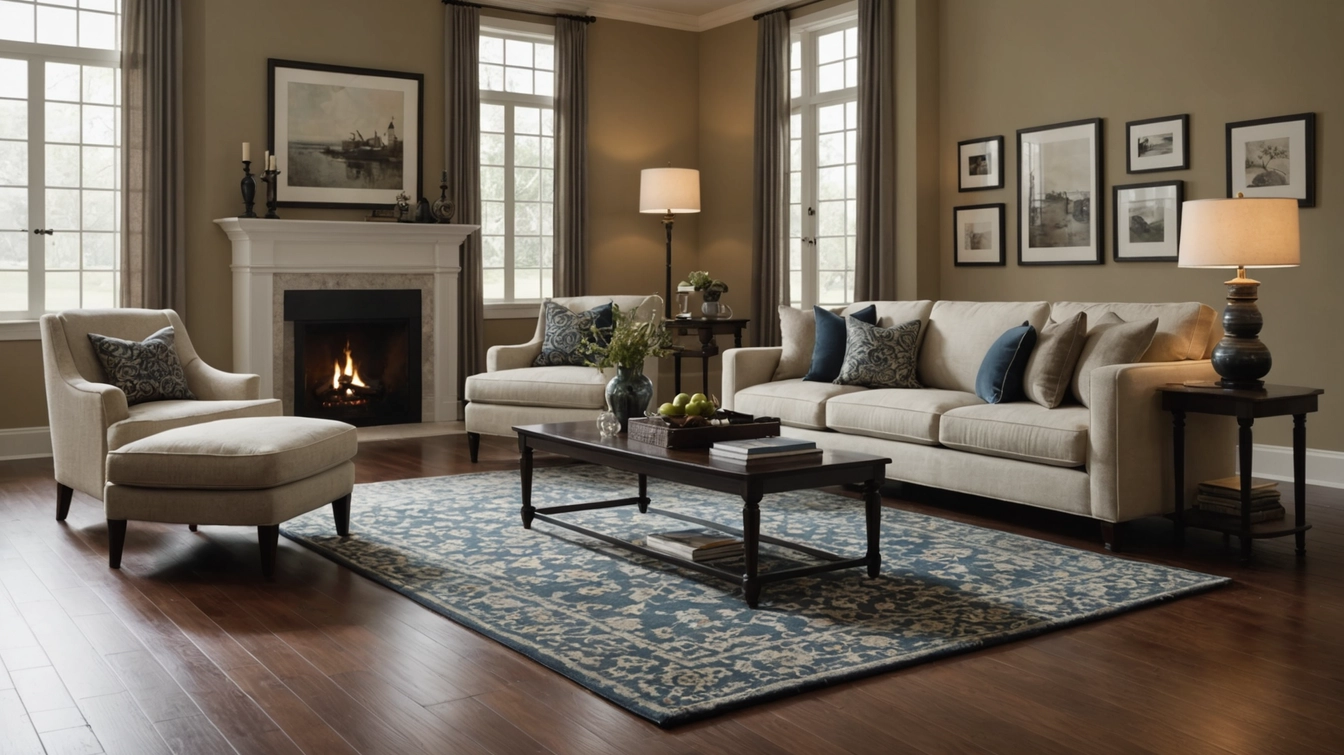
“The Hidden Risks of Leaving Floor Exposed Around Living Room Rugs: Safety and Style Tips”

Leaving the floor exposed around your living room rugs might seem harmless, even stylish. But this common design choice often hides hidden risks that could both impact safety and disrupt your interior’s balance. In fact, exposing too much bare floor near rugs can lead to slips, trip hazards, and accelerated wear on flooring materials—risks many homeowners overlook.
In this comprehensive article, you’ll discover why leaving floors uncovered around rugs matters more than you think, practical safety considerations, and aesthetic strategies to enhance your living space while protecting your home. We’ll walk through risks you might not have suspected, style tips that work, and actionable solutions to keep your home both beautiful and secure.
Here’s what to expect:
- Understanding the safety hazards related to exposed floor around living room rugs
- How floor type influences risk and rug placement decisions
- Styling tips to balance exposed flooring and rug coverage
- Maintenance and protection strategies for floors and rugs
- Frequently asked questions addressing common concerns
1. Why Leaving Floor Exposed Around Rugs Can Be Risky
The risks associated with exposed flooring near living room rugs may surprise you. While many appreciate the sense of openness that visible flooring provides, the reality includes potential safety concerns you don’t want to ignore.
1.1 Trip and Slip Hazards
Exposed floor edges next to rugs create abrupt transitions that can cause trips or slips. This is especially true for hardwood, tile, or polished surfaces where rugs may shift or curl at the corners, creating uneven surfaces. According to a study by the National Floor Safety Institute, around 47% of home fall injuries involve tripping over rugs or flooring edges.
- Sharp rug edges: Rugs with poorly finished sides tend to curl up, catching feet or mobility aids.
- Slick floors: Bare hardwood, vinyl, or tile can become slippery, heightening the risk near rug boundaries.
1.2 Accelerated Wear on Flooring
When large sections of floor are left exposed around rugs, direct foot traffic causes uneven wear patterns—leading to scratches, dents, or fading. Floors not shielded by rugs in frequently used areas suffer more damage over time.
- Sunlight exposure can fade floor finishes around uncovered areas.
- Heavy foot traffic without rug protection accelerates surface wear.
1.3 Challenges for Child and Elderly Safety
For homes with children or older adults, exposed floors around rugs increase fall risks. Young children playing might trip over rug corners, while elderly individuals with mobility difficulties are more prone to slips on exposed smooth floors.
2. The Role of Floor Type in Rug Placement Safety
Not all floors react the same to being left exposed near rugs. Material, texture, and finish inform the risks you should anticipate. Consider how these common flooring types pair with rug coverage.
2.1 Hardwood and Engineered Wood Floors
Hardwood floors are slick and unforgiving to falls. Exposed wood around rugs often leads to shifting pieces or edges that curl upward, creating trip hazards. Additionally, exposed hardwood fades unevenly due to differential sunlight exposure.
Tip: Use rug pads under living room rugs to secure them firmly and prevent movement.
2.2 Tile and Natural Stone Floors
Tile and stone offer little grip, making slips near rug edges common. Bare tiles can be cold and hard, exacerbating injury risks during falls. Plus, grout lines and textured surfaces may catch rug fringes, causing curling.
Tip: Opt for larger rugs with extended coverage and non-slip padding underneath.
2.3 Carpeted Floors
Even on carpeted floors, exposed areas around accent rugs can cause aesthetic imbalance and wear spots. Though carpet is softer, rug edges may bunch or shift, especially when layered.
Tip: Smooth edges and anti-slip backings help secure rugs on carpets and maintain a seamless transition.
3. Style Strategies: Balancing Rug Coverage with Exposed Flooring
Many designers seek the perfect balance between showcasing beautiful flooring and leveraging rugs to create warmth and comfort. Here’s how to avoid pitfalls while enhancing style.
3.1 The “Floating Rug” Look—Pros and Cons
| Aspect | Pros | Cons |
|---|---|---|
| Exposed Floor Around Rug | Highlights flooring beauty, creates openness | Increased slip/trip risks, looks disjointed if overdone |
| Full Rug Coverage | Safety, warmth, unified aesthetic | Can hide beautiful flooring, may feel crowded |
Practical Tip: Leave about 18 to 24 inches of exposed floor around rugs in living rooms to provide openness without excessive risk.
3.2 Layering Rugs for Texture and Safety
Layering smaller rugs on top of large base rugs creates both visual interest and safer transitions between flooring types. This approach minimizes exposed floor while adding depth.
- Choose rugs with subtle color contrasts to define play areas.
- Use low-pile rugs on top for stability.
3.3 Coordinating Rug Shape with Floor Space
Matching rug shape—round, rectangular, or runner—to the floor configuration reduces edges exposed and tripping points. For irregular rooms, consider custom cut or modular rugs.
4. Protective Measures and Maintenance Tips
Beyond style, you need strategies to protect your exposed floors and rugs for lasting beauty and safety.
4.1 Rug Pads and Non-Slip Backings
Quality rug pads ensure rugs stay put and protect both the floor and the rug’s underside. Look for pads made of rubber or felt with grip backing. They reduce slippage by up to 90%, according to flooring experts.
4.2 Regular Floor Cleaning and Rug Care
- Clean floors regularly to prevent dirt buildup that damages finishes.
- Vacuum rugs and rotate them every 3-6 months to wear evenly.
4.3 UV Protection for Flooring
Using UV-blocking window treatments reduces fading on exposed flooring near rugs. Consider curtains or films especially in sunny rooms.
5. Real-World Examples: Lessons from Homeowners
5.1 Case Study: Trip Hazard Reduced by Adding Border Rug
In a mid-sized home in Seattle, one family faced multiple trips on a throw rug sitting on hardwood with exposed floor edges. After replacing it with a larger rug covering more floor area plus thick rubber padding underneath, the family reported zero trip incidents over 12 months.
5.2 Case Study: Enhancing Style Without Sacrificing Safety
A designer in New York layered three area rugs in a large living room with polished stone floor. They used complementary patterns with secure pads to maintain floor visibility while reducing slip risks. The client noted improved room warmth and zero rug movement.
Frequently Asked Questions
Is it safer to cover the entire living room floor with rugs?
Not necessarily. Covering all exposed flooring can reduce slip risks but may hide the floor’s natural beauty and cause carpeted areas to feel congested. Balanced coverage with secure rug pads offers safer, stylish solutions.
What type of rug pad is best for hardwood floors?
For hardwood floors, look for felt or rubber-backed pads that prevent slipping and cushion impact without scratching the floor finish.
How much floor should be left exposed around a rug?
Generally, 18 to 24 inches of exposed floor around rugs creates a visually pleasing balance that avoids the risks of overly exposed floor edges.
Can rugs cause allergic reactions if left on floors too long?
Yes, rugs can trap dust and allergens. Regular vacuuming and cleaning help reduce allergy risks, especially important if exposed floors create additional dust accumulation zones.
Does flooring type impact the best rug shape to use?
Definitely. For example, on tiled floors, larger rectangular rugs reduce edge curling, while on hardwood, round rugs create softer transitions.
Conclusion: Making Informed Choices on Floor Exposure Around Rugs
Understanding the hidden risks of leaving floor exposed around living room rugs helps you create safer, stylish living spaces. Balancing floor visibility with rug coverage, choosing appropriate pads, and tailoring solutions to your floor type prevent accidents and wear.
Take action today by assessing your living room’s rug placement, securing edges, and protecting floors from damage. Safety and style don’t have to compete—they complement each other when you apply these straightforward tips.
For deeper guidance on home décor and flooring safety, explore our flooring safety tips and living room décor ideas.
Content Disclaimer
This article is provided for educational purposes only. Safety measures discussed are general recommendations and may not substitute professional advice. Consult flooring specialists or safety experts for specific concerns regarding your environment.
Categories
- Accent Walls & Ceilings (84)
- Art Curation & Gallery (83)
- Bedding Style Trends (89)
- Bedroom Makeover (96)
- Bohemian & Eclectic Styles (80)
- DIY & Budget-Friendly Decor (78)
- Eco-Friendly Design (83)
- Furniture Care (87)
- Home Decor & Design Ideas (181)
- Home Wellness Spaces (103)
- Integrated Outdoor Living (91)
- Japandi Style (84)
- Kids and Nursery Decor (73)
- Living Room Decor (99)
- Mix & Match Techniques (95)
- Modern & Contemporary Design (88)
- Rug Sizing & Placement (89)
- Scandinavian Design Inspiration (51)
- Seasonal Home Decor (100)
- Small Space Solutions (93)
- Wall Art & Painting Tips (94)
Recent Comments
Archives
Product Gallery
-
 Majestic African Wildlife Canvas Art for Stylish Home Decor
Rated 5.00 out of 5
Majestic African Wildlife Canvas Art for Stylish Home Decor
Rated 5.00 out of 5 -
 Cozy Irregular Green Plush Rug for Nordic Living Spaces
Rated 5.00 out of 5$37.00 – $231.00Price range: $37.00 through $231.00
Cozy Irregular Green Plush Rug for Nordic Living Spaces
Rated 5.00 out of 5$37.00 – $231.00Price range: $37.00 through $231.00 -
 Scandinavian Geometric Area Rugs for Stylish Home Décor
Rated 5.00 out of 5$27.00 – $398.00Price range: $27.00 through $398.00
Scandinavian Geometric Area Rugs for Stylish Home Décor
Rated 5.00 out of 5$27.00 – $398.00Price range: $27.00 through $398.00


