


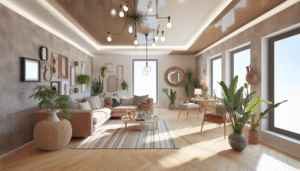
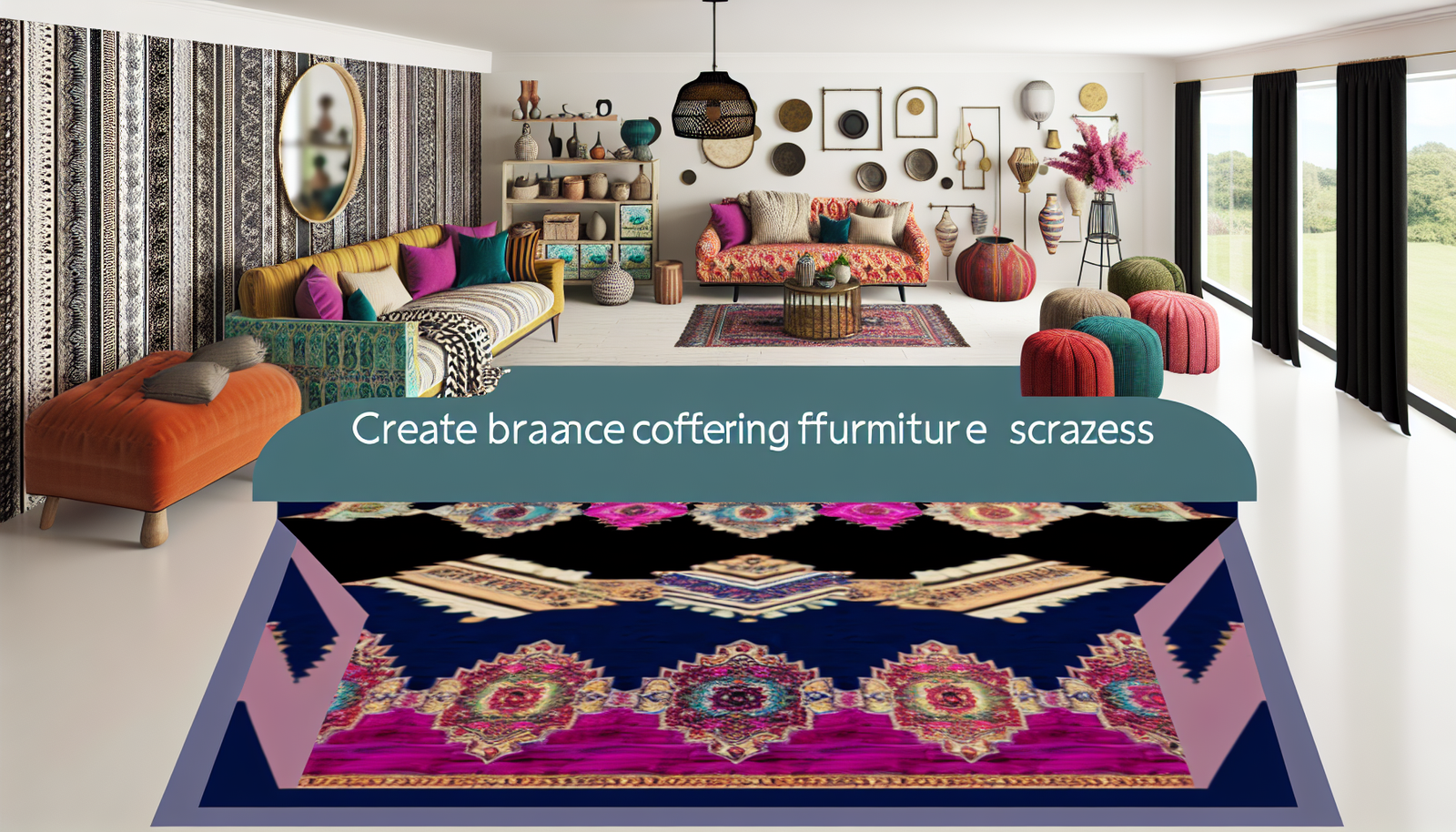
Balancing Act: Mastering Harmony with Contrasting Furniture Scales

Why Scale Matters More Than You Think
You know, we’ve all walked into a room where something just felt off. Not in a “what’s that smell?” kind of way, but more like the furniture was playing a game of tug-of-war with the space—everything seemed either too big or too small. Here’s the thing: furniture scale isn’t just about measurement numbers; it’s the silent conductor that leads visual harmony in your room.
Imagine walking into your favorite café littered with chairs and tables clashing wildly in size—chaotic, right? That’s what happens when furniture scales don’t sing in tune with each other or the room itself. Scale is the size relationship between pieces relative to the environment they occupy. When handled well, it creates a visual rhythm that feels satisfying, even soothing.
Getting Cozy with Contrast: It’s Not Just Opposites That Attract
Let me explain why contrasting furniture scales are often misunderstood. It’s tempting to think you need every piece to perfectly match in size to achieve balance, but life (and design) isn’t so tidy. Contrast isn’t about uniformity, but rather about a comfortable tension—sort of like jazz music, where different notes bounce off each other to create something beautiful.
Think about pairing a towering bookshelf with a low-slung armchair, or a grand, chunky coffee table against airy side tables. It’s about mixing the bold with the subtle, the large with the little, but still keeping the melody smooth enough to hum along with.
The Room is Your Canvas: Making Furniture Scale Work for You
Each room has its own personality and quirks—you could say it has its own story to tell. When choosing furniture scales that contrast, the room’s dimensions, ceiling height, and function become your best friends. For instance, a loft with soaring ceilings begs for some dramatic, tall furniture pieces, but throwing in some lower-profile chairs or tables breaks up the vertical vastness and makes the space feel inviting, not intimidating.
Conversely, in a cozy nook or studio apartment, larger pieces might overwhelm and suffocate the vibe. Here, contrasting a slightly larger-than-average sofa with delicate side tables can open the space visually, creating depth without cluttering it.
How to Avoid the “Shrunken Sofa” Syndrome
Ever sat on a couch that looked swallowed up by your living room—or worse, a tiny chair dwarfed by a massive dining table? That mismatch is what interior designers grimace about. It’s colloquially called “Shrunken Sofa Syndrome” (okay, I might’ve just coined that term), where a piece feels lost or out of place due to poor scaling.
Fixing this? Consider the following:
- Start with your biggest piece. It anchors the room and sets the scale for everything else.
- Test sightlines; step back and assess if smaller pieces get visually lost or if bigger ones dominate too harshly.
- Think about the function. Smaller chairs in a big room are fine for occasional use, but if you want comfort and conversation, scale up thoughtfully.
Mixing It Up: How to Combine Large and Small Styles Without Chaos
There’s a gentle art to combining large and small furniture, and it’s about more than just size. Texture, color, and shape each play a starring role. For example, a large, rugged wooden coffee table paired with sleek, airy metal chairs can strike that perfect note of contrast without loud dissonance.
Don’t be afraid to layer. Layering doesn’t just apply to clothing; it’s a tried-and-true design strategy. A bold oversized rug can ground a cluster of smaller chairs, while a stately armoire paired with a collection of petite stools lends an earned charm to your room. Think of it as creating a conversation—not a shouting match.
Going Big and Small: Stories from Real Rooms
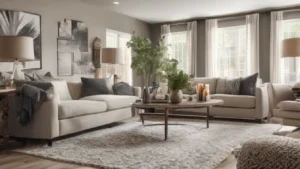
One friend of mine recently redesigned her apartment living room, which had pretty high ceilings but was otherwise modest in size. She chose an enormous, deep-buttoned Chesterfield sofa (a classic, if you don’t know) and paired it with sleek, petite mid-century side tables. Guess what? The room breathed life and looked gorgeous, rather than cramped. Contrast was the secret ingredient.
On the flip side, another story from a renovated Victorian house showed how mixing a small vintage armchair with a colossal modern sectional created an unexpected charm. What seemed to be a mismatch on paper turned into a conversation starter—and proof that breaking “rules” pays off.
Tools and Tricks to Measure and Visualize Scale
Honestly, if squinting and pacing around your room isn’t cutting it, technology has your back. Apps like MagicPlan or Planner 5D let you map out your room and furniture before you buy or move a heavy thing. You can experiment with different scales, placements, and see instantly if something feels off.
Also, never underestimate the good old-fashioned measuring tape and painter’s tape on the floor to “frame” your soon-to-be furniture outlines. It’s tactile and honest, and helps you avoid the buying regret later on!
Seasonal Shifts and Changing Your Scale Game
Did you ever notice how your furniture feels a little different as seasons change? Summer’s a great time for lighter, smaller pieces that can be moved easily for more airiness; winter calls for chunkier, cozier furniture that makes you want to curl up and linger. This subtle seasonal shift in scale awareness keeps your space lively—and it’s a tip often missed.
Switching accent chairs or rugs seasonally can help keep your room feeling fresh and balanced without overhauling large items. It’s like refreshing your coffee cup from a tiny espresso to a big mug when weather changes—small details making a big difference.
You Can Do This: A Quick Recap to Keep You on Track
While there’s no one-size-fits-all guide (pun intended) when it comes to balancing furniture scales, here’s what to keep close:
- Consider your room’s size and personality first.
- Don’t fear contrast; it’s a lively dance, not a rigid checklist.
- Use large pieces to anchor, and smaller ones to add rhythm and charm.
- Blend shapes, colors, and textures to make the scale feel intentional.
- Test with tools or simple tapes—trust your eyes as much as your gut.
In the end, balancing contrasts in furniture scale is a bit like a well-choreographed ballet—when done right, everything flows naturally. And you know what? That’s really the charm and challenge of interior design—a constant, enjoyable balancing act.
Frequently Asked Questions
Furniture scale refers to the size relationship between pieces of furniture and the room they inhabit. It matters because proper scale creates visual balance and comfort, helping rooms feel inviting rather than chaotic or empty.
Absolutely. Contrasting scales add interest and depth to a room, provided they are thoughtfully combined with attention to proportion, function, and overall harmony.
In smaller rooms, lean towards furniture that respects the space by avoiding overly large pieces. Combining one slightly larger focal piece with smaller, lighter items often works well to avoid a crowded feel.
Yes, apps like MagicPlan and Planner 5D let you create room layouts and try different furniture sizes virtually, which can save you from costly mistakes.
Texture and color influence how heavy or light a piece feels. Dark, bulky textures can look larger and dominant, while light colors and sleek finishes can help big pieces feel less overwhelming.
Yes! Mixing styles and scales creates layered, interesting spaces. The key is balancing sizes with other design elements to maintain visual harmony.
const accordions = document.querySelectorAll(‘.accordion’);
accordions.forEach(acc => {
acc.addEventListener(‘click’, function() {
this.classList.toggle(‘active’);
const panel = this.nextElementSibling;
if (panel.style.maxHeight) {
panel.style.maxHeight = null;
} else {
panel.style.maxHeight = panel.scrollHeight + “px”;
}
});
});
Disclaimer
The advice given here is meant to inspire and guide your interior design choices. Personal taste varies, and practical constraints like budget and room specifics should always be considered before making purchases. Always measure your space carefully and, if uncertain, consult a professional interior designer.
Categories
- Accent Walls & Ceilings (84)
- Art Curation & Gallery (83)
- Bedding Style Trends (89)
- Bedroom Makeover (96)
- Bohemian & Eclectic Styles (80)
- DIY & Budget-Friendly Decor (78)
- Eco-Friendly Design (83)
- Furniture Care (87)
- Home Decor & Design Ideas (181)
- Home Wellness Spaces (103)
- Integrated Outdoor Living (91)
- Japandi Style (84)
- Kids and Nursery Decor (73)
- Living Room Decor (99)
- Mix & Match Techniques (95)
- Modern & Contemporary Design (88)
- Rug Sizing & Placement (89)
- Scandinavian Design Inspiration (51)
- Seasonal Home Decor (100)
- Small Space Solutions (93)
- Wall Art & Painting Tips (94)
Recent Comments
Archives
Product Gallery
-
 Majestic African Wildlife Canvas Art for Stylish Home Decor
Rated 5.00 out of 5
Majestic African Wildlife Canvas Art for Stylish Home Decor
Rated 5.00 out of 5 -
 Cozy Irregular Green Plush Rug for Nordic Living Spaces
Rated 5.00 out of 5$43.73 – $275.79Price range: $43.73 through $275.79
Cozy Irregular Green Plush Rug for Nordic Living Spaces
Rated 5.00 out of 5$43.73 – $275.79Price range: $43.73 through $275.79 -
 Scandinavian Geometric Area Rugs for Stylish Home Décor
Rated 5.00 out of 5$32.78 – $496.51Price range: $32.78 through $496.51
Scandinavian Geometric Area Rugs for Stylish Home Décor
Rated 5.00 out of 5$32.78 – $496.51Price range: $32.78 through $496.51


