
Bedroom Home Office Design: Smart, Stylish Dual-Purpose Ideas

In today’s evolving lifestyle landscape, the challenge of carving out a dedicated workspace within the intimate confines of a bedroom has become increasingly common. Crafting a sanctuary that serves both as a restful retreat and a productive home office requires more than just placing a desk in a corner—it invites a thoughtful, artful approach to bedroom home office design. This balance of comfort and efficiency is attainable through smart, stylish dual-purpose ideas that transform your bedroom into a harmonious setting welcoming creativity, focus, and rest.
Whether you are a remote worker, a student, or someone simply needing a quiet nook for occasional projects, designing a space that supports both work and relaxation unlocks tremendous lifestyle value. By blending aesthetic sensibility with practical layout solutions, you can have a bedroom office that feels expansive, inspiring, and calming. Throughout this article, you’ll uncover design philosophies rooted in contemporary interior movements, room-specific strategies, the psychological impacts of materials and colors, and smart accessorizing tips—all curated to elevate the multi-functionality of your home’s most personal space.
The journey ahead includes:
- An exploration of design philosophies and inspirational roots that shape dual-purpose spaces.
- Detailed room-by-room applications to guide layouts, color schemes, and lighting choices.
- Insights into how materials and colors influence mood and productivity.
- Styling techniques and essential décor accents to effortlessly unite work and rest areas.
- Eco-conscious and budget-friendly recommendations for sustainable and stylish solutions.
- A helpful FAQ section addressing common concerns about space optimization, lighting, materials, and design trends.
By the end, you’ll be equipped with elegant, actionable ideas to master your bedroom home office design, making your space both a restful haven and an efficient productivity hub.
Design Philosophy & Inspiration
At the heart of an inviting bedroom home office lies a design philosophy that values balance—between work and rest, minimalism and warmth, functionality and aesthetics. The dual-purpose space emerges as a subtle dialogue between calming retreat and focused workspace, motivated by lifestyle psychology and contemporary design movements that champion simplicity, natural textures, and intentional layouts.
Many designers today draw inspiration from Japandi, a hybrid style fusing Japanese minimalism with the warmth and textures of Scandinavian design. Japandi emphasizes clean lines, uncluttered spaces, and natural materials—creating environments that foster mindfulness and calm. This aesthetic aligns beautifully with the need for a workspace that doesn’t overwhelm but instead gently nurtures productivity while inviting relaxation at day’s end.
Similarly, the Bohemian (“Boho”) movement revitalizes the creative duality of personal spaces, using eclectic textures, warm color palettes, and artistic details to reflect personality and inspire comfort. When balanced carefully in a bedroom office, Boho styling keeps the environment vibrant yet inviting, transcending the typical sterile “work nook.”
Renowned interior voices like Kelly Wearstler and Studio McGee advocate for layering subtle contrasts—soft fabrics with sleek surfaces, warm woods with cool metals—to create spaces that are simultaneously restorative and inspiring. Their approaches echo Jean-Louis Deniot’s vision of spaces where “design is effortless but defined,” endorsing multifunctional living without sacrificing style.
In essence, successful bedroom home office design is less about a strict formula and more about cultivating a personalized environment that honors the dual roles the space must play—offering sanctuary for sleep alongside stimulation for work.
Room-by-Room Application
Bedroom
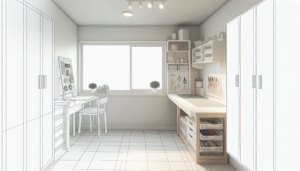
Designing your bedroom office requires thoughtful zoning to delineate rest from work without physical barriers that can overwhelm limited space. Consider these tips:
- Incorporate compact furniture: Choose a sleek, narrow desk or a wall-mounted fold-down option to conserve floor space.
- Use multifunctional pieces: A storage ottoman can double as seating and conceal office supplies.
- Nurture natural light: Position desks near windows to maximize daylight, improving mood and alertness.
- Soft color palettes: Use calming tones of pale blues, greens, or warm neutrals to evoke serenity and encourage focus.
- Flexible lighting solutions: Blend ambient bedroom lighting with task lamps or adjustable LED strips to adapt to work demands.
Living Room
When your home office nestles within a living room, balance social and work zones carefully:
- Define with rugs or shelving: Use area rugs or bookcases as visual dividers between workspace and relaxation areas.
- Opt for stylish desks or console tables: Let your desk complement existing living room furniture without clashing.
- Curate green houseplants: Incorporate plants to visually soften the workspace and enhance air quality.
- Integrate streamlined storage: Choose closed cabinetry or baskets to prevent clutter from spilling into social spaces.
Kitchen
The kitchen may seem unconventional for a home office, but with careful planning it can serve double duty:
- Mini workstations: A cozy breakfast nook or a slim counter can double as a laptop station.
- Durable surfaces: Choose materials like quartz or laminated wood that stand up to kitchen activity and office use.
- Good lighting: Supplement ceiling lights with task-specific pendants or under-cabinet LEDs to brighten the area.
- Smart seating: Use ergonomic stools that tuck away when not in use.
Outdoor Spaces
If weather and space permit, outdoor zones offer refreshing alternatives for work:
- Create shaded retreat spots: Use pergolas, umbrellas, or retractable awnings to block glare and heat.
- Weather-resistant furniture: Invest in durable desks and chairs that combine comfort with longevity.
- Incorporate plants and water features: Enhance tranquility and reduce stress with natural elements.
- Portable lighting: Use battery-powered lamps or string lights for evening tasks.
Material & Color Psychology
Materials and colors profoundly affect how we experience both rest and productivity in a dual-purpose bedroom home office. Selecting textures and hues with care can elevate not only the look but also the emotional resonance of the space.
Color influences mood: Cool blues and greens tend to calm the mind and improve concentration, making them excellent choices for work zones. Warm neutrals, soft beige, and muted earth tones foster cozy relaxation ideal for sleep areas. Integrating color transitions between zones aids psychological separation of work and rest.
Texture adds depth: Contrast smooth, polished surfaces like glass or metal desks with soft, tactile rugs and cushions. Natural fibers such as linen, wool, and cotton invite comfort and subtle luxury. Wooden elements—particularly with visible grain—imbue warmth, grounding the space.
Light affects perception: Matte finishes reduce glare and create a soothing ambiance, whereas reflective surfaces expand perceived space and boost brightness. Layering varied light sources—from ambient ceiling fixtures to directional desk lamps—enhances both functionality and mood.
Understanding how texture, tone, and material interplay allows you to craft a bedroom office that balances mental clarity with emotional ease, mastering the art of dual-purpose design.
Styling & Accessorizing Tips
Accents and finishing touches can powerfully define the visual harmony of your dual-purpose bedroom home office. When selected mindfully, accessories complement function while injecting personality.
5 Décor Pieces That Transform a Room
- Statement task lamp: A sleek, designer desk lamp blends practicality with style and anchors the work nook.
- Decorative storage baskets: Woven or fabric baskets tame clutter and add earthy texture.
- Area rugs: Layered rugs differentiate work zones and add softness underfoot.
- Wall art or prints: Inspiring or calming artwork personalizes the space without distraction.
- Greenery: Low-maintenance plants such as succulents or snake plants freshen the air and add organic vibrancy.
Additional tips for harmonious styling include:
- Maintain an intentional color palette across accessories to unify the room visually.
- Use cable management solutions to keep technology tidy yet accessible.
- Incorporate ergonomic yet elegant seating options that provide comfort and elevate style.
- Rotate elements seasonally—such as throws and pillows—to refresh mood and texture.
Sustainable & Budget-Friendly Options
Your bedroom home office can be designed with both environmental mindfulness and affordability in mind. Exploring sustainable materials and cost-conscious solutions ensures beauty and function go hand in hand without excess expenditure or waste.
Eco-conscious materials: Bamboo desks, reclaimed wood furniture, and organic cotton textiles offer durable, renewable alternatives that age gracefully. Low-VOC paints and finishes improve indoor air quality and are safer for your wellbeing.
Thrift and upcycle: Salvage vintage desks or refurbish existing furniture with fresh paint and updated hardware to create unique, personalized workstations affordably.
Neutral, versatile products: Select neutral-hued rugs and curtains that complement multiple styles and can easily adapt to decor changes over time, maximizing longevity.
Prioritize quality where it counts: Investing in ergonomic chairs or lighting fixtures pays dividends in comfort and health, reducing future replacement needs.
Smart shopping paired with an ethical mindset cultivates a bedroom home office that is as responsible as it is refreshing, offering lasting value for your investment.
Frequently Asked Questions
What color palette makes a room look bigger?
Soft neutrals and light hues like off-white, beige, and pale gray reflect light and create the illusion of space. Incorporating these shades on walls, furniture, and textiles helps expand visual boundaries.
How can I make my home look more luxurious on a budget?
Use layered lighting, textured textiles, and strategic statement pieces to elevate your space affordably. Adding mirrors to reflect natural light and carefully chosen accessories also enhances a sense of luxury.
Which materials create a warm, cozy atmosphere?
Natural woods, soft linen, wool, and warm-toned accents bring depth and comfort to any room. These elements invite tactile richness and visual warmth perfect for both work and rest zones.
How do I choose the right lighting for a room?
Combine ambient, task, and accent lighting to balance functionality and atmosphere. Ambient lighting offers general illumination, task lighting supports work-related activities, and accent lighting highlights decorative features.
What are timeless interior design styles?
Scandinavian, mid-century modern, minimalism, and Japandi are versatile, elegant, and enduring. Their focus on simplicity, natural materials, and harmonious layouts makes them perennially popular.
Content Disclaimer
This content is for informational purposes only. Interior design choices depend on personal preference, budget, and space limitations. Always consult qualified professionals for structural or renovation advice.
Categories
- Accent Walls & Ceilings (84)
- Art Curation & Gallery (83)
- Bedding Style Trends (89)
- Bedroom Makeover (96)
- Bohemian & Eclectic Styles (80)
- DIY & Budget-Friendly Decor (78)
- Eco-Friendly Design (83)
- Furniture Care (87)
- Home Decor & Design Ideas (181)
- Home Wellness Spaces (103)
- Integrated Outdoor Living (91)
- Japandi Style (84)
- Kids and Nursery Decor (73)
- Living Room Decor (99)
- Mix & Match Techniques (95)
- Modern & Contemporary Design (88)
- Rug Sizing & Placement (89)
- Scandinavian Design Inspiration (51)
- Seasonal Home Decor (100)
- Small Space Solutions (93)
- Wall Art & Painting Tips (94)
Recent Comments
Archives
Product Gallery
-
 Majestic African Wildlife Canvas Art for Stylish Home Decor
Rated 5.00 out of 5
Majestic African Wildlife Canvas Art for Stylish Home Decor
Rated 5.00 out of 5 -
 Cozy Irregular Green Plush Rug for Nordic Living Spaces
Rated 5.00 out of 5$45.40 – $286.30Price range: $45.40 through $286.30
Cozy Irregular Green Plush Rug for Nordic Living Spaces
Rated 5.00 out of 5$45.40 – $286.30Price range: $45.40 through $286.30 -
 Scandinavian Geometric Area Rugs for Stylish Home Décor
Rated 5.00 out of 5$34.03 – $515.43Price range: $34.03 through $515.43
Scandinavian Geometric Area Rugs for Stylish Home Décor
Rated 5.00 out of 5$34.03 – $515.43Price range: $34.03 through $515.43