


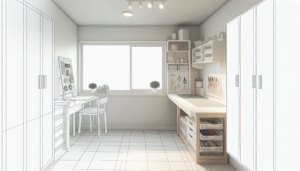





Imagine a dedicated space, bathed in natural light, where every tool has its place and every fabric, yarn, or pigment awaits your creative touch. For many crafters, this dream feels out of reach, often relegated to a corner of a dining room or a cluttered spare bedroom. But what if we told you that reclaiming your creative sanity, and significantly boosting your productivity, is entirely possible – right in your own backyard? Welcome to the world of building outdoor craft studios with supply organization at their core.
This comprehensive guide will walk you through transforming that vision into a tangible reality. We’ll dive deep into everything from initial planning and structural considerations to ingenious storage solutions and smart workflow design. Prepare to unlock the secrets of creating a serene, inspiring, and supremely organized outdoor craft haven that not only houses your passion but elevates it. By the end, you’ll have a clear roadmap to a space that sparks joy and fosters boundless creativity.
Why an Outdoor Craft Studio is Your Ultimate Creative Sanctuary
The allure of an outdoor craft studio extends far beyond simply getting your supplies out of the house. It’s about cultivating an environment purpose-built for inspiration. Think about it: a space free from the distractions of daily domestic life, bathed in natural light, and with a direct connection to nature. This dedicated separation can be a game-changer for focus and creative flow.
Indulging your passion in an outdoor studio can significantly improve your mental well-being. It offers a clear boundary between work and hobby, reducing creative blocks and fostering a deeper sense of enjoyment. Furthermore, specific crafts often involve dust, fumes, or noise that are better contained away from living areas. This section explores the multifaceted benefits that make investing in an outdoor craft space a truly worthwhile endeavor.
The Unbeatable Benefits of a Dedicated Outdoor Craft Space
- Enhanced Focus & Reduced Distractions: Separate physical space means fewer interruptions from household chores, family members, or entertainment. This singular focus can dramatically improve concentration and efficiency.
- Optimal Natural Light: Many crafts, from painting to intricate sewing, thrive under natural light. An outdoor studio allows for strategic placement of windows and skylights, minimizing reliance on artificial illumination.
- Containment of Mess & Fumes: Crafts like pottery, woodworking, or even spray painting produce dust, debris, or odors. An outdoor studio keeps these out of your home, protecting air quality and reducing clean-up.
- Noise Isolation: Power tools, sewing machines, or even lively creative bursts can be noisy. An outdoor structure provides acoustic separation, benefiting both you and your household.
- Inspiration from Nature: Proximity to your garden or natural surroundings can provide endless creative stimuli, from color palettes to organic forms, directly influencing your work.
- Increased Property Value: A well-designed and maintained outdoor studio or shed can add significant value and appeal to your property, functioning as a versatile extra room.
- Improved Organization & Workflow: A dedicated space allows for intelligent design specifically tailored to your craft, promoting efficient storage and a streamlined creative process. This is where clever supply organization truly shines.
Navigating Common Hurdles: Challenges and Solutions
While the benefits are compelling, potential challenges exist. Understanding these upfront allows for proactive planning and smart solutions.
Challenge 1: Space & Permitting. Not every backyard is vast. And local regulations can be complex. The solution? Research local zoning laws early. Consider smaller, prefabricated structures if space is limited. Always check with your local municipality for necessary permits, especially for electrical or plumbing work. A quick call to your city’s planning department can save headaches later.
Challenge 2: Cost & Budget. Building a structure costs money. The key is realistic budgeting. Prioritize essential features. Look for DIY-friendly kits or repurpose existing sheds to save on construction labor. Creative use of reclaimed materials can also reduce expenses. Remember, the investment pays off in creative output and personal satisfaction.
Challenge 3: Weatherproofing & Comfort. An outdoor space needs to handle the elements. Insulation, proper roofing, and climate control are vital. Plan for heating and cooling based on your local climate. Excellent insulation isn’t just about comfort; it protects your valuable supplies from temperature fluctuations and humidity.
By addressing these challenges head-on during the planning phase, your journey to building outdoor craft studios with supply organization will be much smoother and more successful.
Planning Your Outdoor Craft Studio: From Concept to Blueprint
The success of your outdoor craft studio hinges on meticulous planning. This isn’t just about deciding where it goes; it’s about deeply understanding your needs, your craft, and your property’s limitations. A well-thought-out plan saves time, money, and frustration down the line. Let’s break down the essential steps to turn your initial ideas into a solid blueprint.
Defining Your Craft and Its Unique Requirements
Every craft has its own distinct demands. A painter needs ample wall space and easels, while a potter requires a sturdy workbench, a kiln, and a water source. Understanding these specific needs is paramount for effective design and, crucially, for practical supply organization.
- What are your primary crafts? (e.g., sewing, pottery, woodworking, jewelry making, painting, digital art)
- What are the essential tools and equipment? (e.g., sewing machine, kiln, table saw, large format printer, drafting table)
- Do you require specialized utilities? (e.g., 220V power for a kiln, running water for pottery, dedicated ventilation for fumes)
- What are your storage needs? (e.g., flat storage for paper, hanging storage for fabric, bins for beads, shelves for paint)
- How much space do you realistically need for active work? (e.g., a large cutting table, clear floor space for movement)
Take inventory of your current supplies. Catalog everything. This step is critical for planning the future supply organization system within your new studio. Don’t forget consumables and works-in-progress. A detailed inventory reveals true storage volumes.
Site Selection and Environmental Considerations
Where you place your studio impacts everything from natural light to accessibility and even temperature control. Choose wisely.
- Sunlight Exposure: Assess the path of the sun throughout the day and year. North-facing windows provide desirable, consistent soft light for many crafts. Avoid excessive direct west-facing sun if heat is an issue.
- Wind & Weather Patterns: Consider prevailing winds for ventilation and potential impact on exterior materials. Plan for proper drainage around the structure to prevent water damage.
- Proximity to Utilities: How close are your planned studio site to existing electrical, water, or sewage lines? Extending these can be costly and complex.
- Accessibility: How will you get materials in and finished pieces out? Consider pathways, ramps, or proximity to a driveway.
- Privacy & Views: Do you want a secluded retreat or a view of your garden? Plan window placement accordingly.
- Local Regulations: This is non-negotiable. Research local zoning ordinances, building codes, and HOA restrictions. What are the setbacks from property lines? What’s the maximum allowable size without a full permit? Do you need specific foundation types? Ignoring this can lead to costly demolition or fines.
Consulting with local experts, such as a general contractor or a building department official, can provide invaluable insights at this stage. It’s better to ask questions now than face compliance issues later.
Designing Your Footprint and Layout
Once you know your needs and have selected a site, it’s time to sketch out the physical space. This is where you bring your vision of building outdoor craft studios with supply organization to life.
Size Matters: Don’t just build the biggest structure possible. Consider what you truly need. A 10×12 foot shed might be ample for a dedicated sewing space, while a woodworker might need 12×20 feet. Factor in future growth!
Workflow Zones: Think about the logical flow of your craft. Create distinct zones for different stages of your work:
- Preparation Area: Cutting mats, measuring tools, raw material storage.
- Active Work Area: Workbench, sewing machine station, easel.
- Finishing Area: Drying racks, painting station, assembly table.
- Storage Zone: Shelving, cabinets, drawers for all your organized supplies.
- Clean-up Area: Sink, dust collector, waste bins.
Door & Window Placement: Strategically placed doors allow for easy entry/exit and material handling. Windows, as discussed, are crucial for light and ventilation. Consider their impact on wall space for shelving.
Power Outlets & Lighting: Map out electrical outlets precisely where you’ll need them for tools and task lighting. Don’t skimp on these; it’s easier to add them during construction than later. Overhead ambient lighting combined with adjustable task lighting is ideal.
Use graph paper or online design tools to draw scaled layouts. Consider cardboard cutouts of your major equipment to move around the floor plan. This visual exercise helps refine your layout and ensures every inch is utilized efficiently, especially for optimal supply organization.
Structural Considerations: From Foundation to Finish
The integrity and longevity of your outdoor craft studio depend on sound structural choices. This section covers the fundamental building blocks, from preparing the ground up to selecting appropriate exterior finishes. While some of this might require professional help, understanding the basics empowers you to make informed decisions and oversee the project effectively.
Foundations and Flooring: A Solid Base
A stable foundation is non-negotiable for any outdoor structure. It prevents settling, moisture intrusion, and provides a level base for construction.
- Concrete Slab: The most durable and permanent option. Provides excellent thermal mass and a level surface. Ideal for heavy equipment like kilns or woodworking machinery. Requires professional installation and proper rebar reinforcement.
- Pier and Beam: Concrete piers set into the ground support a wooden beam frame, which then supports the floor joists. Allows for airflow underneath, preventing moisture buildup. Can be more DIY-friendly but requires careful leveling.
- Skid Foundation: Pressure-treated runners sit directly on a prepared, level gravel base. Suitable for smaller, lighter sheds that might need to be moved. Not recommended for larger, more permanent structures or those with heavy equipment.
Regardless of the foundation type, ensure the ground is properly leveled and compacted, and a gravel base is often recommended for drainage. For flooring, consider materials that are robust, easy to clean, and suitable for your specific craft:
- Concrete: Excellent for heavy-duty crafts (pottery, woodworking), durable, and easy to clean. Can be cold, so consider mats or radiant heating if desired.
- Vinyl or Laminate: Good for lighter crafts (sewing, painting), relatively inexpensive, and easy to maintain. Choose commercial-grade options for increased durability.
- Wood (Plywood/OSB with finish): Offers a warmer feel. Seal and paint or apply a protective coating to guard against spills and wear.
Walls, Roofing, and Insulation for Comfort and Protection
These elements provide shelter, security, and contribute significantly to the studio’s comfort and energy efficiency.
- Framing: Standard wood framing (2x4s or 2x6s) is common. 2×6 walls allow for more insulation, crucial for climate control. Follow local building codes for stud spacing and bracing.
- Exterior Siding: Choose materials that complement your home and withstand your climate.
- Wood Siding (e.g., cedar, clapboard): Classic look, requires maintenance.
- Fiber Cement (e.g., HardiePlank): Durable, fire-resistant, low maintenance.
- Vinyl Siding: Cost-effective, very low maintenance, but less robust.
- Metal Siding: Industrial look, highly durable, fire-resistant.
- Roofing:
- Asphalt Shingles: Common, cost-effective, easily matches house.
- Metal Roofing: More durable, long-lasting, often more expensive initially, can be noisy in rain.
- EPDM (rubber membrane) or TPO: Excellent for low-slope or flat roofs, very durable.
Ensure proper pitch and underlayment for effective water shedding.
- Insulation: Critical for regulating temperature and protecting supplies from extreme fluctuations.
- Fiberglass Batts: Common, cost-effective for walls and ceilings.
- Rigid Foam Boards: Higher R-value per inch, easy to install, good for floors and walls.
- Spray Foam: Best for sealing gaps and achieving high R-values, but more expensive and requires professional application.
Insulate walls, ceiling, and floor for maximum energy efficiency, which is vital for preserving delicate art supplies and ensuring your comfort while building outdoor craft studios with supply organization.
Windows, Doors, and Ventilation: Light, Access, Airflow
These features enhance usability, comfort, and allow for natural light and air exchange.
- Windows: Maximize natural light with strategically placed windows. Consider double-pane, low-E glass for energy efficiency. Operable windows are essential for ventilation. Skylights can provide excellent overhead light for work surfaces.
- Doors: A single standard entry door might suffice, but consider a wider double door or a roll-up garage door if you’ll be moving large pieces of equipment or finished works in and out frequently. Security is key; choose sturdy doors and quality locks.
- Ventilation: Absolutely vital, especially for crafts that produce dust, fumes, or heat.
- Passive Ventilation: Vents near the eaves and a ridge vent allow hot air to escape.
- Active Ventilation: Exhaust fans (e.g., bath fans, dedicated workshop fans) are crucial for quickly expelling contaminants. Position them to draw air across your workspace and out.
- HVAC System: For year-round comfort in extreme climates, a dedicated mini-split heat pump provides efficient heating and cooling without extensive ductwork.
Proper ventilation not only protects your health but also preserves your supplies by controlling humidity and preventing mold or mildew. Integrating these structural elements effectively ensures your studio is a safe, comfortable, and inspirational place to create.
Ingenious Supply Organization Strategies for Every Craft
This is where your outdoor craft studio truly comes alive and justifies its purpose. Beyond simply having a dedicated space, efficient supply organization transforms it into a highly functional, inspiring, and clutter-free haven. The goal is to make every tool and material accessible, visible, and stored in a way that preserves its quality. This section uncovers a wealth of strategies tailored to various crafts, ensuring your supplies facilitate, rather than hinder, your creative flow.
Zoning Your Space for Optimal Workflow and Storage
Think of your studio as a collection of mini-workstations, each dedicated to a specific task. This approach minimizes wasted movement and keeps related items together.
- The “Clean” Zone: Digital design, drawing, planning, delicate assembly. Keep dust and moisture away. Store paper, digital tablets, specific tools.
- The “Messy” Zone: Painting, pottery, woodworking, dyeing. Requires durable surfaces, easy-to-clean flooring, and robust ventilation. Supplies like paints, clay, wood scraps, and chemicals belong here, organized in sealed containers.
- The “Cut & Measure” Zone: Central cutting table, ample space for spreading out fabric or large format paper. Store cutting mats, rulers, rotary cutters, and bolts of fabric or paper rolls nearby.
- Bulk Storage Zone: Less frequently used items, large raw materials, extra stock. This often involves tall shelving or dedicated cabinets.
- Finishing & Packaging Zone: Space for final touches, photography, and preparing items for sale or gifting. Store packaging materials, shipping labels, and product photography props.
By defining these zones, you naturally identify what needs to be stored where, greatly simplifying your supply organization.
Vertical Storage: The Craftsmanship of Space-Saving
Walls are often an underutilized asset in many studios. Going vertical dramatically increases your storage capacity without eating into precious floor space. This is a cornerstone of intelligent supply organization.
- Pegboards: A classic for a reason. Highly customizable for hanging tools, small bins, and shelves. Perfect for quick access to frequently used items. Ideal for general crafting tools, jewelry making pliers, or even spools of thread.
- Wall-Mounted Shelving: Adjustable shelving systems provide versatile storage for books, project boxes, bins of fabric scraps, or rows of paint bottles. Utilize every inch up to the ceiling. Consider industrial-grade shelving for heavy items.
- French Cleat Systems: Offers extreme flexibility. You can create custom holders for specific tools or materials and rearrange them effortlessly. Excellent for woodworking tools, clamps, or even custom storage for yarn skeins.
- Magnetic Tool Strips: Great for metal tools like scissors, exacto knives, or paintbrushes with ferrules. Keeps dangerous items safely off surfaces, a key aspect of building outdoor craft studios with supply organization.
- Wall-Mounted Containers: Clear plastic containers, spice racks, or even upcycled tin cans can hold small items like beads, buttons, or embellishments.
Smart Drawer, Cabinet, and Container Solutions
For items that need protection from dust, light, or simply out of sight, enclosed storage is vital. This is where meticulous organization prevents clutter escalation.
- Clear, Stackable Bins: The MVP of craft storage. Clear plastic allows you to see contents at a glance. Labeling is still important for specific types of items (e.g., “Cotton Fabric – Florals,” “Knitting Needles – Circs”). Use for fabric scraps, yarn, paper, beads, or notions.
- Modular Drawer Units: From small desktop units for beads and findings to large rolling carts for tools, these offer compartmentalized storage. Label each drawer clearly.
- Filing Cabinets: Surprisingly versatile. Great for storing large sheets of paper, vinyl, or even flat fabric pieces. Use hanging file folders for organized paper storage by color or type.
- Custom Cabinetry: If budget allows, custom built-ins can perfectly fit your space and needs. Think pull-out drawers for large paper, built-in cubbies for specific tools, or hidden compartments for valuable items.
- Under-Bench Storage: Utilize the space beneath workbenches for larger bins, lumber, or less frequently used machinery. Rolling carts that tuck away are excellent.
Pro Tip: Label EVERYTHING. Clear, consistent labeling saves immense time and frustration. Use a label maker, good handwriting, or even printed labels with pictures for visual cues.
Craft-Specific Storage Hacks for Maximum Efficiency
Tailor your solutions to the unique demands of your craft:
- Sewing & Fabric:
- Fabric Bolts: Store vertically on shelves or in laundry hampers.
- Scraps: Categorize by size or color in clear bins.
- Thread: Wall-mounted racks, clear bobbin boxes.
- Patterns: Hanging archival bags or labeled file folders.
- Painting & Drawing:
- Paints: Store upright in shallow drawers, wall-mounted racks, or tiered organizers by color/type.
- Brushes: Upright in jars or brush caddies, separated by type.
- Paper/Canvases: Flat storage in art portfolios, large flat files, or vertical dividers.
- Pottery & Ceramics:
- Clay: Airtight containers, away from direct sunlight.
- Tools: Dedicated tool rolls, drawers with dividers.
- Glazes: Shelving with clear labels, organized by color or finish.
- Work-in-Progress: Shelving designated for drying or waiting pieces.
- Woodworking & DIY:
- Lumber: Vertical storage rack against a wall, or overhead storage for long pieces.
- Hand Tools: Pegboards, French cleat systems, tool chests, magnetic strips.
- Hardware: Multi-drawer organizers, clear small parts bins.
- Power Tools: Dedicated cabinets, rolling tool carts, or wall-mounted holsters.
- Jewelry Making & Beads:
- Beads & Findings: Multi-compartment clear cases, tackle boxes, small drawer units, glass jars.
- Wire: Spool holders, wall-mounted racks.
- Tools: Pegboards, magnetic strips, small tool rolls.
The core principle here is “a place for everything, and everything in its place.” By investing time in thoughtful supply organization, you minimize search time, reduce material waste, and create more mental space for the actual act of creating. This efficiency is critical for truly enjoying your investment in building outdoor craft studios with supply organization.
Power, Lighting, & Climate Control: Year-Round Comfort & Functionality
A beautiful studio with perfect supply organization is only truly functional if it’s comfortable and well-lit. This section focuses on the essential utilities that transform a basic structure into a fully operational and inviting creative space, ensuring you can work comfortably regardless of the weather or time of day.
Electrical Layout and Safety: Powering Your Passion
Most crafts rely heavily on electricity for tools, lighting, and climate control. Planning your electrical system carefully is non-negotiable for both functionality and safety.
- Dedicated Circuit: Your outdoor studio will likely require its own dedicated electrical circuit from your main house panel. This ensures enough power and prevents overloading.
- Outlet Placement: Think about every tool and device you’ll use. Place multiple outlets on every wall, both at workbench height and lower for floor-standing equipment. Consider USB outlets for charging devices.
- Specialized Outlets: Do you have a kiln, a large table saw, or other high-power equipment? These might require 220V outlets, which need specific wiring.
- Exterior Outlets: For outdoor lighting or power tools used in the garden. Ensure they are GFCI (Ground Fault Circuit Interrupter) protected and weather-resistant.
- Surge Protectors: Protect valuable electronics and tools with high-quality surge protectors at each workstation.
- Professional Installation: Unless you are a certified electrician, always hire a licensed professional for all wiring. This ensures safety, compliance with building codes, and avoids potential fire hazards.
A well-planned electrical system is the backbone of building outdoor craft studios with supply organization, enabling all your tools to run smoothly and safely.
Lighting Strategies for Optimal Visibility & Mood
Good lighting prevents eye strain, enhances color accuracy, and creates an inspiring atmosphere.
- Natural Light: Prioritize large windows and skylights. North-facing windows provide desirable, consistent light without harsh glare. Supplement with light-colored interior paint to reflect light.
- Ambient Lighting: Overhead fixtures, like LED shop lights or evenly spaced recessed lights, provide general illumination. Choose bulbs with a high CRI (Color Rendering Index) of 90+ for accurate color perception (especially important for painters and textile artists).
- Task Lighting: Essential for detailed work. Adjustable desk lamps, clamp lamps, or under-cabinet lighting directly illuminate your work surface. Look for flexible arms and adjustable brightness.
- Temperature of Light (Kelvin): Choose a color temperature that suits your preference. 5000K (daylight white) is popular for workspaces, mimicking natural light. Warmer temps (2700K-3500K) create a cozier atmosphere but may distort colors.
- Dimmable Options: Allow flexibility to adjust light intensity based on the project or time of day.
Layering different types of lighting helps create a versatile and comfortable workspace, critical for detailed tasks common in outdoor craft studios with supply organization.
Climate Control: Heating, Cooling, and Humidity Management
To use your studio year-round and protect your supplies, effective climate control is a must.
- Insulation is Key: As mentioned in structural considerations, proper insulation in walls, ceiling, and floor is the first line of defense against temperature extremes and humidity.
- Heating Solutions:
- Mini-Split Heat Pump: The most efficient and versatile option. Provides both heating and cooling, is energy-efficient, and doesn’t require extensive ductwork.
- Electric Space Heater: Good for occasional use in smaller, well-insulated spaces. Ensure it has safety features like tip-over protection.
- Propane/Kerosene Heaters: Can be effective but require careful ventilation due to fumes and CO2 production. A CO detector is crucial.
- Cooling Solutions:
- Mini-Split Heat Pump: Again, a top choice.
- Window AC Unit: More affordable for cooling only, but less energy-efficient and can block window light.
- Ceiling Fan: Helps circulate air and makes the space feel cooler in conjunction with other cooling methods.
- Cross-Ventilation: Strategically placed operable windows and doors can create natural airflow.
- Humidity Control:
- Dehumidifier: Essential in humid climates to prevent mold, mildew, and warping of materials like wood or paper. Consistent humidity levels also protect electronics and specialized equipment.
- Humidifier: In very dry climates, a humidifier might be necessary to prevent materials from cracking or drying out too quickly (e.g., clay).
Maintaining a stable temperature and humidity level not only makes your studio comfortable but also safeguards your investment in supplies and equipment. This foresight in climate control is an advanced strategy often overlooked when building outdoor craft studios with exquisite supply organization.
Personalizing Your Space: Aesthetics & Ergonomics
Once the practical foundations are laid and the supply organization is meticulously planned, it’s time to infuse your personality into the studio. This isn’t just about making it pretty; it’s about creating an environment that genuinely inspires you, functions seamlessly, and supports your physical well-being. Good aesthetics and ergonomics go hand-in-hand to maximize comfort, creativity, and longevity in your passion.
Color, Texture, & Inspirational Elements
The visual appeal of your studio directly impacts your mood and creative output. Choose elements that resonate with your artistic spirit.
- Color Palette:
- Neutral Base: White or light grey walls provide a clean canvas that won’t interfere with color perception of your art.
- Accent Colors: Introduce pops of color through artwork, accessories, or even a single accent wall that aligns with your personality or craft.
- Consider Your Craft: Painters often prefer neutral walls, while textile artists might embrace vibrant hues.
- Textures: Incorporate different textures for visual interest and tactile comfort.
- Natural Wood: Exposed beams, wooden workbenches, or wood accents bring warmth.
- Soft Furnishings: A comfy rug, a throw blanket on a small seating area, or fabric curtains can add coziness and absorb sound.
- Metallics: Industrial shelving, metal accents, or vintage toolboxes can add an edgy, organized feel.
- Inspirational Elements:
- Vision Boards: A dedicated space for collecting ideas, images, and swatches.
- Display Areas: Shelves or wall space to showcase your finished work, collections, or works by other artists you admire.
- Greenery: Indoor plants add life, improve air quality, and bring a touch of nature indoors.
- Personal Touches: Photographs, mementos, or unique finds that make the space uniquely yours. These personal elements foster a sense of belonging and creativity.
Ergonomic Workspace Design for Health and Productivity
Your studio should adapt to you, not the other way around. Ergonomic considerations minimize strain and discomfort, allowing you to create for longer, happier periods.
- Adjustable Work Surfaces: Invest in a workbench or desk with adjustable height. This allows you to switch between sitting and standing, reducing fatigue. Consider specialized tables for large projects like cutting fabric.
- Comfortable Seating: A good ergonomic chair with lumbar support is paramount if you spend hours seated. For standing work, anti-fatigue mats reduce stress on your feet and back.
- Tool Placement: Arrange frequently used tools within easy reach to avoid excessive bending, stretching, or twisting. Use pegboards or magnetic strips directly above your workbench.
- Monitor Height: If using a computer, position the monitor at eye level to prevent neck strain.
- Lighting Position: Ensure task lighting illuminates your work without casting shadows or creating glare. Adjustable lamps are key.
- Clear Pathways: Maintain clear aisles and walkways to prevent tripping hazards. Good supply organization naturally contributes to this by keeping clutter off the floor.
- Regular Breaks: Even with perfect ergonomics, taking regular breaks to stretch and move is crucial for overall well-being.
Prioritizing ergonomics protects your body, ensuring that your passion doesn’t become a pain. This foresight is as crucial as the structural foundation when building outdoor craft studios with effective supply organization.
Creating an Inviting and Functional Flow
A successful studio feels like a natural extension of your creative process. Every element should contribute to ease of use and inspiration.
- Accessibility: Ensure all your storage systems for tools and materials are easy to access. Heavy items should be stored at waist level or lower. Frequent-use items deserve prime real estate.
- Cleaning Efficiency: Design for easy cleanup. Choose durable, wipeable surfaces. Integrate waste bins and a dust collection system strategically. A broom and dustpan should be readily accessible.
- Security: Protect your valuable tools and materials. Install sturdy locks on doors and windows. Consider a simple alarm system or motion-activated lighting for peace of mind, especially if using your outdoor craft studio with supply organization for commercial purposes.
- Personalize Your Entrance: Make the approach to your studio inviting. A small porch, a well-lit pathway, or some potted plants can enhance the overall experience.
By balancing thoughtful aesthetics with smart ergonomic design, your outdoor craft studio transforms into more than just a workspace; it becomes a personal sanctuary that nurtures both your craft and your well-being.
Advanced Organization & Maintenance for Long-Term Success
Building an outdoor craft studio with supply organization is an achievement, but maintaining that pristine state and ensuring the structure’s longevity requires ongoing effort. This section delves into advanced organizational techniques, digital tools, and crucial maintenance practices to keep your creative haven functioning smoothly for years to come.
Digital Inventory & Management Tools
Beyond physical labels, digital tools can revolutionize how you track and manage your supplies.
- Spreadsheets (Excel/Google Sheets): Simple yet powerful for tracking fabric yardage, yarn quantities, paint colors, or bead counts. Include details like purchase date, cost, supplier, and location within your studio.
- Specialized Craft Inventory Apps: Apps like Stashology (for yarn/fabric) or general inventory apps (e.g., Sortly, Airtable) allow you to photograph items, tag them, and specify their storage location. This is invaluable when you have a large collection.
- Barcode Scanners (Optional): For very large inventories or small businesses, a simple USB barcode scanner linked to a spreadsheet can speed up entry and tracking.
- Project Management Software: Tools like Trello or Asana can help you manage concurrent projects, track materials needed, and organize your creative schedule.
A digital inventory makes reordering materials seamless and prevents accidental duplicate purchases, enhancing your overall supply organization efficiency.
Seasonal Organization & Decluttering Rituals
Clutter creeps in. Regular maintenance prevents it from taking over.
- Quarterly Deep Dive: Dedicate a day each season to a thorough tidy-up.
- Declutter: Remove broken tools, empty containers, and projects you’ve abandoned.
- Reorganize: Reassess if your current supply organization makes sense. Do items need to be moved to a more accessible spot?
- Clean: Wipe down surfaces, clean floors, and dust shelves.
- “One In, One Out” Rule: For every new item you bring in (especially tools or consumables), consider if something old or expired can be discarded or donated.
- “Project Box” System: Dedicate a single box or bin for each ongoing project. All materials, tools, and notes for that project live in its box. When the project is done, materials are returned to their proper organized home.
- Digital Declutter: Organize digital files, photos of inspiration, and patterns regularly to match your physical space.
These rituals ensure your outdoor craft studio with supply organization remains a haven, not a storage unit.
Routine Maintenance for Studio Longevity
Protect your investment by proactively maintaining the structure itself.
- Exterior Inspection (Annually/Bi-annually):
- Roofing: Check for loose shingles, damaged flashing, or leaks.
- Siding: Look for cracks, rot, or insect damage. Re-seal or repaint as needed.
- Foundation: Inspect for cracks or signs of settling. Ensure drainage around the base remains clear.
- Windows & Doors: Check seals for drafts, lubricate hinges, ensure locks are functional.
- Gutters: Clean out leaves and debris to ensure proper water runoff.
- Interior Checks:
- HVAC/Dehumidifier Filters: Clean or replace regularly for optimal performance and air quality.
- Ventilation Systems: Ensure exhaust fans are clear of dust and operating correctly.
- Pest Control: Seal any entry points. Consider natural deterrents or professional treatment if needed.
- Electrical Systems: Periodically check outlets and cords for wear or damage.
- Tool Maintenance: Regularly clean, sharpen, and lubricate your tools according to manufacturer instructions. This extends their life and keeps them performing optimally.
Proactive maintenance not only saves money on costly repairs but also ensures your creative space is always ready for action. By combining advanced organizational strategies with diligent maintenance, your well-organized outdoor craft studio will continue to inspire and facilitate your craft for many years.
FAQ: Frequently Asked Questions About Outdoor Craft Studios
What is the ideal size for an outdoor craft studio?
The ideal size largely depends on your craft and equipment. A 10×12 foot (120 sq ft) studio is a common and versatile starting point, often small enough to avoid complex permits in many areas. For elaborate crafts like woodworking or pottery requiring large machinery, a 12×20 ft (240 sq ft) or larger might be necessary. Prioritize enough space for comfortable movement, your largest tools, and effective supply organization.
Do I need a building permit for an outdoor craft studio?
Almost certainly, yes, especially if it involves electrical wiring, plumbing, or exceeds a certain footprint (e.g., 100-200 sq ft, varying by location). Always check with your local municipal planning and building department before starting any construction. Ignoring permits can lead to fines, required demolition, or difficulties when selling your property.
How can I keep my craft supplies from being damaged by humidity or temperature fluctuations?
Proper insulation (in walls, ceiling, and floor) is the first line of defense. Follow this with effective climate control: a mini-split heat pump provides both heating and cooling. Crucially, invest in a good dehumidifier if you live in a humid climate to prevent mold, mildew, and warping of paper, fabric, or wood. Airtight containers also offer extra protection for delicate items.
What are the most effective strategies for organizing small craft supplies like beads or buttons?
For small items, compartmentalized storage is key. Use clear, multi-compartment organizers, tackle boxes, or small drawer units. Label each compartment or drawer clearly. Wall-mounted containers or magnetic strips can also keep tiny tools and metallic findings easily accessible and off your main work surface, significantly boosting supply organization efficiency.
How important is ventilation in an outdoor craft studio?
Ventilation is critically important for health and safety, especially if your crafts involve fumes (paints, solvents), dust (woodworking, sanding), or heat (kilns, heat guns). Install exhaust fans strategically to pull air away from your workspace. Operable windows and doors provide cross-ventilation. Good airflow also helps control humidity and prevents stale air.
Content Disclaimer
The information provided in this article regarding building outdoor craft studios and supply organization is intended for general informational and educational purposes only. It does not constitute professional advice for construction, electrical work, plumbing, or local permit compliance. Always consult with licensed professionals (e.g., architects, contractors, electricians, local building authorities) regarding your specific project requirements, local building codes, zoning laws, and safety regulations before undertaking any construction or renovation. The author and publisher are not liable for any losses, injuries, or damages arising from the use or misuse of the information presented in this guide. Individual results may vary based on specific circumstances, materials used, and execution.
Categories
- Accent Walls & Ceilings (84)
- Art Curation & Gallery (83)
- Bedding Style Trends (89)
- Bedroom Makeover (96)
- Bohemian & Eclectic Styles (80)
- DIY & Budget-Friendly Decor (78)
- Eco-Friendly Design (83)
- Furniture Care (87)
- Home Decor & Design Ideas (181)
- Home Wellness Spaces (103)
- Integrated Outdoor Living (91)
- Japandi Style (84)
- Kids and Nursery Decor (73)
- Living Room Decor (99)
- Mix & Match Techniques (95)
- Modern & Contemporary Design (88)
- Rug Sizing & Placement (89)
- Scandinavian Design Inspiration (51)
- Seasonal Home Decor (100)
- Small Space Solutions (93)
- Wall Art & Painting Tips (94)
Recent Comments
Archives
Product Gallery
-
 Majestic African Wildlife Canvas Art for Stylish Home Decor
Rated 5.00 out of 5
Majestic African Wildlife Canvas Art for Stylish Home Decor
Rated 5.00 out of 5 -
 Cozy Irregular Green Plush Rug for Nordic Living Spaces
Rated 5.00 out of 5$44.23 – $278.89Price range: $44.23 through $278.89
Cozy Irregular Green Plush Rug for Nordic Living Spaces
Rated 5.00 out of 5$44.23 – $278.89Price range: $44.23 through $278.89 -
 Scandinavian Geometric Area Rugs for Stylish Home Décor
Rated 5.00 out of 5$33.15 – $502.10Price range: $33.15 through $502.10
Scandinavian Geometric Area Rugs for Stylish Home Décor
Rated 5.00 out of 5$33.15 – $502.10Price range: $33.15 through $502.10


