




Can Minimalist Design Really Improve Sleep? Bedroom Transformation Ideas

Ever find yourself tossing and turning, staring at the ceiling, wishing you could just drift off to dreamland? You’re not alone. A lot of us struggle with sleep, and while there’s a ton of advice around—from cutting caffeine to meditation—have you ever stopped to think about your bedroom itself? Could the design of your personal space be the culprit behind your restless nights? It’s a thought, right?
Why Your Bedroom Might Be Sabotaging Your Sleep
Okay, let’s get real. Think about your bedroom right now. Is it a serene sanctuary or more like a chaotic catch-all for everything you own? If it’s the latter, well, it might be time for a change. Our environment plays a huge role in our mental state, and a cluttered, disorganized bedroom can lead to a cluttered, anxious mind. And anxiety? Yeah, that’s definitely not your friend when you’re trying to catch some Z’s.
Think of it like this: Your brain is like a computer. Too many open tabs, and it starts to lag. A messy room is like having a gazillion tabs open all the time. It’s constantly processing visual information, reminding you of tasks undone, and generally keeping you in a state of low-level stress. Not exactly conducive to a peaceful night’s sleep, is it?
The Minimalist Approach: Less is Seriously More
Enter minimalism. Now, I know what you might be thinking: “Minimalism? That sounds boring!” But trust me, it’s not about living in a sterile, empty box. It’s about intentionally curating your space to include only the things that truly serve you—the things that bring you joy or are genuinely useful. And the amazing thing is, applying this “less is more” approach to your bedroom can do wonders for your sleep.
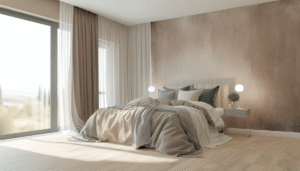
Let me explain a little more. A minimalist bedroom focuses on simplicity, clean lines, and a calming color palette. It’s about creating a space that feels peaceful and uncluttered, allowing your mind to relax and prepare for sleep. Studies have actually shown that decluttering can lower cortisol levels (that’s the stress hormone!) and improve your overall mood. Pretty cool, huh?
Bedroom Transformation Ideas: Your Journey to Better Sleep Begins Now
Alright, so how do you actually turn your bedroom into a minimalist sleep haven? Here’s are a few things you can think about:
Declutter, declutter, declutter!
Seriously, this is step one, two, and three. Get rid of anything you don’t need, use, or love. That pile of clothes on the chair? Gone. Those dusty decorations? Buh-bye. Be ruthless! You might be surprised how much lighter you feel just by getting rid of excess stuff.
Think of Marie Kondo and her method – Keep items that spark joy!
Choose a calming color palette
Say goodbye to bright, stimulating colors and hello to soothing hues like blues, greens, grays, and neutrals. These colors are known to promote relaxation and create a sense of calm. Think of a serene spa – that’s the vibe you’re going for.
Invest in quality bedding
This is non-negotiable. Your mattress, sheets, pillows, and duvet should be comfortable and made from breathable materials. Natural fibers like cotton or linen are great choices. And for all that is good… make sure your sheets are clean!
Keep it simple with furniture
Stick to the essentials: a bed, a nightstand, and maybe a dresser. Avoid overcrowding the room with unnecessary pieces. Choose furniture with clean lines and a simple design.
Minimize electronics
I know, I know, this is a tough one. But trust me, it’s worth it. The blue light emitted from screens can interfere with your sleep cycle. Ideally, you should banish all screens from the bedroom. But if that’s not realistic, try to avoid using them for at least an hour before bed.
Embrace natural light
During the day, open your curtains and let the sunshine in. Natural light helps regulate your circadian rhythm, which is essential for good sleep. But at night, make sure your room is dark. Invest in blackout curtains or blinds to block out any unwanted light.
Add a touch of nature
Bringing a little bit of the outdoors in can create a sense of calm and tranquility. Add a few potted plants or a small vase of flowers. Avoid anything too overpowering or fragrant, as that could actually disrupt your sleep.
Focus on functionality
Everything in your bedroom should have a purpose. If something isn’t serving you, get rid of it. This will help you maintain a clutter-free and organized space. Which reminds me of that coat rack I’ve been meaning to sort through in my room… maybe later.
Real-Life Examples: Bedrooms That Scream “Sweet Dreams”
Okay, enough with the theory. Let’s look at some examples of minimalist bedrooms that are totally nailing the sleep-inducing vibe.
- The Scandinavian Sanctuary: Think white walls, light wood furniture, and cozy textures like sheepskin rugs and knitted blankets. A simple, clean, and oh-so-inviting space.
- The Coastal Calm: Imagine soft blues, sandy beiges, and natural materials like rattan and linen. It’s like bringing the beach home with you, creating a serene and relaxing atmosphere.
- The Modern Zen Zone: Picture clean lines, geometric shapes, and a muted color palette. Add a few strategically placed plants and some ambient lighting, and you’ve got a bedroom that’s both stylish and sleep-friendly.
Addressing Common Concerns: “But What About…?”
I know, I know. You might be thinking, “But what about my books?” or “But what about my collection of vintage hats?” Don’t worry, you don’t have to get rid of everything you love. The key is to be intentional about what you keep in your bedroom.
Here’s the thing: if those books or hats bring you joy and don’t contribute to clutter or anxiety, then by all means, keep them! Just find a way to display them in a neat and organized way. Maybe a stylish bookshelf or a dedicated display case. It’s all about balance.
And what if you have a small bedroom? Can you still embrace minimalism? Absolutely! In fact, minimalism can be especially beneficial in small spaces. By getting rid of excess stuff and focusing on functionality, you can actually make your room feel bigger and more open.
Beyond the Bedroom: How Minimalism Impacts Your Overall Well-being
Here’s something interesting: the benefits of minimalism extend far beyond just a good night’s sleep. Embracing a minimalist lifestyle can actually improve your overall well-being. It can reduce stress, increase gratitude, and free up time and energy for the things that truly matter to you. You know what else is good for your well-being? A good diet, which is not too dissimilar to a good minimalist room. It’s got just what you need, and nothing else!
Think about it: when you’re not constantly chasing the next shiny object, you’re more likely to appreciate what you already have. And when you’re not spending your weekends cleaning and organizing a cluttered house, you have more time to pursue your passions, spend time with loved ones, or simply relax and recharge.
In fact, minimalism can even save you money! When you’re not constantly buying things you don’t need, you’re freeing up your financial resources for things that truly matter, like travel, experiences, or investing in your future.
Taking the First Step: Easy Ways to Start Your Minimalist Journey Tonight
So, you’re convinced. You’re ready to transform your bedroom into a minimalist sleep haven. But where do you start? Don’t worry, you don’t have to overhaul your entire room in one night. Here are a few easy things you can do tonight to get started:
- Clear your nightstand: Remove anything that doesn’t belong there, like old magazines, empty glasses, or random knick-knacks.
- Make your bed: This simple act can instantly make your room feel more organized and put-together.
- Dim the lights: Start winding down for the night by dimming the lights and creating a relaxing atmosphere.
- Put away your phone: Resist the urge to scroll through social media before bed. Instead, read a book, listen to calming music, or meditate.
These small changes might seem insignificant, but they can make a big difference in your sleep quality and overall well-being. And who knows? Maybe they’ll inspire you to embrace minimalism in other areas of your life too.
Final Thoughts: Embrace the Power of Less for a Better Night’s Sleep
Here’s the deal: a minimalist bedroom is more than just a pretty space. It’s an investment in your health, your well-being, and your overall quality of life. By decluttering your space, simplifying your surroundings, and focusing on the essentials, you can create a bedroom that promotes relaxation, reduces stress, and fosters a deep, restorative sleep.
So, are you ready to embrace the power of less and transform your bedroom into a sleep sanctuary? I think it’s something to really keep in mind.
Sleep Foundation: Designing Your Bedroom for Sleep
Frequently Asked Questions
Disclaimer
The information provided in this article is intended for general knowledge and informational purposes only, and does not constitute medical advice. It is essential to consult with a qualified healthcare professional for any health concerns or before making any decisions related to your health or treatment. The author and publisher are not responsible for any consequences resulting from the use of this information. Always seek the advice of a medical professional for diagnosis and treatment.
Categories
- Accent Walls & Ceilings (84)
- Art Curation & Gallery (83)
- Bedding Style Trends (89)
- Bedroom Makeover (96)
- Bohemian & Eclectic Styles (80)
- DIY & Budget-Friendly Decor (78)
- Eco-Friendly Design (83)
- Furniture Care (87)
- Home Decor & Design Ideas (181)
- Home Wellness Spaces (103)
- Integrated Outdoor Living (91)
- Japandi Style (84)
- Kids and Nursery Decor (73)
- Living Room Decor (99)
- Mix & Match Techniques (95)
- Modern & Contemporary Design (88)
- Rug Sizing & Placement (89)
- Scandinavian Design Inspiration (51)
- Seasonal Home Decor (100)
- Small Space Solutions (93)
- Wall Art & Painting Tips (94)
Recent Comments
Archives
Product Gallery
-
 Majestic African Wildlife Canvas Art for Stylish Home Decor
Rated 5.00 out of 5
Majestic African Wildlife Canvas Art for Stylish Home Decor
Rated 5.00 out of 5 -
 Cozy Irregular Green Plush Rug for Nordic Living Spaces
Rated 5.00 out of 5$31.00 – $196.00Price range: $31.00 through $196.00
Cozy Irregular Green Plush Rug for Nordic Living Spaces
Rated 5.00 out of 5$31.00 – $196.00Price range: $31.00 through $196.00 -
 Scandinavian Geometric Area Rugs for Stylish Home Décor
Rated 5.00 out of 5$24.00 – $352.00Price range: $24.00 through $352.00
Scandinavian Geometric Area Rugs for Stylish Home Décor
Rated 5.00 out of 5$24.00 – $352.00Price range: $24.00 through $352.00