




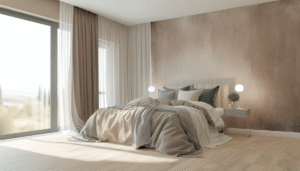



You know, when most folks think about making a room feel special, their eyes usually go to the walls, maybe the floors. And sure, those places matter a lot. But honestly, there’s a whole canvas right above our heads that often gets completely overlooked: the ceiling. It’s like the fifth wall, just waiting to be draped in something magnificent. And when we’re talking magnificent, enduring, and utterly jaw-dropping, polished plaster on ceilings steps right into the spotlight. It’s truly a game-changer overhead.
What Exactly is Polished Plaster, Anyway? A Little History & A Lotta Wow
So, what are we really talking about here? Polished plaster isn’t some newfangled fad; it’s an ancient art form with roots stretching back to Roman and even Egyptian times. Think about those incredible frescoes and stucco works that have graced magnificent buildings for centuries. That’s the heritage we’re tapping into. Essentially, it’s a lime-based plaster, often mixed with marble dust, that’s applied in multiple thin layers and then compacted and burnished to create a smooth, hard, and often lustrous finish. It’s not paint, it’s not wallpaper; it’s a living surface that breathes and deepens in character over time.
More Than Just a Pretty Face: The Science Behind the Shine
Here’s the thing about this material: it’s not just about aesthetics, though those are certainly a huge draw. The lime content gives it a natural breathability, which is fantastic for managing moisture in a room. Unlike synthetic paints that can trap humidity, polished plaster allows walls and ceilings to "breathe," reducing the risk of mold and mildew. Plus, it’s incredibly durable. Once it cures, it becomes hard as stone, resisting dents and abrasions far better than standard drywall finishes. I mean, who doesn’t want less to worry about in their home?
Why Drag Polished Plaster Up to the Ceiling? The Elevated Appeal
Now, you might be thinking, "Walls, sure, but the ceiling? Isn’t that a bit much?" And for some, perhaps. But for those who appreciate understated luxury, who desire a distinctive architectural statement without overwhelming the space, a polished plaster ceiling is pure magic. It draws the eye upward, opening the room and creating an incredible sense of scale and sophistication. It’s not just a finish; it’s an experience. Imagine walking into a room where the light dances across a subtly shimmering ceiling — it’s captivating, isn’t it?
Beyond Flat White: A Symphony of Textures and Sheens
Forget those boring, flat white ceilings that just disappear. With polished plaster, you get options. Oh, the options! From the high-gloss, mirror-like finish of Venetian plaster to the more subdued, earthy texture of Marmorino, or even the dramatic, stone-like appearance of Tadelakt, there’s a style to match any design sensibility. And the sheen? That’s where the real fun begins. You can have a subtle eggshell glow, a satin polish that softly reflects light, or that full-on mirror finish that practically doubles the perceived height of your room. It’s all about creating visual interest, making that ceiling an active part of your interior design story.
Choosing Your Ceiling’s Shine: Popular Polished Plaster Styles
Alright, let’s talk specifics. When you decide to elevate your ceiling game with polished plaster, you’re stepping into a world of beautiful choices. Each style brings its own unique character, and picking the right one is like selecting the perfect piece of jewelry for an exquisite outfit.
Venetian Plaster: The Grand Dame of Gloss
Ah, Venetian plaster – it’s probably what most people imagine when they hear "polished plaster." This style, often called Stucco Veneziano, is famous for its smooth, highly polished, and often marble-like finish. It achieves incredible depth and luminosity, practically shimmering under certain lighting. Think old-world Italian villas, grand palaces, where light catches every subtle nuance. On a ceiling, it can make a room feel immensely grand, almost like it’s lacquered. It’s smooth to the touch, and the visual effect is one of continuous, cool elegance. For those after a serious ‘wow’ factor, this is often the go-to.
Marmorino: A Softer, Earthier Elegance
Then there’s Marmorino. This one hails from Venice too, but it often has a slightly more textured, matte, or satin finish compared to the high gloss of its Venetian cousin. It contains marble dust, giving it a soft, stone-like warmth and subtle variations in tone. Marmorino feels a bit more organic, a touch less formal, yet still profoundly sophisticated. It’s fantastic for creating a calm, grounding atmosphere, bringing a natural, earthy feel even when applied overhead. It still offers that incredible depth, but in a way that whispers elegance rather than shouts it. It’s often mistaken for a natural stone slab, which, let’s be honest, is pretty cool for a ceiling.
Tadelakt: Moroccan Magic, Waterproof Wonders
Now, Tadelakt is a whole different beast. Hailing from Morocco, this lime plaster is traditionally burnished with river stones and treated with olive oil soap, making it beautifully smooth and remarkably water-resistant. While more commonly seen in bathrooms and spas, using Tadelakt on a ceiling offers an incredibly unique, organic, and almost velvety finish. It has a distinctive undulating character, a hand-crafted look that’s truly special. If you want a ceiling that feels artisanal, ancient, and perhaps a touch exotic, Tadelakt is certainly one to consider. It’s got that soft, slightly mottled look that just begs to be touched, even though it’s way up high.
Spatula Stuhhi: Modern Artistry Meets Ancient Craft
Spatula Stuhhi is a modern take on polished plaster, often using synthetic polymers alongside natural elements. This allows for even finer control over the finish, offering everything from high-gloss to subtly textured effects. It’s known for its incredible depth and iridescent qualities, often catching light in a way that seems to shift and dance. If you’re looking for a contemporary twist on a classic technique, something that has a bit more reflectivity and perhaps a wider range of metallic or pearlescent effects, Spatula Stuhhi could be your perfect match. It bridges the gap between traditional craft and modern design perfectly.
Beyond the Base: Colors and Pigmentation Possibilities
And it’s not all just neutral tones, either! While natural white, grey, and off-white are beautiful in their own right, polished plaster can be tinted with a vast spectrum of pigments. Imagine a ceiling in a deep, brooding charcoal, or a soft, calming sage green, or even a daring terracotta. The beauty is that the color isn’t flat; it has depth and variation due to the multiple layers and the way light interacts with the compacted surface. It adds character and warmth that a simple coat of paint just can’t replicate. It transforms the ceiling into a true design element, not just a utilitarian surface.
The Practical Side: Benefits That Go Beyond Beauty
Okay, so we’ve established that polished plaster ceilings look absolutely fantastic. But what about the nuts and bolts? What are the actual, tangible benefits of choosing this sophisticated finish for your overhead space? Because let’s be real, beauty alone isn’t always enough, especially when we’re talking about home improvements.
Durability That Stands the Test of Time (And Toddlers, Maybe?)
Polished plaster, once properly cured, is incredibly hard-wearing. We’re talking materials that have endured for centuries in historical buildings. Unlike paint, which can chip, peel, or scratch relatively easily, a well-applied polished plaster surface is tough. It resists abrasions, impact, and general wear and tear far better than drywall or stucco paint. While your ceiling might not get the same direct abuse as a wall, it’s comforting to know it’s built to last, maintaining its pristine appearance for years without constant touch-ups. Fewer headaches down the line, right?
Breathability: A Healthier Home Environment
This is a big one, especially in certain climates. Because polished plaster is lime-based, it’s inherently breathable. This means it allows moisture vapor to pass through, regulating humidity levels naturally. Think about it: standard paints can trap moisture, which can lead to condensation, dampness, and eventually, unwelcome mold growth. Polished plaster helps mitigate these issues, contributing to a healthier indoor air quality. It’s like your ceiling can exhale, and that’s good for everyone living below it.
Relatively Low Maintenance: No More Repainting Every Few Years!
Another huge plus: once it’s done, it’s pretty much done. Polished plaster doesn’t fade or yellow like paint. It doesn’t need repainting every five to ten years. A simple occasional wipe with a damp cloth is usually all it takes to keep it looking fresh. For specific spills or marks, general cleaning recommendations usually apply, though you might want to check with your applicator for their specific product. But honestly, compared to the ongoing maintenance of painted surfaces, polished plaster is a dream. More time enjoying your home, less time on a ladder!
That Natural Shine: Light Play and Space Perception
We touched on this earlier, but it bears repeating: the way polished plaster interacts with light is truly magical. Its varying sheens—from matte to high gloss—reflect and refract light in a way that paint simply cannot. This isn’t just about sparkle; a highly reflective Venetian plaster ceiling can actually make a room feel significantly larger and brighter, bouncing light around the space. Even a more matte finish like Marmorino brings a subtle luminosity and depth that prevents the ceiling from feeling like a giant, flat panel. It’s an optical trick, but a beautiful and effective one.
Uniqueness and Value: Standing Out from the Crowd
Let’s be frank, a polished plaster ceiling isn’t what you see in every home. It’s a premium finish, a bespoke touch that screams quality and attention to detail. This uniqueness adds significant aesthetic and, arguably, resale value to your property. It’s an architectural feature, an investment in timeless design that distinguishes your home from the sea of standard drywall. It’s about creating something memorable, something truly special. Who wants generic when you can have artisanal?
Acoustic Properties: A Quieter Kind of Luxury (Sometimes!)
While not its primary feature, the dense nature of polished plaster can offer some subtle acoustic benefits. It’s not going to soundproof a room completely, but it can help dampen echo and improve sound quality slightly compared to lighter, more resonant gypsum board. This can contribute to a more serene and enjoyable living environment, which, when combined with its other attributes, just adds another layer of quiet luxury.
The Downsides, Because Nothing’s Perfect (But Polished Plaster Comes Close!)
Okay, so I’ve sung its praises quite a bit. But as with anything, it’s essential to look at the full picture. Polished plaster, while fantastic, isn’t without its considerations. It’s important to go into this informed, right?
The Price Tag: An Investment, Not a Bargain
Let’s not beat around the bush; polished plaster is more expensive than paint or even standard drywall finishing. There’s the material cost, which is higher because it’s a specialty product. But the biggest factor is labor. Applying polished plaster is an art and a craft. It requires skilled, experienced artisans who know how to mix, apply multiple thin layers, and then properly burnish the surface. This isn’t a DIY weekend project for most of us. Expect to pay a premium for that expertise. Think of it as an investment in a piece of art for your home.
Installation Complexity: Not for the Faint of Heart (or Unskilled)
Following on from the price, the installation is complex. It’s not just slapping on paint. There are specific surface preparations required, often involving primers and base coats. Then comes the meticulous application of multiple coats, each needing to cure correctly, followed by the crucial burnishing process. This process is time-consuming and requires a steady hand, an eye for detail, and a deep understanding of the material. A poorly applied polished plaster ceiling can look uneven, lack depth, or even crack prematurely. This is why choosing a reputable and experienced applicator is absolutely non-negotiable.
Repairability: More Involved Than a Quick Paint Touch-Up
While polished plaster is incredibly durable, accidents happen. If a section gets damaged—a big crack, a significant gouge, or water staining (though less likely with proper sealing)—repairing it isn’t as simple as opening a can of paint and brushing it on. Matching the exact texture, color, and sheen of an aged polished plaster can be very tricky and often requires the skill of the original applicator or another expert. Sometimes, a whole section might need to be redone to ensure a seamless finish. It’s not impossible, just more involved.
Weight Considerations: (Almost Always) A Non-Issue, But Worth a Thought
Compared to standard paint, polished plaster adds a bit more weight to the ceiling. For most modern homes built to code, this isn’t an issue at all. The weight is negligible when spread across an entire ceiling. However, if you’re working with a very old structure or have concerns about your ceiling’s structural integrity, it’s always wise to consult with an engineer or contractor. Honestly, this is rarely a problem unless you’re thinking of applying it to something truly flimsy, which, let’s be fair, you probably wouldn’t anyway.
Drying and Curing Time: Patience is a Virtue
Because it’s applied in multiple layers and needs to cure properly (especially lime-based plasters), the entire process can take some time. You can’t rush perfection, after all. This means your space might be slightly out of commission for a bit longer than a simple paint job. It’s not weeks, typically, but certainly more than a single day. Planning accordingly is key, especially if it’s impacting a critical living area.
Beyond the Home: Commercial Applications for Polished Plaster Ceilings
Now, while we’ve mostly been chatting about residential spaces, don’t think for a second that polished plaster ceilings are confined to our homes. Oh no, this material absolutely shines (pun intended!) in commercial settings too. In fact, you’ve probably walked into a stunning hotel lobby, a high-end restaurant, or a chic boutique and admired its ceilings without even realizing it was polished plaster.
Retail Spaces: Creating an Enviable Ambiance
Think about luxury retail environments. They’re all about creating an experience, making you feel special, almost pampered. A polished plaster ceiling contributes massively to that. The way light reflects off a highly burnished Venetian plaster or the subtle, organic texture of Marmorino can elevate the entire store’s aesthetic. It screams bespoke, high-quality, and exclusive, reinforcing the brand image. It’s about creating an atmosphere where customers want to linger and shop.
Restaurants and Hotels: Setting the Mood
In hospitality, ambiance is paramount. Whether it’s a bustling, trendy restaurant or a serene, five-star hotel lobby, the ceiling plays a huge role in setting the mood. Polished plaster can be used to create dramatic, opulent ceilings that awe guests, or soft, welcoming finishes that contribute to a cozy, intimate dining experience. Plus, remember that breathability we talked about? In high-traffic, potentially humid environments like busy kitchens or crowded dining rooms, that can be a real functional benefit, helping to manage moisture and even odors over time. It creates a space that feels both unique and inviting.
Office and Corporate Interiors: A Touch of Sophistication
While perhaps less common in cubicle farms, executive suites, boardrooms, and reception areas can immensely benefit from a polished plaster ceiling. It conveys a sense of stability, professionalism, and sophistication that standard suspended ceiling tiles just can’t match. It says, "We pay attention to detail here; we invest in quality." It helps differentiate a space and can even contribute to employee well-being by creating a more visually stimulating and less sterile environment.
Art Galleries and Museums: The Perfect Backdrop
For spaces dedicated to art, the environment is critical. Polished plaster ceilings, particularly in neutral tones or with subtle textures, can provide a gorgeous, non-distracting backdrop that enhances the display of art. The way light plays across the surface can even add to the dynamic presentation of pieces without competing with them. It adds depth and richness to the space itself, elevating the entire viewing experience. It’s like a quiet, elegant frame for everything below.
Finding the Right Artistic Hand: The Importance of a Skilled Applicator
Honestly, this part cannot be stressed enough. Choosing to install a polished plaster ceiling is making an investment, and like any fine investment, its success hinges entirely on the expertise of the people doing the work. This isn’t a job for Uncle Bob who’s good with a paintbrush.
It’s an Art Form, Not Just a Job
Think of it this way: you wouldn’t ask someone who only paints houses to sculpt a marble statue, would you? Polished plaster application is a specialized skill, passed down, learned through apprenticeship, and perfected over years. It involves an understanding of the materials – how they mix, how they react, how they cure – as well as the intricate layering and burnishing techniques that create those iconic finishes. An experienced artisan can instinctively tell when a layer is ready for the next, how much pressure to apply when burnishing for a specific sheen, and how to create seamless transitions across a large surface.
Why Experience Matters So Much
An inexperienced applicator might lead to a host of problems:
- Uneven finish: Visible trowel marks, inconsistent sheen, or patchy areas.
- Cracking: Improper substrate preparation or incorrect application can lead to the plaster cracking prematurely.
- Poor adhesion: The plaster might not bond correctly to the ceiling, leading to flaking or delamination over time.
- Incorrect color or texture: If they don’t understand how pigments work with the lime base, or how different application techniques create different textures, you won’t get the desired look.
It’s truly a situation where cutting corners on labor costs will almost certainly lead to disappointment and potentially an even costlier fix down the road.
How to Vet an Applicator: Your Homework Checklist
So, how do you find the right artisan? Here are some crucial steps:
- Ask for a portfolio: Look for examples of their ceiling work specifically. Photos are good, but seeing a finished project in person is even better if possible.
- Request references: Speak to past clients. Ask about their experience, project timelines, and satisfaction with the final product.
- Discuss the process in detail: A good applicator will be able to explain every step, from surface preparation to final sealing.
- Confirm their materials: Inquire about the specific brands and types of polished plaster they use. Reputable artisans often work with high-quality, trusted brands.
- Get a detailed quote: Understand what’s included (materials, labor, sealing, waste removal) and any warranties they offer.
- Trust your gut: Do they seem knowledgeable, professional, and genuinely passionate about their craft? That often speaks volumes.
Investing in a skilled professional isn’t just about avoiding problems; it’s about ensuring your ceiling becomes the masterpiece it’s meant to be.
Keeping That Ceiling Glorious: Maintenance and Care
Once you’ve made the leap and your polished plaster ceiling is gracing your home, you’ll want to keep it looking fabulous for years to come, right? The good news is, compared to painting every few years, maintenance is relatively minimal. But ‘minimal’ doesn’t mean ‘non-existent.’ A little care goes a long way.
The Initial Cure: Patience, Young Jedi
Remember how we talked about curing? This is critical. For a period immediately after application, especially with lime-based plasters, the ceiling is still hardening. It’s essentially undergoing a chemical reaction with the air. During this time, it’s best to avoid any cleaning or heavy contact. Your applicator will give you specific guidelines, but generally, expect it to be a few weeks or even months before it reaches its full hardness and water resistance (if sealed). Don’t rush it; let nature do its thing.
Regular Dusting: The Simplest Secret
For everyday maintenance, the cardinal rule is simple: dusting. Just like any other surface, dust accumulates. A soft, dry microfiber cloth or a duster with a long handle is usually all you need. Gently wipe down the ceiling periodically to prevent dust buildup. Avoid abrasive sponges or harsh rags, as these can scratch the delicate surface, especially if it’s a high-gloss finish.
Spot Cleaning: When Life Happens
If you get a mark or a light smudge (maybe an errant splash from a vigorous cooking session or a rogue balloon incident), don’t panic. For most polished plaster, a slightly damp soft cloth is your best friend. Distilled water is often recommended to avoid mineral deposits from tap water, especially in hard water areas. Gently wipe the affected area. Avoid aggressive scrubbing. For tougher spots, some applicators might recommend a very mild, pH-neutral soap solution, but always test in an inconspicuous area first, or better yet, consult your installer. This resource on cleaning lime plaster offers some great general guidance.
Sealing: The Protective Shield (Usually)
Many, if not most, polished plaster ceilings will be sealed after application. This sealant provides an extra layer of protection against moisture penetration and staining, making them more durable and easier to clean. The type of sealant used (wax, acrylic, or other synthetic sealers) will influence the specific cleaning recommendations. It’s absolutely vital to know what kind of sealer your applicator used, as it dictates how you should clean and what products you can safely use. If it wasn’t sealed, it will be more porous and thus more vulnerable.
Avoiding the Big No-Nos: What NOT to Do
- Don’t use harsh chemicals: Abrasive cleaners, bleach, ammonia-based products, or anything acidic will likely damage the plaster or its sealer. Stick to mild and neutral.
- Don’t use abrasive tools: Steel wool, scouring pads, or stiff brushes are a recipe for scratches.
- Don’t let liquids sit: If water or anything else spills, wipe it up promptly to prevent staining, especially if the plaster isn’t sealed effectively.
- Don’t ignore damage: If you notice a crack or a chip, contact your original applicator for repair advice rather than trying a DIY patch job.
Proper care is truly about prevention and gentle action. Treat your polished plaster ceiling with a little respect, and it will reward you with decades of stunning beauty overhead.
Polished Plaster vs. Other Ceiling Finish Options: A Quick Comparison
Okay, so we’ve spent a good chunk of time admiring polished plaster. But how does it stack up against other common ceiling finishes? Because, let’s face it, there are a lot of ways to top off a room. Understanding the differences can help you make an informed decision for your specific project and budget.
Basic Paint: The Everyday Choice
- Pros: Cheapest, easiest to apply (DIY friendly), vast color options, can be repainted easily.
- Cons: Flat, one-dimensional look; chips, fades, and yellows over time; requires regular repainting; offers no breathability or durability beyond hiding the substrate.
- Polished Plaster Difference: Polished plaster offers unparalleled depth, luminescence, and durability. It’s an architectural finish vs. a simple color coat. It won’t need regular repainting.
Textured Paint/Popcorn Ceilings: A Blast from the Past (Sometimes Best Left There)
- Pros: Can hide imperfections on a ceiling relatively well, adds some sound dampening.
- Cons: Can look dated (especially popcorn); notoriously difficult to clean; can shed particles (especially asbestos popcorn ceilings, a serious health hazard to address professionally); often reduces ceiling height visually.
- Polished Plaster Difference: Polished plaster offers sophisticated, intentional texture (if desired) and a clean, modern or classic aesthetic that enhances height and elegance, rather than detracting from it. It’s cleanable and non-shedding.
Drywall with Skim Coat: The Smooth Foundation
- Pros: Foundation for smooth, flat ceilings; relatively common and understood by most contractors.
- Cons: Still requires painting; can be prone to hairline cracking if not installed perfectly; offers no inherent decorative finish, just a smooth surface.
- Polished Plaster Difference: Polished plaster can be applied over a properly prepared skim-coated drywall. It elevates the smooth surface into something textural, luminous, and artistic, adding a finish that goes far beyond a simple coat of paint.
Wood Paneling/Tin Ceilings: Warmth or Industrial Charm
- Pros: Offers natural warmth (wood) or vintage industrial appeal (tin); adds significant character.
- Cons: Can make a room feel smaller or ceilings lower; significant installation cost; wood requires specific maintenance for its material; tin can be noisy if not installed correctly.
- Polished Plaster Difference: Polished plaster provides a seamless, uninterrupted surface that can actually expand the visual sense of space and height. It achieves elegance through subtlety and light play rather than distinct patterns or materials. It’s typically a lighter visual touch.
Wallpapered Ceilings: Bold Statements Underground
- Pros: Endless patterns and colors; can create dramatic statements; hides minor imperfections.
- Cons: Can be difficult to install overhead; seams can be visible over time; difficult to repair small sections; prone to peeling in humid environments; can look busy if not chosen carefully.
- Polished Plaster Difference: Polished plaster offers organic variation and depth through its material, rather than a repeating pattern. It’s seamless and highly durable, providing a sophisticated, enduring appeal that wallpaper struggles to match, especially on a ceiling where durability and adhesion are critical.
When you weigh the options, it becomes pretty clear that polished plaster occupies a unique niche. It’s not the cheapest, but it delivers a level of artistry, durability, and sophisticated elegance that most other finishes simply can’t touch. It’s an investment, absolutely, but one that continues to pay dividends in beauty and longevity.
Will Polished Plaster Work in *My* Home? Key Considerations
So, you’re intrigued, right? You’re picturing that gorgeous, luminous ceiling overhead. But now you’re wondering, "Is this right for my house? Will it fit my style?" These are excellent questions, and there are a few things to chew on when deciding if polished plaster is the perfect fit for your specific abode.
Architectural Style: A Versatile Chameleon (Mostly!)
The beauty of polished plaster is its incredible versatility.
- Traditional/Classic: Venetian or Marmorino plaster is a natural fit for homes with traditional, classic, or even historical architecture. It echoes the finishes found in grand European estates, giving an authentic feel.
- Modern/Contemporary: With its clean lines and subtle sheen, polished plaster can perfectly complement minimalist or modern designs. A smooth, high-gloss finish can add a sleek, almost industrial-chic touch without feeling cold.
- Rustic/Earthy: More textured applications, like a rougher Marmorino or even a Tadelakt, can blend beautifully with rustic, farmhouse, or Mediterranean-inspired interiors, bringing an organic, handcrafted feel.
The trick is matching the type of polished plaster (its finish, sheen, and color) to your home’s existing aesthetic. It’s less about whether it "fits" and more about how you tailor it to your vision.
Room Type: Where Does it Shine Brightest?
While it can go anywhere, some rooms just beg for a polished plaster ceiling:
- Living Rooms/Great Rooms: Perfect for making a grand statement, adding depth and drawing the eye upward.
- Dining Rooms: Enhances the ambiance for entertaining, creating a sophisticated backdrop for meals.
- Bedrooms: A soft, matte Marmorino can create a serene, calming retreat feeling a little like a sanctuary. A soft grey or beige can be so peaceful.
- Bathrooms/Kitchens: With proper sealing (especially Tadelakt), the moisture resistance and breathability are real functional benefits. Just be sure to discuss specific sealants with your applicator for these high-humidity areas.
- Hallways/Entryways: Makes a welcoming and elegant first impression, guiding the eye through the home.
Consider the light in the room, too. A high-gloss finish will be very reflective, which can be striking but might be too intense in a room with direct, harsh sunlight unless that’s the effect you’re going for.
Lighting Considerations: Make That Plaster Pop!
Speaking of light, this is crucial. Polished plaster, more than almost any other finish, comes alive with good lighting.
- Natural Light: Observe how sunlight enters the room throughout the day. Does it catch the ceiling at certain angles, creating dynamic shadows and highlights?
- Artificial Light: Recessed lighting, track lighting, or even strategically placed uplighting can be used to dramatically highlight the texture and sheen of your polished plaster. Soft, diffused lighting will create a more subtle glow, while direct spotlights will emphasize texture and reflectivity. Your lighting designer (or even a good applicator) can offer advice here. This is where you can truly make the material sing.
Your Budget: The Realistic Check-In
Let’s be honest: budget is always a factor. Polished plaster is an investment. It’s not the cheapest option up front. If you have a very tight budget, it might make more sense to save for a future renovation or focus on smaller, high-impact areas rather than an entire home. However, remember those longevity benefits we talked about. Over decades, the "cost per year" might surprisingly compete favorably with repeated repainting. It’s a different way to look at value.
DIY vs. Pro: The Clear Winner
Unless you are actually a trained and experienced polished plaster artisan, this is absolutely a job for a professional. Seriously. The nuances of material mixing, application, and burnishing are too precise for a novice to achieve a quality result. Attempting it yourself will almost certainly lead to frustration, wasted material, and a finish that looks amateurish. Invest in the pros. Your ceiling—and your sanity—will thank you.
Ultimately, if you’re looking to create a space that feels luxurious, unique, and truly bespoke—something that offers enduring beauty and character—then polished plaster for your ceiling is almost certainly a fantastic choice. It elevates a room in a way very few other finishes can.
FAQs About Polished Plaster Ceilings
How long does a polished plaster ceiling last?
With proper application and maintenance, a polished plaster ceiling can last for decades, even centuries, in good condition. Its durability far surpasses that of painted surfaces, which typically need refreshing every 5-10 years.
Can polished plaster be applied over existing painted ceilings?
Generally, yes, but proper preparation is crucial. The existing paint needs to be sound, clean, and free of any flaking or peeling. Often, a specialized primer or a thorough skim coat of plaster will be applied first to create an ideal bonding surface for the polished plaster. Your applicator will assess the substrate thoroughly.
Is a polished plaster ceiling heavy? Will it affect my home’s structure?
While polished plaster adds more mass than paint, the applied layers are relatively thin. For almost all homes built to modern standards, the added weight is negligible and will not negatively affect your home’s structural integrity. If you have concerns about a very old or unusually constructed ceiling, it’s always best to consult with a structural engineer.
Can I DIY a polished plaster ceiling?
While some adventurous DIYers might attempt it, applying polished plaster successfully, especially to a ceiling, requires significant skill, specific tools, and experience. It’s an art form, not just a painting job. For professional, long-lasting results, hiring a skilled and experienced artisan is highly recommended. The complexities of layering, curing, and burnishing are difficult to master without training.
How do I clean a polished plaster ceiling?
For routine maintenance, a soft, dry microfiber cloth or duster is usually sufficient. For light marks or smudges, a slightly damp cloth (preferably with distilled water) can be used, gently wiping the area. Avoid harsh or abrasive cleaners, as these can damage the plaster or its protective sealant. Always follow the specific care instructions provided by your applicator, as different sealants may require different care.
Is polished plaster soundproof?
No, polished plaster is not inherently soundproof. However, its dense composition might offer a very subtle improvement in acoustic dampening compared to standard painted drywall, helping to reduce echo slightly. For significant soundproofing, other materials and construction methods are required.
What’s the typical cost for a polished plaster ceiling?
The cost varies significantly based on geographic location, the specific type of polished plaster (Venetian, Marmorino, Tadelakt, etc.), the complexity of the ceiling (e.g., vaulted vs. flat), the condition of the existing surface, and the applicator’s experience. It is a premium finish, so expect it to be considerably more expensive than paint, typically ranging from $15-$50+ per square foot. Always get multiple detailed quotes from experienced applicators.
DISCLAIMER
The information provided in this article is for general informational purposes only and does not constitute professional advice. While we’ve strived for accuracy and practical insights, specific situations may vary. Before undertaking any home improvement project, especially those involving specialized materials like polished plaster, it is highly recommended to consult with qualified and experienced professionals in your area. They can provide tailored advice based on your local building codes, structural considerations, and specific project requirements. Any reliance you place on the information found in this article is strictly at your own risk.
Categories
- Accent Walls & Ceilings (84)
- Art Curation & Gallery (83)
- Bedding Style Trends (89)
- Bedroom Makeover (96)
- Bohemian & Eclectic Styles (80)
- DIY & Budget-Friendly Decor (78)
- Eco-Friendly Design (83)
- Furniture Care (87)
- Home Decor & Design Ideas (181)
- Home Wellness Spaces (103)
- Integrated Outdoor Living (91)
- Japandi Style (84)
- Kids and Nursery Decor (73)
- Living Room Decor (99)
- Mix & Match Techniques (95)
- Modern & Contemporary Design (88)
- Rug Sizing & Placement (89)
- Scandinavian Design Inspiration (51)
- Seasonal Home Decor (100)
- Small Space Solutions (93)
- Wall Art & Painting Tips (94)
Recent Comments
Archives
Product Gallery
-
 Majestic African Wildlife Canvas Art for Stylish Home Decor
Rated 5.00 out of 5
Majestic African Wildlife Canvas Art for Stylish Home Decor
Rated 5.00 out of 5 -
 Cozy Irregular Green Plush Rug for Nordic Living Spaces
Rated 5.00 out of 5$45.40 – $286.30Price range: $45.40 through $286.30
Cozy Irregular Green Plush Rug for Nordic Living Spaces
Rated 5.00 out of 5$45.40 – $286.30Price range: $45.40 through $286.30 -
 Scandinavian Geometric Area Rugs for Stylish Home Décor
Rated 5.00 out of 5$34.03 – $515.43Price range: $34.03 through $515.43
Scandinavian Geometric Area Rugs for Stylish Home Décor
Rated 5.00 out of 5$34.03 – $515.43Price range: $34.03 through $515.43