
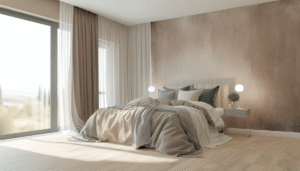
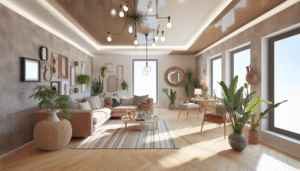


Imagine waking up to an uninterrupted vista, sunlight streaming through a full-height window, blurring the lines between your personal sanctuary and the natural world outside. This isn’t just a dream; it’s the reality for homeowners embracing contemporary bedrooms with glass features. These design choices are transforming conventional sleeping spaces into breathtaking retreats, offering not only abundant natural light and expansive views but also a profound sense of openness and modern elegance. The appeal lies in their ability to merge functionality with sophisticated aesthetics, redefining what a bedroom can truly be.
In this comprehensive guide, we’ll delve deep into the world of bedrooms that champion glass elements. We’ll explore the myriad benefits, from health and wellness to sheer aesthetic grandeur, and dissect the various types of glass applications that can elevate your space. Expect to discover innovative design ideas, practical considerations for privacy and insulation, and expert tips to integrate these features seamlessly into your home. Our aim is to provide you with actionable insights and inspiration, ensuring you can confidently embark on creating a bedroom that’s not just a place to sleep, but a truly immersive experience.
The Allure of Glass: Why Modern Bedrooms Embrace Transparency
The trend towards incorporating extensive glass in residential design, particularly in bedrooms, is more than just a passing fad. It’s a fundamental shift towards a more connected, brighter, and spatially intelligent way of living. Contemporary bedrooms with glass elements naturally become focal points, showcasing elegant design while enhancing daily life. This embrace of transparency goes beyond aesthetics, offering tangible benefits that resonate with modern lifestyles.
Blurring Boundaries: Seamless Indoor-Outdoor Connection
One of the most compelling reasons to choose glass features is their unparalleled ability to create a seamless transition between the interior and exterior. Large glass panels, sliding doors, or even floor-to-ceiling windows dissolve traditional walls, making your bedroom feel infinitely larger and more integrated with its surroundings. This connection is particularly valuable for properties with enticing views, whether it’s a cityscape, a lush garden, or a serene waterfront. It allows the beauty of the outdoors to become an integral part of your indoor experience, enhancing tranquility and visual interest.
Maximizing Natural Light: A Boost for Well-being
Natural light is a powerful design tool. Bedrooms with ample glass invite an abundance of sunlight, reducing the need for artificial lighting during the day and creating a brighter, more inviting atmosphere. Beyond the practical energy savings, natural light has significant health benefits. Exposure to daylight helps regulate our circadian rhythm, improving sleep quality, boosting mood, and increasing productivity. A well-lit space also simply feels more spacious and uplifting, making your bedroom a more pleasant environment to wake up to and relax in.
Aesthetic Sophistication: Elevating Modern Design
Glass inherently lends itself to modern, minimalist, and contemporary aesthetics. Its sleek, reflective surface adds a touch of sophistication and elegance that solid walls simply cannot replicate. Whether it’s a sheer glass partition separating a sleeping area from an en-suite bathroom or a dramatic glass wall looking out onto a balcony, these features instantly elevate the design quotient of the room. They reflect light, create intriguing visual pathways, and provide a sense of architectural lightness. This contributes to a clean, uncluttered look that is characteristic of high-end contemporary design.
“Natural light is not just about visibility; it’s about vitality. In design, it connects us to the outside world, creating a sense of calm and expanding our perceived living space.” – A noted architect on sustainable living.
Types of Glass Features for the Modern Bedroom
The versatility of glass allows for its integration in various forms within a bedroom, each offering unique aesthetic and functional advantages. Choosing the right type of glass feature depends on your goals for light, privacy, and spatial design in your contemporary bedroom.
Floor-to-Ceiling Windows and Glass Walls
These are perhaps the most dramatic and impactful glass features. Extending from the floor all the way to the ceiling, they offer maximum natural light and unobstructed views. They can span an entire wall, effectively replacing a traditional solid structure, or be used strategically to frame specific panoramas. Ideal for bedrooms with stunning external environments, such as a beachfront property or a penthouse apartment with city views. These solutions are key for homeowners seeking expansive, open-concept designs.
- Benefits: Unrivaled views, maximum daylight, dramatic aesthetic, sense of boundless space.
- Considerations: Privacy (requires effective shading), thermal performance (ensure high-quality, insulated glass), structural support.
Sliding Glass Doors and Balcony Access
Integrating large sliding glass doors, often leading to a balcony, patio, or private garden, is a popular choice for contemporary bedrooms with glass features. These doors not only provide extensive light and views but also offer direct access to outdoor living spaces, enhancing the indoor-outdoor flow. Multi-panel sliding systems can open up an entire wall, blurring the lines between rooms and nature. Think pocket doors that disappear into walls for a truly seamless transition.
- Benefits: Direct outdoor access, excellent ventilation, versatile opening options, strong visual connection.
- Considerations: Weather sealing, security, tracking system maintenance, careful furniture placement to avoid obstruction.
Internal Glass Partitions and Walls
Beyond external facing elements, glass can be used internally to define spaces within a larger bedroom suite without sacrificing light or openness. Common applications include sleek glass partitions separating the sleeping area from an en-suite bathroom, a walk-in closet, or a home office nook. These partitions maintain visual connectivity, making the overall space feel larger and more cohesive. Options range from clear glass for full transparency to frosted or reeded glass for partial privacy.
- Benefits: Maintains visual flow, allows light penetration between zones, modern aesthetic, acoustic separation (depending on type).
- Considerations: Sound transfer (especially with clear glass), cleaning, privacy levels.
Glass Balustrades and Railings
For bedrooms on upper floors or those featuring an internal mezzanine, glass balustrades or railings are a sophisticated alternative to traditional railings. They offer safety without visual obstruction, maximizing the sense of open space and allowing light to filter through. This is particularly effective in high-ceiling bedrooms or those with unique architectural elements.
- Benefits: Unobstructed views, modern safety barrier, promotes light flow.
- Considerations: Cleaning, structural integrity for safety.
Skylights and Glass Ceilings
Introducing skylights or even entire glass ceilings transforms a bedroom by bringing in overhead light and, at night, offering a mesmerizing view of the stars. This application is particularly effective in urban settings where external wall views might be limited, or in spaces where a dramatic architectural statement is desired. Modern skylights come with integrated shading solutions and advanced glazing for thermal control.
- Benefits: Unique light angles, exceptional ambient light, stargazing opportunities, architectural drama.
- Considerations: Heat gain/loss, glare, cleaning, potential for condensation, material quality.
Each of these glass features contributes to the hallmark aesthetic of contemporary bedrooms with glass, creating spaces that are both functional and breathtakingly beautiful.
Designing Your Contemporary Glass Bedroom: Key Considerations
While the allure of contemporary bedrooms with glass features is undeniable, their successful implementation requires careful planning. Integrating these elements effectively balances aesthetics with crucial practicalities like privacy, insulation, and maintenance. Ignoring these aspects can lead to discomfort or dissatisfaction, so thoughtful consideration is paramount.
Privacy Solutions: Balancing Openness with Seclusion
The very transparency that makes glass appealing can also raise concerns about privacy, especially in a bedroom. Fortunately, numerous solutions exist:
- Motorized Blinds and Shades: The ultimate in convenience, these allow for instant privacy at the touch of a button. Options range from sheer fabrics that offer subtle light filtering to blackout blinds for complete darkness and seclusion.
- Smart Glass (Switchable Privacy Glass): A truly cutting-edge solution, smart glass allows you to change its opacity from clear to opaque electronically. Perfect for internal partitions (e.g., between bedroom and en-suite) where dynamic privacy is desired.
- Tinted or Frosted Glass: For areas where permanent partial-privacy is acceptable, tinted or acid-etched/frosted glass can obscure direct views while still allowing light to filter through.
- Strategic Landscaping: For ground-floor bedrooms, intelligent planting or natural barriers outside windows can provide effective, organic privacy.
- Layered Curtains: Combining sheer curtains for daytime light and privacy with heavier drapes for nighttime can offer flexible control over light and view.
Thermal Performance and Energy Efficiency
Large expanses of glass can be prone to heat gain in summer and heat loss in winter, impacting comfort and energy bills. Modern glass technology, however, has made significant advancements:
- Double or Triple Glazing: Multiple panes of glass with inert gas (like argon) sealed between them provide vastly improved insulation, reducing heat transfer.
- Low-Emissivity (Low-E) Coatings: These microscopic coatings on glass surfaces can block harmful UV rays and reflect solar heat in summer, while retaining internal heat in winter.
- Thermal Breaks: Integrated into window frames, these non-conductive materials prevent heat from transferring through the frame itself.
- Strategic Orientation: In the design phase, positioning large glass features away from direct, prolonged sun exposure (e.g., avoiding west-facing glass without sufficient overhangs) can passively reduce heat gain.
Investing in high-performance glass is crucial, despite higher upfront costs. It pays dividends in long-term comfort and energy savings.
Acoustic Control: Managing Sound Transmission
Glass can transmit sound more readily than solid walls. This is especially important for bedrooms located in noisy urban environments or internal glass partitions:
- Laminated Glass: This type of glass uses an interlayer (often PVB) between two panes, which effectively dampens sound vibrations, significantly reducing noise transmission.
- Thicker Glass Panes: Simply increasing the thickness of the glass can offer a degree of improved acoustic insulation.
- Well-Sealed Frames: Tight-fitting frames with quality seals are as important as the glass itself for preventing sound leakage.
Cleaning and Maintenance
Large glass surfaces require regular cleaning to maintain their pristine appearance. Consider:
- Accessibility: Ensure large external glass panels are easily accessible for cleaning, or factor in professional cleaning services.
- Self-Cleaning Glass: Some high-tech glass options have coatings that react with sunlight to break down organic dirt, which is then washed away by rain.
- Internal Glass: While easier to access, internal glass partitions will still require occasional wiping to remove fingerprints and dust.
Structural Considerations and Safety
Large glass installations are heavy and require robust structural support. Consult with an architect and structural engineer to ensure the integrity of your building. Safety is also paramount:
- Tempered or Laminated Glass: Use safety glass for large panels, especially those that could be impacted. Tempered glass shatters into small, blunt pieces, and laminated glass holds together even when broken.
- Building Codes: Ensure all installations comply with local building codes, especially regarding safety glazing, egress, and window strength.
By carefully addressing these practical aspects, you can ensure your contemporary bedrooms with glass are not only stunning but also comfortable, efficient, and safe havens.
Innovative Design Ideas and Stylings for Glass Bedrooms
Once the technical considerations are in hand, the fun begins: styling your contemporary bedroom with glass features. The transparent nature of glass sets a modern canvas, allowing other design elements to shine. This section explores how to optimize your space for both function and aesthetic brilliance.
Minimalist Furnishings: Less is More
With an expansive glass feature, the view itself becomes a dominant design element. Embrace a minimalist aesthetic for furnishings to avoid cluttering the space and detracting from the openness. Choose clean lines, simple forms, and neutral palettes. A low-profile bed frame, floating shelves, and discreet storage solutions help maintain the seamless flow. The idea is to create a serene environment where the primary focus is the connection to the outside world.
- Bed Floating Illusion: Consider bed frames with recessed bases to give a floating appearance, enhancing the room’s airy feel.
- Integrated Storage: Utilize built-in wardrobes and drawers that blend seamlessly into the walls, keeping the floor space clear.
Strategic Lighting: Enhancing Mood and Function
Beyond natural light, artificial lighting plays a crucial role in contemporary bedrooms with glass. It should enhance the mood, highlight architectural features, and provide practical illumination without competing with the outdoor view when it’s dark.
- Recessed Lighting: Create ambient light without visible fixtures.
- Strip Lighting: Use LED strips to highlight architectural elements, such as a dropped ceiling or the edges of a glass partition.
- Dimmable Fixtures: Allow for versatile mood setting, from bright task lighting to soft, intimate glows.
- Accent Lighting: Use spotlights to draw attention to artwork or textured walls, adding depth.
- Outdoor Lighting: Strategically illuminate external landscaping or architectural features visible through the glass to extend the visual experience into the night.
Material Palettes: Harmonizing with Transparency
The materials you choose should complement the sleekness of glass while adding warmth and texture. A balanced palette prevents the space from feeling cold or sterile.
- Natural Wood: Light or dark wood floors, wall panels, or furniture pieces introduce warmth and an organic feel, contrasting beautifully with glass.
- Concrete and Stone: Polished concrete floors or raw concrete walls add an industrial touch that pairs well with modern glass architecture. Natural stone can introduce earthy textures.
- Metals: Thin metal frames for glass partitions or subtle metallic accents in lighting and decor reinforce a contemporary aesthetic.
- Soft Textiles: Introduce cozy rugs, plush bedding, and luxurious curtains (when used for privacy) to add comfort and break up hard surfaces.

(Image suggestion: An infographic illustrating key elements: Floor-to-ceiling windows, internal glass partitions, smart blinds, integrated lighting, and minimalist furniture.)
Integrating Greenery: Bringing Nature In
Even with expansive outdoor views, integrating indoor plants can further enhance the connection to nature and add vital color and texture. Large potted plants, hanging planters, or even discreet vertical gardens can soften the hard lines of glass and bring life into the space.
- Strategically Placed Plants: Use plants to frame a view or to soften a corner.
- Low-Maintenance Options: Choose plants that thrive in conditions suitable for your bedroom, considering light levels.
Art and Decor: Thoughtful Accents
With minimalist furnishings and large views, the art and decor you choose become more impactful. Select a few key pieces that resonate with the room’s aesthetic. Large-scale abstract art, sculptural objects, or finely crafted ceramics can provide focal points without overwhelming the space.
- Curated Collection: Avoid too many small items; a few well-chosen pieces have more impact.
- Reflective Surfaces: Mirrors or metallic decor can amplify light and add another layer of visual interest.
By harmonizing these design elements, a contemporary bedroom with glass features transitions from a simple sleeping area to an architectural statement, a serene retreat that constantly engages with its environment.
Case Studies and Inspirations: Real-World Glass Bedrooms
Theoretical concepts become tangible with real-world examples. Examining contemporary bedrooms with glass features from around the globe provides invaluable inspiration and demonstrates the diverse applications of this design philosophy. These examples highlight how architects and designers overcome challenges to create truly remarkable spaces.
The Glass House, New Canaan, Connecticut (Philip Johnson)
While a landmark of mid-century modernism, Philip Johnson’s Glass House is a seminal example of a living space, including the bedroom, defined by transparency. Built in 1949, it consists of a simple rectangular structure made entirely of glass and steel, with a brick cylinder housing the bathroom. The bedroom, like the rest of the living space, is completely open to the surrounding landscape, offering an extreme vision of indoor-outdoor living. It exemplifies the bold embrace of nature and light, influencing generations of architects seeking to blur boundaries. Its privacy is derived from its remote location amidst vast grounds, showcasing how context is key.
Source for more information: Philip Johnson Glass House Official Website
Secluded Forest Retreat with Reflective Glass
Imagine a bedroom nestled deep within a forest, its walls almost entirely reflective glass. During the day, the exterior mirrors the surrounding trees, making the structure virtually disappear into the environment – a brilliant example of thoughtful integration. Inside, the occupants enjoy panoramic views of the woods. At night, with internal lights on, the glass becomes transparent, offering an intimate connection to the nocturnal forest. This design cleverly uses glass for both expansive views and camouflage, demonstrating how specific contexts can leverage glass beyond mere transparency, often relying on architectural solutions found in remote locations.
Urban Penthouse with Dynamic Privacy Glass
In a bustling city, a contemporary penthouse bedroom utilizes smart glass for its en-suite bathroom partition. During the day, the clear glass maintains the open, spacious feel of the suite and allows natural light to penetrate the bathroom. At the flick of a switch, the glass instantly turns opaque, providing complete privacy. This solution addresses the urban need for both openness and immediate seclusion, showcasing the technological advancements that make glass a versatile material even in high-density areas. This application is often paired with automated blackout blinds for external windows, offering comprehensive control over light and privacy.
Coastal Home with Seamless Sliding Walls
A prime example of seamless indoor-outdoor living, a coastal home features a master bedroom where an entire wall consists of multi-panel sliding glass doors. These doors pocket into the adjacent walls, completely opening the bedroom to a large seaward deck. This design choice provides unobstructed ocean views and allows the sea breeze to ventilate the entire room. The transition is so fluid that the bedroom feels like an extension of the outdoor space, celebrating the immediate natural environment. This type of design prioritizes connection to environment and is increasingly popular in high-end leisure properties.
Bedroom with Overhead Skylights for Stargazing
In a location with stunning night skies but limited lateral views, a contemporary bedroom features a cluster of large, strategically placed skylights above the bed. These aren’t just for daytime light; they’re designed for nighttime stargazing. Equipped with motorized internal blinds, they can be covered for morning sleep or privacy, then fully retracted to reveal the celestial canopy. This caters to a unique user desire, highlighting that glass features can be vertical, horizontal, or angled, depending on the desired interaction with the environment.
These case studies underscore that the design of contemporary bedrooms with glass features is deeply contextual, driven by the site, the client’s needs, and creative architectural vision. They serve as compelling evidence of glass’s transformative power in residential design.
Sustainable Aspects of Glass in Bedroom Design
Beyond aesthetics and functionality, the use of glass in contemporary bedrooms can also contribute significantly to environmental sustainability. Modern advancements in glass technology align well with green building practices, offering ways to reduce energy consumption and promote a healthier indoor environment.
Optimizing Natural Light and Reducing Artificial Lighting
The primary sustainable benefit of large glass features is their ability to flood a bedroom with natural light. This directly reduces the reliance on artificial lighting during daylight hours, leading to significant energy savings. Less electricity consumption means a smaller carbon footprint from power plants. Furthermore, proper daylighting can reduce peak energy demand, making energy grids more efficient.
Improved Thermal Performance with Advanced Glazing
As discussed, modern double and triple glazing, often with Low-E coatings and argon gas infills, drastically improves thermal insulation. This means less heat escapes in winter and less heat enters in summer. The result is a reduced need for heating and air conditioning, leading to lower energy consumption and greenhouse gas emissions. Selecting glass with a high R-value or U-factor (indicating good insulation) is key to maximizing this benefit.
Passive Solar Design Opportunities
Strategically placed glass features can harness passive solar gain in colder climates. South-facing (in the Northern Hemisphere) glass can allow sunlight to penetrate and warm the interior during winter, reducing heating loads. This approach requires careful design to prevent overheating in warmer months through shading devices like overhangs or external louvers.
Enhanced Indoor Air Quality and Ventilation
Sliding glass doors and operatable windows facilitate natural ventilation, allowing fresh air to circulate and flush out indoor pollutants. This reduces the need for mechanical ventilation systems and improves indoor air quality, contributing to occupant health and comfort. A well-ventilated space naturally feels fresher and more inviting.
Recyclability of Glass
Glass is a highly recyclable material. When buildings are eventually deconstructed, glass can be salvaged and reused or melted down to create new glass products, reducing landfill waste and conserving raw materials. This circularity makes glass a more environmentally friendly choice compared to some other building materials.
Connection to Nature and Biophilic Design
While not a direct energy saving, the strong visual connection to nature fostered by extensive glass features aligns with biophilic design principles. Biophilic design emphasizes connecting occupants with the natural environment, which has been shown to improve well-being, reduce stress, and even increase cognitive function. A healthier, happier occupant who feels connected to their environment is a sustainable outcome in itself.
However, it’s essential to note that the sustainability of glass features depends heavily on their specification and installation. Poorly insulated or improperly installed glass can negate many of these benefits. Therefore, choosing high-performance products and working with experienced professionals is paramount to achieving a truly sustainable contemporary bedroom with glass features.
Choosing the Right Professionals for Your Glass Bedroom
Designing and building contemporary bedrooms with glass features is a specialized undertaking. It requires a collaborative effort from various professionals to ensure the vision is realized safely, efficiently, and beautifully. Selecting the right team is as crucial as the design itself.
Architect or Architectural Designer
A skilled architect is indispensable for conceptualizing and designing your glass bedroom. They can integrate the glass features harmoniously with the rest of your home’s architecture, optimize for views, natural light, and passive solar gain, and navigate complex considerations like privacy and structural integrity. An architect will also help with permits and ensuring compliance with building codes.
- What to look for: Experience with modern and contemporary design, a portfolio showcasing glass-intensive projects, and a collaborative approach.
Structural Engineer
Large expanses of glass are heavy and require precise structural support. A structural engineer will assess the building’s existing structure or design new foundations and framing to safely accommodate the weight and wind loads associated with extensive glass walls or large skylights. This expertise is non-negotiable for safety.
- What to look for: Experience with residential glass structures, strong references from architects, and excellent problem-solving skills.
Specialized Glazing Contractor
This is arguably one of the most critical players. A specialized glazing contractor has expertise in sourcing, fabricating, and installing high-performance glass systems. They understand the nuances of various glass types (tempered, laminated, Low-E, smart glass), framing systems, and sealing techniques required for optimal thermal, acoustic, and weather performance. They handle the complex logistics of safely transporting and installing large glass panels.
- What to look for: Specialization in custom residential glass, certifications, strong safety record, and an impressive portfolio of similar projects.
Tip: Don’t just pick the cheapest quote. Glass installation is precision work. Invest in a reputable contractor to avoid costly mistakes down the line.
Interior Designer
While the architect defines the structure, an interior designer will refine the internal aesthetics. They can help select appropriate furnishings, lighting, window treatments (blinds, shades), and material palettes that complement the glass features and enhance the overall ambiance of your contemporary bedroom. They ensure the room feels cohesive and comfortable.
- What to look for: Experience with minimalist or contemporary interiors, an understanding of how light interacts with materials, and a focus on user comfort.
Landscape Architect (if applicable)
If your glass bedroom connects directly to an outdoor space or overlooks a garden, a landscape architect can be invaluable. They can design perimeter plantings for privacy, create visually appealing outdoor scenes that complement your interior views, and manage drainage around the glass features. This ensures the view from your bedroom is as stunning as the interior itself.
- What to look for: Experience in designing views specific to internal spaces, knowledge of local flora, and ability to integrate hardscaping and softscaping.
General Contractor
The general contractor will oversee the entire construction process, coordinating all the trades and ensuring the project stays on schedule and within budget. They act as the central point of contact for the homeowner.
A cohesive team of these professionals will navigate the complexities of building contemporary bedrooms with glass features, ensuring a successful outcome that balances stunning aesthetics with crucial performance considerations.
Frequently Asked Questions About Contemporary Bedrooms with Glass Features
How do I ensure privacy in a glass-walled bedroom?
Ensuring privacy in a glass-walled bedroom involves several strategies. The most common include installing motorized blinds, shades, or curtains that can be easily deployed. Smart glass, which changes from clear to opaque electronically, is an advanced solution for instant privacy. Frosted or tinted glass can provide permanent partial privacy. For external glass, strategic landscaping can also create natural visual barriers. The choice depends on your desired level of seclusion and flexibility.
Are contemporary bedrooms with glass features energy efficient?
Yes, modern contemporary bedrooms with glass features can be highly energy efficient. This is achieved by using advanced glazing technologies like double or triple-paned glass with Low-E (low-emissivity) coatings and inert gas infills (e.g., argon). These significantly improve insulation, reducing heat gain in summer and heat loss in winter. Proper seals and thermally broken frames also prevent energy leakage. Strategic placement allowing passive solar gain in winter further enhances efficiency.
What types of glass are best for safety and durability?
For safety and durability in contemporary bedrooms with glass features, tempered glass and laminated glass are highly recommended. Tempered glass is heat-treated to be four to five times stronger than standard glass and, if broken, shatters into small, relatively blunt pieces. Laminated glass consists of two or more glass panes bonded with a plastic interlayer, which holds the glass together if it breaks, reducing the risk of injury and providing better security and sound insulation.
How do I clean large glass panels in a bedroom?
Cleaning large glass panels, especially full-height windows or external glass walls, often requires specialized tools or professional services. For DIY, use a squeegee with a mild soap solution and a microfiber cloth for touch-ups. Ensure external panels are accessible for cleaning from the outside. Some advanced glass options feature self-cleaning coatings that use sunlight and rain to break down dirt, minimizing manual effort.
Can glass features help with sound insulation in a bedroom?
While standard glass can transmit sound, specific types of glass and installation techniques can significantly improve sound insulation in contemporary bedrooms. Laminated glass, with its multiple layers and interlayer, is particularly effective at dampening sound vibrations. Using thicker glass panes and ensuring tight, well-sealed frames also contributes to better acoustic performance, helping to create a quieter sleeping environment.
What is smart glass and how does it work in a bedroom?
Smart glass, also known as switchable privacy glass, uses an electrical current to change its opacity. When the current is on, the glass is clear; when off, it turns opaque (or vice-versa, depending on the type). In a bedroom, it’s ideal for internal partitions to en-suite bathrooms or walk-in closets, offering instant privacy without blocking natural light. It provides dynamic control over visibility and often works at the touch of a button, remote, or even smart home integration.
Are there design limitations for glass bedrooms based on climate?
While glass features are adaptable, climate does influence design choices for contemporary bedrooms. In very cold climates, enhanced triple glazing and effective thermal breaks are crucial to prevent heat loss. In hot climates, Low-E coatings, strategic shading (overhangs, external blinds), and careful orientation (avoiding significant west-facing glass without protection) are vital to minimize solar heat gain. Ventilation and air circulation are also key in humid or warm environments.
Conclusion: Crafting Your Vision for Contemporary Bedrooms with Glass
The journey through the world of contemporary bedrooms with glass features reveals a potent blend of aesthetic ambition and practical innovation. These spaces are more than just functional areas for sleep; they are expressions of modern living, designed to amplify natural light, celebrate stunning views, and cultivate a deep sense of connection with the surrounding environment. Whether through expansive floor-to-ceiling windows, seamless sliding doors, or elegant internal partitions, glass offers unmatched versatility in transforming a typical room into an extraordinary sanctuary.
We’ve uncovered the compelling benefits – from enhanced well-being fueled by natural light to the undeniable aesthetic sophistication glass brings. We’ve also equipped you with a robust understanding of the critical considerations: how to ingeniously manage privacy, ensure superior thermal performance, mitigate sound, and maintain these luminous surfaces. The innovative design ideas, from minimalist furnishings to strategic lighting, provide a blueprint for crafting a harmonious and visually striking interior. Furthermore, understanding the sustainable aspects and the importance of a skilled professional team ensures your vision isn’t just beautiful, but also responsible and enduring.
Embracing contemporary bedrooms with glass is a commitment to a lifestyle defined by openness, light, and a profound appreciation for your surroundings. It’s about designing a space that breathes, evolves with the seasons, and continually inspires. As you contemplate this transformative design choice, remember that thoughtful planning, a focus on high-quality materials, and collaboration with expert professionals are the cornerstones of success. Your dream bedroom, a luminous haven where the inside truly meets the outside, is within reach.
Ready to Reimagine Your Bedroom?
Start by assessing your space and its views. Consult with an architect or designer specializing in contemporary homes to explore the possibilities unique to your property. Consider visiting modern show homes or browsing architectural magazines for further inspiration. The first step towards your expansive, light-filled retreat is a conversation about what’s possible.
For more insights into modern interior design and architectural innovations, explore our related articles on modern bathroom design trends and sustainable home building materials.
Content Disclaimer
The information provided in this article about contemporary bedrooms with glass features is intended for general informational and educational purposes only. It does not constitute professional architectural, engineering, or design advice. While we strive for accuracy and provide valuable insights, results may vary depending on individual circumstances, local building codes, climate, and specific product choices. Always consult with qualified and licensed professionals (e.g., architects, structural engineers, glazing contractors, interior designers) for specific advice tailored to your project before making any decisions or undertaking any construction work. We do not endorse any specific products or services, and any mention is for illustrative purposes only. Readers should perform their own due diligence.