


In our increasingly dynamic world, the concept of fixed, immutable living spaces is rapidly being replaced by a desire for flexibility, adaptability, and multi-functional design. Nowhere is this shift more evident than in the rising popularity of contemporary room dividers. These aren’t just decorative screens from a bygone era; they are sophisticated, often groundbreaking, solutions designed to transform open-plan layouts, redefine boundaries, and add layers of privacy and purpose to any room. Whether you’re grappling with a small apartment, optimizing a large open-concept home, or seeking to create distinct zones within a single space, modern room dividers offer an unparalleled blend of aesthetic appeal and practical utility. This comprehensive guide will explore how these innovative elements can fundamentally change your home’s functionality and elevate its style, providing actionable insights for every design challenge.
Imagine being able to host a lively dinner party in your living area, then, with a simple slide or fold, transform a portion of that space into a serene home office or a cozy reading nook. Contemporary room dividers make this kind of fluid living not just possible, but effortlessly chic. We’ll delve into the myriad types available, from sleek sliding panels to artistic shelving units, and discuss how to select the perfect divider that not only complements your existing decor but also solves real-world spatial challenges. Get ready to unlock the full potential of your home with intelligent design.
The Evolution of Space: Why Contemporary Room Dividers Are Essential
The way we live and work has profoundly influenced interior design trends. Open-plan living, while popular, often presents challenges: lack of privacy, noise bleed, and difficulty in defining specific zones. This is where contemporary room dividers step in as indispensable tools. They are a response to the modern homeowner’s need for adaptable spaces that can shift from communal to private, and from work to leisure, all within the same footprint.
Adapting to Modern Lifestyles: The Need for Flexible Zoning
Our homes are no longer just places to eat and sleep. They’ve become offices, gyms, entertainment hubs, and educational centers. This multi-roling demands smart spatial solutions. Traditional walls are permanent, costly, and can restrict natural light. Room dividers, in contrast, offer a nimble alternative. They allow for the creation of temporary or semi-permanent zones, enabling a single room to serve multiple functions throughout the day. This flexibility is crucial for urban dwellers, families, and anyone seeking to maximize their living environment without undertaking major renovations.
Beyond Basic Screens: A Design Statement with Purpose
Gone are the days when room dividers were merely functional barriers devoid of style. Today, they are celebrated design elements, often serving as focal points that enhance a room’s aesthetic. From minimalist Japanese-inspired screens to industrial-chic metal partitions and botanical living walls, they offer a vast spectrum of design possibilities. The right divider can introduce texture, color, and architectural interest, reflecting the homeowner’s personality while subtly guiding the flow of movement and light within a space.
Optimizing Natural Light and Airflow
One of the primary benefits of using room dividers instead of solid walls is their ability to maintain natural light and airflow. Many contemporary designs feature translucent materials, open shelving, or slatted structures that filter light rather than block it entirely. This ensures that even “divided” spaces feel bright and airy, a critical factor for well-being and energy efficiency. Think about a glass partition separating a bedroom from a home office – it provides a visual barrier and sound dampening without sacrificing the expansive feel of an open apartment.
Diverse Types of Contemporary Room Dividers and Their Functions
The market for contemporary room dividers is rich with innovation, offering a wide array of types, each with unique functional and aesthetic benefits. Understanding these varieties is key to selecting the perfect solution for your specific needs.
1. Sliding and Bi-Fold Panels: Seamless Transitions and Privacy on Demand
These are perhaps the most popular and versatile category. Sliding panels, similar to barn doors or pocket doors, glide along a track to open or close entire sections of a room. Bi-fold panels fold neatly away, offering maximum openness when desired. They are excellent for creating temporary bedrooms, separating kitchens from dining areas, or enclosing a home office during work hours.
- Materials: Glass (clear, frosted, reeded), wood, metal, MDF, fabric panels.
- Benefits: Excellent for sound dampening, maximizing natural light (with glass), space-saving (no swing radius), and creating strong visual divisions.
- Ideal For: Home offices, open-plan living/dining areas, master suites that encompass a bathroom or dressing area.
2. Bookshelves and Open Shelving Units: Form, Function, and Display
Probably the most intuitive and decorative type of room divider. An open-back bookshelf allows light to pass through while providing practical storage and display space. They define zones without entirely separating them, maintaining a sense of openness.
- Materials: Wood, metal, particleboard, custom built-ins.
- Benefits: Dual-purpose (storage/display + division), maintains visual connection, allows light filtration, highly customizable.
- Ideal For: Defining living room and dining room areas, creating a reading nook, separating an entry hall from the main living space.
3. Standing Screens and Panels: Portable and Artistic Flexibility
These are individual, often decorative, units that can be moved or folded. They range from traditional Japanese shoji screens to modern abstract art panels. They offer instant, temporary privacy and can introduce a strong design element.
- Materials: Wood, bamboo, metal, fabric, paper, resin.
- Benefits: Portable, no installation needed, highly decorative, great for temporary privacy or hiding clutter.
- Ideal For: Studio apartments, creating a dressing area in a bedroom, adding a decorative accent, dividing a shared kids’ room.
4. Slatted and Lattice Panels: Light Filtration and Architectural Visuals
Offering a semi-transparent division, slatted or lattice designs allow light and air to flow freely while providing a distinct visual barrier. They add texture and architectural interest.
- Materials: Wood, metal, PVC.
- Benefits: Maintains open feel, adds modern aesthetic, can be used for climbing plants (if exterior/large scale).
- Ideal For: Separating an entryway, adding visual texture to a large room, creating a subtle division between kitchen and living space.
5. Curtains and Drapes: Softness, Texture, and Easy Movement
A simple yet effective solution, fabric curtains hung from ceiling tracks offer flexible separation. They can be drawn open or closed as needed, adding softness and sound absorption. This is a cost-effective and easily changeable option for contemporary room dividers.
- Materials: Cotton, linen, velvet, sheer fabrics, blackout fabrics.
- Benefits: Cost-effective, easy to install, adds softness and texture, excellent for sound absorption, wide range of colors/patterns.
- Ideal For: Dividing studio apartments, creating temporary guest sleeping areas, separating a laundry nook, adding privacy to an open bedroom.
6. Glass Partitions: Transparency, Elegance, and Modernity
Glass partitions create elegant, light-filled divisions. Options include clear, frosted, reeded, fluted, or smart glass (which can switch from transparent to opaque). They offer excellent sound insulation while preserving views and natural light.
- Materials: Tempered glass, laminated glass.
- Benefits: Maximizes natural light, excellent sound insulation, sleek modern aesthetic, maintains visual connection.
- Ideal For: Home offices, gym spaces, separating en-suite bathrooms, creating distinct zones in commercial settings.
7. Planters and Green Walls: Biophilic Design and Natural Division
Incorporating plants into your room divider strategy offers incredible aesthetic and health benefits. Large planters or dedicated ‘green walls’ provide a natural, living barrier that improves air quality and adds biophilic appeal. This type of contemporary room divider brings nature indoors.
- Materials: Ceramic, metal, wood planters; custom green wall systems.
- Benefits: Improves air quality, adds natural beauty, unique aesthetic, can be combined with shelving, improves mood.
- Ideal For: Restaurants, large open-plan living spaces, encouraging a connection with nature, creating calming zones.
Comparison: Selecting Your Ideal Room Divider
| Divider Type | Primary Function | Pros | Cons | Best For |
|---|---|---|---|---|
| Sliding Panels | Privacy/Zoning | Adaptable, good sound insulation, sleek | Installation complexity, track visibility | Offices, bedroom separation |
| Bookshelves | Storage/Division | Dual-purpose, light filtration, customizable | Less privacy/sound proofing, can feel bulky | Living/Dining areas, studies |
| Standing Screens | Temporary Privacy/Decor | Portable, decorative, no installation | Limited sound proofing, can tip easily | Studio apartments, dressing areas |
| Slatted Panels | Visual Flow/Texture | Maintains light/air, architectural interest | Minimal privacy, less sound proofing | Entryways, large room accents |
| Curtains | Soft Division/Texture | Cost-effective, easy install, sound dampening | Less rigid, can look informal | Temporary zones, budget-friendly solutions |
| Glass Partitions | Light/Sound Isolation | Excellent light, sound proofing, modern aesthetic | High cost, installation, less privacy (unless frosted) | Home offices, en-suites, modern spaces |
| Planter Walls | Biophilic/Natural Division | Improves air quality, unique aesthetic | Requires maintenance, can be heavy | Large open spaces, nature lovers |
Designing with Purpose: Integrating Room Dividers into Your Home’s Flow
Choosing the right contemporary room divider is only half the battle. The true magic lies in its seamless integration into your home’s existing design and functional flow. Thoughtful placement and material selection can elevate a divider from a simple barrier to a cornerstone of your interior design.
Defining Zones in Open-Concept Living Spaces
Open-concept living is fantastic for entertaining and fostering a sense of spaciousness, but it can sometimes feel sprawling or lack intimacy. Room dividers are perfect for crafting ‘rooms within rooms’ without permanent construction. Use a low bookshelf to delineate the living area from the dining space, or a beautiful slatted screen to subtly separate the entryway from the main living zone. The key is to create a sense of definition without completely closing off areas.
Enhancing Privacy Without Sacrificing Light
Privacy is a concern in multi-functional or shared living situations. A well-chosen room divider can provide this without sacrificing precious natural light. Frosted glass, reeded glass, or even smart glass panels offer visual privacy while allowing light to filter through. For high-privacy needs, sliding solid panels or thick curtains can be deployed. Consider the natural light paths in your home: how can a divider enhance, rather than obstruct, the flow of light?
Maximizing Small Spaces: Clever Solutions for Compact Living
In smaller apartments or studios, every square inch counts. Contemporary room dividers are essential for making small spaces live larger. A sliding partition can transform a living room into a private bedroom area at night. A multi-functional shelving unit can serve as a room divider, storage, and even a desk. Think vertically and consider dividers that offer storage or display opportunities, effectively pulling double duty. For instance, a minimalist standing screen can hide a messy workstation when guests arrive, instantly making the space feel tidier and more intentional.
Aesthetic Integration: Matching Your Divider to Your Decor
Your room divider should feel like an organic part of your home’s design, not an afterthought. Consider its material, color, and form in relation to your existing furniture, flooring, and wall colors.
- Modern Minimalist: Opt for sleek glass, metal, or solid wood panels with clean lines.
- Bohemian/Eclectic: Woven screens, carved wood panels, or eclectic fabric curtains can add character.
- Industrial: Black metal frames, exposed brick texture, or concrete-effect panels will fit right in.
- Scandinavian: Light woods, natural fibers, and simple slatted designs are perfect.
- Contemporary: This style allows for a mix of materials, focusing on clean lines, innovative designs, and smart functionality. Think sophisticated sliding systems or unique modular units.
A divider isn’t just about functionality; it’s an opportunity to reinforce your home’s overall aesthetic narrative.
DIY vs. Professional Installation: What to Consider
Once you’ve chosen your ideal contemporary room divider, the next step is installation. This often involves deciding whether to tackle it yourself or hire a professional. The complexity and type of divider will heavily influence this decision.
When to DIY Your Room Divider Project
Certain types of room dividers are relatively easy for a handy individual to install. These typically include:
- Standing Screens: No installation needed, simply place them where desired.
- Curtain Systems: If you’re comfortable drilling and mounting curtain rods or ceiling tracks, this is a straightforward DIY.
- Freestanding Bookshelves/Shelving Units: Assemble according to instructions and position. Ensure they are properly anchored to a wall if they are tall or heavy to prevent tipping.
- Planters: Simply arrange large planters to form a barrier.
Pros of DIY: Cost savings, immediate gratification, learning new skills.
Cons of DIY: Requires basic tools, time, and potential for errors if not experienced.
When to Call in the Experts for Room Divider Installation
For more complex contemporary room dividers, professional installation is highly recommended to ensure safety, proper functionality, and a polished finish. This category includes:
- Sliding or Bi-Fold Panel Systems: These often require precise measurements, secure ceiling or floor track installation, and sometimes, modifications to existing walls or ceilings. Improper installation can lead to panels sticking, falling off tracks, or looking misaligned.
- Fixed Glass Partitions: Working with large glass panels requires specialized tools, expertise in handling heavy, fragile materials, and ensuring structural integrity. Safety is paramount.
- Custom Built-in Units: If your room divider is also a custom shelving unit, cabinetry, or requires precise carpentry to fit a unique space, a professional carpenter or contractor will ensure a seamless, high-quality result.
- Integrated Green Walls: Hydroponic or complex green wall systems often require plumbing, lighting, and specialized installation to ensure plant health and structural stability.
Pros of Professional Installation: Guaranteed quality, safety, peace of mind, expertise in problem-solving, faster completion.
Cons of Professional Installation: Higher cost.
Key Considerations for Installation
- Measurements: Always measure precisely. For permanent installations, measure multiple times.
- Weight and Support: Understand the weight of your chosen divider and ensure your ceiling, floor, or walls can support it. This is especially critical for heavy sliding doors or glass panels.
- Tools: Do you have the right tools (drills, levels, saws, measuring tape, safety gear)?
- Building Codes: For some permanent structures, especially those affecting structural elements, you might need to check local building codes or obtain permits.
- Safety: Prioritize safety during installation. Wear protective gear, and if handling heavy items, always have assistance.
Ultimately, your decision should balance your budget, skill level, and the complexity of the room divider. For many custom and integrated solutions, the investment in professional installation often pays off in terms of durability, aesthetics, and safety, ensuring your contemporary room divider performs its function flawlessly for years to come.
Case Studies: Real-World Applications of Contemporary Room Dividers
To truly grasp the transformative power of contemporary room dividers, let’s look at some real-world scenarios where they’ve solved common design dilemmas and elevated living spaces.
Case Study 1: The Multi-Functional Studio Apartment
- Problem: A small urban studio apartment needed to serve as a living room, bedroom, and home office, with no distinct separation between functions.
- Solution: A sleek, opaque sliding panel system was installed along a ceiling track. During the day, the panels are open, allowing the space to feel expansive and bright. In the evening, they can be pulled closed to create a private sleeping area. A smaller, open shelving unit was placed perpendicular to a wall to partially separate a small office nook from the main living space, providing storage for books and office supplies without blocking light.
- Outcome: The apartment now feels significantly larger and more organized. The owner enjoys private sleeping quarters and a dedicated, visually distinct workspace, enhancing their work-life balance in a compact footprint.
Case Study 2: Redefining an Open-Plan Living/Dining Area
- Problem: A large, open-plan house had a combined living and dining area that felt somewhat undefined and echoed a lot of noise during gatherings.
- Solution: A custom-designed slatted wood divider was installed between the living and dining zones. The slats allow natural light and partial views, maintaining an open feel, but create enough of a visual break to delineate the two functions. Additionally, a large, low-profile, open-back bookshelf was placed at the far end of the living room, acting as a subtle barrier to define a cozy TV-watching zone.
- Outcome: The space now has a clear sense of purpose for each zone, feeling more intimate and less cavernous. The slatted divider adds significant architectural interest and acoustic benefits, while the bookshelf provides practical storage and display.
Case Study 3: The Flexible Home Office Conversion
- Problem: A spare bedroom needed to function as a quiet home office during the week, but also as an occasional guest bedroom for family visits.
- Solution: Instead of a traditional door, a high-quality, sound-dampening bi-fold panel door was installed at the entrance of the room. Inside, a Murphy bed was installed. When guests arrive, the office desk can be folded away, and the bi-fold doors can be opened wide to fully integrate the room, or closed for privacy.
- Outcome: The homeowner enjoys a focused, quiet workspace during business hours. When guests visit, the room seamlessly transforms into a comfortable, private guest bedroom, showcasing the ultimate in functional versatility. The bi-fold doors are a key element among the functional contemporary room dividers used here.
These examples highlight how versatile and effective contemporary room dividers can be in solving common spatial challenges, proving that intelligent design can truly transform how we live and interact with our homes.
Care and Maintenance: Keeping Your Room Dividers Pristine
Like any valuable home furnishing, contemporary room dividers require proper care and maintenance to ensure their longevity, functionality, and sustained aesthetic appeal. Specific care instructions will depend on the materials used in your divider.
General Cleaning Tips for All Divider Types
- Regular Dusting: Use a soft, dry microfiber cloth or a feather duster to remove dust and cobwebs regularly. This prevents buildup and makes deeper cleaning easier.
- Avoid Harsh Chemicals: Unless specifically recommended by the manufacturer, steer clear of abrasive cleaners, ammonia-based products, or harsh solvents. These can damage finishes, etch surfaces, or cause discoloration.
- Gentle is Key: Always start with the mildest cleaning method possible.
Material-Specific Care:
Wood Dividers (Slatted, Solid Panels, Bookshelves):
- Cleaning: Wipe with a damp cloth (not wet), followed immediately by a dry cloth. For stubborn spots, use a mild wood cleaner.
- Protection: Avoid placing wood dividers in direct, prolonged sunlight or near heat sources, as this can cause warping or fading. Apply wood polish or oil periodically as per manufacturer’s instructions to maintain luster and protect the finish.
- Repairs: Address scratches or nicks with wood repair kits or touch-up pens.
Glass Dividers (Sliding, Fixed Partitions):
- Cleaning: Use a high-quality glass cleaner and a lint-free microfiber cloth to avoid streaks. For frosted or reeded glass, a soft brush might be needed to clean crevices.
- Fingerprints: Wipe down regularly, especially in high-traffic areas.
- Avoid Scratches: Be careful with sharp objects. Avoid abrasive sponges or scrubbers.
Metal Dividers (Frames, Slats, Mesh):
- Cleaning: Dust with a dry cloth. For smudges or grime, use a damp cloth with a very mild soap solution, then dry thoroughly to prevent water spots or rust.
- Rust Prevention: For exposed metal, ensure proper ventilation, especially in humid environments. Address any signs of rust immediately with appropriate metal cleaning products.
Fabric/Curtain Dividers:
- Cleaning: Check the care label for specific washing instructions. Many can be machine washed on a gentle cycle, while others may require dry cleaning or spot cleaning.
- Dusting: Vacuum regularly with an upholstery attachment or gentle brush.
- Addressing Stains: Treat spills immediately with a fabric-appropriate stain remover.
Planter/Green Wall Dividers:
- Plant Care: Follow specific care instructions for your plants (watering, light, nutrients, pruning).
- Structure Cleaning: Wipe down the structure holding the plants as needed, being careful not to disturb the plants themselves.
- Pest Control: Regularly inspect plants for pests and address issues promptly to prevent spread.
Functional Maintenance:
- Sliding/Bi-Fold Tracks: Periodically clean tracks to remove dust and debris that can impede smooth operation. Lubricate rollers or tracks with a silicone-based spray if they become stiff or noisy.
- Hardware: Check screws, hinges, and other hardware periodically to ensure they are tight and secure. Tighten as necessary.
By investing a little time in routine care, your contemporary room dividers will continue to function beautifully and enhance your home’s aesthetics for many years to come.
The Future of Flexible Spaces: Trends in Contemporary Room Dividers
The innovation in contemporary room dividers shows no signs of slowing down. As our concept of living evolves, so too do the solutions available to define, enhance, and transform our spaces. Several exciting trends are emerging, blending cutting-edge technology with sustainable practices and thoughtful design.
Smart Dividers: Technology Integration
The advent of smart home technology is extending to room dividers. Expect to see more:
- Automated Systems: Dividers that open and close with the touch of a button, via voice command, or even on a schedule.
- Integrated Lighting: LED strips or smart lighting embedded within divider panels, allowing for customizable ambiance and practical illumination.
- Smart Glass: Glass partitions that can switch from transparent to opaque with an electrical current, offering instant and controllable privacy. This is a game-changer for offices and bathrooms seeking the aesthetic of glass with the option for complete visual separation.
- Acoustic Panels with Connectivity: Dividers designed not just for sound dampening but also incorporating speakers, charging ports, or interactive displays.
Sustainable and Biophilic Materials
There’s a growing demand for environmentally friendly and health-conscious design. This translates into room dividers made from:
- Reclaimed Woods and Recycled Materials: Giving new life to old materials, reducing waste.
- Bamboo and Cork: Fast-growing, renewable resources offering unique textures and aesthetics.
- Living Walls and Planters: Building on the biophilic design trend, more sophisticated and easier-to-maintain vertical gardens and large-scale plant installations will serve as vibrant, air-purifying room dividers.
- Low-VOC Finishes: Materials finished with paints and sealants that contribute to better indoor air quality.
Modularity and Customization
As unique living situations become the norm, so does the desire for highly customizable solutions. Modular room divider systems that can be easily reconfigured, added to, or scaled down will become more prevalent. This includes:
- Panels that can be easily swapped out for different textures or colors.
- Systems that allow for adjustable heights or widths to fit various spaces.
- Custom-printed graphic panels or artistic installations that transform a functional divider into a rotating art piece.
Emphasis on Wellness and Acoustics
Recognizing the impact of our environment on well-being, future room dividers will increasingly focus on creating healthier, more peaceful spaces:
- Enhanced Acoustic Properties: Materials and designs optimized for superior sound absorption and blocking, crucial for home offices or shared living.
- Air Purification: Dividers incorporating air filtration systems or optimized for specific air-purifying plants.
- Sensory Design: Elements that engage multiple senses, such as textured surfaces for touch, subtle aromatic diffusers, or calming visual patterns.
These trends highlight a future where contemporary room dividers are not just static architectural elements but dynamic, intelligent, and environmentally conscious tools that empower us to sculpt our living environments to perfectly suit our ever-changing needs and desires.
Your Guide to Purchasing Contemporary Room Dividers: Where to Buy
Once you’ve mapped out your needs and identified the style of contemporary room dividers that will elevate your space, the next step is finding the right place to purchase them. The market offers a wide variety, from online retailers to specialized bespoke services.
Online Retailers: Convenience and Broad Selection
For more common or ready-to-assemble options, online stores provide unparalleled convenience and a vast selection. They often have competitive pricing and customer reviews to aid your decision.
- Large Home Goods Stores (e.g., Wayfair, Overstock, Amazon): Excellent for freestanding screens, curtain systems, and many types of bookshelves. You’ll find a range of styles and price points. Always check dimensions and read reviews carefully.
- Specialty Furniture & Decor Sites (e.g., West Elm, CB2, Room & Board): Offer more curated, design-focused pieces, often with higher quality materials and unique aesthetics. Good for modern and contemporary styles.
- DIY/Hardware Retailers (e.g., Home Depot, Lowe’s): Useful for purchasing tracks, hardware, and materials if you plan to build a custom slatted divider or install sliding door systems yourself. They also carry many ready-made options.
Tip: Look for sites with clear return policies, detailed product descriptions, and customer photos. Shipping costs can be a factor for larger items.
Specialized Manufacturers and Suppliers: Custom & High-End Solutions
For complex installations like glass partitions, advanced sliding systems, or truly custom designs, it’s best to consult companies that specialize in these products.
- Custom Glass & Door Companies: Many local businesses specialize in installing custom glass walls, sliding glass doors, or sound-proof partitions. They can provide professional measurement, fabrication, and installation services.
- Architectural Product Suppliers: These companies often work directly with designers and contractors, offering high-end, commercial-grade room divider systems, including sophisticated acoustic panels or automated solutions. Some may have showrooms for viewing.
- Custom Millwork Shops/Cabinet Makers: If you envision a built-in bookshelf divider or a unique wooden slatted screen, a local millwork shop can bring your custom design to life.
Tip: Request quotes from multiple reputable companies, check their portfolios, and ask for client references. Ensure they provide warranties on both product and installation.
Local Furniture Stores & Boutiques: Personal Touch & Inspiration
Visiting physical stores allows you to see, touch, and get a better feel for the quality and scale of room dividers. Staff can often offer personalized advice.
- Mid-to-High-End Furniture Stores: Many carry a selection of decorative screens, shelving units, and sometimes even smaller pre-fabricated sliding systems.
- Interior Design Boutiques: These smaller shops often carry unique, artisan-made, or imported pieces that can be true statement items.
Tip: Use these visits for inspiration, and if you find something you love, compare prices with online retailers. Sometimes, local stores offer installation services or partnerships with local trades.
Things to Confirm Before Purchase:
- Warranty: What is the warranty on the product and, if applicable, on the installation?
- Delivery: What are the delivery times and costs? Will it be curb-side or white-glove service?
- Assembly/Installation: Is assembly required? Is installation included or offered as an extra service?
- Returns: Understand the return policy in case the divider doesn’t fit or meet expectations.
- Materials: Double-check the exact materials used and their durability.
By exploring these various purchasing avenues and keeping key considerations in mind, you can confidently acquire the perfect contemporary room dividers that blend seamlessly into your home and enhance your daily living.
FAQ: Frequently Asked Questions About Contemporary Room Dividers
What are the main benefits of using contemporary room dividers?
Contemporary room dividers offer immense flexibility, allowing you to define distinct zones within open-plan spaces, enhance privacy without building permanent walls, optimize natural light flow, and introduce significant aesthetic appeal. They are crucial for adapting spaces to modern, multi-functional living.
Can room dividers help with noise reduction?
Yes, some room dividers can significantly help with noise reduction. Solid panels (wood, MDF), specially designed acoustic panels, or thick fabric curtains provide the best sound dampening. Glass partitions, especially laminated or double-glazed options, are also effective at blocking sound while maintaining light and visual connection.
Are contemporary room dividers suitable for small apartments or studios?
Absolutely. Room dividers are incredibly beneficial for small apartments and studios. They create distinct “rooms” for sleeping, living, or working within a limited footprint, making the space feel more organized and functional. Sliding panels, multi-functional shelving units, and even simple curtains are popular choices for compact living.
What’s the difference between a freestanding screen and a sliding panel divider?
A freestanding screen is typically a portable, often decorative, unit that folds or stands on its own, requiring no installation. It offers temporary privacy. A sliding panel divider, however, is installed on tracks (usually ceiling or floor-mounted) and glides open or closed, offering a more permanent and often more sound-insulating solution for zoning a space.
How do I choose the right room divider material for my home?
Consider your desired function (privacy, light flow, storage), your existing decor style, and your budget. Glass offers light and modern style; wood provides warmth and classic appeal; metal brings an industrial edge; fabrics add softness and sound dampening. Prioritize durability and ease of maintenance for the intended use.
Can I install a room divider myself, or do I need a professional?
Simple options like freestanding screens, curtains, or basic bookshelves are typically DIY-friendly. However, complex installations like custom sliding panel systems, fixed glass partitions, or built-in shelving require professional expertise due to precise measurements, heavy materials, and safety considerations. Always assess your skill level and the project’s complexity.
How can room dividers contribute to sustainable living?
Many contemporary room dividers are made from sustainable materials like reclaimed wood, bamboo, or recycled plastics. Utilizing them can reduce the need for permanent construction, saving resources. Living walls or planter dividers also contribute to biophilic design, improving indoor air quality and connecting inhabitants with nature, promoting a healthier environment.
Will a room divider block natural light?
Not necessarily. While solid dividers will block light, many contemporary designs are specifically created to filter or maximize natural light. Options like glass (clear, frosted, reeded), slatted panels, open-back shelving units, and sheer curtains allow light to pass through, ensuring your space remains bright and airy even when divided.
Conclusion: Redefine Your Space with Contemporary Room Dividers
The journey through the world of contemporary room dividers reveals far more than just simple barriers; it uncovers a realm of sophisticated design tools capable of fundamentally reshaping how we experience our homes. From the seamless functionality of sliding glass panels to the warm, inviting presence of a slatted wood divider, these elements empower us to create spaces that are not only aesthetically pleasing but also profoundly adaptable to the ever-evolving demands of modern life.
By carefully selecting a divider that aligns with your specific needs – be it enhancing privacy, optimizing light, adding storage, or simply making a bold design statement – you’re investing in a dynamic solution. Remember, the true magic lies in integrating these pieces thoughtfully, allowing them to flow with your home’s existing architecture and style. Whether you opt for a DIY approach for a simple screen or enlist professionals for a complex custom installation, the result is a home that feels more organized, more flexible, and truly optimized for contemporary living.
Embrace the power of intelligent design to unlock the full potential of your living environment. With the right contemporary room divider, you won’t just divide a room; you’ll multiply its possibilities, creating a home that genuinely reflects your lifestyle. Ready to transform your space? Start by assessing your needs, drawing inspiration from the diverse options available, and take the first step towards a more functional and beautiful home.
Content Disclaimer
The information provided in this article about contemporary room dividers is for general informational and educational purposes only, and is not a substitute for professional design advice or structural engineering consultation. While we strive to provide accurate and up-to-date information, design trends, safety standards, and product availability can change. Always consult with qualified professionals for specific advice tailored to your individual circumstances, especially concerning structural implications, electrical work, or complex installations. Results and suitability of room dividers may vary based on individual home characteristics and usage.
Categories
- Accent Walls & Ceilings (84)
- Art Curation & Gallery (83)
- Bedding Style Trends (89)
- Bedroom Makeover (96)
- Bohemian & Eclectic Styles (80)
- DIY & Budget-Friendly Decor (78)
- Eco-Friendly Design (83)
- Furniture Care (87)
- Home Decor & Design Ideas (181)
- Home Wellness Spaces (103)
- Integrated Outdoor Living (91)
- Japandi Style (84)
- Kids and Nursery Decor (73)
- Living Room Decor (99)
- Mix & Match Techniques (95)
- Modern & Contemporary Design (88)
- Rug Sizing & Placement (89)
- Scandinavian Design Inspiration (51)
- Seasonal Home Decor (100)
- Small Space Solutions (93)
- Wall Art & Painting Tips (94)
Recent Comments
Archives
Product Gallery
-
 Majestic African Wildlife Canvas Art for Stylish Home Decor
Rated 5.00 out of 5
Majestic African Wildlife Canvas Art for Stylish Home Decor
Rated 5.00 out of 5 -
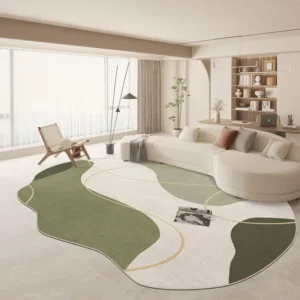 Cozy Irregular Green Plush Rug for Nordic Living Spaces
Rated 5.00 out of 5$31.00 – $196.00Price range: $31.00 through $196.00
Cozy Irregular Green Plush Rug for Nordic Living Spaces
Rated 5.00 out of 5$31.00 – $196.00Price range: $31.00 through $196.00 -
 Scandinavian Geometric Area Rugs for Stylish Home Décor
Rated 5.00 out of 5$24.00 – $352.00Price range: $24.00 through $352.00
Scandinavian Geometric Area Rugs for Stylish Home Décor
Rated 5.00 out of 5$24.00 – $352.00Price range: $24.00 through $352.00