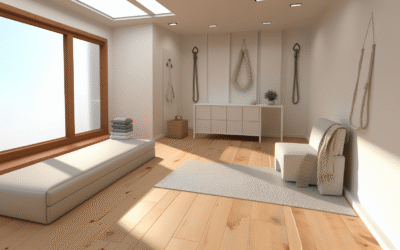
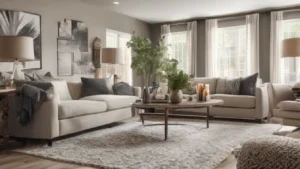
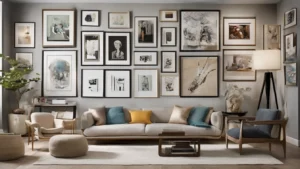

Are you living in a beautifully designed contemporary space, yet feel like something is missing? Do you yearn for a touch of individuality, a spark of creativity that truly reflects your soul within your modern environment? The clean lines, minimalist aesthetics, and functional focus of contemporary design are undeniably appealing. They offer a sense of calm, order, and efficiency. Yet, for many, this very sleekness can sometimes feel… sterile. Impersonal. Like a five-star hotel room instead of a cherished home or a thriving business hub. This is where the magic happens – where contemporary spaces with artistic elements transcend mere architecture and become living, breathing canvases of expression.
This article isn’t just about hanging a painting on a wall; it’s a deep dive into integrating art into modern design as a fundamental principle, not an afterthought. We’ll explore how to infuse personality and passion into every corner, transforming functional areas into inspiring narratives. From sculptural furniture to bespoke wall treatments, unexpected installations to curated collections, we’ll uncover the secrets to creating environments that are not only visually stunning but also emotionally resonant and deeply personal. Prepare to unlock a world where design meets daring, and every surface tells a story.
In the following sections, we will journey through the philosophy behind this design approach, dissecting its core principles and benefits. We’ll provide actionable strategies for selecting and integrating various artistic elements, consider lighting as an artistic tool, and explore how biophilia connects us to nature’s artistry. You’ll learn how to overcome common design challenges and discover real-world examples that showcase the transformative power of this approach. By the end, you’ll have a clear roadmap to infuse your own contemporary spaces with artistic elements, creating environments that are as unique as you are.
The Philosophy of Fusion: Why Contemporary Spaces Demand Artistic Expression
Contemporary design, at its heart, champions simplicity, functionality, and a connection to nature through natural materials and ample light. It’s a reaction to ornate, cluttered styles, favoring open-plan layouts and a sophisticated palette. But while its strengths lie in streamlining and efficiency, it often leaves a void – a longing for individuality and warmth. This is precisely why contemporary spaces with artistic elements are not just a trend, but a vital evolution in modern living and working environments.
Bridging the Gap: Form, Function, and Feeling
The inherent purity of contemporary design provides the perfect stage for art. Think of a minimalist gallery: the white walls and uncluttered space aren’t empty; they serve to highlight the artworks. Similarly, a contemporary room, with its clean lines and open volumes, creates an ideal backdrop for artistic interventions. Art, in this context, isn’t just an accessory; it becomes the focal point, the soul, and the narrative thread.
Why the fusion works:
-
- Adds Personality: Art injects character and a sense of “lived-in” warmth into otherwise stark contemporary settings.
-
- Creates Focal Points: Unique pieces naturally draw the eye, establishing visual anchors in expansive open-plan areas.
-
- Evokes Emotion: Art has the power to stir feelings, transforming a functional space into an emotionally rich experience.
-
- Enhances Storytelling: Each artistic element can tell a part of your story, reflecting interests, travels, and passions.
-
- Breaks Monotony: It introduces texture, color, and form in a way that respects the contemporary aesthetic while preventing blandness.
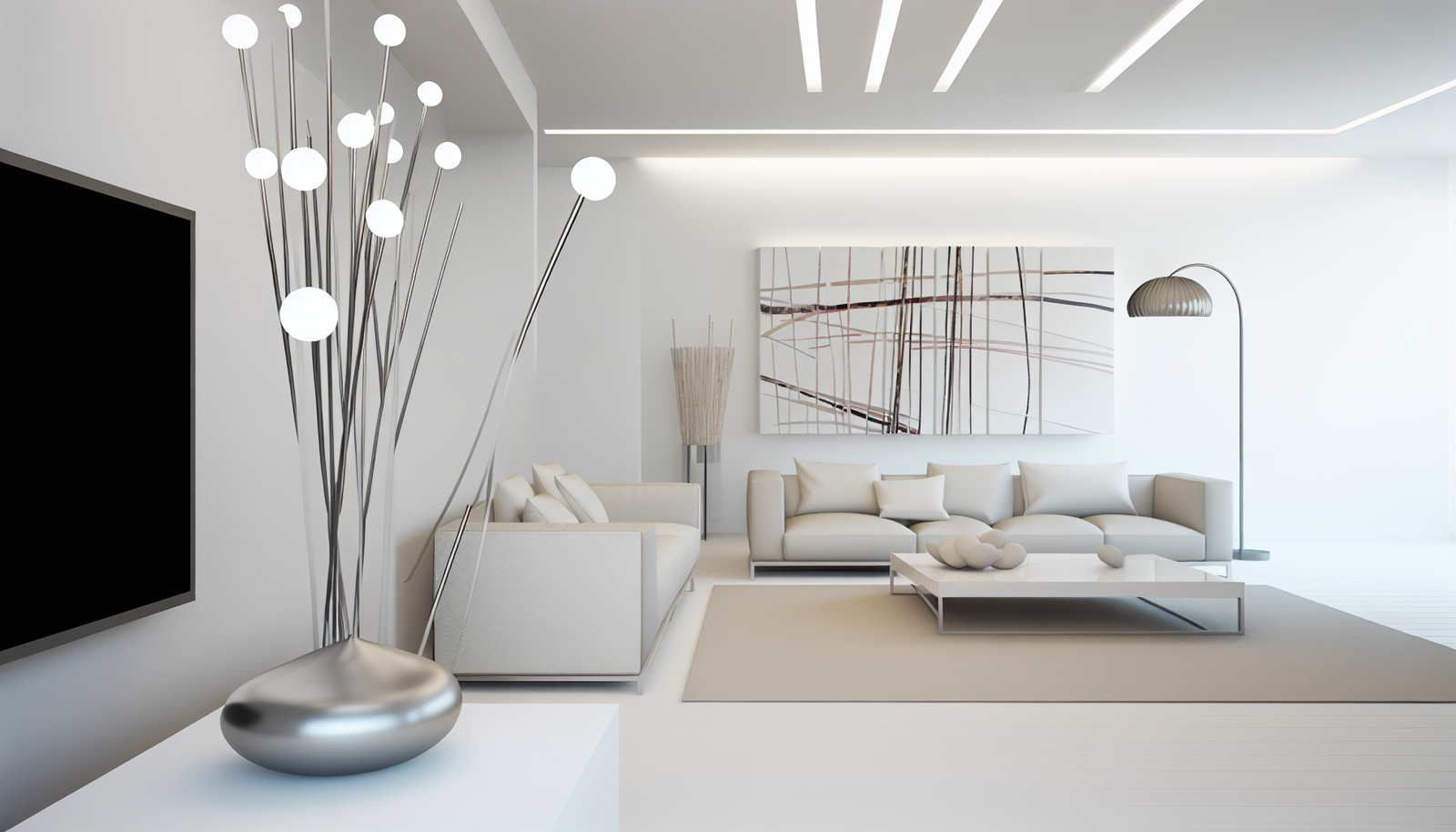
For instance, consider a sleek, open-concept living room. Without art, it might feel cold, echoing. Introduce a vibrant, large-scale abstract painting, a unique hand-blown glass sculpture, or even a living wall, and the space immediately transforms. It gains depth, a point of interest, and a palpable sense of style. The art elevates the room, making it memorable and unique.
The Benefits Beyond Aesthetics: More Than Just Pretty
The integration of artistic elements offers more than just visual appeal. It profoundly impacts the user experience and overall well-being.
Impact on Well-being and Productivity:
-
- Stimulates Creativity: Engaging art can inspire fresh thinking and problem-solving, making it invaluable in workspaces. Studies show that environments rich in artistic engagement can boost employee morale and innovation.
-
- Reduces Stress: Beautiful, meaningful art can offer a sense of calm and escape, providing visual respite in busy lives. Biophilic art, for example, can lower perceived stress levels.
-
- Enhances Connection: Art often sparks conversation and fosters a sense of shared experience, encouraging interaction in both residential and commercial settings.
-
- Reflects Identity: For homeowners, it’s a powerful way to express individuality. For businesses, it communicates brand values, culture, and aspirations.
-
- Increases Perceived Value: Art elevates a space, signifying attention to detail and a commitment to quality environments. This can be particularly impactful in high-end residential real estate or luxury commercial spaces.
Think of medical waiting rooms, often sterile and anxiety-inducing. Research demonstrates that incorporating calming nature-inspired art or soothing sculptures can significantly reduce patient stress and improve overall satisfaction. Similarly, in an office, a well-placed, thought-provoking art piece can act as a mental break, encouraging employees to step away from their screens and refresh their perspectives.
The true genius of contemporary spaces with artistic elements lies in their ability to marry stark functionality with profound meaning. They become spaces that don’t just exist but thrive, evolving with their inhabitants and reflecting the dynamic interplay between human creativity and the built environment.
Curating the Canvas: Selecting and Integrating Artistic Elements
Once we understand the profound “why,” the natural next step is the “how.” Integrating artistic elements into contemporary spaces requires thoughtfulness, balance, and a keen eye for detail. It’s not about cluttering; it’s about strategic placement and thoughtful curation.
Beyond the Wall: A Spectrum of Artistic Mediums
Art extends far beyond paintings and sculptures. In contemporary design, almost anything can be an artistic element if approached with intentionality.
-
- Sculptural Furniture: Furniture itself can be a work of art. Think chairs that defy conventional forms, tables with unexpected bases, or shelving units that double as installations. These pieces merge utility with aesthetic appeal, becoming functional art.
-
- Example: A fluid, organic sofa design contrasting with sharp architectural lines, or a dining table with a unique, hand-carved base.
-
- Sculptural Furniture: Furniture itself can be a work of art. Think chairs that defy conventional forms, tables with unexpected bases, or shelving units that double as installations. These pieces merge utility with aesthetic appeal, becoming functional art.
-
- Textile Art: Weave, tapestry, and fiber arts introduce softness, texture, and often vibrant color. Large-scale textile hangings can soften acoustics and add warmth to minimalist interiors.
-
- Example: A custom-made macrame wall hanging providing a bohemian counterpoint to industrial materials, or a contemporary woven rug acting as an anchor for a seating area.
-
- Textile Art: Weave, tapestry, and fiber arts introduce softness, texture, and often vibrant color. Large-scale textile hangings can soften acoustics and add warmth to minimalist interiors.
-
- Ceramics and Pottery: From decorative vases to functional dinnerware, ceramics offer tactile beauty. Groupings of handcrafted pottery can create compelling vignettes.
-
- Example: A collection of unique, hand-thrown ceramic bowls displayed on open shelving, or a single large, sculptural vase holding a minimalistic floral arrangement.
-
- Ceramics and Pottery: From decorative vases to functional dinnerware, ceramics offer tactile beauty. Groupings of handcrafted pottery can create compelling vignettes.
-
- Light Installations: Lighting fixtures are no longer just functional; they are often artistic statements. Chandeliers can be dynamic sculptures, and integrated LED strips can create dramatic washes of color and shadow.
-
- Example: A custom-designed pendant light mimicking a constellation, or strategically placed uplighting highlighting the texture of a stone wall.
-
- Light Installations: Lighting fixtures are no longer just functional; they are often artistic statements. Chandeliers can be dynamic sculptures, and integrated LED strips can create dramatic washes of color and shadow.
-
- Digital Art and Projections: For the truly contemporary, digital screens showcasing evolving art, or projectors casting dynamic imagery onto walls, offer ever-changing artistic experiences.
-
- Example: A large screen seamlessly integrated into a wall displaying generative art that changes with the time of day, or a subtle projection shifting patterns across a feature wall.
-
- Digital Art and Projections: For the truly contemporary, digital screens showcasing evolving art, or projectors casting dynamic imagery onto walls, offer ever-changing artistic experiences.
-
- Biophilic Art: Integrating living elements like unique plants, indoor gardens, or moss walls. This merges nature’s artistry with human design, bringing freshness and vitality.
-
- Example: A carefully curated vertical garden on a main wall, or a single, striking specimen plant like an Olive Tree or a Fiddle-Leaf Fig strategically placed to create a sculptural presence.
-
- Biophilic Art: Integrating living elements like unique plants, indoor gardens, or moss walls. This merges nature’s artistry with human design, bringing freshness and vitality.
The Art of Placement: Where and How to Integrate
The success of integrating artistic elements lies in their thoughtful placement. It’s about creating dialogue within the space, not just filling voids.
Key Considerations for Placement:
-
- Focal Points: Identify natural focal points in a room – perhaps the end of a long hallway, above a fireplace, or a prominent wall in an open-plan area. These are prime locations for impactful art.
-
- Scale and Proportion: The size of the art relative to the space and surrounding furniture is crucial. A small piece can get lost on a large wall, while an oversized piece can overwhelm a tiny room. Aim for balance.
-
- Tip: For a large wall, consider a single oversized piece or a thoughtfully arranged gallery wall. For narrower spaces, a tall, slender sculpture might be ideal.
-
- Scale and Proportion: The size of the art relative to the space and surrounding furniture is crucial. A small piece can get lost on a large wall, while an oversized piece can overwhelm a tiny room. Aim for balance.
-
- Color and Texture Dialogue: Art can introduce contrasting or complementary colors and textures. A vibrant painting can energize a neutral room, while a soft textile might add warmth to hard surfaces.
-
- Example: In a room with concrete floors and steel accents, a plush, brightly colored rug or a large, textured abstract painting can provide a much-needed counterpoint.
-
- Color and Texture Dialogue: Art can introduce contrasting or complementary colors and textures. A vibrant painting can energize a neutral room, while a soft textile might add warmth to hard surfaces.
-
- Flow and Movement: Art can guide the eye through a space. A series of pieces can create a narrative path, or a single piece can draw attention to a specific zone.
-
- Layering: Don’t be afraid to layer. A large painting can anchor a wall, with a console table beneath it holding smaller sculptures, books, and interesting objects.
-
- Negative Space: Remember that the space around the art is just as important as the art itself. Allow for breathing room. Contemporary design often celebrates negative space.
Case Study Snippet: The Minimalist Loft Transformed
Imagine a stark, industrial-style loft – concrete floors, exposed pipes, expansive windows. Initially, it felt cold and uninviting. The owner decided to infuse it with personality through artistic elements, strategically:
-
- Large-Scale Photography: A massive black and white photograph of a bustling cityscape was placed on the main living room wall, adding drama and a sense of connection to the urban environment.
-
- Sculptural Dining Table: The dining area featured a custom-made table with a polished concrete top and a surprisingly fluid, almost liquid, wooden base, blurring the line between furniture and sculpture.
-
- Integrated Lighting: Dimmable LED strips were installed along the exposed beams, creating a warm, ambient glow that highlighted the textures of the space and could change colors to match moods.
-
- Curated Ceramic Collection: A grouping of handcrafted, irregularly shaped ceramic vessels in muted tones adorned a custom-built, minimalist shelving unit, adding tactile depth.
-
- Biophilic Corner: A tall, dramatic olive tree in a simple concrete planter anchored a corner near the window, softening the industrial edges and bringing life into the space.
The result? A formerly cold loft became a vibrant, personalized sanctuary – undeniably contemporary but bursting with character. This transformation truly exemplifies how contemporary spaces with artistic elements can blend functionality with profound aesthetic appeal.
Lighting as an Artistic Medium: Illuminating the Masterpiece
Lighting in contemporary design is far more than just providing illumination; it is a critical artistic tool capable of sculpting space, enhancing mood, and highlighting architectural and artistic elements. When integrating contemporary spaces with artistic elements, thoughtful lighting design elevates the entire experience.
The Painter’s Palette: Types of Artistic Lighting
Different types of lighting serve different artistic functions. Understanding these can help you paint with light.
-
- Accent Lighting: This is specifically designed to highlight a particular object or area. Picture spotlights on a painting, a narrow beam on a sculpture, or linear LEDs under shelves. Its purpose is to draw the eye and create focal points.
-
- Example: A gallery-style picture light mounted above a significant artwork, or recessed eyeball lights angled precisely to illuminate a textured wall.
-
- Accent Lighting: This is specifically designed to highlight a particular object or area. Picture spotlights on a painting, a narrow beam on a sculpture, or linear LEDs under shelves. Its purpose is to draw the eye and create focal points.
-
- Architectural Lighting: Integrated directly into the building’s structure, this type of lighting emphasizes architectural features. Cove lighting, recessed lighting, and wall washers fall into this category. It shapes the perception of space.
-
- Example: LED strips hidden behind a floating ceiling detail, casting an ethereal glow around the room’s perimeter, or linear fixtures washing a large textured wall with light to emphasize its pattern.
-
- Architectural Lighting: Integrated directly into the building’s structure, this type of lighting emphasizes architectural features. Cove lighting, recessed lighting, and wall washers fall into this category. It shapes the perception of space.
-
- Decorative Lighting: These are the fixtures that are artistic statements in themselves. Chandeliers, pendant lights, and floor lamps that boast unique designs. They often become sculptural elements.
-
- Example: An oversized, deconstructed globe pendant light hanging dramatically over a dining table, or a unique floor lamp with an elongated, sculptural form.
-
- Decorative Lighting: These are the fixtures that are artistic statements in themselves. Chandeliers, pendant lights, and floor lamps that boast unique designs. They often become sculptural elements.
-
- Ambient Lighting: This provides the general illumination for a room. While often functional, it can also set the overall mood and warmth. Dimmers are crucial here.
-
- Example: Soft, diffused light from concealed sources, creating a comfortable, inviting atmosphere without drawing attention to the fixtures themselves.
-
- Ambient Lighting: This provides the general illumination for a room. While often functional, it can also set the overall mood and warmth. Dimmers are crucial here.
Sculpting with Light: Techniques and Strategies
Just as a sculptor carves stone, a designer uses light to shape perceptions and experiences.
-
- Layering Light: The most effective lighting schemes use multiple layers. Start with ambient light, then add task lighting (for specific activities), and finally, accent lighting to highlight art and architectural details. This creates depth and allows for flexible mood setting.
-
- Color Temperature: The “warmth” or “coolness” of light (measured in Kelvin) significantly impacts mood. Warm light (2700K-3000K) is inviting and often preferred for living spaces, enhancing natural wood tones and warm colors in art. Cool light (3500K-5000K) is more energizing, suitable for task areas, and can make blues and greens in art pop in contemporary spaces with artistic elements.
-
- Shadow Play: Don’t fear shadows; embrace them. Strategic lighting can create dramatic shadows that become artistic elements themselves, emphasizing texture and form. Uplit plants, for instance, cast captivating shadows on walls.
-
- Dimmers for Dynamicism: Dimmers are non-negotiable in contemporary artistic lighting. They allow granular control over intensity, enabling you to shift the mood, highlight different artworks at different times, and adapt the space for various functions.
-
- Integration with Smart Home Systems: For ultimate control and artistic expression, integrate lighting with smart home technology. This allows for scheduled changes, scene settings (e.g., “Art Gallery Mode,” “Relaxation Mode”), and even color-changing capabilities.
Elevating Art Through Illumination
The right lighting can make your artistic elements truly shine.
-
- Paintings: Use narrow-beam spotlights from the ceiling or dedicated picture lights. Ensure the light source is angled correctly to avoid glare and evenly illuminate the entire canvas. The light should ideally be 30-45 degrees off the vertical axis of the wall.
-
- Sculptures: Sculptures are three-dimensional, so they benefit from multiple light sources to reveal their form and texture from different angles. Uplighting can create dramatic shadows, while directional spots can highlight specific features.
-
- Textured Walls/Materials: Graze lighting (fixtures positioned close to the wall, casting light parallel to its surface) beautifully emphasizes textures like brick, stone, or patterned wallpaper, turning them into artistic focal points.
-
- Collections: For display shelves or curio cabinets, linear LED strips integrated into the shelves themselves can illuminate collected objects from within, creating a luminous display.
A well-lit contemporary space with artistic elements feels intentional, curated, and alive. It’s an environment where the art isn’t just seen, but experienced, its forms and colors transformed by the masterful application of light. Just as a painter uses color, a designer uses light to evoke emotion and create a truly immersive atmosphere.
Nature’s Brushstroke: Biophilic Design as Artistic Element
In the realm of contemporary spaces with artistic elements, another powerful design philosophy emerges: biophilia. This innate human tendency to connect with nature goes beyond simply adding a few plants; it’s about integrating natural elements and processes into the built environment to enhance well-being, productivity, and aesthetic appeal. Biophilic design, therefore, becomes a profound artistic expression, blurring the lines between indoor and outdoor, human creativity and natural artistry.
The Essence of Biophilia in Contemporary Design
Contemporary design often champions clean lines, minimalistic aesthetics, and a degree of separation from the “messiness” of the natural world. However, ignoring our intrinsic connection to nature can lead to sterile, uninspiring environments. Biophilic design bridges this gap by systematically incorporating natural patterns, forms, and elements.
Key Principles of Biophilic Design as Art:
-
- Direct Glimpses of Nature: Maximizing views of greenery, sky, or water. Large windows are a contemporary staple, making this often an inherent biophilic feature.
-
- Presence of Water: The sight and sound of water (e.g., indoor fountains, water features) create calming, meditative qualities.
-
- Natural Light: Abundant natural light connects us to external rhythms and enhances moods. This is a core tenet of both modernism and biophilia.
-
- Natural Materials: Using wood, stone, cork, linen, cotton, and other raw, minimally processed materials. The inherent textures and variations of these materials are artistic in themselves.
-
- Biomorphic Forms: Incorporating shapes and patterns found in nature – such as curves, spirals, branching forms – into furniture, architecture, or art.
-
- Sensory Engagement: Activating multiple senses through natural scents (plants), sounds (water features), and tactile qualities (rough stone, smooth wood).
Artistic Biophilic Elements for Contemporary Spaces
How do we weave nature’s artistry into sleek modern environments?
-
- Living Walls (Vertical Gardens): These are perhaps the most visually striking biophilic art installations. A well-designed living wall is a dynamic, ever-changing masterpiece that brings vibrant color, texture, and the calming presence of living plants into a space. They also improve air quality and acoustics.
-
- Considerations: Lighting, irrigation, and plant selection are crucial for sustainability and visual impact.
-
- Living Walls (Vertical Gardens): These are perhaps the most visually striking biophilic art installations. A well-designed living wall is a dynamic, ever-changing masterpiece that brings vibrant color, texture, and the calming presence of living plants into a space. They also improve air quality and acoustics.
-
- Indoor Trees and Large Specimen Plants: A single, sculptural indoor tree (e.g., olive, fiddle-leaf fig, Bird of Paradise) can act as a natural centerpiece, drawing the eye and adding immense character to a contemporary room. Groupings of various plants can create miniature indoor landscapes.
-
- Tip: Choose distinctive planters that complement the contemporary aesthetic.
-
- Indoor Trees and Large Specimen Plants: A single, sculptural indoor tree (e.g., olive, fiddle-leaf fig, Bird of Paradise) can act as a natural centerpiece, drawing the eye and adding immense character to a contemporary room. Groupings of various plants can create miniature indoor landscapes.
-
- Water Features: Minimalist indoor water features, whether a bubbling rock fountain or a sleek wall-mounted cascade, introduce the soothing sound and reflective quality of water, creating a calming artistic presence.
-
- Example: A reflective pool integrated into an entryway, mirroring the ceiling and light above.
-
- Water Features: Minimalist indoor water features, whether a bubbling rock fountain or a sleek wall-mounted cascade, introduce the soothing sound and reflective quality of water, creating a calming artistic presence.
-
- Natural Stone and Wood as Feature Walls/Surfaces: Rather than just using materials, highlight them. A raw, textured stone wall or a beautifully grained solid wood slab for a countertop or table becomes a powerful natural art piece.
-
- Example: A thinly sliced, backlit onyx wall panel, revealing its intricate natural patterns as abstract art.
-
- Natural Stone and Wood as Feature Walls/Surfaces: Rather than just using materials, highlight them. A raw, textured stone wall or a beautifully grained solid wood slab for a countertop or table becomes a powerful natural art piece.
-
- Art Inspired by Nature: Even if living elements aren’t feasible, art depicting nature (landscapes, botanicals, macro photography of natural forms) or abstract art using natural colors and textures can evoke biophilic connections. Sculptures made from found natural objects (driftwood, river stones) can also serve this purpose.
-
- Example: A large format photograph of a forest canopy or ocean waves, creating a portal to the outdoors.
-
- Art Inspired by Nature: Even if living elements aren’t feasible, art depicting nature (landscapes, botanicals, macro photography of natural forms) or abstract art using natural colors and textures can evoke biophilic connections. Sculptures made from found natural objects (driftwood, river stones) can also serve this purpose.
-
- Daylight Manipulation: Beyond just letting light in, consider how light angles, filtering, and shadows change throughout the day. Using architectural elements like louvers or screens can create dynamic patterns of light and shadow, themselves a form of fleeting natural art.
The Symbiosis: Why Biophilia Elevates Artistic Spaces
Incorporating biophilic elements into contemporary spaces with artistic elements adds layers of meaning and sensory richness that purely man-made art sometimes cannot.
-
- Dynamic Art: Living elements change, grow, and react to their environment, offering a constantly evolving artistic display.
-
- Authenticity: Natural materials and forms have an inherent authenticity and imperfect beauty that human-made objects strive to emulate.
-
- Sensory Depth: Biophilia engages not just sight, but also touch (textures of wood, plants), sound (trickling water, rustling leaves), and even scent (fresh earth, floral notes).
-
- Well-being: The proven psychological and physiological benefits of biophilic design enhance the overall experience of the space, making it not just beautiful, but also restorative and inspiring.
By consciously weaving nature’s inherent artistry into the fabric of contemporary design, we create environments that are profoundly harmonious, engaging, and deeply resonant with our human spirit – spaces that nourish the soul as much as they impress the eye.
Overcoming Design Dilemmas: Challenges and Solutions
Even with the best intentions, integrating contemporary spaces with artistic elements can present challenges. From managing visual clutter to ensuring budget adherence, thoughtful planning is key. Here, we address common dilemmas and offer practical solutions.
The Blank Canvas Syndrome: Starting with Nothing
Perhaps you have a brand-new, minimalist space, and the sheer emptiness feels daunting. Where do you even begin to introduce art without making it feel forced or disconnected?
-
- THE DILEMMA: A vast, unpunctuated space with no clear focal points or personality.
-
- THE SOLUTION:
-
- Identify a “Hero” Piece: Choose one significant, impactful piece of art (a large painting, a striking sculpture, or a unique furniture item) that will serve as the initial anchor. Let this piece inform other design decisions.
-
- Start with the Largest Walls: Large surfaces are ideal for substantial art. Don’t be afraid to go big. A single oversized piece can have more impact than many smaller ones.
-
- Consider Built-Ins: Custom shelving or recessed niches can be designed to perfectly showcase specific art pieces, making them feel integrated from the start.
-
- Define Zones: In open-plan spaces, use rugs, furniture arrangement, and a key piece of art to subtly delineate different functional zones.
-
- Use Digital Tools: Utilize online room visualizers or even physical cardboard cutouts to test out sizes and placement before committing.
-
- THE SOLUTION:
The Clutter Conundrum: Too Much of a Good Thing
The opposite problem: a desire to showcase many beloved pieces, leading to a cluttered, uncurated look that undermines the contemporary aesthetic.
-
- THE DILEMMA: Spaces feel busy, chaotic, or like a maximalist museum rather than a curated home.
-
- THE SOLUTION:
-
- Embrace Negative Space: Contemporary design thrives on “breathing room.” Not every wall or surface needs a piece of art. Intentional blank spaces allow the eye to rest and highlight the pieces that are present.
-
- Seasonal Rotation: If you have a large collection, rotate pieces periodically. This keeps the space fresh and allows you to enjoy different artworks without overwhelming the eye. Store un-displayed pieces properly.
-
- Curate Collections: Instead of scattering small items, group them visually. Arranging similar objects (e.g., a collection of blue glass, or small ceramic busts) creates a stronger visual impact.
-
- Vertical Grouping: Utilize vertical space for gallery walls, but plan them meticulously. Use templates on the wall first, and ensure a cohesive theme, color palette, or frame style.
-
- Edit Ruthlessly: It’s tough, but necessary. Ask yourself: Does this piece truly enhance the space? Does it align with the contemporary vision? If the answer is “no” or “maybe,” consider storing or relocating it.
-
- THE SOLUTION:
Budgetary Constraints: Art Doesn’t Have to Be Expensive
Many assume that creating contemporary spaces with artistic elements requires a fortune spent on designer pieces and famous artworks. This is a common misconception.
-
- THE DILEMMA: Limited funds, yet a strong desire for unique, impactful art.
-
- THE SOLUTION:
-
- Support Local Artists: Emerging local artists often offer original, high-quality work at more accessible price points. Attend local art fairs, open studios, and gallery events.
-
- Explore Prints and Photography: High-quality limited edition prints, Giclée prints, and fine art photography can be stunning alternatives to original paintings.
-
- DIY Artistic Elements: Consider creating your own abstract art, large-scale textile pieces, or even unique sculptural arrangements from found objects. Think large canvases with simple color blocking.
-
- Art as Object: Everyday objects can become art. A beautifully crafted wooden bowl, a unique lamp, or even a perfectly imperfect piece of driftwood can be an artistic focal point.
-
- Secondhand Treasures: Thrift stores, antique markets, and online marketplaces can yield surprisingly unique art pieces or vintage furniture with artistic appeal. Look for interesting forms, textures, or a unique story.
-
- Focus on One or Two Impactful Pieces: Instead of spreading a small budget thinly across many mediocre pieces, invest in one or two truly standout items that draw attention and define the aesthetic.
-
- THE SOLUTION:
Maintaining Cohesion: Blending Styles
A contemporary space might seem restrictive, making it challenging to incorporate older or more eclectic art pieces without creating a jarring effect.
-
- THE DILEMMA: How to seamlessly integrate diverse art styles (e.g., antique, traditional, abstract) into a cohesive contemporary environment.
-
- THE SOLUTION:
-
- Find Common Threads: Look for unifying elements such as color palettes, themes (e.g., nature, geometry), or even a shared sense of narrative across different pieces.
-
- Use Neutral Backdrops: A predominantly neutral color scheme in the contemporary space provides a flexible canvas that allows diverse art styles to pop without clashing.
-
- Strategic Framing: Custom framing can dramatically alter how a piece is perceived. Modern, minimalist frames can give traditional art a contemporary edge. Conversely, an ornate frame on abstract art can create an interesting tension.
-
- Embrace Juxtaposition: Sometimes, the contrast itself is the artistic statement. An antique bust next to a sleek modern sculpture can create a fascinating dialogue.
-
- Consider Scale Carefully: Ensure that disparate pieces are balanced in terms of their visual weight and scale, even if their styles differ.
-
- THE SOLUTION:
By proactively addressing these potential challenges, designers and homeowners alike can confidently embark on the journey of creating truly captivating contemporary spaces with artistic elements that are both functional and deeply personal.
Showcasing Success: Real-World Inspirations
Theoretical concepts are powerful, but real-world examples bring them to life. Let’s explore how contemporary spaces with artistic elements manifest in diverse settings, from residential homes to cutting-edge corporate environments. These aren’t just pretty pictures; they are strategic applications of the principles we’ve discussed.
Case Study 1: The Urban Residence – A Collector’s Haven
The Challenge: Transform a high-rise urban apartment with panoramic city views and a neutral, minimalist shell into a vibrant home for an avid art collector without compromising its contemporary elegance or feeling like a gallery.
Artistic Elements Applied:
-
- Statement Painting as Focal Point: A colossal abstract painting with a vivid color palette (primary reds, blues, yellows) dominates the main living room wall, immediately drawing the eye and setting the energetic tone for the space. Its scale perfectly balances the expansive city view outside.
-
- Sculptural Seating: The living room features a unique, undulating sofa in a muted gray, designed as a work of art itself. Its organic form contrasts beautifully with the linear architecture.
-
- Curated Niches: Recessed wall niches, subtly lit with warm LED strips, were created to house small, delicate ceramic sculptures and intriguing historical artifacts, each piece meticulously placed and illuminated as if in a museum.
-
- Integrated Bookshelves as Art: Custom-built, floor-to-ceiling bookshelves are designed with asymmetrical compartments, creating a graphic pattern. Carefully selected art books, unique objects, and vibrant vases are arranged within, making the entire unit a dynamic artistic display.
-
- Biophilic Touch: A single, striking “Dragon Tree,” with its unique, strong silhouette, is placed in a large, unadorned white pot in a corner, providing a living sculptural element against the glass facade.
Outcome: The apartment successfully retained its contemporary spaciousness while feeling deeply personal and rich with character. The art collection, rather than overwhelming the space, became its defining feature, seamlessly interwoven into the design fabric, proving that contemporary spaces with artistic elements can be both minimalist and deeply layered.
Case Study 2: The Tech Startup Office – Fostering Innovation Through Art
The Challenge: Design a flexible, open-plan office for a fast-paced tech startup that encourages creativity, collaboration, and offers diverse work zones, avoiding the sterile “cubicle farm” feel. The space needed to reflect innovation and a forward-thinking culture.
Artistic Elements Applied:
-
- Dynamic Digital Art Installations: Large LED screens are seamlessly integrated into feature walls in common areas (reception, breakout zones) displaying generative digital art that constantly evolves. This creates ever-changing visual interest and reflects the company’s tech-driven nature.
-
- Acoustic Art Panels: To address noise in an open-plan environment, bespoke acoustic panels were commissioned. These aren’t just functional; they feature geometric patterns and vibrant color gradients, doubling as large-scale abstract artworks that absorb sound while providing visual dynamism.
-
- Industrial Sculptures: Found objects from industrial contexts (e.g., repurposed machinery gears, exposed pipes polished and lit) are strategically placed as sculptural elements, paying homage to the building’s industrial past and adding a raw, authentic edge.
-
- Interactive Art Walls: One large wall is covered in a magnetic, writable surface, inviting employees to sketch, brainstorm, and contribute. Their evolving ideas become a collaborative art piece, fostering a sense of ownership and innovation.
-
- Biophilic Dividers: Instead of traditional partitions, tall, lush plant arrays in custom planters are used to delineate different work zones, creating natural, breathable “green walls” that bring nature indoors and offer pockets of calm.
Outcome: The office transformed into a highly stimulating and creatively charged environment. Employees reported feeling more inspired and comfortable. The integration of artistic elements directly supported the company’s culture, demonstrating how contemporary spaces with artistic elements can be central to fostering a dynamic work environment.
Case Study 3: The Boutique Hotel Lobby – Creating a Memorable First Impression
The Challenge: Design a compact hotel lobby that makes a bold, memorable first impression, reflecting luxury and a unique brand identity, without feeling ostentatious or cluttered.
Artistic Elements Applied:
-
- Statement Chandelier: A monumental, custom-designed chandelier made of hundreds of delicate glass orbs hangs in the center of the lobby. It serves as both a primary light source and a dazzling sculptural centerpiece, captivating guests upon entry.
-
- Textured Wall Art: One entire wall behind the reception desk is covered in three-dimensional, carved wood panels with an intricate, repeating geometric pattern. The interplay of light and shadow on this wall makes it a dynamic, tactile art piece.
-
- Unique Seating Arrangement: Instead of conventional sofas, modular, sculptural seating units in rich velvet upholstery are arranged in organic forms, inviting guests to interact with the space in new ways and acting as comfortable art installations.
-
- Curated Vignettes: Small, elevated platforms feature rotating displays of high-end, unusual decorative objects, often collaborating with local galleries. These mini-exhibitions provide fresh visual interest for returning guests.
-
- Strategic Mirror Placement: Large, irregularly shaped mirrors are strategically placed to reflect the chandelier and the textured wall, amplifying the artistic elements and creating an illusion of greater space and depth.
Outcome: The lobby became a highly Instagrammable, distinctive space. Guests frequently commented on its unique design and artistic flair, directly contributing to positive brand perception and word-of-mouth marketing. This case illustrates how contemporary spaces with artistic elements can craft unforgettable experiences using strategic visual impact.
These varied examples underscore a consistent truth: integrating artistic elements into contemporary spaces is not a one-size-fits-all solution. It’s a bespoke process, driven by the specific needs, users, and aesthetic goals of each environment. It’s about thoughtful selection, strategic placement, and a commitment to infusing every space with soul and story.
Future Horizons: The Evolution of Art in Modern Spaces
As design evolves, so too does the integration of art. The future of contemporary spaces with artistic elements promises even more immersive, interactive, and technologically advanced applications, pushing the boundaries of creativity and human experience.
The Rise of Immersive and Interactive Art
No longer will art be something passively viewed. The next wave will be art that engages multiple senses and responds to its environment or inhabitants.
-
- Projection Mapping: Advanced projectors will seamlessly transform entire walls or even architectural forms into dynamic, ever-changing art, creating immersive environments that can adapt to mood, time of day, or event. Imagine your living room walls shifting through abstract patterns, serene landscapes, or bustling cityscapes at your command.
-
- Generative Art: Algorithms will create unique, constantly evolving artworks that respond to real-time data inputs – perhaps the movement of people in a room, ambient sounds, or even local weather patterns. This means your art is literally “alive” and uniquely yours.
-
- Holographic Displays & AR/VR: High-definition holographic displays could bring three-dimensional art to life in the center of a room without physical form, or augmented reality (AR) apps could allow users to “try on” different artworks virtually before committing to a purchase, or create interactive overlays on existing pieces.
-
- Kinetic and Robotic Art: Sculptures that move, respond, and perhaps even learn. Think of intricate mechanisms that unfold, change shape, or react to human presence, constantly redefining space through their motion.
Sustainability and Ethical Art Integration
As awareness of environmental impact grows, so will the demand for art that aligns with sustainable principles.
-
- Upcycled and Recycled Art: More artists will work with reclaimed materials, transforming waste into beauty. This aligns perfectly with a minimalist contemporary aesthetic that often values raw, honest materials.
-
- Biologically Degradable Art: Exploring materials that naturally decompose or can be safely reintegrated into the environment after their lifecycle.
-
- Locally Sourced and Ethically Produced Art: Prioritizing art made from responsibly harvested materials, by artists paid fair wages, reducing carbon footprint and supporting ethical supply chains.
-
- Smart Biophilic Systems: Even more sophisticated living walls, integrated with smart systems for optimal water and light usage, becoming highly efficient, self-sustaining artistic ecosystems.
Personalized and Data-Driven Art
The age of big data will intersect with art, allowing for hyper-personalized artistic expressions.
-
- Art Reflecting Personal Data: Imagine art installations that visually represent your own biometric data, sleep patterns, or even your social media interactions, creating a truly unique and evolving personal portrait.
-
- AI-Generated Art Based on Preferences: AI could analyze your aesthetic tastes and preferences to generate custom artworks just for you, blurring the lines between human and artificial creativity.
-
- Modular and Adaptable Art: Pieces that can be reconfigured, expanded, or changed by the user over time, allowing the art to grow and adapt with the space and its inhabitants.
The Resurgence of Craft and Tactile Art
While technology pushes boundaries, there will also be a strong counter-movement celebrating the human hand and the inherent beauty of natural imperfections.
-
- Bespoke Artisanal Creations: A greater appreciation for unique, handcrafted pieces in ceramics, textiles, wood, and metal, where the maker’s touch is evident and celebrated. These pieces offer warmth and soul that mass-produced items cannot replicate.
-
- Emphasis on Texture: Designs that emphasize raw, textured materials in art will continue to grow, inviting touch and adding sensory depth to sleek modern interiors.
-
- Community-Driven Art Projects: More spaces will feature collaborative art created by the community members, fostering a sense of belonging and shared identity.
The future of contemporary spaces with artistic elements is one of incredible dynamism. It’s a future where art is not just seen but felt, experienced, and even changed by its environment. It promises spaces that are infinitely adaptable, deeply personal, and continually inspiring, solidifying art’s indispensable role in defining our modern world.
FAQ: Unleashing Creativity in Contemporary Spaces
Here are some common questions about integrating artistic elements into contemporary design.
What defines a “contemporary space” in design?
Contemporary design typically refers to current design trends, prioritizing simplicity, clean lines, open layouts, and functionality. It often features neutral color palettes, natural materials like wood and stone, and abundant natural light. It focuses on creating un-cluttered, sophisticated, and comfortable environments.
Why is it important to add artistic elements to a contemporary space?
While contemporary spaces are sleek and functional, they can sometimes feel impersonal or sterile. Artistic elements inject personality, warmth, focal points, and emotional depth. They allow for individual expression, stimulate creativity, reduce stress, and prevent the space from feeling bland, transforming it into a unique and engaging environment.
What kinds of artistic elements can be used beyond traditional paintings?
The possibilities are vast! Consider sculptural furniture, large-scale textile art, unique ceramics and pottery, bespoke light installations, digital art displays, and biophilic elements like living walls or striking indoor plants. Any object with unique form, texture, or story can become an artistic element with thoughtful placement.
How do I choose the right size art for a contemporary wall?
Scale and proportion are critical. For a large, empty wall, a single oversized piece often makes a stronger statement than many smaller ones. As a general rule, a piece of art should ideally be about two-thirds the width of the furniture it hangs above (e.g., a sofa). Ensure there’s sufficient negative space around the art for it to “breathe.”
Can I mix different art styles (e.g., traditional and modern) in a contemporary setting?
Absolutely! Juxtaposition can be highly effective. The key is to find connecting threads—perhaps a shared color palette, a common theme, or complementary textures. Using neutral backdrops in your contemporary space allows diverse art styles to coexist harmoniously. Thoughtful framing can also help bridge stylistic gaps.
How can lighting enhance artistic elements in my space?
Lighting is crucial. Use accent lighting (spotlights, picture lights) to highlight specific artworks. Architectural lighting can emphasize textured walls or unique architectural features. Dimmers allow you to adjust intensity and mood, while understanding color temperature helps evoke specific feelings and bring out the best in your art.
What is biophilic design, and how does it relate to artistic elements?
Biophilic design integrates natural elements and processes into built environments, connecting occupants with nature. It relates to artistic elements by bringing living art (living walls, indoor trees), natural materials (stone, wood as feature surfaces), and natural light patterns into the design, creating dynamic, calming, and visually engaging artistic expressions.
I have a limited budget. How can I still incorporate impactful art?
Don’t despair! Support local emerging artists, explore high-quality prints or photography, consider DIY art projects (abstract paintings, textile art), or repurpose unique found objects as art. Focus on one or two impactful pieces rather than many small, uninspiring ones. Secondhand markets often hide treasures.
Conclusion: Crafting Your Vision in Contemporary Spaces
We’ve journeyed through the intricate world of contemporary spaces with artistic elements, uncovering how the elegant simplicity of modern design can become a vibrant stage for profound self-expression. From understanding the intrinsic human need for beauty and connection to nature, to mastering the art of selecting and placing diverse mediums, and harnessing the transformative power of light, the message is clear: a truly exceptional contemporary space is one that breathes with personality, telling a story unique to its inhabitants.
The fusion of contemporary structures with thoughtfully integrated artistic expressions isn’t merely about aesthetics; it’s about elevating the human experience. It’s about designing environments that not only look stunning but also feel inspiring, comfortable, and deeply personal. It’s about embracing individuality in a world often driven by uniformity. Whether through a commanding sculpture, a serene living wall, a custom light installation, or a curated collection of cherished objects, each artistic element contributes to a richer, more meaningful dialogue between the space and its occupants.
The future promises even more exciting intersections of art, design, and technology. As you embark on or continue your design journey, remember that your contemporary spaces with artistic elements are living canvases, evolving just as you do. Embrace the journey, trust your instincts, and allow your space to become a genuine reflection of your passions and presence.
Ready to transform your own space? Start by identifying one “hero” piece that truly excites you, then build around it. Explore local art scenes, discover hidden talents, and don’t be afraid to experiment. Your blank walls and open spaces are not empty; they are brimming with potential, waiting for your unique artistic signature. The canvas is yours – now, create your masterpiece.
Content Disclaimer
The information provided in this article is for general informational and educational purposes only, and does not constitute professional advice. While we strive to provide accurate and up-to-date content, design principles and trends can vary, and individual results may differ based on specific circumstances and implementations. Always consult with qualified design professionals, artists, or contractors for personalized advice and before making any significant design decisions or undertaking complex projects. We do not endorse any specific products, brands, or services explicitly unless stated for illustrative purposes. Any reliance you place on the information in this article is strictly at your own risk.
Categories
- Accent Walls & Ceilings (84)
- Art Curation & Gallery (83)
- Bedding Style Trends (89)
- Bedroom Makeover (96)
- Bohemian & Eclectic Styles (80)
- DIY & Budget-Friendly Decor (78)
- Eco-Friendly Design (83)
- Furniture Care (87)
- Home Decor & Design Ideas (181)
- Home Wellness Spaces (103)
- Integrated Outdoor Living (91)
- Japandi Style (84)
- Kids and Nursery Decor (73)
- Living Room Decor (99)
- Mix & Match Techniques (95)
- Modern & Contemporary Design (88)
- Rug Sizing & Placement (89)
- Scandinavian Design Inspiration (51)
- Seasonal Home Decor (100)
- Small Space Solutions (93)
- Wall Art & Painting Tips (94)
Recent Comments
Archives
Product Gallery
-
 Majestic African Wildlife Canvas Art for Stylish Home Decor
Rated 5.00 out of 5
Majestic African Wildlife Canvas Art for Stylish Home Decor
Rated 5.00 out of 5 -
 Cozy Irregular Green Plush Rug for Nordic Living Spaces
Rated 5.00 out of 5$44.23 – $278.89Price range: $44.23 through $278.89
Cozy Irregular Green Plush Rug for Nordic Living Spaces
Rated 5.00 out of 5$44.23 – $278.89Price range: $44.23 through $278.89 -
 Scandinavian Geometric Area Rugs for Stylish Home Décor
Rated 5.00 out of 5$33.15 – $502.10Price range: $33.15 through $502.10
Scandinavian Geometric Area Rugs for Stylish Home Décor
Rated 5.00 out of 5$33.15 – $502.10Price range: $33.15 through $502.10