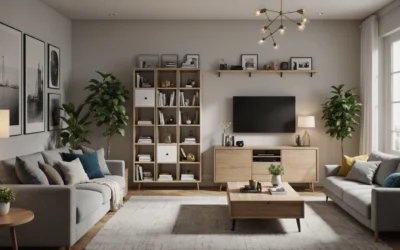
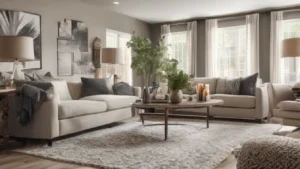

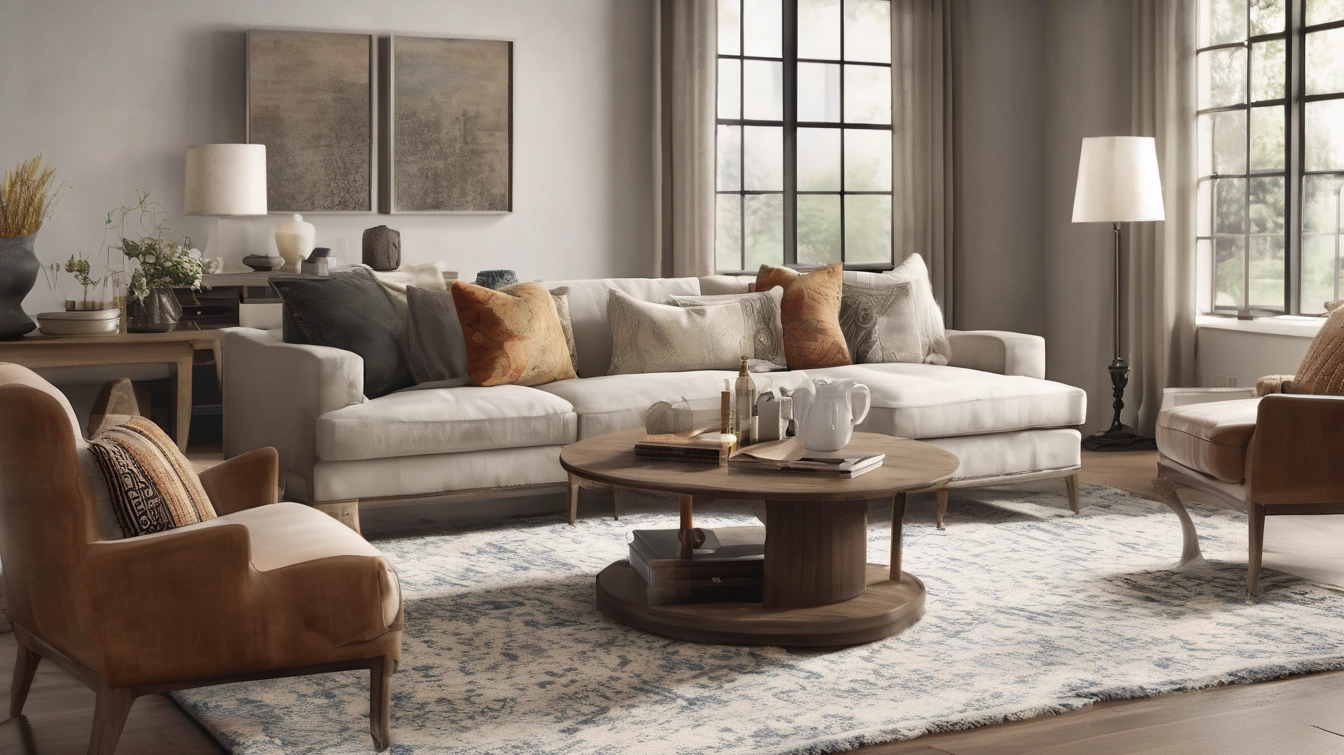

Stepping into a beautifully designed living space, have you ever noticed how some rooms just feel ‘right’? The furniture seems to float in perfect harmony, the various zones are clearly defined, and there’s an undeniable sense of warmth and invitation. Often, the unsung hero behind this perfect balance is a well-chosen area rug. But not just any rug – one that’s been expertly sized to enhance the room’s function and aesthetics. Specifically, when we talk about creating an intimate, functional gathering spot, understanding conversation area rug sizing becomes paramount. It’s an art, a science, and a critical component of interior design that can elevate a room from merely furnished to truly living.
Imagine a living room where a gorgeous sofa, a couple of armchairs, and a coffee table are haphazardly placed, their legs dangling off a rug that seems to have shrunk in the wash. The space feels disjointed, cold, and anything but inviting. Now, picture the same furniture perfectly anchored by a rug that allows all major pieces to comfortably rest upon it, unifying the seating arrangement into a cohesive “conversation area.” This isn’t just about aesthetics; it’s about functionality, comfort, and the subtle cues that tell guests, “Come in, sit down, stay a while.” This guide will demystify the process of selecting the perfect conversation area rug, ensuring your space doesn’t just look good, but feels right, too.
Navigating the sheer volume of rug sizes, styles, and materials can be overwhelming. From living rooms and open-concept spaces to bedrooms and dining areas, each zone presents unique rug sizing challenges and opportunities. We’ll explore the foundational principles for choosing the right size, delve into common mistakes to avoid, and provide actionable tips to help you measure, plan, and ultimately purchase the ideal rug for your home. By the end of this comprehensive guide, you’ll possess the knowledge to confidently select a conversation area rug that transforms your room into a functional, stylish, and welcoming haven.
Why Conversation Area Rug Sizing Matters More Than You Think
A rug isn’t just a decorative accent; it’s the foundation upon which your room’s narrative is built. The size you choose for your conversation area rug dictates everything from the perceived dimensions of your room to the comfort and flow of foot traffic. Getting the sizing wrong can make a large room feel small and cavernous, or a cozy room feel cramped and cluttered. Conversely, an accurately sized rug can make a small room feel expansive and a large room feel intimate and inviting. It’s the invisible hand guiding your sense of space.
Beyond visual appeal, proper rug sizing serves several crucial functional purposes. It helps to define zones in open-concept layouts, reducing noise, and providing a soft, warm surface underfoot. Furthermore, it anchors furniture, preventing it from looking like it’s floating aimlessly in the room. This anchoring effect is particularly important in a conversation area, where the goal is to create a cohesive, interactive grouping of furniture. When all the key pieces of your seating arrangement—sofas, chairs, and coffee tables—are either fully on or at least partially touching an appropriately sized rug, the grouping feels deliberate and inviting. This visual and physical connection encourages interaction and comfort, making your space truly live up to its “conversation area” moniker.
The Power of Subtlety: How Rugs Define Space
Consider an open-plan living and dining area. Without clear boundaries, these spaces can blend into one another, making them feel less purposeful. A well-placed conversation area rug immediately distinguishes the living zone from the dining area or kitchen. It acts as a visual anchor, drawing the eye and signaling a shift in function. This psychological segmentation is incredibly powerful, transforming a vast, undifferentiated space into distinct, usable realms. When choosing your rug, think of it as an invisible wall, subtly directing movement and interaction. It’s about creating rooms within rooms that maintain the airy feel of an open-concept layout while still offering defined purpose.
The scale of the rug directly impacts the perceived scale of the furniture and the room itself. A tiny rug under a large sectional will appear swallowed, making the furniture look oversized and the room awkward. A generous rug, however, can provide a visual ‘frame’ for your furniture, making individual pieces feel rightly proportioned and the entire arrangement feel intentional. This is especially true for your conversation rug, where you want a sense of enclosure and intimacy without feeling restrictive. The goal is to choose a rug that embraces your furniture, not just tolerates it.
Golden Rules for Conversation Area Rug Sizing: The Foundation
While every room has unique characteristics, a few universal principles apply when selecting the perfect area rug size for your conversation zone. Mastering these rules will simplify your decision-making process and ensure a harmonious result. Don’t rush this step; take the time to measure and plan. The right rug can last for years, becoming a cherished element of your home’s design.
Rule #1: All Legs On or Front Legs On – No Floating Islands!
This is arguably the most critical rule for conversation area rug sizing. A rug that is too small leaves your furniture looking like it’s stranded on a tiny island. For an ideal conversation area, you want to ensure at least the front two legs of all major upholstered pieces (sofas, armchairs, love seats) are comfortably resting on the rug. Ideally, all four legs of these pieces, along with the coffee table, should be on the rug. This creates a cohesive grouping, visually linking all elements of the conversation area together. It also provides a satisfying, soft landing for your feet when you settle in. Imagine the difference: stubbing your toe on the rug’s edge versus sinking into its plushness. The experience is night and day.
- All Legs On: The most luxurious and cohesive look. All legs of all major furniture pieces, including the coffee table, sit completely on the rug. This requires a larger rug and works best in spacious rooms. It truly grounds the entire conversation zone.
- Front Legs On: A popular and visually effective compromise, especially in smaller to medium-sized rooms. The front legs of your sofa and accent chairs are on the rug. This still visually anchors the furniture while allowing for a slightly smaller rug that doesn’t overwhelm the room. Ensure at least 6-12 inches of rug extend beyond the front legs for a balanced look.
- Coffee Table Only: Generally discouraged for conversation areas. This minimal approach, where only the coffee table sits on the rug, leaves the seating feeling disconnected and visually unstable. It often makes the rug appear diminutive and out of place. Avoid this look if your goal is an inviting conversation zone.
Rule #2: Allow for Walkways and Clearances
Your conversation area rug shouldn’t extend so far as to impede natural pathways or block doorways. Maintain at least 18-24 inches of bare floor between the edges of the rug and the walls (or other furniture outside the conversation zone). In smaller rooms, this clearance might be closer to 12-18 inches. The goal is to frame the conversation area, not to carpet the entire room. This border of visible flooring provides a sense of spaciousness and allows the rug to truly stand out as a defined element. Too much rug can make a room feel closed off and visually heavy, disrupting the airy flow that often makes a space feel inviting.
Also, consider clearance for doors. If a door swings into the area where your rug would be, measure carefully to ensure the door can open and close freely without catching on the rug’s edge or pile. Low-pile rugs are often better choices in high-traffic areas or near doorways for this reason.
Rule #3: Measure, Measure, Measure (and Map It Out!)
This is a fundamental step that too many people skip. Guessing rug sizes based on photos or general room dimensions is a recipe for disappointment. Before you even start browsing, grab a measuring tape. Measure the length and width of your conversation area, specifically where you envision your furniture. Then, arrange your furniture (or mock it up with painter’s tape on the floor) and measure the footprint you want the rug to cover. This includes the distance from one sofa’s front leg to the opposite armchair’s front leg, plus the desired extension. Don’t forget to account for any side tables or lamps that might be partially on the rug.
Pro Tip: Use painter’s tape or even old newspapers to lay out the exact dimensions of the rug you’re considering on your floor. This visual aid is invaluable. It lets you walk around it, arrange your furniture, and get a real sense of how the rug will interact with your space before you commit to a purchase. It’s like a mini virtual reality simulation for your living room.
Case Study: Sarah’s Living Room Dilemma
Sarah had a beautiful open-concept living and dining space. Her initial conversation area rug was a 5×7 foot rug, placed under just her coffee table in front of a generous 3-seater sofa and two accent chairs. The result? The furniture looked disjointed, and the rug appeared tiny and out of place, doing little to visually separate the living zone. Guests often avoided sitting in the armchairs because they felt “outside” the conversation. After learning about the “front legs on” rule, Sarah measured her space. She needed a rug that would comfortably fit the front two legs of her sofa (approximately 85 inches wide) and extend far enough to include the armchairs (about 120 inches apart). She ended up opting for an 8×10 foot rug. Instantly, the room felt more cohesive. The furniture was grounded, the conversation area was clearly defined, and guests naturally gravitated towards the now-inviting seating arrangement. The 8×10 rug didn’t feel too big as it still allowed adequate bare floor around the perimeter.
Common Conversation Area Rug Sizes and When to Use Them
While custom sizes are available, most rugs come in standard dimensions. Understanding these common sizes and their typical applications is crucial for making an informed decision about your conversation area rug. Remember, these are guidelines, not rigid rules. Your unique space and furniture arrangement will ultimately dictate the best fit.
5×7 or 5×8 Feet: The “Small Island” Trap (and how to avoid it)
This size is often bought for smaller apartments or as an initial, budget-friendly option. However, for a true conversation area, a 5×7 or 5×8 rug is generally too small to effectively anchor a full sofa and two accent chairs. It often leads to the “floating island” scenario where only the coffee table, or perhaps the very front tips of the sofa’s legs, barely touch the rug. While it can work in a very small sitting nook with just two chairs and a slim table, for a standard living room conversation area, it usually falls short. If you’re considering this size, double-check your measurements to ensure it genuinely encompasses the front legs of all your primary seating pieces. If not, it might be better to save for a larger option or reconsider your furniture arrangement.
Best Use Cases:
- Under a small desk area.
- In a cozy reading nook with just one armchair and a small side table.
- To define a small entryway.
- When a “coffee table only” look is acceptable (but generally not for conversation areas).
6×9 Feet: A Step Up, But Still Limited
A 6×9 rug offers a bit more flexibility than a 5×7 but still often struggles to accommodate a standard sofa and two armchairs with the “front legs on” rule. It might work for a small apartment-sized sofa and one accent chair, or for a sectional that isn’t too sprawling. It’s a good size for defining a dining area with a four-person table, where all chairs can comfortably remain on the rug when pulled out. For a conversation area, carefully measure your furniture’s footprint. If you have a compact sofa and perhaps a single accent chair, this size might just work, but it will be a tight fit. Don’t forget to consider how far the rug extends beyond the furniture’s front legs; a mere inch or two won’t give that desired anchored look.
Best Use Cases for Conversation Areas (with caveats):
- Very compact sofa and one small armchair (front legs on both).
- Two small armchairs facing each other with a coffee table in between.
8×10 Feet: The Most Versatile Choice for Many Living Rooms
The 8×10 rug is often the sweet spot for many average-sized living rooms and conversation areas. It’s large enough to comfortably accommodate a standard three-seater sofa and two accent chairs with their front legs on the rug, extending sufficiently to create a defined zone. It provides that essential visual anchor for your primary seating arrangement, making the space feel coherent and inviting. This size generally allows enough bare floor around the perimeter to prevent the room from feeling completely carpeted, maintaining that crucial sense of spaciousness. If you’re unsure, and your room isn’t exceptionally large, an 8×10 rug is often a safe and effective starting point for conversation area rug sizing.
Benefits of 8×10:
- Accommodates most standard sofa sets with front legs on.
- Defines conversation areas clearly in open-concept spaces.
- Allows for good foot traffic flow around the rug.
- Provides a good balance of coverage and bare floor.
9×12 Feet: For Larger Rooms and Grander Conversation Zones
When you have a larger living room, a sprawling sectional, or a desire for the “all legs on” look for a substantial furniture grouping, a 9×12 rug becomes the ideal candidate. This size completely grounds most standard living room furniture sets, allowing all four legs of your sofa, armchairs, and coffee table to rest comfortably on the rug. It creates a luxurious, expansive feel, making the conversation area feel truly like its own room within a room. This is also a perfect option for open-concept layouts where you want a very strong delineation of the living space without resorting to physical barriers. Remember to ensure you still have adequate bare floor around the rug’s perimeter; even with a large rug, you don’t want it to touch the walls.
When to choose 9×12:
- Large living rooms (200 sq ft+).
- When all furniture legs (sofa, chairs, coffee table) are desired to be on the rug.
- With oversized sectionals or multiple sofas.
- To create a very strong, anchored statement in an open plan.
10×14 Feet and Larger: The Statement Makers
For truly expansive living spaces, great rooms, or designs where you want to anchor multiple conversation groupings (e.g., a main seating area and a secondary reading nook), a 10×14 rug or even larger custom sizes may be necessary. These substantial rugs are designed to make a grand statement and provide a vast, defined area. They are excellent for filling large rooms without making them feel empty, bringing warmth and color to large expanses of hard flooring. With rugs of this scale, it’s even more important to adhere to the walkway clearance rule (18-24 inches from walls) to prevent the room from feeling completely carpeted. These sizes are an investment and are often found in homes with very generous floor plans.
Ideal for:
- Very large open-concept living rooms.
- Homes with exceptionally high ceilings where scale is important.
- Anchoring multiple distinct furniture groupings within one large space.
Beyond the Basics: Advanced Considerations for Rug Sizing
Once you’ve grasped the foundational rules and common sizes, it’s time to fine-tune your choice with some advanced considerations. These elements can make the difference between a good rug choice and a truly exceptional one that enhances your home’s design and functionality. Don’t just look at the numbers; think about the feeling you want to evoke.
Room Shape and Layout: Working with the Unconventional
Not all rooms are perfect rectangles. If you have an irregularly shaped room, an L-shaped living area, or a room with architectural features that break up the space, your approach to area rug sizing needs to be more flexible. Instead of trying to fit a standard rectangular rug into an odd corner, consider multiple smaller rugs or even a custom-shaped rug if your budget allows. Sometimes, two smaller, complementary rugs can define two distinct conversation zones in a larger, unconventional space better than one massive rug trying to do it all. Always focus on how the rug interacts with your conversation furniture, not just the room’s overall dimensions.
Round Rugs: A Daring Alternative
While most conversation areas are anchored by rectangular rugs, a round rug can be a striking and effective choice, particularly in square rooms or to highlight specific circular furniture arrangements. A round rug works beautifully to define a conversation area centered around, for example, a round coffee table with four armchairs. The key is to ensure the diameter of the round rug is large enough to encompass the front two legs (or all legs) of all seating pieces, just as you would with a rectangular rug. Its non-linear shape can soften a room’s edges and add a dynamic visual element. When using a round rug, ensure it doesn’t clash with other dominant geometric shapes in the room; harmonious blending is key.
Furniture Scale: Big Pieces Need Big Rugs
The size and bulk of your furniture play a significant role in rug sizing. An oversized sectional demands a much larger rug than a slim, mid-century modern sofa. If your furniture pieces are particularly grand, with deep seats or wide arms, you’ll naturally need a rug that can adequately extend beyond them. Skimping on rug size for large furniture will make the rug disappear and the furniture look even more imposing. Conversely, a very small, delicate furniture set might be overwhelmed by an excessively large rug. Always ensure the rug’s scale feels proportionate to the furniture it’s anchoring. This is where the painter’s tape trick really shines; it allows you to visualize the synergy between your furniture and the potential rug.
Traffic Flow: Don’t Obstruct the Path
Beyond the main conversation area, consider how people will move through the room. Your rug should facilitate, not hinder, natural pathways. If your conversation area functions as a thoroughfare to another part of the house, ensure the rug doesn’t create awkward tripping hazards or force people to walk around its edges unnaturally. Pathing should ideally be on bare floor around the rug’s perimeter. If a rug must intersect a high-traffic lane, choose a durable, low-pile option to minimize wear and tear and potential tripping hazards. Thoughtful placement respects the room’s architecture and its inhabitants’ daily movements.
Room Height and Light: Impact on Perception
The height of your ceilings and the amount of natural light a room receives can subtly influence your rug sizing decisions. In rooms with very low ceilings, an exceptionally large rug can sometimes make the ceiling feel even lower if it dominates the floor space. Conversely, in a room with very high ceilings, a generous rug can help bring the visual height down, creating a more intimate feeling within the conversation zone. Similarly, a bright room with ample natural light can often handle a larger, darker rug without feeling heavy, whereas a dimly lit room might benefit from a lighter, perhaps slightly smaller rug to keep the space feeling open and airy. These are nuanced considerations, but they contribute to the overall mood and balance of a room. It’s about light reflection and absorption, and how that translates to perceived spaciousness.
Common Rug Sizing Mistakes and How to Avoid Them
Even with the best intentions, it’s easy to make missteps when choosing an area rug. Being aware of these common pitfalls can save you significant time, money, and frustration. Remember, the goal is to create a seamless, inviting conversation area, not a design puzzle.
Mistake #1: The “Postage Stamp” Rug
This is by far the most prevalent and detrimental mistake: buying a rug that is far too small for your furniture. The “postage stamp” rug scenario is when only your coffee table (or sometimes, not even that) sits on the rug, leaving all major seating pieces completely off. The result is a disconnected, unfinished, and awkward-looking conversation area. It visually shrinks the room, makes your furniture look oversized, and fails to provide the cohesive anchoring effect a rug is meant to achieve. It’s often a result of underestimating the true footprint of a furniture grouping or trying to make a budget-friendly small rug stretch too far. Don’t compromise on size; it’s the number one visual indicator of a well-designed space.
Solution: Revisit Rule #1 (“All Legs On or Front Legs On”). Measure the entire footprint of your intended conversation area with furniture in place. Use painter’s tape to mock up the ideal rug size. Prioritize a larger rug even if it means sacrificing some other decorative elements in your budget. A well-sized rug is foundational.
Mistake #2: Forgetting Foot Traffic Lanes
While the focus is on the conversation area, a common oversight is not considering how people will naturally move through or around the rug. A rug placed too close to a doorway or perpendicular to a main walkway can create an obstruction, forcing people to awkwardly step on or around it. Not only is this inconvenient, but it can also lead to premature wear and tear on your rug. You want a clear path for movement that doesn’t involve navigating the rug’s edges.
Solution: Map out your room’s traffic flow. Identify clear pathways from entry points to exits, and around key furniture pieces. Ensure your chosen rug size allows for at least 18-24 inches (or 12-18 inches in smaller rooms) of clear flooring around its perimeter, especially where traffic is heaviest. Don’t let your rug dictate movement; let movement inform your rug placement.
Mistake #3: Neglecting Bare Floor Perimeter
While we emphasize larger rugs for conversation areas, there’s a limit. A rug that extends too close to the walls, leaving only a few inches of bare flooring, can make a room feel smaller, crowded, and completely carpeted. The beauty of an area rug is its ability to define a zone while contrasting with the surrounding floor. You need that exposed border to achieve a polished, spacious look.
Solution: Aim for 18-24 inches of bare floor between the rug’s edge and the walls in larger rooms. In smaller rooms, 12-18 inches is acceptable. Think of the rug as a floating island in a sea of your hard flooring, not a wall-to-wall carpet. This visual breathing room enhances the rug’s impact and the room’s perceived size.
Mistake #4: Not Accounting for Furniture Arrangement Variations
Life happens, and furniture often gets rearranged. What if you decide to move your sofa to a different wall, or add another armchair? A rug chosen precisely for one static arrangement might not work for another. While you can’t predict every future change, considering common alternative layouts for your room can help you choose a more versatile rug size. This is particularly relevant for apartments where flexibility is key.
Solution: When mocking up with painter’s tape, try one or two alternative furniture arrangements if plausible. Purchase a rug that offers some flexibility in how you can place your main furniture pieces. An 8×10 or 9×12 rug often provides this versatility, as it’s large enough to anchor various configurations of a sofa and a few chairs.
Mistake #5: Buying a Rug Strictly Based on Room Dimensions
It’s tempting to think, “My living room is 12×15, so a 9×12 rug will fit nicely.” While room dimensions provide a starting point, the specific arrangement of your furniture—especially for a conversation area—is what truly dictates rug size. A 9×12 rug in a 12×15 room might seem appropriate, but if your conversation area is centered around unique, oversized pieces, that 9×12 might still be too small to achieve the “all legs on” or “front legs on” principle effectively. Furniture is the star when rug sizing for conversation areas; the room is the stage.
Solution: Always prioritize the furniture grouping over the overall room dimensions. The rug is there to serve the conversation area, not just fill the room. Measure your furniture’s footprint first, then consider the surrounding room dimensions for border clearance. This subtle shift in perspective makes all the difference.
Measuring Your Conversation Area: A Step-by-Step Guide
Putting theory into practice is essential. This step-by-step guide will walk you through the precise measurements needed to confidently select the ideal conversation area rug. Don’t skip these critical steps; they are your insurance against purchasing the wrong size.
- Clear the Area (or Mock It Up): If possible, temporarily remove any existing rugs and move your furniture into its desired conversation arrangement. If you can’t move heavy pieces, use measuring tapes to sketch out their intended positions.
- Measure the Width of Your Primary Seating: Measure the full width of your sofa or main sectional piece. Note this measurement.
- Measure the Depth/Reach of Your Seating Area:
- For “Front Legs On” Approach: Measure the distance from the back wall (or where the back of your sofa will be) to the front legs of your deepest chair, extending past them by 6-12 inches. This gives you a rough idea of the minimum depth your rug needs.
- For “All Legs On” Approach: Measure the distance from the back wall to the back legs of your furthest sofa/chair, and then to the front legs of your deepest chair, adding 6-12 inches beyond the front legs. This will be a wider span.
- Factor in Accent Chairs and Their Spacing: If you have two accent chairs flanking a sofa, measure the total width from the outer front leg of one armchair, across the coffee table, to the outer front leg of the other armchair, adding 6-12 inches on each side for extension. Alternatively, measure the width of your sofa, and then the distance to the outer edge of each accent chair.
- Consider Your Coffee Table: The coffee table should always be entirely on the rug, or at least have all its legs on the rug if it’s substantial. Ensure the rug dimensions you’re planning allow for the coffee table to sit comfortably within the defined zone.
- Assess Walkways and Clearances: Once you have a general rug footprint, measure from the edges of this potential rug area to the nearest wall or other furniture not part of the conversation zone. Aim for 12-24 inches of bare floor.
- Map It Out with Tape: Use painter’s tape to mark out the proposed rug dimensions directly on your floor. Live with it for a day or two. Walk around it, sit on your furniture, and visualize the space. Does it feel right? Does it create a tripping hazard? Does it look too big or too small? This is the most crucial step for validation.
- Note Door Swings: If any doors swing into your conversation area, measure the distance from the doorframe to where the rug would start. Ensure the door can clear the rug without dragging.
- Consider the Pile Height: While not a sizing factor, this is important for clearance. High-pile rugs (shag, thick wool) require more clearance for doors than low-pile rugs (flatweave, jute).
Tool Recommendation: Online Rug Visualizers
Many online rug retailers now offer “view in room” or augmented reality (AR) features on their websites or apps. While not a substitute for physical measurements, these tools can be incredibly helpful for visualizing how a specific rug size and pattern will look in your actual space using your smartphone camera. They can give you a quick, albeit rough, estimate of scale and color before you even pull out the measuring tape. They won’t replace measuring, but they can narrow down your choices quickly.
Rugs in Open-Concept Spaces: Defining Zones with Confidence
Open-concept living is incredibly popular, but it comes with its own unique design challenges. Without walls, spaces can feel boundless and undefined. This is where conversation area rug sizing truly shines, acting as an invisible architect to demarcate functional zones and bring intimacy to vast areas. The rug becomes the anchor, guiding the eye and creating a sense of purpose for each segment of your open floor plan.
The Art of Zoning: More Than Just a Pretty Pattern
In an open-concept layout, each distinct activity area—living, dining, kitchen, office nook—often calls for its own rug. For the conversation area, the rug must be robust enough in size to clearly separate it from adjacent zones. This isn’t just about placing a rug; it’s about intelligent spatial design. A rug that effectively defines the conversation zone tells anyone entering the room, “This is where we relax and connect.”
Consider the interplay between multiple rugs in an open space. While each should be appropriately sized for its zone, they don’t necessarily need to match perfectly. Complementary colors, textures, or patterns can create a cohesive flow without being identical. The key is that each rug’s presence is assertive enough to clearly mark its territory, especially for the conversation area, which is often the focal point.
Maintaining Visual Flow Between Zones
Even as you define zones, you want to maintain a sense of openness and flow in an open-concept space. This means ensuring adequate ‘walkways’ or bare floor sections between your conversation area rug and, for example, your dining area rug. Avoid having rugs butt up against each other unless it’s a very intentional design choice with specific transitional rugs. The space between rugs acts as a visual ‘pause,’ allowing the eye to transition smoothly from one defined area to the next. This negative space is just as important as the positive space filled by the rug.
Large Open-Concept Living Rooms: Go Big or Go Home
For very large open-concept living rooms, don’t be afraid to go for a generous rug size—9×12, 10×14, or even custom. A small rug in a massive room will look lost and insignificant, doing nothing to warm up the space or define your conversation zone. A larger rug allows you to encompass more furniture, creating a grander, more inviting conversation area that truly feels substantial within the expansive layout. It will also significantly help with acoustics, absorbing sound in a way a small rug simply cannot, making conversation more comfortable.
| Room Type / Furniture | Recommended Rug Size (Min-Max) | Sizing Rule |
|---|---|---|
| Standard Sofa + 2 Armchairs | 8×10 ft (243×304 cm) | Front legs on all major pieces. |
| Large Sofa / Sectional + 2 Armchairs | 9×12 ft (274×365 cm) | Front legs on all, or all legs on sofa/sectional. |
| Very Large Room, Multiple Seating | 10×14 ft+ (304×427 cm+) | All legs on all primary furniture. |
| Cozy Nook (Two Chairs + Small Table) | 5×7 ft (152×213 cm) or 6×9 ft (182×274 cm) | All legs on chairs, table fully on. |
| Round Conversation Area (Round Table + 4 Chairs) | 8-10 ft diameter | All chair legs on, ample space for movement. |
Visual Content Suggestion: Infographic
A clear infographic showing different furniture arrangements (sofa + chairs, sectional) with various rug sizes (e.g., small, 8×10, 9×12) overlaid with color-coded “too small,” “just right,” and “perfect” zones. This would vividly illustrate the core sizing principles.
Alt-text for image: Infographic showing proper area rug sizing for living rooms with different furniture layouts, illustrating ‘all legs on’ vs ‘front legs on’ rules for conversation areas.
Beyond Size: How Material, Pile, and Pattern Influence Perception
While size is crucial, it’s not the only factor that dictates how a conversation area rug affects your space. The material, pile height, and pattern also play significant roles in the rug’s overall impact and how it makes a room feel. These elements can subtly alter the perceived spaciousness, warmth, and formality of your conversation zone.
Material Matters: From Wool to Jute
The material of your rug influences its texture, durability, and visual weight. A thick, hand-knotted wool rug will inherently feel more substantial and luxurious than a thin, flatweave cotton rug. In a conversation area, where comfort and coziness are paramount, materials like wool, silk blends, or even a soft synthetic can enhance the inviting atmosphere. For high-traffic conversation areas, durable options like wool or polypropylene are excellent choices. Jute or sisal rugs, with their natural texture, offer a more casual, earthy feel, but might not be as soft underfoot.
- Wool: Durable, soft, luxurious, excellent insulation, range of textures. Ideal for defining a comfortable, long-lasting conversation area.
- Cotton: More casual, often flatweave, good for layering or a relaxed aesthetic. Can sometimes feel less “grounding.”
- Synthetics (Polypropylene/Nylon): Highly durable, stain-resistant, more budget-friendly. Great for family-friendly conversation areas. Variable softness.
- Jute/Sisal: Natural, textured, rugged look. Best for a more casual, earthy vibe. Less soft, but visually striking.
- Silk/Viscose: Luxurious, soft, often highly patterned. Best for lower-traffic, more formal conversation areas due to delicate nature.
Pile Height: The Comfort and Cleanliness Equation
The pile height refers to the density and length of the rug’s fibers. A low-pile rug (flatweave, tightly woven) will offer a sleeker look, be easier to clean, and allow furniture to slide more easily. It’s often a good choice for formal conversation areas or those in high-traffic zones. High-pile rugs (shag, thick loops) offer immense comfort and a plush, luxurious feel, making them ideal for cozy, relaxed conversation spots where people might sit on the floor or lounge. However, they can be harder to clean and may show wear more quickly in very high-traffic areas. Consider the practicalities of your lifestyle.
Low Pile:
- Sleek, modern look.
- Easy to vacuum and clean.
- Less prone to tripping.
- Good for high-traffic conversation areas.
- Comfortable underfoot.
- Versatile for many styles.
- Good balance of comfort and maintenance.
- Luxurious and extremely soft.
- Excellent for cozy, intimate conversation areas.
- Harder to clean, can show crushing from furniture.
- Not ideal for main traffic paths.
- Vacuum Regularly: For most rugs, weekly vacuuming (or more often in high-traffic areas or homes with pets) prevents dirt and debris from settling deep into the fibers. Adjust vacuum height for different pile types.
- Spot Clean Spills Immediately: The faster you address a spill, the more likely you are to prevent a permanent stain. Blot (don’t rub!) with a clean white cloth and appropriate cleaner for your rug’s material.
- Rotate Your Rug: Every 6-12 months, rotate your rug 180 degrees. This helps distribute wear evenly, especially in areas with uneven sun exposure or heavy foot traffic on one side.
- Professional Cleaning: Depending on traffic and material, plan for professional cleaning every 1-3 years. This deep cleaning removes embedded dirt and revitalizes the fibers.
- Prevents Slipping: A rug pad keeps the rug firmly in place, preventing dangerous slips and extending the life of the rug by reducing friction against the floor.
- Adds Cushioning: It enhances the plushness and comfort underfoot, making your conversation area even more inviting.
- Protects Your Floor: The pad acts as a barrier, protecting your hard flooring from scratches, abrasion, and potential color transfer from the rug.
- Extends Rug Life: By absorbing impact and reducing friction, a rug pad helps your rug wear more evenly and last longer.
- Start with the Purpose: Before considering size or style, ask yourself: What is the primary purpose of this conversation area? Is it formal, casual, family-focused, entertaining-focused? This will guide your choices for material, pile, and even color.
- Consult a Designer: If budget allows, a professional interior designer can provide invaluable guidance, especially for complex layouts or if you’re struggling with conflicting ideas. They have an eye for scale and balance.
- Don’t Be Afraid of Color/Pattern (Within Reason): While neutral rugs are safe, a thoughtfully chosen colorful or patterned rug can become the stunning focal point of your conversation area. Just ensure it harmonizes with existing elements and doesn’t overwhelm the space.
- Consider Layering: Sometimes, a smaller, decorative rug layered over a larger, neutral foundational rug can achieve both the necessary size and add visual interest. This is a great trick for adding texture and warmth.
- Read Reviews: For online purchases, always read customer reviews, especially regarding color accuracy, texture, and real-world sizing. Sometimes a rug can appear different in person than online.
- Factor in Longevity: This is an investment. Choose a rug that feels good, looks good, and is durable enough to withstand the traffic of its intended conversation area. Don’t just buy for short-term trend appeal.
- Order Samples: If available, order samples of rugs you’re considering. This allows you to see the true color and texture in your home’s lighting before committing to a large purchase.
Medium Pile:
High Pile (Shag):
Pattern and Color: The Visual Illusions
The pattern and color of your conversation area rug can create powerful visual illusions that affect how your space is perceived. A large, bold pattern on a rug can make it feel more dominant and potentially shrink the perceived size of the conversation zone if not balanced correctly. Conversely, a subtle, tone-on-tone pattern or a solid color in a light hue can make a space feel more expansive and airy. Darker colors tend to absorb light and can make a room feel cozier or more intimate, while lighter colors reflect light, creating a sense of openness.
When selecting a pattern, consider the other patterns in the room (upholstery, curtains, artwork). You usually want complementary patterns, not competing ones. A busy patterned rug in a small space might feel overwhelming, whereas a larger room can handle a more intricate design. The pattern also influences how dirt and wear show; geometric or abstract patterns can be very forgiving, while solid light colors tend to highlight every speck.
Maintenance and Longevity: Keeping Your Rug Beautiful
A well-chosen conversation area rug is an investment. Ensuring its longevity and maintaining its beauty requires consistent care. Proper maintenance isn’t just about cleaning; it’s about protecting your investment so it continues to define and enhance your personal oasis for years to come.
Regular Care is Key
Rug Pads: The Unsung Hero
A high-quality rug pad is non-negotiable for any area rug, especially in a conversation zone. It serves multiple vital functions:
Choose a rug pad that is slightly smaller than your rug (about 1-2 inches shorter on each side) so it isn’t visible. Different types of pads are available for different flooring surfaces (e.g., felt for hardwood, rubber for tile).
The Psychology of Space: How Rugs Influence Mood and Interaction
Beyond the practical considerations of size and aesthetics, conversation area rugs wield a subtle power over the psychology of a space. They don’t just furnish a room; they influence how people feel and interact within it. Understanding this emotional resonance can elevate your design choices from merely functional to truly transformative.
Creating Intimacy and Coziness
A well-sized rug, especially one with a soft pile, instantly introduces a sense of warmth and intimacy. By physically and visually delineating the conversation area, it signals to occupants that this is a dedicated zone for connection. The softness underfoot encourages lingering, and the enclosed feeling provided by furniture on a rug fosters a sense of being ‘together’ in a shared space. This is particularly effective in large, open-concept rooms that might otherwise feel cold or distant. The rug acts as a welcome mat for emotional connection.
Guiding the Eye and Foot
Rugs are powerful visual anchors. They draw the eye, directing it to the focal point of the room – often the conversation area itself. This visual guidance is not just aesthetic; it’s intuitive. Guests are subconsciously drawn to the defined space, making it easier for them to navigate the room and find a comfortable place to settle. The perceived boundary of the rug outlines the “safe zone” for interaction, reducing cognitive load and inviting participation in conversation.
Absorbing Sound for Better Acoustics
In hard-floored rooms, especially those with high ceilings or open layouts, sound can echo, making conversation difficult and tiring. A conversation area rug, particularly one with a medium to high pile, acts as an excellent sound absorber. It dampens echoes and reduces ambient noise, creating a quieter, more conducive environment for conversation. This acoustic improvement is often underestimated but plays a significant role in making a space feel comfortable and functional for its intended purpose: talking, laughing, and connecting.
Expert Tips for Choosing Your Conversation Area Rug
Beyond the rules and guidelines, here are some distilled expert tips to ensure you make the best decision for your home:
FAQ: Your Top Questions About Conversation Area Rug Sizing Answered
What is the most common rug size for a living room conversation area?
The most common and versatile rug size for a standard living room conversation area featuring a sofa and two accent chairs is typically an 8×10 feet (243×304 cm) rug. This size generally allows at least the front two legs of all major seating pieces to rest comfortably on the rug, creating a cohesive and inviting zone. For larger rooms or sectionals, a 9×12 feet (274×365 cm) rug is often preferred.
Should all furniture legs be on the conversation area rug?
Ideally, yes, for the most luxurious and grounded look. If space allows, having all four legs of your sofa, armchairs, and coffee table fully on the rug provides the most defined and cohesive conversation area. However, the “front legs on” rule, where at least the front two legs of all primary seating pieces rest on the rug, is a perfectly acceptable and common compromise, especially in smaller to medium-sized rooms, visually anchoring the furniture without overwhelming the space.
How much bare floor should show around a conversation area rug?
For most conversation areas, aim for a border of 18-24 inches (45-60 cm) of bare floor between the rug’s edges and the walls. In smaller rooms, you can reduce this to 12-18 inches (30-45 cm). This ensures the rug defines the zone beautifully without making the room feel completely carpeted or cramped. It allows the hard flooring to act as a frame, enhancing the rug’s presence.
Can I use two smaller rugs instead of one large rug in my conversation area?
While layering rugs is a popular design trend, using two separate small rugs to define a main conversation area is generally not recommended. It often leads to a disjointed look and fails to properly anchor the furniture. If you want to layer, it’s usually best to place a smaller, decorative rug on top of one larger, foundational rug that adheres to the proper sizing rules for your furniture arrangement. This allows for both style and cohesion.
What if my room is awkwardly shaped for a standard rug size?
Awkwardly shaped rooms require careful consideration. Instead of forcing a standard rectangular rug, consider if a round or irregularly shaped rug might better suit a specific conversation nook. Alternatively, focus on creating the conversation area within one part of the room and use a standard rug for that zone, allowing the other parts of the room to remain bare or feature other furniture not requiring a rug. Sometimes, custom-sized rugs are the best solution if your budget allows, ensuring a perfect fit for a unique space.
Does rug color or pattern affect the perception of size?
Yes, absolutely. Lighter-colored rugs with subtle patterns or solid hues tend to make a space feel more expansive and airy, reflecting light. Conversely, darker-colored rugs or those with large, bold patterns can make a room feel cozier, more intimate, and sometimes visually smaller if not balanced with the room’s scale. The rule of thumb: lighter and simpler for perceived spaciousness; darker and bolder for warmth and impact (in appropriately sized rooms).
Is a rug pad necessary for a conversation area rug?
Yes, a rug pad is highly recommended for all area rugs in a conversation area. It serves several crucial functions: preventing the rug from slipping (a safety issue), adding extra cushioning and comfort underfoot, protecting your hard floors from scratches and wear, and extending the life of your rug by absorbing impact. Choose a pad slightly smaller than your rug to ensure it’s not visible.
How do I clean a large conversation area rug?
Regular vacuuming is essential for daily maintenance. For spills, blot immediately with a clean, white cloth and an appropriate cleaner for your rug’s material. For deeper cleaning, especially for a large rug, professional cleaning every 1-3 years (depending on traffic and material) is highly recommended. Some rugs can be spot cleaned with a carpet shampooer, but always test in an inconspicuous area first, and ensure you don’t over-saturate the rug.
Conclusion: Crafting Your Perfect Conversation Haven
Choosing the perfect conversation area rug sizing is far more than a mere design detail; it’s a foundational element that dictates the comfort, flow, and overall ambiance of your living space. A well-sized rug anchors your furniture, defines your zones, and invites genuine connection, transforming a collection of furniture into a purposeful, welcoming haven. We’ve journeyed through the golden rules of rug placement, demystified standard sizes, explored nuanced considerations, and armed you with practical tips to avoid common pitfalls.
Remember, the ultimate goal is to create a space that feels right — a place where conversations flow effortlessly, where laughter echoes warmly, and where every guest feels at ease. By prioritizing the “all legs on” or “front legs on” rule, allowing adequate bare floor, and meticulously measuring your space, you’re not just buying a rug; you’re investing in the very heart of your home’s social life. So, take out that measuring tape, visualize with painter’s tape, and confidently select a conversation area rug that truly brings your room to life. Your perfect conversation haven awaits.
Ready to transform your living space? Start by measuring your furniture footprint today, and explore our ultimate guide to rug materials to find the perfect texture and durability for your needs. For more specific styling tips for your layout, check out our article on arranging furniture in open-concept spaces, and if you’re considering a bold statement, our guide to choosing bold rug patterns can provide inspiration.
Content Disclaimer
This article provides general information and recommendations regarding conversation area rug sizing and interior design. It is intended for educational and informational purposes only and does not constitute professional advice. While we strive for accuracy, individual results and suitability may vary based on specific room dimensions, furniture styles, personal preferences, and other unique factors. Always measure your space carefully and consider consulting with a qualified interior designer for personalized recommendations.
Categories
- Accent Walls & Ceilings (84)
- Art Curation & Gallery (83)
- Bedding Style Trends (89)
- Bedroom Makeover (96)
- Bohemian & Eclectic Styles (80)
- DIY & Budget-Friendly Decor (78)
- Eco-Friendly Design (83)
- Furniture Care (87)
- Home Decor & Design Ideas (181)
- Home Wellness Spaces (103)
- Integrated Outdoor Living (91)
- Japandi Style (84)
- Kids and Nursery Decor (73)
- Living Room Decor (99)
- Mix & Match Techniques (95)
- Modern & Contemporary Design (88)
- Rug Sizing & Placement (89)
- Scandinavian Design Inspiration (51)
- Seasonal Home Decor (100)
- Small Space Solutions (93)
- Wall Art & Painting Tips (94)
Recent Comments
Archives
Product Gallery
-
 Majestic African Wildlife Canvas Art for Stylish Home Decor
Rated 5.00 out of 5
Majestic African Wildlife Canvas Art for Stylish Home Decor
Rated 5.00 out of 5 -
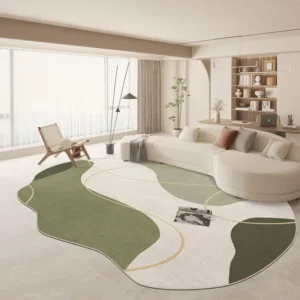 Cozy Irregular Green Plush Rug for Nordic Living Spaces
Rated 5.00 out of 5$33.00 – $204.00Price range: $33.00 through $204.00
Cozy Irregular Green Plush Rug for Nordic Living Spaces
Rated 5.00 out of 5$33.00 – $204.00Price range: $33.00 through $204.00 -
 Scandinavian Geometric Area Rugs for Stylish Home Décor
Rated 5.00 out of 5$25.00 – $366.00Price range: $25.00 through $366.00
Scandinavian Geometric Area Rugs for Stylish Home Décor
Rated 5.00 out of 5$25.00 – $366.00Price range: $25.00 through $366.00