
Crafting Cozy Charm: Mastering Rustic Living Room Atmosphere Through Thoughtful Placement

In today’s quest for comfort, crafting cozy charm in a rustic living room is more than trendy décor; it’s about creating a welcoming haven. Mastering rustic living room atmosphere through thoughtful placement unlocks the secret to warmth and character in your home. From arranging furniture to choosing textures, positioning each element can transform an ordinary space into a sanctuary where every detail feels intentional. Whether you’ve struggled to capture that inviting vibe or simply want to add timeless charm, this guide brings all you need under one roof.
Through this article, you’ll explore how to harness spatial design principles, rustic style nuances, and harmony in décor to build a living room that feels like a warm embrace after a long day. We’ll dive into key placement strategies, lighting tips, color palettes, and authentic accents—equipped with actionable advice you can apply right away.
Here’s what we’ll cover:
- Understanding rustic living room atmosphere and why cozy charm matters
- Essential furniture placement for flow and intimacy
- Layering textures and natural elements for tactile warmth
- Lighting and accessories that fortify rustic appeal
- Real-life examples and pitfalls to avoid
- Tools and resources to refine your rustic design skills
Ready to turn your living room into a rustic retreat? Let’s begin our journey toward mastering cozy charm through thoughtful placement.
Understanding Rustic Living Room Atmosphere: The Foundation of Cozy Charm
What defines rustic living room atmosphere? It’s that perfect blend of natural textures, earthy tones, and a lived-in warmth that invites you to stay a while. Rustic style is less about strict rules and more about an organic, welcoming energy created by deliberate choices in furniture placement and décor.
The Psychology Behind Cozy Charm
Humans are wired to seek comfort and connection in their surroundings. A rustic living room atmosphere taps into this deeply, using elements like wood, stone, and warm lighting to evoke feelings of security and nostalgia. Thoughtful placement enhances this effect by fostering natural interaction zones and unobstructed comfort.
Core Elements of Rustic Style
- Materials: Reclaimed wood, leather, wrought iron, natural fibers
- Colors: Earth tones—soft browns, muted greens, warm reds
- Shapes: Organic, sturdy, and simple lines
- Textures: Rough-hewn wood, linen, wool, distressed finishes
Combining these elements well begins with understanding how placement influences both aesthetics and the emotional texture of a room.
Essential Furniture Placement for Flow and Intimacy
Furniture isn’t just about filling space. Where you place your couch, chairs, and tables sets the stage for everything—from conversation flow to how inviting the room feels. Let’s break down key strategies that make a rustic living room comfortable and charming.
1. Anchor the Space with a Statement Sofa
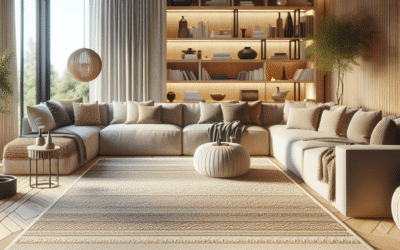
Your sofa often sets the tone. Position it centrally, ideally facing a focal point like a stone fireplace or a rustic wood mantle. For an intimate atmosphere, arrange seating in a crescent or square around this anchor to encourage easy conversations.
2. Create Layers of Seating
Adding armchairs or a cozy reading nook next to the main couch layers the room visually and practically. Small side tables and poufs enhance flexibility without clutter, promoting a lived-in, relaxed vibe.
3. Maintain Traffic Flow — The Invisible Pathway
Keep walkways clear, with a recommended 24-30 inches of space between furniture for smooth movement. Open pathways feel less boxed-in, balancing rustic coziness with practical accessibility.
4. Use Rugs to Define Zones
Large woven or jute rugs help ground furniture groups and amplify warmth. Make sure the front legs of sofas and chairs rest on the rug to unify seating arrangements.
Comparison: Centralized vs. Cornered Sofa Arrangements
| Aspect | Central Placement | Corner Placement |
|---|---|---|
| Space Utilization | Maximizes open flow, central focus | Frees open space, cozy corner vibes |
| Atmosphere | Inviting, communal | Intimate, secluded |
| Decor Flexibility | Easy to accessorize around focal points | Limited, but great for accent pieces |
Choosing between them depends on room size and desired living style. Both can achieve rustic charm if thoughtfully executed.
Layering Textures and Natural Elements for Tactile Warmth
Textures evoke emotion. In rustic living rooms, tactile variety makes spaces feel cozy and authentic. Thoughtful placement isn’t limited to furniture—consider how fabrics and surface textures relate spatially.
5 Ways to Introduce Texture
- Throw blankets: Draped casually over sofas or chairs invite touch and warmth.
- Pillows: Mix linen, burlap, and wool to add depth.
- Wood finishes: Position natural wood accents where light highlights grain.
- Stone and metal: Cluster décor pieces—like a wrought iron lantern next to a river rock bowl.
- Floor textiles: Place layered rugs—like a sheepskin atop a jute rug—to break monotony and invite barefoot comfort.
Optimizing Placement for Texture Balance
Avoid overwhelming one side of the room with rough or soft elements. Spread textures evenly to guide the eye naturally around the space, reinforcing rustic harmony.
An infographic depicting “Texture Placement Zones” could highlight how to balance soft and hard surfaces across a sample rustic living room layout.
Lighting and Accessories to Fortify Rustic Appeal
Lighting influences mood profoundly. In rustic settings, warm, soft illumination deepens cozy charm and brings out materials’ richness.
6 Key Lighting Placement Tips
- Position ambient lighting sources with dimmers for adjustable warmth.
- Use table lamps with fabric shades near seating for intimate pools of light.
- Hang wrought-iron chandeliers or vintage pendant lights above coffee tables for character.
- Incorporate candles in safe clusters—consider a rustic wood slab as a base.
- Accentuate natural light with light-filtering curtains to maintain softness.
- Place mirrors opposite windows thoughtfully to bounce light and expand the space visually.
Rustic Accessories: The Finishing Touch
Thoughtful placement extends to accessories such as:
- Handcrafted pottery: Clustered on shelves with space around each piece
- Vintage books: Stacked next to a cozy chair or in a rustic crate
- Nature-inspired art: Hung at eye-level above mantles or low walls
- Greenery: Potted plants positioned to soften corners and add life
Each item should feel intentional, positioned to complement rather than clutter.
Case Studies and Common Pitfalls to Avoid
Case Study: A Small Cabin Living Room Transformation
When a 14×16-foot cabin living room was reworked with rustic charm in mind, the owner followed these placement rules:
- Centered a distressed leather sofa facing a stone fireplace
- Added two flannel-upholstered chairs angled slightly inward to create conversation space
- Placed a natural fiber rug anchoring the seating
- Layered wood and metal accessories on open shelving
- Installed a dimmable wrought-iron chandelier for adjustable ambiance
The result was a room that felt twice as spacious and warm, with guests commenting on its inviting atmosphere.
Common Mistakes in Rustic Living Room Placement
- Overcrowding: Filling too much furniture which impedes flow and comfort
- Ignoring lighting balance: Relying solely on overhead lights can create harsh atmospheres
- Neglecting focal points: Sofa or seating facing away from key architectural elements
- Monotone textures: Using only one texture type can flatten an otherwise dynamic space
- Poor traffic planning: Ignoring common pathways leads to accidental bumps and discomfort
Avoiding these pitfalls preserves rustic charm rather than detracting from it.
Tools and Resources to Refine Your Rustic Design Skills
Recommended Software for Planning Placement
- SketchUp — Easy 3D modeling for furniture layout
- Roomstyler 3D Home Planner — User-friendly room design with rustic style templates
- Planner 5D — Drag-and-drop floor plans with texture options
Books and Blogs Worth Exploring
- The New Rustic by Kelly O’Neill — Insightful exploration of modern rustic interiors
- House Beautiful Rustic Living Room Ideas — Inspiration and practical tips
Visuals you might create include a step-by-step infographic of “Furniture Placement for Optimal Flow” or a mood board combining rustic palettes and textures.
Frequently Asked Questions
What defines a rustic living room atmosphere?
A rustic living room atmosphere combines natural materials, earth tones, and warm lighting arranged thoughtfully to create a welcoming and cozy space.
How can I improve furniture placement in a small rustic living room?
Center your largest seating around key features like a fireplace, use layered seating with chairs or poufs, and maintain clear pathways to maximize flow and intimacy.
Which textures work best together in rustic décor?
Combining rough woods, soft linens, burlap, wool, and woven natural fibers creates a diverse textural harmony that enhances rustic charm.
How do I balance lighting between natural and artificial sources?
Use sheer curtains to diffuse sunlight, add lamps with warm light bulbs near seating, and incorporate dimmable overhead lights or candles to adjust mood throughout the day.
What are common mistakes when designing a rustic living room?
Overcrowding furniture, neglecting lighting balance, ignoring focal points, and using monotone textures are common errors that undermine rustic atmosphere.
Are there specific color palettes recommended for rustic living rooms?
Earth tones like muted browns, moss greens, warm reds, and creamy neutrals best suit rustic spaces and help maintain cozy charm.
Conclusion & Next Steps
Crafting cozy charm by mastering rustic living room atmosphere through thoughtful placement is an art that blends the practical with the emotional. By anchoring furniture around key elements, balancing textures and lighting, and avoiding common layout pitfalls, you set the stage for a living room that feels like a heartfelt embrace. This approach fosters spaces where conversations linger and comfort reigns.
Start small—rearrange your sofa or add layered rugs—and notice how subtle changes impact the room’s warmth. Explore the recommended tools to visualize your idea before committing. For deeper inspiration, check out our in-depth guides on rustic fireplace design, natural materials for décor, and cozy lighting strategies.
Let thoughtful placement guide your rustic living room makeover—and enjoy the cozy charm that follows.
Content Disclaimer
Information provided here is for educational purposes only and reflects expert opinion in interior design. Individual results may vary based on your unique living space and resources.
Categories
- Accent Walls & Ceilings (84)
- Art Curation & Gallery (83)
- Bedding Style Trends (89)
- Bedroom Makeover (96)
- Bohemian & Eclectic Styles (80)
- DIY & Budget-Friendly Decor (78)
- Eco-Friendly Design (83)
- Furniture Care (87)
- Home Decor & Design Ideas (181)
- Home Wellness Spaces (103)
- Integrated Outdoor Living (91)
- Japandi Style (84)
- Kids and Nursery Decor (73)
- Living Room Decor (99)
- Mix & Match Techniques (95)
- Modern & Contemporary Design (88)
- Rug Sizing & Placement (89)
- Scandinavian Design Inspiration (51)
- Seasonal Home Decor (100)
- Small Space Solutions (93)
- Wall Art & Painting Tips (94)
Recent Comments
Archives
Product Gallery
-
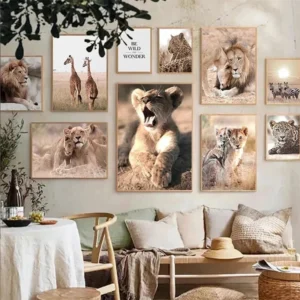 Majestic African Wildlife Canvas Art for Stylish Home Decor
Rated 5.00 out of 5
Majestic African Wildlife Canvas Art for Stylish Home Decor
Rated 5.00 out of 5 -
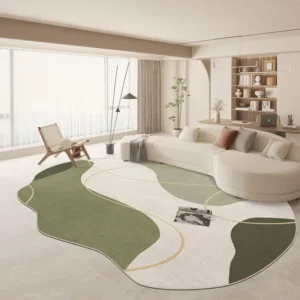 Cozy Irregular Green Plush Rug for Nordic Living Spaces
Rated 5.00 out of 5$44.23 – $278.89Price range: $44.23 through $278.89
Cozy Irregular Green Plush Rug for Nordic Living Spaces
Rated 5.00 out of 5$44.23 – $278.89Price range: $44.23 through $278.89 -
 Scandinavian Geometric Area Rugs for Stylish Home Décor
Rated 5.00 out of 5$33.15 – $502.10Price range: $33.15 through $502.10
Scandinavian Geometric Area Rugs for Stylish Home Décor
Rated 5.00 out of 5$33.15 – $502.10Price range: $33.15 through $502.10