


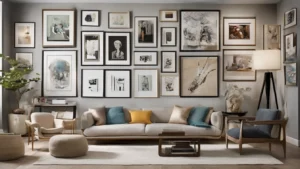




Curate Connection: How to Choose Art That Fosters Dialogue

Have you ever encountered a piece of art that instantly captivated you, not just with its beauty, but with its power to provoke thought, stir emotion, and spark conversation? That’s the magic of art that fosters dialogue. It transcends mere decoration, transforming spaces into vibrant hubs of connection and intellectual exchange. Yet, for many, the idea of curating such a collection feels daunting. How do you move beyond simply picking what ‘looks nice’ to selecting pieces that genuinely resonate and engage?
This comprehensive guide will demystify the art of choosing art that fosters dialogue, providing you with a strategic framework and practical insights. We’ll explore how to identify art that speaks volumes before a single word is uttered, understand the psychology behind engaging aesthetics, and integrate these pieces seamlessly into your environment. From personal collections to public installations, learning to curate connection through art is an invaluable skill. You’ll discover actionable strategies to select artworks that not only enhance aesthetic appeal but also serve as catalysts for meaningful interactions, deepening understanding, and enriching every encounter.
By the end of this journey, you’ll be equipped to confidently choose art that fosters dialogue, turning any space into a dynamic arena where ideas clash, perspectives broaden, and genuine human connection flourishes. Get ready to transform your approach to art acquisition and make every piece a conversation starter.
The Power of Art as a Conversational Catalyst
Art has an unparalleled ability to communicate complex ideas, emotions, and narratives without relying on spoken language. When we talk about how to choose art that fosters dialogue, we’re tapping into this inherent power. Think about it: a well-placed sculpture or an evocative painting can halt a hurried glance, prompting a deeper look, a question, or a shared comment with a companion. This isn’t just about aesthetics; it’s about the innate human desire to interpret, understand, and connect with shared experiences.
Why is dialogue so crucial in our modern world? In an age of digital distraction and fleeting interactions, authentic conversations are becoming a rare commodity. Art can bridge this gap. It provides a common ground—a visual anchor around which diverse perspectives can converge. A piece depicting a social issue, for instance, can gently nudge viewers into contemplating different viewpoints, fostering empathy and critical thinking. Conversely, an abstract work can invite a multitude of interpretations, offering a playground for individual imagination and collective discussion. The right artwork acts as an invitation, a subtle prompt that says, “Let’s talk about this.” It’s less about declaring a statement and more about initiating an exploration.
Beyond Decoration: Art That Tells a Story
Many people view art primarily as a decorative element, a beautiful accessory for a room. While its aesthetic function is undeniable, true art that fosters dialogue goes far beyond mere adornment. It tells a story, evokes an emotion, or challenges a preconceived notion. Consider the difference between a mass-produced floral print and a unique photograph capturing a pivotal moment in history. Both might be visually appealing, but only one is likely to generate active engagement and prolonged reflection.
To choose art that fosters dialogue, we need to shift our perspective from passive appreciation to active engagement. This means looking for pieces that:
- Provoke thought: They raise questions, present dilemmas, or offer new ways of seeing the world.
- Evoke strong emotions: Whether joy, sadness, wonder, or concern, emotional resonance is a powerful conversation starter.
- Challenge norms: Art that defies expectations or questions status quo can ignite passionate discussions.
- Reference cultural or historical contexts: Pieces deeply embedded in a specific narrative invite viewers to learn and explore.
- Are open to multiple interpretations: Ambiguity can be a powerful tool for dialogue, as people discuss what they “see” or “feel.”
When selecting art for your home, office, or public venue, ask yourself: “Does this piece have something to say? Does it invite me, and others, to listen and respond?” The goal is to move past passive observation and into active discourse.
The Psychology of Engagement: How Art Impacts Interaction
The impact of art on human interaction is not merely anecdotal; it’s rooted in psychological principles. Our brains are hardwired to seek meaning, recognize patterns, and respond to novelty. Art leverages these inherent tendencies to stimulate engagement.
A study published by the University of London’s Arts and Humanities Research Council revealed that looking at art for just a few minutes can lead to a 10% increase in critical thinking skills and observation. When viewers encounter art, especially visually complex or conceptually rich pieces, their brains engage in a process of decoding and interpretation. This cognitive effort is often shared or expressed verbally, leading to conversation.
Neuroscience suggests that viewing art activates brain regions associated with pleasure, introspection, and empathy. For instance, abstract art has been shown to ignite the brain’s default mode network, which is linked to self-reflection and imagination. When people engage these brain regions simultaneously, they often feel a deeper connection to the artwork and, by extension, to those experiencing it alongside them. Understanding this psychological underpinning helps us to choose art that fosters dialogue more effectively, aiming for pieces that stimulate not just the eyes, but the mind and heart.
Consider the role of narrative. Humans are storytellers by nature. Art provides visual narratives that we can interpret, relate to, and discuss. A powerful portrait, for example, can invite speculation about the subject’s life, feelings, and societal role, prompting viewers to share their own experiences and perspectives on identity or human emotion. This shared journey of interpretation is precisely what makes art such an effective catalyst for connection and vibrant dialogue.
Defining Your Dialogue: Understanding Intent and Audience
Before you begin the exciting journey to choose art that fosters dialogue, it’s critical to pause and define your intent. What kind of conversations do you want to inspire? Who is your audience, and what subjects are likely to resonate with them? Answering these questions provides a compass for your curation efforts, ensuring your selections are purposeful and impactful.
Without a clear intention, even the most striking artworks might fall flat in their conversational potential. For example, art intended to spark political discussion in a university setting will differ significantly from art designed to encourage introspection and personal sharing in a wellness retreat. Both curate connection, but through different lenses. Understanding these nuances is the first strategic step in effective art selection.
Identifying Your Purpose: What Kind of Conversations Do You Want to Spark?
The first step in curating is to define the purpose behind your art selection. Are you aiming to provoke thought, inspire creativity, console, or challenge? Different thematic directions will naturally lead to different types of dialogue. Here are a few common intentions and the types of conversations they might generate:
- Social Commentary: Art addressing social justice, environmental issues, or humanitarian concerns often sparks discourse around ethics, responsibility, and collective action. Think of a powerful photo series documenting climate change or a sculpture addressing racial inequality.
- Cultural Exploration: Pieces rich in cultural symbolism, historical context, or diverse perspectives can open conversations about global heritage, cultural differences, and shared humanity. An ancient artifact or a contemporary piece blending traditions can be highly effective.
- Personal Reflection & Emotion: Abstract art, self-portraits, or pieces exploring themes like grief, joy, or resilience can invite introspection and sharing of personal experiences. These conversations are often more intimate and empathetic.
- Innovation & Technology: Art that incorporates new media, artificial intelligence, or scientific concepts can prompt discussions about the future, ethics of technology, and the evolution of human expression.
- Humor & Whimsy: Sometimes the most unexpected conversations come from art that is simply playful or absurd. It can break down barriers and create a sense of shared delight and curiosity.
Ask yourself: “What narrative thread connects my overall goals with the potential impact of the art?” The clearer your purpose, the more effectively you can choose art that fosters dialogue that aligns with your vision.
Knowing Your Audience: Tailoring Art to Viewer Engagement
Just as a speaker tailors their message to their audience, you should tailor your art selections. Who will be viewing these pieces? Their background, demographic, interests, and even their emotional state can significantly influence how they perceive and engage with art that fosters dialogue.
Consider these audience factors:
- Demographics (Age, background, cultural heritage): A younger, tech-savvy audience might appreciate digital art or pieces with interactive elements, while a more traditional audience might prefer classical forms. A diverse audience benefits from art that reflects multiple cultural perspectives.
- Setting (Home, office, public space, gallery): The environment dictates the context. Art in a corporate lobby might aim for inspiration and sophisticated intellectual discourse, whereas art in a community center might prioritize accessibility and broad appeal.
- Existing knowledge & interests: If your audience has a particular passion (e.g., environmentalism, history, local culture), art that subtly or overtly touches upon these themes will likely generate more enthusiastic engagement.
- Emotional comfort levels: Some audiences are ready for provocative or challenging art, while others prefer pieces that evoke comfort, beauty, or wonder. Pushing boundaries too far can shut down dialogue instead of opening it.
It’s about finding the sweet spot where the art challenges without alienating, inspires without instructing, and genuinely invites participation. Engaging with your audience requires empathy. Try to step into their shoes and imagine how they might react to different pieces. The most successful art that fosters dialogue doesn’t just speak; it also listens to its intended viewers. This strategic empathy helps you curate connection effectively.
Case Study: Art Initiatives Fostering Community Dialogue
Let’s look at real-world examples where strategic art choices have successfully sparked dialogue and connection within communities.
The BeltLine Art Program in Atlanta, Georgia
The Atlanta BeltLine is a network of multi-use trails developed along former railway corridors, connecting diverse neighborhoods. Its robust public Art on the Atlanta BeltLine program is a prime example of how to choose art that fosters dialogue on a grand scale. The program commissions temporary and permanent installations, performances, and experiences from local and international artists. The art is diverse in medium, theme, and style, reflecting the varied communities it traverses.
- Intent: To activate public spaces, celebrate local culture, spark conversations about urban development, community, and identity.
- Audience: Residents, tourists, families, runners, cyclists—a truly broad cross-section of the public.
- Dialogue Generated: Walking along the BeltLine, you hear people discussing the meaning of a mural, the craftsmanship of a sculpture, or the message behind an installation. Specific pieces have directly addressed topics like gentrification, the city’s history, environmental impact, and social unity, leading to community meetings, online discussions, and local news coverage. Its temporary nature also fosters ongoing dialogue about new additions and community favorites.
The “Inside Out” Project by JR
Founded by French artist JR, the Inside Out Project is a global participatory art project that allows people to turn their identity, cause, or community into art. Participants submit portraits, which are then printed as large-scale posters and wheat-pasted in public spaces. The project has reached over 200,000 people in 129 countries
- Intent: To give individuals a voice, highlight untold stories, and spark conversations about identity, community, and human diversity.
- Audience: Global communities; individuals who participate and those who encounter the installations.
- Dialogue Generated: The sheer scale and personal nature of the portraits immediately invite questions: “Who are these people? What are their stories? Why are they here?” These giant faces plastered on buildings, sidewalks, and walls compel passersby to stop, look, and often, discuss. In many instances, the projects have focused on specific local issues, like migrant rights, women’s empowerment, or environmental concerns, generating highly localized and impactful conversations that lead to direct community action and support.
These examples illustrate that when art is intentionally chosen and placed with an understanding of its audience and context, its capacity to foster dialogue is immense and transformative.
Selecting Art That Stops, Engages, and Invites Conversation
The core challenge in learning how to choose art that fosters dialogue lies in identifying pieces with that elusive ‘spark.’ What makes one artwork a conversation stopper and another merely a background detail? It’s often a combination of artistic merit, conceptual depth, and strategic presentation. This section explores the tangible attributes and considerations that elevate art from being passively viewed to actively discussed.
This isn’t about finding the ‘perfect’ piece, but rather the ‘perfectly provoking’ one. It involves looking beyond immediate aesthetic appeal to understand the layers of meaning, the techniques used, and the story the artist intends to tell – or invites the viewer to create.
Characteristics of Conversation-Starting Art
When you’re actively trying to choose art that fosters dialogue, look for these specific characteristics:
- Ambiguity and Open-Endedness: Art that doesn’t provide all the answers upfront is highly effective. If a piece requires interpretation, people will naturally want to discuss their perceptions. Abstract art often excels here, as do surrealist or symbolic works.
- Narrative Strength: Does the artwork hint at a story? Portraits with intriguing expressions, historical scenes, or allegorical works invite viewers to piece together a narrative, speculate on outcomes, and discuss the represented events.
- Emotional Resonance: Art that evokes strong feelings—whether joy, sorrow, anger, wonder, or unease—is hard to ignore. When an artwork strikes an emotional chord, people often share their reactions and discuss why they feel that way.
- Unexpected Elements or Juxtaposition: Placing familiar objects in unfamiliar contexts, using unusual mediums, or combining disparate elements can create surprise and intrigue, prompting “what is that?” or “why is it like that?” questions.
- Thought-Provoking Themes: Art that touches on universal human experiences (love, loss, identity), societal issues (inequality, technology’s impact), or philosophical questions (existence, purpose) are natural conversation starters because they tap into deeper human concerns.
- Technical Mastery & Unique Style: Sometimes, the sheer skill or distinctive style of an artist is enough to spark admiration and discussion. People will marvel at the technique, the intricate details, or the innovative approach.
- Interaction: Interactive art, where the viewer is invited to touch, move, or otherwise participate, guarantees dialogue. Even non-interactive art can *feel* interactive if it draws viewers in deeply.
These characteristics aren’t mutually exclusive; often, the most powerful pieces embody several of them, creating a rich tapestry for discussion. When you recognize these traits, you’re better positioned to curate connection that lasts.
Evaluating Artworks: A Practical Checklist
To systematically evaluate potential artworks, use this practical checklist to help you choose art that fosters dialogue:
- What is your immediate emotional response? (Curiosity, discomfort, joy, confusion?) Strong initial reactions are good indicators.
- Does it raise questions? What are they? (What is happening? Why did the artist choose this? What does it mean?)
- Is there ambiguity? Are multiple interpretations possible? (Yes/No – Lean towards ‘yes’ for dialogue.)
- Does it touch on a theme relevant to your audience or purpose? (Social issue, personal experience, cultural narrative?)
- How does it make you *feel*? (Empathy, anger, wonder, calm?) Identify the dominant emotion.
- What is the artist’s background or intention (if known)? (Knowing the artist’s story can add layers to the conversation.)
- Does its style or medium stand out? (Is it unique, innovative, or masterfully executed?)
- How will it interact with its intended environment? (Will it be too overwhelming, too subtle, just right?)
- Could it offend or alienate your target audience without purpose? (Provocation is good, unnecessary offense that shuts down dialogue is not.)
- Does it offer a fresh perspective on a familiar topic, or shed light on an unfamiliar one?
Using this checklist helps move beyond subjective “I like it” to a more objective assessment of a piece’s potential to generate meaningful conversations. It’s a structured approach to how to choose art that fosters dialogue effectively.
The Role of Context: Where and How Art is Displayed
Even the most provocative artwork can be overlooked if its context isn’t considered. How and where art is displayed significantly influences its ability to foster dialogue. The environment itself becomes part of the narrative.
Placement & Proximity:
- High-traffic areas: Placing conversation-starting art in common spaces (living rooms, waiting areas, hallways, break rooms) naturally increases its visibility and the likelihood of interaction.
- Eye-level: Position art at a comfortable viewing height. Too high or too low, and it becomes less accessible.
- Adequate space: Give the artwork room to ‘breathe.’ Crowding pieces diminishes individual impact.
Lighting:
- Spotlighting: Direct lighting can highlight details, textures, and colors, drawing the eye and encouraging closer inspection.
- Natural light: Consider how natural light changes throughout the day, altering the artwork’s appearance and potentially revealing new facets.
Accompanying Information:
While art should speak for itself, a little context can significantly deepen dialogue:
- Artist statement: A brief quote from the artist about their inspiration or process can be a powerful entry point for discussion.
- Title & Date: Simple factual information provides anchors for interpretation.
- Brief thematic prompts: For public installations, a small plaque with a question like, “What does this piece say about community?” can directly prompt conversation.
Comparison: Solo vs. Curated Groupings
| Aspect | Solo Statement Piece | Curated Grouping (Art Clusters) |
|---|---|---|
| Impact | Singular, powerful focal point. Can be deeply contemplative. | Creates a dynamic narrative, encourages comparison and contrast. |
| Dialogue Type | Focused on one narrative/artist. “What do YOU think this means?” | “How do these pieces relate? What’s the common thread? What story does the collection tell?” |
| Risk | If chosen poorly, can be easily overlooked. | Can become chaotic if not thoughtfully curated. |
| Best For | High-impact statements in smaller spaces; a very specific message. | Larger walls, themed exhibitions, or spaces where diverse ideas are welcomed. |
The intentional framing and presentation of art can elevate its conversational potential from passive viewing to active, engaging interaction. This understanding is key to truly choose art that fosters dialogue.
Where to Discover Art That Fosters Dialogue
Now that you understand *what* to look for, the next crucial step in learning how to choose art that fosters dialogue is knowing *where* to find it. The art world is vast and varied, offering countless avenues for discovery. Moving beyond mass-produced prints requires a bit of exploration, but the rewards are unique, meaningful pieces that truly elevate a space and its conversations.
This section will guide you through the most fruitful sources for finding art with genuine conversational potential, catering to various budgets and preferences. You don’t need to be an art connoisseur to find compelling work; you just need to know where to look and how to engage with the art community.
Galleries, Art Fairs, and Exhibitions: Direct Engagement
These traditional venues remain some of the best places to discover art that fosters dialogue because they offer direct engagement with the artwork and often, the artists themselves.
- Commercial Art Galleries:
- Pros: Curated selections, expert advice from gallerists, opportunities to meet artists, often represent established and emerging talent. You can see art in person, understand its scale, texture, and true colors.
- Cons: Can be intimidating for newcomers, prices may be higher.
- Strategy: Start with local galleries. Don’t be afraid to ask questions about the artist’s intent or the piece’s background. Many galleries focus on specific movements or themes, making it easier to narrow your search if you have a particular dialogue in mind. Look for exhibition openings – these are great networking opportunities and chances to hear artists speak about their work.
- Art Fairs:
- Pros: A concentrated hub of many galleries and artists under one roof, offering a diverse array of styles and price points. Excellent for seeing trends and discovering new artists quickly.
- Cons: Can be overwhelming due to sheer volume, hard to give individual pieces extended contemplation.
- Strategy: Research fairs beforehand (e.g., Frieze, Art Basel for major, affordable art fairs for entry-level) and identify galleries or artists of interest. Wear comfortable shoes and plan to spend an entire day. Be open to serendipitous discoveries.
- Museums and Public Exhibitions:
- Pros: High-quality, often historically or culturally significant works. Inspiring environment for understanding art’s broader context and impact.
- Cons: Art typically not for sale (unless in gift shop).
- Strategy: Use museums as a learning ground. Observe which pieces naturally draw crowds or spark whispered conversations. This helps train your eye for what resonates with a general public. Many museums have contemporary wings that showcase art directly addressing current dialogues.
Engaging directly with art in these settings allows you to experience its full presence, offering a visceral understanding that online viewing simply cannot replicate. It’s an essential part of learning how to choose art that fosters dialogue effectively.
Online Platforms and Social Media: Digital Discovery
The digital age has democratized art discovery, making it easier than ever to find unique pieces and directly connect with artists, making it a powerful resource to find art that fosters dialogue.
- Online Art Marketplaces:
- Examples: Artsy, Saatchi Art, Artfinder, Singulart, Vango.
- Pros: Vast selection, global reach, often more accessible price points than traditional galleries, detailed filtering options (style, medium, price). Can purchase directly from artists or galleries.
- Cons: Lack of in-person viewing, reliance on high-quality images, shipping considerations.
- Strategy: Filter by theme (e.g., “social justice art,” “narrative painting”), medium, or even specific colors/styles if you have an aesthetic in mind. Read artist bios and statements carefully to understand the dialogue they aim to create. Request additional photos or even video calls with artists if you’re serious about a piece.
- Artist Websites and Blogs:
- Pros: Direct insight into an artist’s body of work, philosophy, and inspirations. Often offers pieces not yet in galleries, and supports artists directly.
- Cons: Requires more proactive searching, quality can vary.
- Strategy: If you find an artist you like online, seek out their personal website. Sign up for newsletters to stay updated on new works and exhibitions.
- Social Media (Instagram, Pinterest):
- Pros: Visual discovery engine, direct messaging with artists, build communities and follow trends. Many emerging artists use it as their primary portfolio.
- Cons: Overwhelming volume of content, difficult to verify authenticity or quality, can be easy to lose context.
- Strategy: Follow art curators, galleries, art critics, and specific hashtags (#fineart, #contemporaryart, #artforsale, #artcollector, #artistsoninstagram, #dialogueart). ENGAGE with artists whose work resonates. Often, a compelling social media presence indicates an artist who understands how to communicate their work’s narrative.
While online resources are invaluable, try to combine them with in-person experiences when possible. Seeing a piece online can capture its essence, but an in-person viewing often reveals nuances of texture, scale, and color that are vital for truly understanding its potential for dialogue.
Emerging Artists and Local Talent: Nurturing New Voices
Sometimes, the freshest and most provocative art that fosters dialogue comes from emerging artists and local talent. These artists are often exploring new themes, pushing boundaries, and
are actively seeking to make their voices heard.
- Art Schools & University Exhibitions:
- Pros: Early access to innovative ideas and fresh perspectives. Often very affordable, as students are building their portfolios. Direct connection with the artists.
- Cons: Quality can be inconsistent.
- Strategy: Attend end-of-year shows, MFA exhibitions, and student critiques. These are hotbeds of raw talent and often art that directly challenges conventional thinking. You might discover the next big thing!
- Local Artist Studios & Open Houses:
- Pros: Intimate glimpse into the artist’s creative process, direct conversations, opportunity to purchase directly without gallery markups. Supports local creative economies.
- Cons: Requires local searching and may have limited hours.
- Strategy: Check local community calendars, arts council websites, or cultural event listings for studio tours or open house events. Prepare questions about their inspiration and techniques. Find artists who are tackling local issues or exploring universal themes through a unique regional lens.
- Community Art Centers & Non-Profit Spaces:
- Pros: Often focus on community-engaged art, social practice, or underrepresented artists. Can be very accessible and foster dialogue relevant to local issues.
- Cons: May not have a commercial focus, art for sale might be limited.
- Strategy: These spaces frequently host exhibitions focused on specific themes (e.g., environmental awareness, local history, social justice). The art displayed here is almost guaranteed to be selected with the intent to foster dialogue within the community.
Investing in emerging artists is not only a fantastic way to acquire unique art that fosters dialogue, but it also provides crucial support to developing careers. You’re not just buying a piece of art; you’re often investing in a burgeoning narrative and a future conversation.
Integrating Art: Placement and Presentation for Maximum Impact
Once you’ve made your selections, the next critical step in how to choose art that fosters dialogue is its integration into your space. The most compelling artwork can lose much of its power if poorly placed or inadequately presented. This section focuses on the strategic aspects of display, ensuring your chosen pieces can truly bloom as catalysts for conversation.
It’s not just about hanging a picture; it’s about creating an experience. Thoughtful placement, effective lighting, and even the surrounding decor can amplify an artwork’s message, encouraging viewers to pause, reflect, and share their thoughts. We’ll explore how to orchestrate these elements to build a space that genuinely curates connection.
Strategic Placement: Making Your Art Unavoidable (in a good way)
Placement is paramount for art that intends to spark dialogue. It needs to be noticed, but not in a way that feels forced or overwhelming.
Focal Points:
Identify natural focal points in a room – above a fireplace, at the end of a long hallway, or opposite a main entrance. These are prime locations for your most conversation-provoking pieces. A strong piece here draws the eye and anchors the space.
Traffic Flow & Viewing Distance:
- Pathways: Place art along pathways where people naturally move. This provides opportunity for passing glances and eventual pauses.
- Seating Areas: In areas where people convene (living rooms, lounges), position art where it can be comfortably viewed from different seating positions. This encourages longer contemplation and shared discussion.
- Optimal Distance: Consider the size of the artwork. Generally, for a medium-sized painting, a viewer needs 3-5 feet of distance to appreciate it fully. Ensure there’s space for people to step back.
Unexpected Locations:
Sometimes, placing art in an unconventional spot can amplify its conversational impact. A small, powerful piece in a powder room, a striking installation in a well-lit stairwell, or a collection in a dining area can generate surprise and specific types of intimate dialogue. The unexpectedness itself becomes a talking point.
Rule of Thumb: Art that fosters dialogue should be positioned where people have the opportunity to pause without feeling rushed. It’s about creating an open invitation rather than a command.
Lighting & Context: Enhancing the Narrative
Proper lighting is not just about aesthetics; it’s about revealing detail, setting mood, and guiding the viewer’s eye, all crucial for how to choose art that fosters dialogue.
- Directional Lighting: Use track lighting or picture lights to illuminate specific artworks. This highlights textures, colors, and draws attention to intricate details that might otherwise be missed. A single spotlight on a dramatic piece can create a theatrical effect, almost demanding attention.
- Natural Light: Be mindful of natural light sources. While bright, indirect natural light can be beautiful, direct sunlight can fade artwork over time and cause glare that obscures viewing.
- Layered Lighting: Combine ambient lighting (general room light), task lighting (for reading), and accent lighting (for art) to create a dynamic and inviting atmosphere. This allows the art to shine without being harshly illuminated.
Contextual Pairing: Consider how the artwork interacts with its surroundings. Does a minimalist piece placed in a bustling, maximalist room create an interesting tension? Does a vintage piece in a modern setting spark discussions about time and style? The contrast or harmony between art and environment can significantly deepen the dialogue it elicits.
For example, a piece of industrial art placed in a cozy, traditionally decorated home can spark conversations about material, function, and aesthetics, while its placement in a modern, stark office might be less surprising and thus less potent as a dialogue starter. The context adds another layer to the narrative that art that fosters dialogue should have.
Curating Story-Driven Collections for Deeper Engagement
Instead of thinking of individual pieces, consider building collections around a theme or narrative. This approach enhances the overall impact and creates a richer environment for ongoing dialogue.
Developing Thematic Groupings:
Group pieces that share a common thread – a specific color palette, a historical period, an artist’s technique, a social issue, or an abstract concept. This allows viewers to see connections and contrasts, leading to more profound conversations. For instance, a wall dedicated to local landscapes from different artists invites discussion about perspective, changing environments, and artistic interpretation of a shared subject.
Telling a Story with Multiple Pieces:
Arrange artworks to tell a story or explore a concept progressively. This could be a series by the same artist, or different artists tackling aspects of the same theme. For example, a series of portraits depicting different generations can spark conversations about aging, identity, and societal shifts. This is a powerful way to choose art that fosters dialogue over time.
Incorporating Mixed Media & Objects:
Don’t limit yourself to paintings or prints. Integrate sculptures, textiles, photography, or even meaningful personal objects that relate to your chosen art pieces. This rich tapestry provides more entry points for discussion and adds depth to the collected narrative.
Case in point: The “Cabinet of Curiosities” approach. While not always viable for every modern space, the historical concept of a “cabinet of curiosities” (Wunderkammer) is brilliant for fostering dialogue. These were rooms designed to display diverse collections—art, natural objects, scientific instruments—in a way that invited wonder, study, and conversation about the interconnectedness of knowledge and beauty. Modern interpretations can apply this mindset to a wall or a display shelf, curating objects that relate, question, or comment on each other, prompting guests to explore the connections. This approach exemplifies how to curate connection through intentional display.
The Impact of Art in Specific Settings
The environment profoundly shapes how we experience and interact with art. Understanding this dynamic is crucial when you choose art that fosters dialogue. A piece that ignites lively debate in a public square might inspire quiet contemplation in a private office. This section explores how to optimize art selection and placement for various settings, ensuring your curated pieces resonate with their specific context and audience.
From the intimate corners of a home to the expansive spaces of corporate lobbies, each setting presents unique opportunities and challenges for art to foster dialogue. The goal remains consistent: to curate connection, but the method adapts to the specific needs and intentions of the space.
Art in the Home: Personal Reflection & Intimate Conversations
For many, home is the primary space for art. Here, art that fosters dialogue contributes to personal well-being and enriches relationships. The aim is often to create a nurturing yet stimulating environment.
- Living Spaces: These are ideal for conversation starters. A large, compelling piece above a sofa or on a prominent wall can be the anchor of a room, naturally drawing comments from guests. Consider art that reflects family values, shared travels, or diverse cultural perspectives.
- Dining Areas: Art in dining rooms can provide a shared topic during meals. Pieces that are thought-provoking but not overly distracting are best. Abstract works that invite individual interpretation can be particularly effective.
- Private Spaces (Bedrooms, Offices): In personal retreats, art can foster introspection. Choose pieces that evoke calm, inspire creativity, or celebrate personal milestones. While these might not spark external dialogue as often, they nurture an internal one, which is just as vital.
The key for home settings is to choose art that resonates deeply with the inhabitants. It should reflect their personalities, experiences, and aspirations, creating a springboard for shared stories and intimate discussions among family and friends. This intentionality helps curate connection on a personal level.
Commercial & Public Spaces: Driving Engagement & Brand Narrative
In commercial and public environments, art that fosters dialogue takes on a powerful, strategic role. It can enhance brand identity, improve user experience, and even contribute to social good.
- Corporate Offices & Lobbies: Art can convey company values, foster employee morale, and make a strong first impression on clients.
- Dialogue Focus: Innovation, collaboration, sustainability, global perspective, or industry-specific themes. Art can be commissioned to reflect company history or mission.
- Impact: A striking sculpture in a lobby can break the ice for a meeting. Thought-provoking pieces in common areas can encourage water-cooler conversations that extend beyond work tasks.
- Example: Many tech companies display abstract art that symbolizes innovation or dynamic change, subtly reinforcing their brand message.
- Hospitality (Hotels, Restaurants, Cafes): Art elevates the guest experience, contributing to the ambiance and creating memorable interactions.
- Dialogue Focus: Local culture, sensory experience (food, travel), fantasy, escapism.
- Impact: Unique, locally sourced art can prompt guests to ask about the region’s artists or history. A whimsical piece in a cafe can invite lighthearted comments and shared smiles.
- Healthcare Settings: Art has a proven therapeutic effect, reducing stress and providing positive distraction.
- Dialogue Focus: Nature, calm, hope, resilience, community.
- Impact: Art that evokes serenity can help patients and visitors feel more at ease, potentially leading to conversations about comfort and shared human experience. This is delicate as you must choose art that fosters dialogue that is calming rather than provocative.
- Public Squares & Institutions: Art here serves a civic function, making statements about shared values, history, or future aspirations.
- Dialogue Focus: Social justice, historical commemoration, environmental awareness, community identity.
- Impact: Public art often becomes a landmark, a meeting point, and a subject for ongoing civic debate and discussion. Murals addressing local issues, for example, can become central to community activism.
In these settings, the art curation strategy must align with the institution’s mission and the public’s likely expectations. Successful public art often involves community input, ensuring that the dialogue generated is relevant and inclusive. This demonstrates a sophisticated approach to how to choose art that fosters dialogue outside of personal taste.
Educational Institutions: Inspiring Curiosity & Critical Thinking
Art in schools and universities plays a vital role in fostering intellectual curiosity, critical thinking, and open dialogue among students and faculty.
- Museums & University Galleries: Often host exhibitions that directly address academic themes, contemporary issues, or historical movements, providing a direct connection to curriculum.
- Classrooms & Hallways: Displaying diverse art can expose students to different cultures, perspectives, and artistic expressions.
- Dialogue Focus: Cultural diversity, historical events, scientific concepts (e.g., art inspired by biology or physics), philosophical questions.
- Impact: Art can be integrated into lesson plans, serving as prompts for essays, debates, or creative projects. It encourages students to ask “why” and “how” and to articulate their interpretations.
The goal in educational settings is to use art as a pedagogical tool. By carefully selecting pieces that align with learning objectives and foster intellectual exploration, institutions can significantly enhance the academic experience, creating an environment where art that fosters dialogue is a natural part of daily life. This is where art truly becomes an active participant in learning and growth.
Navigating Challenges & Ethical Considerations in Art Selection
Even with the best intentions to choose art that fosters dialogue, the journey isn’t without its complexities. Selecting art that resonates deeply while remaining respectful and inclusive requires careful navigation. This section addresses potential pitfalls and outlines ethical considerations, ensuring your art choices not only spark conversation but do so responsibly and thoughtfully.
The power of art to provoke comes with the responsibility to understand its potential impact. While challenging perspectives is often a goal, causing harm or alienating specific groups can undermine the very dialogue you aim to create. Therefore, a conscious approach to ethics and sensitivity is paramount when learning how to curate connection effectively.
Avoiding Alienation: When Dialogue Takes a Wrong Turn
While art should provoke thought, it’s a fine line between thought-provoking and unnecessarily alienating. When learning how to choose art that fosters dialogue, you must consider the potential for misinterpretation or offense. Art intended to spark conversation can sometimes shut it down if viewers feel attacked, misunderstood, or excluded.
Potential Pitfalls:
- Unintended Offense: What one person finds humorous or satirical, another might find deeply offensive or disrespectful to their culture, religion, or personal experience.
- Excluding Voices: Art that heavily favors one perspective without acknowledging others can make certain groups feel unheard or unvalued, discouraging their participation in dialogue.
- Lack of Context: Without proper contextual information, a piece intended to challenge a stereotype might inadvertently reinforce it, especially for audiences unfamiliar with the artist’s background or the specific cultural commentary.
- “Edgy for the sake of edgy”: Art that prioritizes shock value over genuine conceptual depth rarely leads to meaningful, sustained dialogue. It might grab attention briefly, but quickly loses its conversational power.
Mitigation Strategies:
- Pre-screening: If the art is for a public or semi-public space, consider a small, diverse focus group to gauge reactions before display.
- Provide Context: Always offer artist statements or explanatory text that clarifies intent and background, especially for potentially controversial pieces.
- Empathy & Research: Before acquiring art, especially from cultures or experiences different from your own, research its potential interpretations and cultural sensitivities.
- Opt for Nuance: Dialogue-generating art often thrives on nuance and complexity, allowing for various entry points and sophisticated discussion, rather than blunt statements.
The goal is to invite constructive conversation, even around difficult topics, not to create an environment of discomfort or hostility. This balance is central to how to choose art that fosters dialogue responsibly.
Authenticity vs. Trend-Following: Curating True Resonance
The art world, like any other, has its trends. While staying current can be part of a vibrant collection, chasing trends blindly can lead to art that lacks lasting impact and genuine dialogue potential.
- The Problem with Trends: Trend-driven art might initially grab attention, but if it lacks authentic conceptual depth or personal connection for the curator, its conversational shelf-life will be short. It becomes quickly dated, and its ability to provoke genuine discussion wanes.
- Prioritizing Authenticity: When you choose art that fosters dialogue, prioritize pieces that genuinely resonate with you and your defined purpose, even if they aren’t currently “in vogue.” Authenticity breeds originality and often deeper, more enduring engagement.
- Artist’s Voice: Look for artists with a distinct, authentic voice. Their genuine passion and unique perspective are powerful drivers of meaningful dialogue. Support artists who are pursuing their vision rather than simply creating what they think will sell.
True resonance comes from genuine connection, not fleeting popularity. Art that sparks dialogue often does so because it speaks from an honest place, inviting an equally honest response from the viewer. Focusing on authenticity ensures that the art you select will continue to inspire and provoke long after the latest trend has faded.
Long-Term Care & Value Preservation: Beyond the Initial Purchase
Choosing art that fosters dialogue also involves thinking beyond the initial purchase, considering its longevity, physical care, and the enduring value it holds—both monetarily and conversationally.
- Conservation and Care:
- Environmental Control: Maintain stable temperature and humidity (ideally 68-72°F and 45-55% relative humidity) to prevent damage to paintings, photographs, and delicate sculptures.
- Light Exposure: Protect artwork from direct sunlight and harsh UV light, which can cause fading. Use UV-filtering glass for framed pieces.
- Handling: Always handle artwork with clean hands or gloves. Avoid touching surfaces directly.
- Professional Help: For valuable or fragile pieces, consult with professional art handlers, framers, and conservators.
- Documentation:
- Maintain a detailed inventory of your collection, including artist name, title, date, medium, dimensions, acquisition date, price, and provenance (history of ownership).
- Keep artist statements, gallery receipts, and any press related to the artwork. This information not only adds to the artwork’s value but also enriches its conversational potential, providing deeper context for viewers.
- Appreciation & Re-evaluation:
- Understand that art’s monetary and conversational value can evolve. As artists gain recognition, their work’s market value may increase.
- Periodically re-evaluate how pieces in your collection are performing in terms of dialogue generation. Do they still captivate? Have new additions changed the conversational dynamics?
By investing in the proper care and documentation of your art, you not only preserve its physical integrity but also its narrative potential. A well-maintained and documented collection offers future generations richer insights and continued opportunities to choose art that fosters dialogue over time, ensuring its legacy endures.
Conclusion: Mastering the Art of Connection Through Curation
In a world increasingly seeking genuine connection and meaningful engagement, mastering how to choose art that fosters dialogue stands as a powerful, often underestimated skill. We’ve journeyed through the intricacies of art selection, from understanding its psychological impact to strategic placement and ethical considerations. The essence lies not merely in acquiring beautiful objects, but in transforming spaces and interactions through visual catalysts that invite thought, emotion, and shared experience.
Remember, the goal is to curate connection. This involves intentional selection of pieces that resonate with a defined purpose and an understood audience. It’s about recognizing art’s capacity to tell stories, evoke feelings, and challenge perspectives. Whether for a personal collection, a corporate environment, or a public institution, the art you choose can profoundly shape the narrative of a space and the quality of interactions within it.
By applying the strategies outlined in this guide—from identifying conversation-starting characteristics to leveraging online and offline discovery channels, and thoughtful presentation—you are now equipped to navigate the art world with confidence and purpose. Your ability to select art that fosters dialogue will not only enrich your surroundings but also deepen the understanding and empathy of those who experience it.
Step confidently into your role as a curator of connection. What art will you choose to spark the next great conversation?
For further exploration of art’s impact on society, consider delving into sociological studies of public art or the history of art patronage.
Explore Recommended Artists & Platforms
Frequently Asked Questions About Choosing Art That Fosters Dialogue
To help solidify your understanding and address common queries, here’s an FAQ section designed to answer key questions about selecting art that encourages conversation.
What styles of art are best for fostering dialogue?
Abstract art, conceptual art, narrative art (like storytelling paintings or photography), and art that addresses social or political themes are often excellent choices. Abstract pieces invite diverse interpretations, while conceptual and narrative works provide rich stories and ideas for discussion. Art that uses humor, irony, or juxtaposition can also be highly effective in sparking conversation.
How can I make sure the art I choose doesn’t accidentally offend someone?
Research the cultural context of an artwork and artist, especially if it delves into sensitive topics. For public spaces, consider diverse perspectives during the selection process. Providing clear, concise artist statements or contextual information can also help guide interpretation and prevent misunderstandings. Ultimately, empathy for your audience is key.
I have a limited budget. Can I still find art that sparks conversation?
Absolutely! Explore emerging artists, student exhibitions, and online marketplaces (like Etsy, Saatchi Art’s affordable sections). Consider smaller prints, limited edition photography, or unique craft pieces. Sometimes, a powerful concept in a more modest medium can generate more dialogue than a large, expensive but inert piece. Supporting local artists directly can also be more budget-friendly.
Should I prioritize my personal taste or the likelihood of sparking dialogue?
For personal spaces, a balance is essential. Art you don’t personally connect with won’t serve you well, regardless of its conversational potential. For public or professional spaces, lean more towards what will engage your target audience and align with your purpose. Ideally, find a sweet spot where your taste aligns with art that naturally provokes thought and discussion.
How do I start a conversation about art with someone who isn’t usually interested?
Begin with open-ended questions: “What’s the first thing that comes to mind when you see this?” or “What emotions does this piece evoke for you?” Avoid leading questions. Share your own observations and feelings without imposing them. Focusing on personal reactions rather than critical analysis makes art more accessible and less intimidating for casual viewers, fostering initial connections.
Is interactive art always better for fostering dialogue?
Interactive art inherently invites participation and often leads to immediate dialogue, making it very effective. However, non-interactive art can foster deeper, more reflective, or prolonged conversations. The “better” choice depends on your specific goals and audience. An engaging painting can spark weeks of contemplation, while an interactive installation might provide a memorable, immediate experience.
How do I know if an artist’s intention aligns with my goal to foster dialogue?
Read their artist statements, interviews, and social media posts. Follow their body of work over time. Artists who are keen on social commentary, storytelling, or philosophical exploration often make their intentions clear. Direct engagement with the artist, if possible, is the best way to understand their vision and how it might align with your desire to choose art that fosters dialogue.
Content Disclaimer
The information provided in this article is for educational and informational purposes only and does not constitute professional art advisory or investment advice. While we aim to provide accurate and helpful content, individual results and artistic interpretations may vary. Always consult with qualified art professionals, gallerists, or experts for specific advice regarding art acquisition, valuation, or conservation.
Categories
- Accent Walls & Ceilings (84)
- Art Curation & Gallery (83)
- Bedding Style Trends (89)
- Bedroom Makeover (96)
- Bohemian & Eclectic Styles (80)
- DIY & Budget-Friendly Decor (78)
- Eco-Friendly Design (83)
- Furniture Care (87)
- Home Decor & Design Ideas (181)
- Home Wellness Spaces (103)
- Integrated Outdoor Living (91)
- Japandi Style (84)
- Kids and Nursery Decor (73)
- Living Room Decor (99)
- Mix & Match Techniques (95)
- Modern & Contemporary Design (88)
- Rug Sizing & Placement (89)
- Scandinavian Design Inspiration (51)
- Seasonal Home Decor (100)
- Small Space Solutions (93)
- Wall Art & Painting Tips (94)
Recent Comments
Archives
Product Gallery
-
 Majestic African Wildlife Canvas Art for Stylish Home Decor
Rated 5.00 out of 5
Majestic African Wildlife Canvas Art for Stylish Home Decor
Rated 5.00 out of 5 -
 Cozy Irregular Green Plush Rug for Nordic Living Spaces
Rated 5.00 out of 5$33.00 – $203.00Price range: $33.00 through $203.00
Cozy Irregular Green Plush Rug for Nordic Living Spaces
Rated 5.00 out of 5$33.00 – $203.00Price range: $33.00 through $203.00 -
 Scandinavian Geometric Area Rugs for Stylish Home Décor
Rated 5.00 out of 5$25.00 – $365.00Price range: $25.00 through $365.00
Scandinavian Geometric Area Rugs for Stylish Home Décor
Rated 5.00 out of 5$25.00 – $365.00Price range: $25.00 through $365.00