



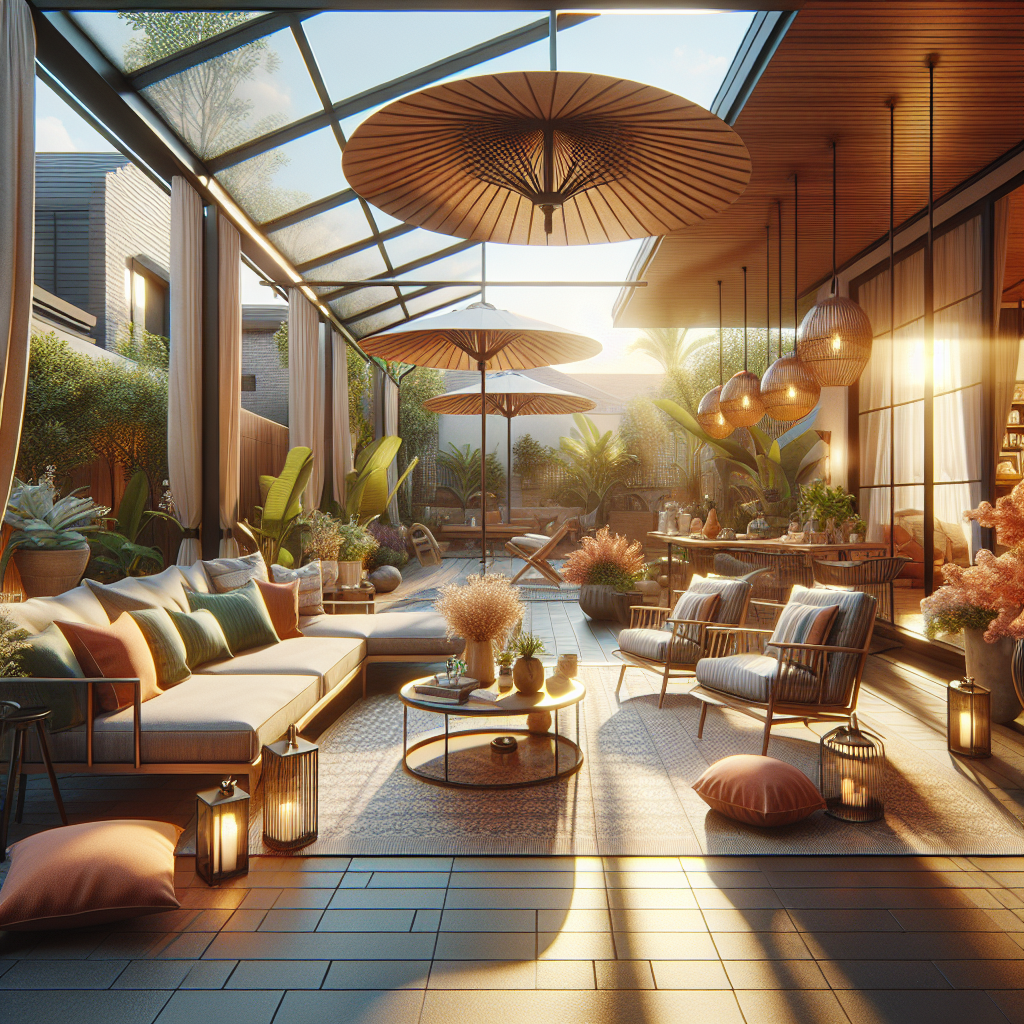
Don’t Let Mother Nature Destroy Your Patio Paradise: 7 Essential Weather Protection Tips

Picture this: you’ve spent thousands creating the perfect outdoor sanctuary. Beautiful furniture, ambient lighting, maybe even an outdoor kitchen. Then Mother Nature strikes with a vengeance—torrential rain, scorching UV rays, or surprise hailstorms—and suddenly your patio paradise looks like a disaster zone.
If you’re like most homeowners, you’ve probably watched helplessly as weather slowly chips away at your outdoor investment. Protecting your patio from weather damage isn’t just about aesthetics; it’s about preserving thousands of dollars in outdoor living investments while maintaining a space that brings joy year after year.
Weather damage costs American homeowners an estimated $43 billion annually, with outdoor spaces bearing a significant portion of that destruction. The good news? Most weather-related patio damage is entirely preventable with the right strategies and preparation.
In this comprehensive guide, you’ll discover seven battle-tested weather protection strategies that professional landscapers and outdoor living experts swear by. From choosing weather-resistant materials to creating microclimates that shield your space, these actionable tips will transform your vulnerable patio into a fortress against nature’s unpredictable moods.
Why Weather Protection Matters More Than Ever
Climate patterns have become increasingly erratic over the past decade. The National Weather Service reports a 40% increase in severe weather events since 2010, making patio weather protection more critical than reactive repairs.
Sarah Chen, a landscape designer from Austin, Texas, learned this lesson the hard way. “I had a client who spent $15,000 on gorgeous teak furniture and natural stone installations,” she recalls. “They skipped weather protection thinking their covered patio was enough. Two years later, UV damage and moisture infiltration caused over $8,000 in replacement costs.”
The financial impact extends beyond obvious damage. Weathered patios lose their appeal, reducing property values and limiting outdoor entertainment possibilities. Real estate appraisers consistently note that well-maintained outdoor spaces can add 15-20% to property values, while neglected ones often detract from overall home appeal.
Common Weather Threats to Outdoor Spaces
Understanding your enemy is the first step in effective defense. Here are the primary weather culprits that threaten outdoor patios:
- UV Radiation: Causes fading, cracking, and material degradation
- Moisture Infiltration: Leads to rot, rust, and mold growth
- Temperature Fluctuations: Creates expansion and contraction damage
- Wind Damage: Topples furniture and tears protective coverings
- Freeze-Thaw Cycles: Cracks concrete and damages water features
Essential Tip #1: Invest in Quality Weather-Resistant Materials
The foundation of effective weather protection for patios starts with material selection. While initially more expensive, weather-resistant materials save thousands in replacement costs over time.
Top Weather-Resistant Flooring Options
Your patio flooring takes the biggest beating from weather extremes. Here’s what professionals recommend:
Porcelain Tiles: These engineered surfaces resist moisture absorption (less than 0.5%), handle temperature swings from -40°F to 150°F, and maintain their appearance for decades. Cost: $8-15 per square foot installed.
Natural Stone (Properly Sealed): Granite, slate, and quartzite naturally resist weather damage when properly sealed annually. Avoid limestone and sandstone in freeze-thaw climates. Cost: $12-25 per square foot.
Composite Decking: Modern composites combine recycled wood fibers with polymer resins, creating surfaces that won’t fade, crack, or require annual staining. Look for products with 25+ year warranties. Cost: $6-12 per square foot.
Furniture Materials That Weather the Storm
Skip the cheap aluminum and plastic furniture that deteriorates within seasons. Professional-grade options include:
Marine-Grade Aluminum: Powder-coated frames resist corrosion in even salt-air environments. Brands like Tropitone offer 15-year frame warranties.
All-Weather Wicker: High-density polyethylene (HDPE) wicker mimics natural materials while resisting UV damage and moisture. Quality pieces maintain flexibility and color for 10+ years.
Teak (Properly Maintained): While expensive, Grade A teak naturally resists moisture and insects. Without maintenance, it weathers to an attractive silver-gray. With annual oiling, it maintains its golden color indefinitely.
Performance Fabric Revolution
Gone are the days when outdoor fabrics meant plasticky textures and limited colors. Modern performance fabrics offer luxury aesthetics with bulletproof weather resistance:
- Sunbrella: Solution-dyed acrylic resists fading and mildew while remaining soft
- Crypton: Liquid barrier technology prevents stains and odors from penetrating
- Outdura: Budget-friendly option with excellent UV stability
Essential Tip #2: Master the Art of Strategic Covering and Storage
Even the most weather-resistant materials benefit from strategic protection during extreme conditions. Smart covering and storage systems extend material life exponentially while reducing maintenance requirements.
Custom vs. Universal Covers: The Truth
Universal covers from big-box stores seem convenient, but rarely provide adequate protection. The loose fit allows moisture accumulation and wind damage. Custom covers cost 2-3 times more initially but last 5-7 times longer while providing superior protection.
When selecting covers, prioritize these features:
- Breathable Fabrics: Prevent condensation buildup that encourages mold
- UV-Resistant Materials: PVC-backed polyester or marine-grade vinyl
- Secure Fastening Systems: Elastic cords, drawstrings, and buckles for windy conditions
- Proper Drainage: Sloped designs that shed water rather than collecting it
Smart Storage Solutions
Professional landscapers recommend the 80/20 rule: permanently install 80% of your patio elements using weather-resistant materials, then store the remaining 20% of accessories seasonally.
Built-in Storage Benches: Dual-purpose furniture provides seating while protecting cushions, pillows, and seasonal items. Look for auto-pneumatic hinges that prevent lid slamming and ensure easy access.
Weather-Resistant Storage Boxes: Rubbermaid’s Deck Box line offers 150+ gallon capacity with foolproof weather sealing. Interior stays dry even when submerged, making them ideal for extreme weather climates.
Retractable Element Systems: Consider motorized awnings, retractable screens, or roll-up pergola coverings for ultimate flexibility. These systems extend outdoor seasons while providing instant protection when needed.
Seasonal Storage Strategies
Regional climates demand different approaches to seasonal storage:
Northern Climates: Complete furniture storage prevents freeze-thaw damage. Disassemble modular pieces, clean thoroughly, and store in climate-controlled spaces.
Moderate Climates: Casual storage suffices. Cover furniture during extended rain periods and extreme temperature swings.
Southern/Coastal Regions: UV protection takes priority. Afternoon storage during peak sun hours (10 AM – 4 PM) prevents fading and material degradation.
Essential Tip #3: Create Effective Drainage Systems
Water damage destroys more patios than all other weather factors combined. Standing water causes structural damage, promotes mold growth, and creates ice hazards in freezing climates.
Proper Grading: The Foundation of Drainage
Professional patio installation requires a minimum 1/4-inch slope per foot away from structures. This seemingly small detail prevents thousands in water damage repairs.
Many DIY installations fail because homeowners don’t understand proper grading. Water should never pool on patio surfaces for more than 24 hours after rainfall. If you notice standing water, address grading issues immediately before they cause structural problems.
French Drain Systems
For patios built below surrounding grade, French drains provide essential water management. These underground drainage systems collect and redirect water using perforated pipes surrounded by gravel.
A properly designed French drain system costs $1,500-3,000 to install but prevents tens of thousands in potential foundation and structural damage. Signs you need French drainage include:
- Water consistently pools in specific areas
- Basement or foundation moisture issues
- Adjacent landscape erosion
- Ice formation in winter months
Surface Drainage Solutions
Channel Drains: These linear drainage systems handle heavy water volume while maintaining clean aesthetic lines. Popular in modern patio designs, they cost $25-45 per linear foot installed.
Permeable Pavers: Allow water to filter through surface materials into underlying drainage systems. Reduce runoff by up to 80% while maintaining design flexibility.
Drainage Mats: Installed beneath pavers or tiles, these systems create air gaps that promote rapid drying and prevent moisture-related damage.
Gutter and Downspout Optimization
Roof drainage significantly impacts patio areas. Improperly positioned downspouts dump thousands of gallons annually onto patio surfaces, overwhelming drainage systems and causing erosion.
Redirect downspouts at least 10 feet from patio edges using underground drainage pipes or decorative drainage solutions like dry creek beds. This simple modification prevents 90% of water-related patio damage.
Essential Tip #4: Implement Wind Damage Prevention Strategies
Wind damage strikes suddenly and devastatingly. A single severe windstorm can topple furniture, tear awnings, and send lightweight items flying like projectiles.
Anchoring Systems That Actually Work
Standard patio furniture weighs 15-40 pounds—easily moved by 30+ mph winds. Professional anchoring systems secure furniture while maintaining functionality and aesthetics.
Weighted Umbrella Bases: Skimp here and pay later. Quality umbrella bases weigh 75-150 pounds and use sand or water fills for stability. Rolling bases with wheels make repositioning possible while providing security.
Tie-Down Systems: Marine-grade bungee cords and ratchet straps secure lightweight furniture during wind warnings. Create dedicated anchor points using eye bolts installed in concrete or permanent structures.
Modular Interlocking Furniture: Consider furniture systems designed to interlock for wind resistance. Individual pieces lock together, creating heavier, more stable configurations during storms.
Strategic Windbreak Installation
Windbreaks reduce wind speed by 50-80% in protected areas while creating more comfortable microclimates for year-round enjoyment.
Living Windbreaks: Evergreen plantings provide permanent wind protection while enhancing privacy and aesthetics. Plant in staggered rows for maximum effectiveness. Popular choices include:
- Arborvitae: Fast-growing, dense coverage
- Leyland Cypress: Rapid growth, drought tolerance
- Eastern Red Cedar: Native option, wildlife benefits
Structural Windbreaks: Solid walls create turbulence. Instead, use 50% permeable materials like lattice panels, decorative screens, or gabion walls filled with attractive stone.
Retractable Wind Screens: Modern systems extend during windy conditions and retract for open-air enjoyment. Motorized versions respond to wind sensors automatically.
Furniture Selection for Windy Locations
If your patio experiences regular wind exposure, choose furniture designed for stability:
Heavy Base Materials: Cast iron, concrete, and solid wood naturally resist wind movement. Modern designs eliminate the bulky appearance of traditional heavy furniture.
Low Profile Designs: Furniture with lower centers of gravity and reduced surface area experience less wind resistance.
Stackable Options: Furniture that stacks securely creates heavier, more stable configurations when needed.
Essential Tip #5: UV Protection and Heat Management
Ultraviolet radiation silently destroys outdoor investments. UV damage accumulates gradually, making it easy to ignore until replacement becomes necessary. Effective patio weather protection prioritizes UV defense as much as moisture control.
Shade Structure Essentials
Shade structures extend outdoor seasons while protecting surfaces, furniture, and people from harmful UV exposure. Strategic shading reduces surface temperatures by 30-50 degrees.
Pergolas with Retractable Canopies: Combine permanent architectural interest with flexible weather protection. Motorized canopies extend during peak sun hours and retract for stargazing or rain clearance.
Cantilever Umbrellas: Provide shade without center pole interference. Quality models feature UV-resistant fabrics, wind vents, and weighted bases. Expect to invest $300-1,200 for commercial-grade options.
Shade Sails: Modern triangular or square fabric installations create dramatic visual impact while blocking 95% of UV rays. Proper installation requires professional engineering for wind load calculations.
Material-Specific UV Protection
Different materials require targeted UV protection strategies:
Wood Protection: Annual application of UV-blocking stains or sealers prevents graying and cracking. Marine-grade products offer superior protection in extreme sun exposure. Skip clear sealers—they provide minimal UV protection.
Metal Furniture: Powder-coated finishes resist UV damage better than paint. Touch up chips immediately to prevent accelerated deterioration. Consider furniture covers during peak sun exposure (10 AM – 4 PM).
Fabric and Cushions: Solution-dyed fabrics resist fading better than piece-dyed alternatives. Store cushions during peak UV hours or invest in fade-resistant performance fabrics.
Heat Mitigation Strategies
Excessive heat makes patios unusable during summer months and accelerates material degradation. Cooling strategies improve comfort while protecting investments:
Evaporative Cooling: Misting systems reduce air temperatures by 20-30 degrees through evaporative cooling. Modern systems use high-pressure pumps to create fine mist that cools without soaking.
Surface Cooling: Light-colored surfaces reflect heat while dark materials absorb and radiate it. Consider surface color when selecting pavers, furniture, and decorative elements.
Air Movement: Ceiling fans designed for outdoor use improve comfort dramatically. Look for wet-rated models with corrosion-resistant finishes and variable speed controls.
Essential Tip #6: Winterproofing and Freeze Protection
Freeze-thaw cycles destroy more patio infrastructure than any other single weather factor. Water expands 9% when freezing, creating tremendous pressure that cracks concrete, bursts pipes, and damages decorative features.
Essential Winterization Tasks
Start winterization before first frost threatens. Last-minute preparations often prove inadequate when surprise cold snaps arrive.
Water Feature Shutdown: Drain all water features completely—fountains, ponds, and irrigation systems. Even small amounts of trapped water can cause hundreds in repair costs. Use non-toxic antifreeze in plumbing that can’t be completely drained.
Furniture Protection: Clean furniture thoroughly before storage. Dirt and organic matter trap moisture, accelerating deterioration during storage months. Apply protective treatments according to manufacturer recommendations.
Plant Protection: Wrap tender plants, drain ceramic planters, and relocate tropical specimens to protected locations. Frozen ceramic planters almost always crack beyond repair.
Ice Damage Prevention
Ice formation threatens both safety and structural integrity. Prevention costs far less than post-damage repairs:
Proper Drainage: Ensure drainage systems remain clear throughout winter. Leaves, debris, and ice blockages cause water backup and flooding during spring thaws.
Surface Protection: Never use rock salt on natural stone or concrete surfaces. Salt accelerates freeze-thaw damage. Instead, use calcium chloride or magnesium chloride ice melters.
Gutter Maintenance: Clean gutters thoroughly before winter. Ice dams cause water backup that damages adjacent patio areas. Consider heated gutter cables in severe winter climates.
Cold-Climate Material Considerations
Materials that perform beautifully in moderate climates often fail catastrophically in freeze-thaw conditions:
Concrete Additives: Air-entrained concrete resists freeze-thaw damage through microscopic air bubbles that accommodate ice expansion. Specify this for all new concrete work in cold climates.
Sealant Selection: Flexible sealants accommodate thermal expansion and contraction. Rigid sealants crack during temperature swings, allowing moisture infiltration.
Plant Selection: Choose plants rated two zones colder than your area for reliable winter survival. Container plants need even greater cold tolerance due to root exposure.
Essential Tip #7: Regular Maintenance and Early Intervention
The most weather-resistant patio fails without consistent maintenance. Professional maintenance costs $200-500 annually but prevents thousands in emergency repairs and premature replacement.
Seasonal Maintenance Checklist
Create and follow systematic maintenance routines based on seasonal needs:
Spring Preparation:
- Inspect drainage systems for winter damage
- Clean and condition furniture after storage
- Check and repair caulking and sealants
- Test and service motorized equipment
- Apply protective treatments to wood and metal
Summer Monitoring:
- Weekly inspection for UV damage signs
- Monthly deep cleaning to prevent buildup
- Immediate repair of any damage
- Adjust coverage and shading as needed
- Monitor drainage during heavy rains
Fall Preparation:
- Deep clean all surfaces before winter
- Apply winter protection treatments
- Secure loose items against winter storms
- Inspect and repair weather sealing
- Prepare storage areas for furniture
Early Warning Signs to Never Ignore
Catching problems early prevents minor issues from becoming major expenses:
Surface Changes: Discoloration, chalking, or texture changes indicate UV damage, moisture problems, or material breakdown. Address immediately before damage becomes irreversible.
Structural Movement: Loose railings, wobbly furniture, or settling surfaces suggest foundation or structural issues requiring professional evaluation.
Drainage Problems: Standing water, erosion, or damp areas signal drainage system failures. These problems worsen rapidly without intervention.
Professional vs. DIY Maintenance
Know when to call professionals and when to handle maintenance yourself:
DIY Appropriate Tasks:
- Regular cleaning and conditioning
- Minor caulking and touch-up repairs
- Furniture arrangement and storage
- Routine inspections and monitoring
Professional Required Tasks:
- Structural repairs and modifications
- Electrical work on outdoor systems
- Major drainage system repairs
- Complex waterproofing and sealing
Creating Your Personalized Weather Protection Plan
Effective patio weather protection requires customization based on your specific climate, materials, and usage patterns. One-size-fits-all approaches inevitably leave vulnerabilities.
Climate-Specific Strategies
Humid Subtropical Climates: Prioritize ventilation, mold prevention, and UV protection. Consider dehumidification systems for enclosed patios.
Arid Desert Climates: Focus on UV protection, dust control, and thermal management. Evaporative cooling provides excellent comfort improvement.
Continental Climates: Plan for extreme temperature swings and seasonal transitions. Flexible systems that adapt to changing conditions work best.
Coastal Areas: Salt air requires corrosion-resistant materials and frequent maintenance. Rinse surfaces regularly to remove salt buildup.
Budget-Conscious Implementation
Implement weather protection strategically when budgets are limited:
Phase 1 – Emergency Protection: Focus on preventing immediate damage through covering systems and basic drainage improvements.
Phase 2 – Infrastructure Improvements: Upgrade materials and add permanent protection features as budget allows.
Phase 3 – Comfort and Convenience: Add automated systems, aesthetic enhancements, and luxury features.
Technology Integration
Modern weather protection benefits from smart technology integration:
Weather Monitoring: Personal weather stations provide hyperlocal data for better decision-making about protection needs.
Automated Systems: Motorized awnings, irrigation cutoffs, and alert systems respond to changing conditions automatically.
Remote Monitoring: Security cameras and sensors allow monitoring of patio conditions from anywhere, enabling rapid response to problems.
Frequently Asked Questions
How much should I budget annually for patio weather protection?
Plan to spend 2-4% of your patio’s initial value annually on weather protection and maintenance. For a $10,000 patio, budget $200-400 per year for cleaning, treatments, and minor repairs. This investment typically prevents 10-15 times that amount in major damage costs.
When is the best time to apply protective treatments to outdoor furniture?
Apply protective treatments during dry weather with temperatures between 50-85°F. Spring preparation (March-April) works best for most climates, allowing treatments to cure before peak weather stress. Avoid treatments during high humidity or before expected rain within 24 hours.
Can I leave my patio furniture outside year-round in moderate climates?
Quality weather-resistant furniture can remain outside year-round in USDA zones 7-10 with proper protection. Use covers during extended rain periods and extreme weather events. However, bringing cushions and accessories indoors extends their life significantly while reducing replacement costs.
What’s the most cost-effective weather protection strategy for new patios?
Investing in quality materials initially provides the best long-term value. Weather-resistant pavings, furniture, and structures cost 20-40% more upfront but last 3-5 times longer than cheaper alternatives. Factor total cost of ownership, not just initial price, when making decisions.
How do I know if my patio drainage system is adequate?
Test drainage during heavy rain by observing water flow patterns. Water should clear from all surfaces within 2-4 hours after rain stops. Standing water for more than 24 hours indicates drainage problems requiring immediate attention to prevent structural damage.
Should I use professional or DIY covers for patio furniture?
Custom professional covers cost 2-3 times more but provide superior protection and durability. For furniture over $1,000 per piece, invest in custom covers. For less expensive furniture, quality universal covers with proper fit and securing systems provide adequate protection.
What emergency steps should I take when severe weather threatens?
Secure or store lightweight items, cover furniture if you can’t store it, clear drainage areas of debris, turn off water features, and ensure all electrical connections are protected from moisture. Having a pre-written severe weather checklist ensures nothing gets forgotten during stressful conditions.
How often should I inspect my patio for weather damage?
Conduct thorough inspections monthly during active weather seasons and after any severe weather event. Look for loose components, drainage issues, surface damage, and wear patterns. Early detection allows for minor repairs instead of major replacements.
Protecting Your Investment for Years to Come
Your outdoor patio represents more than just a financial investment—it’s where memories are made, relationships are strengthened, and life’s best moments unfold. Protecting this special space from weather damage ensures it remains a source of joy rather than stress and unexpected expenses.
The seven essential weather protection strategies we’ve covered—quality materials, strategic storage, effective drainage, wind protection, UV defense, winterproofing, and consistent maintenance—work together to create comprehensive protection against nature’s challenges. Remember that weather protection for patios isn’t a one-time task but an ongoing commitment that pays dividends through extended material life, reduced repair costs, and uninterrupted enjoyment of your outdoor paradise.
Start with the protection strategies that address your most immediate weather threats, then build comprehensive coverage over time. Whether you’re dealing with scorching desert sun, humid coastal conditions, or harsh northern winters, these proven techniques will keep your patio looking beautiful and functioning perfectly for decades to come.
Your future self will thank you for taking action now, before the next storm hits. Begin implementing these weather protection strategies today, and transform your vulnerable outdoor space into a resilient sanctuary that stands strong against whatever Mother Nature sends your way.
—
####
Content Disclaimer
The information provided in this article is for educational and general guidance purposes only. Weather protection strategies may vary based on local climate conditions, building codes, and specific material requirements. Always consult with local professionals, including contractors, landscape designers, and building code officials, before implementing major weather protection modifications. Results may vary based on individual circumstances, material quality, installation methods, and maintenance practices. This content does not constitute professional advice for specific situations and should not replace consultation with qualified experts familiar with your local conditions and requirements.
Categories
- Accent Walls & Ceilings (84)
- Art Curation & Gallery (83)
- Bedding Style Trends (89)
- Bedroom Makeover (96)
- Bohemian & Eclectic Styles (80)
- DIY & Budget-Friendly Decor (78)
- Eco-Friendly Design (83)
- Furniture Care (87)
- Home Decor & Design Ideas (181)
- Home Wellness Spaces (103)
- Integrated Outdoor Living (91)
- Japandi Style (84)
- Kids and Nursery Decor (73)
- Living Room Decor (99)
- Mix & Match Techniques (95)
- Modern & Contemporary Design (88)
- Rug Sizing & Placement (89)
- Scandinavian Design Inspiration (51)
- Seasonal Home Decor (100)
- Small Space Solutions (93)
- Wall Art & Painting Tips (94)
Recent Comments
Archives
Product Gallery
-
 Majestic African Wildlife Canvas Art for Stylish Home Decor
Rated 5.00 out of 5
Majestic African Wildlife Canvas Art for Stylish Home Decor
Rated 5.00 out of 5 -
 Cozy Irregular Green Plush Rug for Nordic Living Spaces
Rated 5.00 out of 5$44.23 – $278.89Price range: $44.23 through $278.89
Cozy Irregular Green Plush Rug for Nordic Living Spaces
Rated 5.00 out of 5$44.23 – $278.89Price range: $44.23 through $278.89 -
 Scandinavian Geometric Area Rugs for Stylish Home Décor
Rated 5.00 out of 5$33.15 – $502.10Price range: $33.15 through $502.10
Scandinavian Geometric Area Rugs for Stylish Home Décor
Rated 5.00 out of 5$33.15 – $502.10Price range: $33.15 through $502.10


