
Eco-Chic Living: How to Seamlessly Incorporate Sustainable Materials Into Your Home Decor

Eco-chic living means embracing stylish home decor that benefits both you and the planet. If you’re wondering how to bring sustainable materials into your space without sacrificing style or comfort, this article illuminates practical, elegant steps you can take.
Modern homeowners prioritize eco-friendly solutions, but the challenge is making these choices visually appealing and functional. This piece guides you through a seamless transition—introducing you to sustainable fabrics, renewable woods, recycled elements, and biophilic designs, all crafted for today’s stylish homes.
Here’s what you can expect:
- Why sustainable materials matter now more than ever
- Top eco-friendly materials and their decor uses
- How to blend sustainability with chic design effortlessly
- Real-world examples showcasing stunning eco-chic interiors
- Tips for sourcing materials and future-proofing your decor
Why Sustainable Materials Matter in Home Decor Today
People often ask why eco-chic living demands sustainable materials. The answer spans environmental impact, personal health, and style longevity. Conventional home decor often depends on nonrenewable resources, harmful chemicals, and mass production waste. By choosing sustainable materials, you reduce your home’s carbon footprint and foster safer indoor air quality.
Environmental Impact of Traditional vs. Sustainable Materials
Traditional materials like synthetic plastics or non-certified woods consume high energy and often emit pollutants during manufacturing and disposal. Contrast that with sustainably sourced bamboo or reclaimed wood—biodegradable, renewable, and often requiring less processing.
For example, bamboo can grow to harvest size in 3-5 years, compared to 20+ years for some hardwoods (source: WWF).
Health Benefits for Your Home
Volatile organic compounds (VOCs) released by synthetic materials negatively affect respiratory health. Sustainable fabrics like organic cotton, linen, and natural wool remain largely VOC-free, improving indoor air quality and creating a healthier environment.
Longevity and Style: Timeless over Trendy
Eco-chic living isn’t about fast trends—it’s about timeless beauty. Durable sustainable materials preserve their appeal longer, supporting a minimalist, quality-over-quantity mindset that saves money and waste long term.
Top Sustainable Materials and Their Uses in Home Decor
Integrating earth-friendly materials doesn’t have to mean radical change. Start with these natural, recycled, or renewable options that suit a variety of decorator tastes and budgets.
1. Bamboo: Strength Meets Elegance
Bamboo’s rapid renewability and strength make it ideal for furniture, flooring, and accessories. Its warm tones and smooth finish add warmth without looking rustic.
2. Reclaimed Wood: Character and History
Reclaimed wood injects personality, often revealing the wood’s previous life through unique grain patterns and distressed textures. Perfect for accent walls, shelving, and custom cabinetry.
3. Cork: Soft, Sustainable, Versatile
Harvested from the cork oak tree’s bark without cutting it down, cork is renewable and shock absorbent. It suits flooring, wall tiles, and even furniture.
4. Organic Cotton and Linen: Breathable Textiles
Organic cotton and linen are grown without pesticides, offering a gentle texture perfect for curtains, upholstery, and bedding while encouraging sustainable farming.
5. Recycled Metals and Glass
From lamp fixtures to tabletop decor, recycled metals reduce mining waste. Similarly, recycled glass creates beautiful mosaics and functional décor like bowls and vases.
Blending Style With Sustainability: Design Tips and Tricks
Bringing sustainable materials into your home doesn’t require a dull or “eco-store” aesthetic. Here’s how to keep that balance smooth and natural.
Focus on Texture and Contrast
Mix smooth bamboo surfaces with rough reclaimed wood. Layer soft organic cotton cushions over cork flooring. This interplay creates depth and sophistication while telling your home’s sustainability story.
Neutral Palettes with Natural Accents
A palette of creams, earthy browns, and muted greens allows sustainable materials to shine without overwhelming. Accentuate with indoor plants or woven baskets from natural fibers for organic flair.
Invest in Statement Pieces
Choose one or two eco-friendly statement pieces—like a reclaimed wood dining table or a bamboo lounge chair—that anchor your room’s style and spark conversation.
Real-World Eco-Chic Inspirations and Case Studies
Reading about sustainable materials is one thing, but seeing their impact in lived-in homes brings ideas to life.
Case Study: The Green Haven Project, Portland, OR
This award-winning home renovation replaced all traditional flooring with reclaimed oak and bamboo, while designing custom furniture using recycled metal frames and organic upholstery. The homeowner reported a 40% reduction in utility bills and a fresh, calming aesthetic appreciated by guests and family alike.
Case Study: Minimalist Beach House, Malibu, CA
Using cork flooring and organic linen curtains with neutral color schemes, this home exudes warmth, inviting natural light and ocean views to complement the sustainable choices.
Sourcing Sustainable Materials and Future-Proofing Your Eco-Chic Home
Finding trustworthy sources is essential to maintaining authenticity and quality. Here are tips to shop smarter.
Prioritize Certifications and Transparency
Look for FSC (Forest Stewardship Council) for woods, GOTS (Global Organic Textile Standard) for textiles, and GreenGuard for indoor air quality assurances.
Support Local Artisans and Small Businesses
Buying local decreases transportation emissions and nurtures community craftsmanship, often using repurposed or sustainably gathered materials.
Maintain and Refresh with Eco-Conscious Care
Use natural oils and eco-friendly cleaning supplies to extend longevity. Clothing and fabric should be washed in cold water and line-dried where possible.
Frequently Asked Questions about Eco-Chic Living
What are some budget-friendly sustainable materials for home decor?
Materials like bamboo, reclaimed wood, and organic fabrics can be affordable with careful sourcing. Shopping at second-hand stores or local craft markets can also reduce costs.
How can I ensure materials are truly sustainable?
Check certifications such as FSC, GOTS, and Fair Trade. Research brands’ supply chains for transparency and avoid items with vague or unverified claims.
Can sustainable materials be stylish and modern?
Absolutely. Many sustainable materials like bamboo and recycled metals lend themselves well to minimalist, contemporary, and classic designs alike.
How do I mix sustainable materials with my existing decor?
Start small—replace cushions with organic fabrics or add a reclaimed wood accent piece. Gradually swap out items room by room for a smooth transition.
Are sustainable materials durable enough for everyday use?
Yes. Many sustainable materials, such as reclaimed wood and cork, are highly durable and often outperform their synthetic counterparts regarding longevity.
Conclusion: Embrace Eco-Chic Living for Stylish, Sustainable Homes
Incorporating sustainable materials into your home decor is an empowering way to align your lifestyle with environmental care—and you don’t have to compromise style to do it. From bamboo flooring to organic linens and reclaimed wooden treasures, eco-chic living invites creativity and conscience into every corner of your home.
With the tips, case studies, and materials explained here, you’re equipped to start making thoughtful, beautiful choices for your space. Each sustainable swap is a step toward a healthier home and planet.
Ready to transform? Explore our guides on natural light home decor, choosing sustainable furniture, and eco-friendly paints for your next project.
Content Disclaimer
The information provided in this article is for educational purposes only. It reflects current best practices and is not intended as professional design or environmental advice. Readers should consult certified experts for specific project needs.
Categories
- Accent Walls & Ceilings (84)
- Art Curation & Gallery (83)
- Bedding Style Trends (89)
- Bedroom Makeover (96)
- Bohemian & Eclectic Styles (80)
- DIY & Budget-Friendly Decor (78)
- Eco-Friendly Design (83)
- Furniture Care (87)
- Home Decor & Design Ideas (181)
- Home Wellness Spaces (103)
- Integrated Outdoor Living (91)
- Japandi Style (84)
- Kids and Nursery Decor (73)
- Living Room Decor (99)
- Mix & Match Techniques (95)
- Modern & Contemporary Design (88)
- Rug Sizing & Placement (89)
- Scandinavian Design Inspiration (51)
- Seasonal Home Decor (100)
- Small Space Solutions (93)
- Wall Art & Painting Tips (94)
Recent Comments
Archives
Product Gallery
-
 Majestic African Wildlife Canvas Art for Stylish Home Decor
Rated 5.00 out of 5
Majestic African Wildlife Canvas Art for Stylish Home Decor
Rated 5.00 out of 5 -
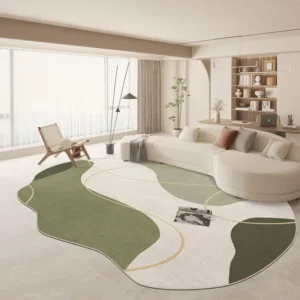 Cozy Irregular Green Plush Rug for Nordic Living Spaces
Rated 5.00 out of 5$45.53 – $287.11Price range: $45.53 through $287.11
Cozy Irregular Green Plush Rug for Nordic Living Spaces
Rated 5.00 out of 5$45.53 – $287.11Price range: $45.53 through $287.11 -
 Scandinavian Geometric Area Rugs for Stylish Home Décor
Rated 5.00 out of 5$34.12 – $516.89Price range: $34.12 through $516.89
Scandinavian Geometric Area Rugs for Stylish Home Décor
Rated 5.00 out of 5$34.12 – $516.89Price range: $34.12 through $516.89