

Elevate Your Living Room: The Impact of Proper Rug Sizing for Conversation

Ever walked into a living room that just *feels* right? A space where the furniture seems to whisper an invitation to settle in, lean back, and engage in genuine dialogue? Chances are, a key, often overlooked element is doing a significant amount of heavy lifting: the rug. More than just a decorative accent, the strategic choice of proper rug sizing for conversation acts as the silent architect of your social space, defining boundaries and drawing people together. Without it, even the most beautiful sofas can look disconnected, floating aimlessly in an undefined void.
Imagine hosting a gathering. Guests arrive, perhaps a little unsure where to sit, their voices echoing in a sprawling, unfurnished-feeling room. Now, picture the alternative: a living area anchored by a perfectly sized rug, creating a cozy island where armchairs and sofas are nestled comfortably within its borders. Immediately, the room feels more intimate, inviting, and conducive to connection. This isn’t just about aesthetics; it’s about creating an environment that actively encourages interaction, making your living room a true hub for meaningful exchanges. This comprehensive guide will peel back the layers of interior design wisdom, showing you precisely how to select, place, and leverage the ideal rug size to transform your living room into a masterclass of conversational comfort and style. You’ll learn not just *what* to do, but *why* it works, empowering you to craft a space that truly supports the life lived within it.
Why Proper Rug Sizing for Conversation Matters More Than You Think
A rug is often described as the “fifth wall” or the “foundation” of a room – and for good reason. It grounds your furniture, injects personality, and adds warmth. However, its most profound, yet underestimated, role lies in its ability to influence human interaction. The impact of proper rug sizing for conversation goes beyond mere decoration; it’s a critical component of functional design that directly affects how people experience and engage with your space. A rug that is too small can fragment a room, making seating arrangements feel isolated, whereas one that is perfectly proportioned pulls everything together, creating a cohesive and inviting dialogue zone.
Consider the psychology of space. When furniture is grouped around a central rug, it visually communicates a purpose: “This is where people gather.” This subtle cue encourages guests to sit closer, lean in, and connect. A study by the Association for Psychological Science highlights how environmental cues influence social behavior, emphasizing the importance of thoughtfully designed spaces in fostering positive interactions. In your living room, this translates to designing for dialogue.
The Unseen Influence: How Rugs Dictate Flow and Function
The right rug doesn’t just tie a room together visually; it actively designs the flow and function of your living space. When discussing proper rug sizing for conversation, we’re essentially talking about creating zones. A large, well-placed rug can beautifully delineate a primary seating area from a walkway, a reading nook, or even an open-concept dining space. This is particularly crucial in multi-purpose rooms where different activities need their own defined territories without requiring physical walls.
For example, in an open-plan living and dining area, a generously sized rug under the main seating arrangement clearly signals, “This is the lounge area.” It prevents the sofa, chairs, and coffee table from looking like they’ve been randomly dropped into a large empty space. Instead, they form a unified island of comfort, making it clear where guests should gravitate for chatting and relaxation. This intentional zoning reduces visual clutter and provides an intuitive guide for navigating the room, thereby reducing cognitive load and making guests feel more at ease. A comfortable guest is a conversational guest.
The Small Rug vs. The Right Rug: Why Size Perception Matters
There’s a common mistake many homeowners make: choosing a rug that is simply too small for their space. This often happens due to budget constraints or unfamiliarity with design principles. A small rug, often referred to as a “postage stamp” rug, can actually diminish the perceived size of a room. Instead of grounding the furniture, it makes pieces look like they’re hovering at the edges, disconnected from each other and the rug itself. This visual dissonance inhibits the natural formation of a comfortable conversation area. People subconsciously sense that the space isn’t quite right, and it can subtly deter them from settling in and engaging.
On the other hand, the right rug—one that aligns with the principles of proper rug sizing for conversation—expands the perceived boundaries of your seating arrangement, inviting people inward. It creates a sense of spaciousness and intentionality, even in smaller rooms. By extending under the front legs of key furniture pieces, or even all legs, the rug acts as a visual anchor, pulling all elements into a harmonious whole. This sense of unity is what fosters a relaxed atmosphere conducive to lively discussions and shared moments.
The Golden Rules of Proper Rug Sizing for Conversation Areas
While personal taste plays a role, certain design principles for proper rug sizing for conversation are universally effective. These “golden rules” are not rigid mandates but rather starting points that ensure your rug serves its primary function: to create a unified, inviting space for dialogue. Deviating from them without a clear design intention often leads to a disjointed and less functional living room. We’ll explore the most impactful guidelines, ensuring your investment in a rug truly elevates your entire living experience.
Rule #1: All Furniture Legs On (The Most Impactful Choice)
This is arguably the gold standard for creating a luxurious and cohesive conversation area. When all four legs of your sofa, armchairs, and side tables rest comfortably on the rug, it creates an unmistakable sense of grandeur and completeness. This approach ensures that the rug completely grounds the seating arrangement, making it feel like a unified island within your living room. The visual effect is one of abundance and thoughtful design, making the space feel more spacious and established.
Benefits:
- Maximized Cohesion: Every element of the conversation zone is visually connected.
- Enhanced Spaciousness: Ironically, a larger rug often makes a room feel larger, not smaller, by defining a generous area.
- Luxury Aesthetic: This look is often seen in high-end design, signaling a meticulously planned space.
- Superior Comfort: More soft surface underfoot, especially when stretching out or moving around.
Ideal scenario: Large living rooms, open-plan spaces, or whenever budget and space allow for a truly expansive rug. Standard sizes for this approach often range from 9×12 feet to 12×15 feet or even larger, depending on the scale of your furniture and room dimensions. For a typical living room with a 3-seater sofa and two armchairs, a 9×12 rug is often the minimum to achieve the “all legs on” effect for the core pieces.
Rule #2: Front Legs On (The Practical & Popular Compromise)
For many households, especially those with average-sized living rooms or tighter budgets, the “front legs on” rule offers an excellent balance between aesthetics and practicality. This approach involves placing the rug so that at least the front two legs of your main seating pieces (sofa, loveseat, armchairs) rest on the rug, while the back legs remain on the bare floor. The coffee table should still be entirely on the rug, or at least have its front legs on.
Benefits:
- Good Visual Anchoring: Still effectively grounds the conversation area.
- Cost-Effective: Requires a smaller rug compared to the “all legs on” rule.
- Versatile: Works well in a variety of room sizes and layouts.
- Clear Definition: Clearly delineates the seating zone without overpowering the room.
Ideal scenario: Most standard living rooms, apartments, or when you want to define a comfortable conversation zone without committing to a massive rug. This approach typically calls for rugs in the 8×10 feet to 9×12 feet range. Crucially, aim for at least 6-12 inches of rug extending beyond the sides of your sofa to avoid the “floating” effect.
Rule #3: Coffee Table Only (The “What Not To Do” / Small Space Exception)
Generally, a rug that only holds the coffee table or only the very front feet of a few pieces is too small and should be avoided for primary conversation areas. This is often the “postage stamp” rug scenario we discussed earlier, which makes furniture look disconnected and unanchored. It fails to achieve the key goal of proper rug sizing for conversation – bringing elements together.
However, there are exceptions:
- Small Nooks or Entryways: Where the rug’s purpose is purely accentual or to define a minuscule zone.
- Layering: A smaller rug can be layered on top of a larger, neutral foundational rug to add texture or a pop of color.
- As a Pathway: If the rug’s sole purpose is to mark a path in a hallway, not to define a seating area.
For a true conversation area, even in a small room, strive to get at least the front legs of the main seating pieces onto the rug. If your space is so tiny that only a coffee table rug fits, consider foregoing a rug entirely or exploring a creative alternative like a sheepskin throw draped over furniture.
Beyond the Rules: Measuring Your Space for the Perfect Conversational Anchor
Knowing the golden rules for proper rug sizing for conversation is empowering, but applying them effectively requires precise measurements. Guessing often leads to costly mistakes and a rug that doesn’t quite fulfill its potential. This section breaks down the practical steps to measure your living room and furniture, ensuring you select a rug that effortlessly unifies your space and enhances social interaction.
Step 1: Understand Your Room’s Dimensions and Layout
Before you even think about furniture, measure your entire living room.
- Overall Length & Width: Grab a tape measure and note down the room’s maximum length and width. This gives you your canvas size.
- Consider Architectural Features: Are there doorways that swing inward, built-in shelves, fireplaces, or radiators? These elements will dictate how close you can place your rug to the walls. Ideally, leave at least 12-18 inches of bare floor between the rug’s edge and the walls to create a visual border and prevent the room from feeling completely carpeted. In smaller rooms, you might reduce this to 8-12 inches, but try not to go less than that.
- Plot Walkways: Identify the natural paths people will take through the room. Your rug should not obstruct these walkways; instead, it should define the conversation area around them. Imagine walking around your furniture: does the rug force you to step on or off it awkwardly?
Visual Content Suggestion: An infographic showing a bird’s-eye view of a living room with dimensions marked, indicating clear walkways, and a rug perfectly placed with appropriate spacing from walls.
Step 2: Measure Your Furniture for the Conversation Zone
Next, focus on the primary pieces that will form your conversational grouping.
- Sofa & Loveseats: Measure the full length and depth. Crucially, note the width of the front legs.
- Armchairs & Accent Chairs: Measure their width and depth.
- Coffee Table: Measure its length and width.
- Side Tables: Note their dimensions if they will be part of the rug grouping.
Once you have these measurements, arrange your furniture how you envision it for conversation. Use painter’s tape or old sheets to “map out” the ideal rug size on the floor, following the “all legs on” or “front legs on” rules. This visual aid is invaluable for seeing the scale in your actual space before making a purchase. Aim for the rug to extend at least 6-12 inches beyond the sides of your sofa, creating a generous boundary. The coffee table should comfortably sit entirely on the rug, or have its front legs on, with ample space for movement around it.
Comparison: Standard Rug Sizes and Their Typical Uses
| Rug Size (Feet) | Typical Application for Conversation | Best for Rule: |
|---|---|---|
| 5×7 or 5×8 | Small apartment, under a small loveseat with only front legs on, or for a single armchair nook. | Front Legs On (minimalist) |
| 6×9 | Small living room, under a standard sofa with front legs on and coffee table. Creates a cozy, defined zone. | Front Legs On |
| 8×10 | Average living room, comfortably accommodates a sofa and two armchairs with front legs on, often extending under side tables. | Front Legs On (ideal) |
| 9×12 | Larger living rooms or open-concept spaces. Can achieve “all legs on” for a sofa and two chairs, or “front legs on” for a full sectional. | All Legs On / Front Legs On (ample) |
| 10×14 | Very large living rooms, grand open-concept spaces. Perfect for “all legs on” with generous furniture groupings. | All Legs On |
| 12×15+ | Extra-large, expansive rooms where maximal definition and luxury are desired. | All Legs On (maximal) |
Step 3: Factor in the “Open Space” Element
While the goal is to make your conservation area feel cohesive, it’s equally important not to cram the space. Leave enough bare floor around the rug to create a visual border—typically 12-18 inches from the walls, as mentioned. However, in smaller rooms, this might mean having the rug closer to one wall than another if it’s defining a specific zone. The key is balance and ensuring the rug doesn’t touch the walls, which can make the room look smaller and less intentional.
Think of the rug as creating an island. That island needs water around it (the bare floor) to make it stand out. This “water” also serves as a visual pathway, guiding movement around the conversation area without having to constantly step on and off the rug.
Mastering Layout: Placing Your Rug for Optimal Conversational Flow
Once you’ve determined the ideal dimensions for proper rug sizing for conversation, the next critical step is mastering its placement. A perfectly sized rug, if improperly positioned, can still lead to a disjointed feel. The goal is to orient the rug in a way that maximizes its grounding effect, enhances visual balance, and most importantly, facilitates natural, comfortable dialogue within your living room.
The Golden Axis: Aligning with Your Main Seating
The most effective strategy for rug placement is to align it with the dominant piece of furniture in your conversation area—typically your sofa or sectional. The rug should generally extend past the ends of your sofa by at least 6-12 inches on each side. This provides a generous visual weight, ensuring the sofa doesn’t look like it’s precariously perched on the rug’s edge.
Consider these scenarios:
- Single Sofa & Chairs: Center the rug beneath your sofa. Ensure the rug extends beyond the sofa’s width. Then, place your armchairs or accent chairs with their front legs on the rug, facing the sofa to create a natural U-shape or L-shape for interaction.
- Sectional Sofa: For larger sectionals, you’ll need an even larger rug (often 9×12 or 10×14) to ensure all, or at least the front legs, of the entire sectional can rest on it. The rug should mirror the general shape of the sectional as much as possible, encompassing the core seating area.
- Two Sofas Facing Each Other: A classic conversational setup. Position a large rug in the center, ensuring both sofas have at least their front legs comfortably on the rug. The coffee table will sit squarely in the middle.
The aim is to create a visual ‘hug’ around your seating, making the entire arrangement feel deliberate and inviting. If your rug is too small to extend beyond the sofa’s ends (even with the front legs on rule), it can make the sofa look truncated, reducing the expansive feel you’re trying to achieve.
Beyond the Edges: Creating a “Sweet Spot” for Dialogue
The rug defines the perimeter of your conversation zone. Within this zone, consider the “sweet spot” for comfortable interaction. Speakers typically maintain a distance of 3-10 feet for casual conversation in a group setting. Your rug should encompass this ideal range, drawing furniture close enough yet allowing for comfortable movement. A common mistake is pushing all furniture against the walls, creating a vast, empty expanse in the middle. The rug helps you pull furniture inward, creating a more intimate setting.
Case Study: The “Floating” Living Room Fix
Sarah, a new homeowner, loved her spacious living room but felt it lacked warmth. Her beautiful, modern grey sofa and two navy armchairs looked disconnected, almost “floating.” Her initial 5×7 rug barely fit under her coffee table, leaving her expensive seating feeling isolated. After applying the principles of proper rug sizing for conversation, she upgraded to a 9×12 rug. This new rug extended comfortably under the front legs of all her main pieces, anchoring them with authority. The result? The room immediately gained definition. Guests instinctively moved towards the now-cohesive seating area, conversations flowed more naturally, and the once-sprawling room felt intentionally designed and infinitely more welcoming. The rug transformed her living room from a collection of furniture into a unified social hub.
Symmetry vs. Asymmetry: Balancing Your Conversational Space
While often associated with traditional design, symmetrical placement around a rug (e.g., two identical armchairs flanking a sofa, all on the rug) inherently creates a balanced, formal, and highly conducive conversational area. The predictability of symmetry often makes people feel more comfortable and at ease. However, modern living rooms often embrace asymmetry, which can be equally effective if handled thoughtfully.
When using an asymmetrical layout (e.g., a sofa paired with two different chairs, or a chaise sectional), the rug becomes even more critical. It acts as the unifying element that visually connects disparate pieces. Ensure that even in an asymmetrical setup, the core seating elements still have their front legs on the rug, reinforcing the idea that they belong together within that defined conversation zone. The rug’s generous size becomes the visual “net” that catches all the conversational pieces, no matter their individual form.
The Art of Rug Style & Texture: Enhancing the Conversational Vibe
Beyond mere dimensions and placement, the aesthetic qualities of your rug—its color, pattern, material, and texture—play a significant role in defining the mood and enhancing the conversational potential of your living room. The right choices can create a cozy, inviting atmosphere that encourages lingering and dialogue, acting as a crucial complement to proper rug sizing for conversation.
Color & Pattern: Setting the Mood for Dialogue
The color and pattern of your rug are powerful tools for setting the emotional tone of your conversation area.
- Warm Colors (Reds, Oranges, Deep Golds): These colors tend to advance visually, making a space feel cozier and more intimate. They can stimulate vibrancy and energy, encouraging lively discussions.
- Cool Colors (Blues, Greens, Greys): These hues recede, creating a more serene and calming atmosphere. They can be excellent for fostering relaxed, reflective conversations.
- Neutrals (Creams, Beiges, Greys, Tans): Timeless and versatile, neutral rugs provide a clean backdrop that allows other decor elements (and indeed, the people) to be the focus. They promote a sense of calm and can be very effective in grounding a conversation area without overwhelming it.
- Subtle Patterns: A geometric, abstract, or even a subtle antique pattern can add visual interest without being distracting. Patterns can help camouflage spills (a bonus in high-traffic conversation zones!) and add depth.
- Bold Patterns: While striking, a very busy or large-scale pattern might compete with the conversation itself. If opting for a bold pattern, ensure the rest of your room’s decor is relatively subdued to maintain balance.
When selecting your rug’s color, think about the overall palette of your living room. The rug should complement, not clash with, your existing furniture and wall colors. It should feel like a natural extension of your design scheme, drawing the eye into the conversation area.
Material & Texture: Inviting Touch and Comfort
The tactile quality of your rug profoundly impacts the sensory experience of your conversation space. A soft, inviting texture encourages bare feet, relaxed postures, and a general sense of being at home.
- Wool: A classic choice, wool is durable, naturally stain-resistant, and incredibly soft underfoot. Its luxurious feel immediately elevates the comfort level, making guests want to settle in. Perfect for adding warmth and a sense of enduring quality.
- Cotton: Lighter, often more casual, and easier to clean than wool. Cotton rugs can add a relaxed, bohemian, or farmhouse chic vibe. Their flatweave nature can be great for high-traffic areas or if you prefer a less plush feel.
- Jute/Sisal: Natural fibers like jute or sisal bring an organic, earthy texture. While less soft than wool, they add visual interest and a casual elegance. They’re very durable and excellent for layering.
- Synthetics (Polyester, Polypropylene): Often more budget-friendly, synthetic rugs are highly durable, stain-resistant, and come in a vast array of colors and patterns. Modern synthetics can be surprisingly soft, offering a great balance of comfort and practicality for busy conversation areas.
- High-Pile Shag: For ultimate indulgence and coziness, a soft, high-pile shag rug can be incredibly inviting. It literally begs you to sink your toes in, fostering a relaxed, intimate atmosphere. Best suited for spaces where heavy foot traffic isn’t a primary concern.
Think about how the rug will feel underfoot and how it contributes to the overall “hygge” (coziness) of your space. A sumptuous texture can subtly persuade people to linger longer, enhancing the opportunities for deep and meaningful conversations.
Layering Rugs: Adding Depth and Defining Sub-Zones
For an advanced design technique, consider layering rugs. This strategy can add immense depth, texture, and visual interest, especially in larger rooms where you want to define multiple conversation zones or add a soft landing to a natural fiber rug. When layering, the foundational rug (the larger one) should still adhere to the rules of proper rug sizing for conversation (front legs on or all legs on). The top rug can then be smaller, acting as an accent or defining a micro-zone within the larger conversation area.
Example: A large 9×12 jute rug anchors the main seating area (all furniture legs on). On top of this, a smaller, softer 5×7 wool rug with an intricate pattern is placed centrally under the coffee table, softening the look and adding a focal point for the immediate conversational hub. This creates visual richness and a multi-layered comfort appeal.
Common Mistakes to Avoid When Sizing Your Rug for Conversation
Even with the best intentions, it’s easy to fall prey to common rug sizing mishaps that can undermine your living room’s conversational potential. Being aware of these pitfalls is crucial to ensuring your investment creates the inviting, cohesive space you envision. Avoiding these errors means your efforts in achieving proper rug sizing for conversation will truly pay off.
Mistake #1: The “Floating Furniture” Syndrome (Rug Too Small)
This is by far the most prevalent error. A rug that is too small makes your furniture appear to float aimlessly in the room, disconnected from each other and the rug itself. It neglects the fundamental principle that a rug should anchor and define a space. Think of it like a lifeboat that can only hold one person; everyone else is left treading water. If your rug only sits under your coffee table, or if just the very tips of your sofa’s front legs touch its edge, you’ve likely fallen victim to the “floating furniture” syndrome. This results in a living room that feels disjointed and lacks the visual cues that invite people to gather closely.
The Fix: Go bigger! Aim for at least the “front legs on” rule for your main seating pieces. For a standard sofa, this typically means a minimum 8×10 rug. Visualize stretching your current rug. If it still doesn’t reach the front legs of your furthest seating, it’s too small.
Mistake #2: Ignores Walkways (Rug Placement Error)
While the rug should unify the conversation area, it should never impede natural traffic flow. If your rug forces people to constantly step halfway on and off it when moving through the room, it creates an awkward and irritating experience. An ideal rug placement respects the inherent pathways of your living room, defining the conversation zone without creating a tripping hazard or an uncomfortable transition.
The Fix: Before putting your rug down, identify primary walkways. Use painter’s tape to mark them out. Ensure the rug fits comfortably within your conversation area, with at least 12-18 inches (or 8-12 inches in very small rooms) of bare floor between the rug and any walls, and that it doesn’t extend into high-traffic routes where people walk *past* the furniture, not *to* it.
Mistake #3: Too Much Bare Floor Within the Conversation Area (Rug Too Small Again)
Even if some furniture legs are on the rug, if there’s a vast expanse of bare floor between a chair and the sofa, or between the coffee table and the primary seating, the conversation area still feels sparse and disconnected. The rug needs to encompass the *entire* footprint of the intended conversational zone, minimizing large gaps of bare floor within it.
The Fix: Re-evaluate your rug size against the “all legs on” or “front legs on” rule. The rug should feel like a generous embrace around the entire furniture grouping, not just a small island in the middle. If a coffee table sits entirely on the rug, ensure there’s enough rug extending beyond it to accommodate the feet of those seated around it.
Mistake #4: Disregarding Room Scale and Proportion (General Design Flaw)
Choosing a rug that is disproportionate to the actual size of your room can throw off the entire aesthetic. A tiny rug in a grand room looks lost. A rug that almost reaches wall-to-wall in a small room can make it feel like wall-to-wall carpeting, negating the defining effect of an area rug. The proper rug sizing for conversation isn’t just about the furniture; it’s about the room itself.
The Fix: Remember the 12-18-inch rule (or 8-12 inches for small rooms) of bare floor space around the rug’s perimeter. This margin creates a visual frame and allows the rug to truly stand out as an anchor rather than blending into the floor. Regularly step back and observe the entire room; does the rug feel balanced within the space?
Mistake #5: Focusing Only on Price (Compromising Core Principles)
It’s tempting to opt for a smaller, cheaper rug to save money. However, a small rug that doesn’t properly anchor your conversation area is often a regrettable purchase, as it fails to achieve its primary purpose. It’s better to save longer for the right size, or explore more budget-friendly materials in a larger size, than to compromise on the dimensions that truly make a difference.
The Fix: Prioritize size over material luxury if budget is a constraint. A large, well-proportioned synthetic rug will look and function better in your conversation area than a small, high-end wool rug that doesn’t adequately define the space. Remember, the function of proper rug sizing for conversation is paramount.
FAQ: Your Questions on Proper Rug Sizing for Conversation Answered
We’ve covered a lot of ground, but you might still have some specific questions about choosing the ideal rug for your conversational space. This FAQ addresses common dilemmas and provides quick, actionable answers to help you perfect your living room.
What is the most important rule for rug sizing in a living room?
The most crucial rule is to ensure that at least the front two legs of all your main seating pieces (sofa, loveseat, armchairs) are on the rug. Ideally, go for “all legs on” if your budget and room size permit. This ensures the rug properly anchors the conversation area and prevents furniture from looking disconnected or “floating.”
How much bare floor should show around my living room rug?
A good guideline is to leave 12 to 18 inches of exposed flooring between the edge of your rug and the walls. In smaller rooms, you can reduce this to 8-12 inches. This creates a visual border, making the room feel more spacious and ensuring the rug acts as a defined zone rather than appearing like wall-to-wall carpeting.
Can a rug be too big for a living room conversation area?
While it’s less common than a rug being too small, a rug can be too big if it extends all the way to the walls, giving the impression of wall-to-wall carpeting and losing its ability to define a specific zone. The goal is to anchor the conversation area, not carpet the entire room. Always aim for a visible border of bare floor.
Should my coffee table be completely on the rug?
Yes, for optimal aesthetics and functionality in a conversation area, your coffee table should ideally be entirely on the rug. This helps to unify the central gathering space. If it’s very large, ensure at least its front legs are firmly on the rug with plenty of space for movement around it.
What if my living room is open concept? How does rug sizing change?
In open-concept spaces, rugs are even more critical for defining distinct zones. Use a large rug (often 9×12 or 10×14) to clearly delineate your living area from the dining space or kitchen. Treat each zone as its own “room” and apply the sizing rules, ensuring the rug grounds all furniture within that specific functional area.
I have a small living room. Should I just get a small rug?
No, a small rug in a small room often makes the room feel even smaller and more cluttered. Even in a compact space, strive for a rug that allows at least the front legs of your main seating to rest on it. A 6×9 or 8×10 rug can often work wonders, creating a sense of expansiveness and a defined conversation zone, whereas a 5×7 might look lost.
Does rug shape matter for conversation?
Yes, rug shape can subtly influence the conversational dynamic. Rectangular rugs are most common and versatile for defining linear or L-shaped seating arrangements. Round rugs can create a more intimate, centralized “huddle” feel, excellent for a single armchair grouping or a small, circular seating cluster. Choose a shape that mirrors or complements your furniture arrangement.
How does furniture arrangement affect rug size for conversation?
Furniture arrangement is intertwined with rug size. A more sprawling arrangement (e.g., a large sectional) will require a larger rug to encompass it. A tighter, more circular grouping might allow for a smaller rug, but still, ensure the rug’s edges extend beyond the furniture to ground it effectively. Always arrange furniture first, then measure the space it occupies to select the rug.
Conclusion: Your Living Room Transformed by Strategic Rug Sizing
The journey to creating an inviting, conversation-rich living room often begins, surprisingly, from the ground up. The subtle yet profound influence of proper rug sizing for conversation cannot be overstated. It’s the design element that silently commands attention, pulls disparate pieces of furniture into a cohesive whole, and ultimately, dictates the comfort and flow of your most social space. By understanding the golden rules—whether it’s the luxurious “all legs on” or the practical “front legs on”—and meticulously measuring your space, you move beyond mere decoration to intentional design.
You’ve learned that a rug isn’t just about color or pattern; it’s a foundational tool for spatial definition, one that enhances both the visual appeal and the functional efficacy of your living room. Avoiding common mistakes like the “floating furniture” syndrome ensures that your rug investment truly pays off, transforming your space from merely furnished to thoughtfully designed. The right rug doesn’t just rest on your floor; it actively participates in the story of your home, inviting smiles, fostering connections, and encouraging those cherished, lingering conversations that truly elevate everyday living.
Now armed with this comprehensive knowledge, step back and evaluate your own living room. Does your current rug rise to the occasion? Are your furniture pieces enjoying the grounding embrace of a perfectly sized anchor? Take these actionable insights and recommendations to heart. Measure, plan, and choose deliberately. When you select the right rug, you’re not just adding decor; you’re crafting an environment where every dialogue feels more intimate, every gathering more comfortable, and every moment more memorable. Elevate your living room today—your conversations will thank you.
Content Disclaimer
The information provided in this article is for general informational and educational purposes only, and does not constitute professional interior design advice. While we strive to offer accurate and helpful guidance, individual room dimensions, furniture styles, and personal preferences must always be considered. We recommend consulting with a professional interior designer for personalized advice tailored to your specific needs and circumstances. Product recommendations are based on general attributes and are not endorsements of specific brands unless otherwise noted. Results and aesthetic outcomes may vary based on individual application.
Categories
- Accent Walls & Ceilings (84)
- Art Curation & Gallery (83)
- Bedding Style Trends (89)
- Bedroom Makeover (96)
- Bohemian & Eclectic Styles (80)
- DIY & Budget-Friendly Decor (78)
- Eco-Friendly Design (83)
- Furniture Care (87)
- Home Decor & Design Ideas (181)
- Home Wellness Spaces (103)
- Integrated Outdoor Living (91)
- Japandi Style (84)
- Kids and Nursery Decor (73)
- Living Room Decor (99)
- Mix & Match Techniques (95)
- Modern & Contemporary Design (88)
- Rug Sizing & Placement (89)
- Scandinavian Design Inspiration (51)
- Seasonal Home Decor (100)
- Small Space Solutions (93)
- Wall Art & Painting Tips (94)
Recent Comments
Archives
Product Gallery
-
 Majestic African Wildlife Canvas Art for Stylish Home Decor
Rated 5.00 out of 5
Majestic African Wildlife Canvas Art for Stylish Home Decor
Rated 5.00 out of 5 -
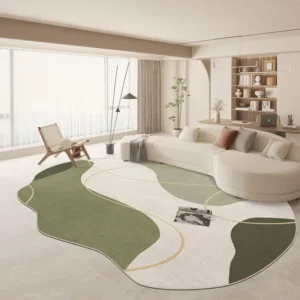 Cozy Irregular Green Plush Rug for Nordic Living Spaces
Rated 5.00 out of 5$41.00 – $254.00Price range: $41.00 through $254.00
Cozy Irregular Green Plush Rug for Nordic Living Spaces
Rated 5.00 out of 5$41.00 – $254.00Price range: $41.00 through $254.00 -
 Scandinavian Geometric Area Rugs for Stylish Home Décor
Rated 5.00 out of 5$29.00 – $438.00Price range: $29.00 through $438.00
Scandinavian Geometric Area Rugs for Stylish Home Décor
Rated 5.00 out of 5$29.00 – $438.00Price range: $29.00 through $438.00