



Floral Wallpaper for Nurseries: The Ultimate Guide to Enchanting Spaces for Little Ones
Navigating the exciting, yet often overwhelming, journey of preparing for a new baby often begins with conceptualizing their first personal sanctuary: the nursery. Every parent dreams of creating a space that’s not only safe and comfortable but also inspiring, nurturing, and beautiful. If you’re seeking to infuse warmth, charm, and a touch of whimsical elegance into your baby’s room, consider the timeless allure of floral wallpaper for nurseries. Far from being a dated design relic, today’s floral patterns offer a refreshing, sophisticated, and incredibly versatile aesthetic that can transform a blank canvas into a truly magical haven.
Perhaps you’re picturing dainty wildflowers dancing across a wall, or maybe bold, dramatic blooms that make a grand statement. The sheer variety of floral wallpaper for nurseries means there’s a perfect pattern to match every vision, theme, and desired mood. But where do you start? How do you ensure your chosen design is not only stunning but also safe, durable, and practical for a baby’s room? This comprehensive guide will walk you through everything you need to know, from selecting the ideal aesthetic to practical installation tips and long-term care. You’ll learn about different material options, safety considerations, how to incorporate florals into various nursery themes, and ultimately, how to create a captivating space that grows with your child, sparking joy and imagination for years to come.
By the end of this extensive article, you’ll be equipped with the knowledge and confidence to choose and implement the perfect floral wallpaper for nurseries, turning your decorating dreams into a tangible, beautiful reality. We’ll explore trending designs, discuss budget-friendly options, and even touch upon the psychological benefits of introducing natural elements into a child’s environment. Get ready to embark on a delightful design journey that culminates in an enchanting nursery your little one will adore.
Why Choose Floral Wallpaper for Nurseries? Beyond Mere Aesthetics
When envisioning a nursery, many parents immediately think of classic pastels, animal motifs, or subtle geometric patterns. However, floral wallpaper for nurseries offers a unique blend of elegance, versatility, and developmental benefits that often go overlooked. It’s more than just a pretty picture; it’s a strategically impactful design choice. Let’s delve into why flowers can be the perfect foundation for your baby’s first room.
The Timeless Appeal of Nature’s Artistry
Nature has an intrinsic ability to soothe and inspire. Floral patterns, in essence, bring the beauty of the outdoors inside. Unlike trends that fade, the organic shapes and vibrant (or subtle) colors of flowers possess a timeless appeal. This makes floral wallpaper for nurseries an investment that won’t quickly feel dated as your child grows. From delicate sprigs to lush botanical gardens, the natural artistry transcends fleeting fads, offering a consistently pleasing backdrop.
Moreover, the association with nature promotes a sense of calm and well-being. Studies suggest that exposure to natural patterns and motifs can reduce stress and enhance cognitive function. For a baby’s developing mind, this visual stimulation—gentle yet engaging—can be incredibly beneficial.
Versatility in Design and Theme
One of the greatest strengths of floral wallpaper for nurseries is its incredible adaptability. Far from being a monolithic style, “floral” encompasses a vast spectrum of designs:
- Dainty & Delicate: Small, scattered blooms perfect for a traditional, sweet, or soft aesthetic.
- Bold & Dramatic: Oversized, illustrative flowers that create a focal point and a sense of grandeur.
- Whimsical & Playful: Hand-drawn illustrations, fairy-tale inspired gardens, or abstract floral shapes.
- Botanical & Realistic: Detailed depictions of specific flora, offering an educational and sophisticated touch.
- Geometric with Floral Touches: Modern patterns incorporating floral elements within structured designs.
This diversity means floral wallpaper can seamlessly integrate into various nursery themes: a bohemian haven, a classic cottage feel, a modern minimalist space with a touch of organic warmth, or a truly fantastical garden room. It sets a sophisticated tone that evolves beautifully from infancy through toddlerhood and beyond.
Stimulating Yet Soothing Visuals for Development
A baby’s visual development is rapid and fascinating. While newborns see best in high contrast, their ability to perceive colors and intricate patterns develops quickly. Floral wallpaper for nurseries provides a wonderful canvas for this development. The varying shapes, lines, and color combinations within a floral pattern offer engaging visual stimulation without being overly jarring or chaotic. Gentle floral patterns can be incredibly soothing, contributing to a calm environment conducive to sleep and relaxation, while more vibrant designs can spark curiosity during wakeful hours.
Think about how a baby might track the lines of a vine or differentiate between the petals of a flower. This kind of visual engagement is a soft form of learning, encouraging observation and pattern recognition without overwhelming their senses. It’s a backdrop that supports both peaceful moments and curious exploration.
Creating an Enchanting & Personal Narrative
Every nursery tells a story. Floral wallpaper for nurseries allows parents to weave a deeply personal and enchanting narrative. Is it a secret garden, a whimsical forest, or a field of dreams? The chosen pattern can instantly transport both parent and child into a world of imagination. This personal touch makes the space feel truly unique and created with love, rather than a generic, mass-produced environment.
It’s an opportunity to reflect your own taste while also introducing your child to beauty and art from their earliest days. The psychological impact of beautiful surroundings on mood and creativity is significant, and a floral nursery can be the first step in fostering an appreciation for aesthetic beauty.
Longevity and Adaptability: Growing with Your Child
Unlike overtly childish themes that a toddler might quickly outgrow, many floral designs possess a maturity that allows them to transition seamlessly as your child ages. A delicate rose pattern that looks charming in an infant’s nursery will still be beautiful in a young girl’s bedroom or even a teen’s room. This longevity can save time and money, eliminating the need for frequent redecorations as your child progresses through different developmental stages.
The adaptability also extends to styling. Floral wallpaper acts as a foundation. You can easily update the room’s look by changing furniture, textiles, or decorative accessories. A vibrant floral can be softened with neutral furnishings, or a subtle floral can be brought to life with pops of color in accessories as your child’s preferences develop.
Choosing the Perfect Floral Wallpaper for Nurseries: Considerations & Styles
With an almost overwhelming array of options available, selecting the “perfect” floral wallpaper for nurseries can feel like a daunting task. However, by breaking down the decision-making process into key considerations and exploring popular style categories, you can narrow down your choices and find a design that truly resonates with your vision and practicality needs.
Considering Your Nursery’s Unique Characteristics
Before you even browse patterns, take stock of your nursery’s physical attributes:
- Room Size: Large-scale, bold florals can be stunning in spacious rooms, making them feel grand and inviting. In smaller nurseries, smaller, more delicate patterns or even just an accent wall can prevent the space from feeling overwhelmed. Too busy a pattern in a small room might make it feel cramped.
- Natural Light: A room with abundant natural light can handle darker or more saturated floral patterns without feeling gloomy. Conversely, a north-facing room or one with limited light might benefit from lighter background colors and brighter floral motifs to keep the space airy and cheerful.
- Existing Furniture & Palette: Do you already have a crib, dresser, or glider? Consider their color and style. A vintage-inspired floral might clash with ultra-modern furniture, while a bold geometric floral could complement it. Think about the overall color scheme you’re aiming for. The wallpaper should enhance, not compete with, your existing elements.
- Ceiling Height: Vertically oriented floral patterns (like climbing vines or tall stems) can create an illusion of higher ceilings. Horizontal patterns might make a wide room feel even more expansive.
Exploring Popular Floral Wallpaper for Nurseries Styles
The “floral” umbrella covers a multitude of distinct artistic expressions. Understanding these categories can help you articulate your preference and find patterns that truly speak to you.
A. Whimsical & Illustrated Florals
These patterns often feature hand-drawn, sometimes childlike, interpretations of flowers. They are perfect for fostering a sense of wonder and playfulness. Colors might be soft and muted or bright and cheerful. Think of patterns reminiscent of children’s storybooks or delicate watercolor illustrations.
- Characteristics: Often irregular shapes, visible brushstrokes or pencil lines, imaginative designs.
- Best For: Creating a dreamy, storybook, or playful nursery theme. Encourages imagination.
- Example: A wallpaper featuring whimsical daisies and bees, or stylized oversized peonies with subtle woodland creatures nestled amongst them.

B. Botanical & Realistic Florals
These designs meticulously depict specific flowers and plants, often with scientific accuracy or a focus on natural beauty. They tend to be sophisticated and can range from antique-inspired engravings to vibrant, hyper-realistic photographs of blooms.
- Characteristics: Detailed rendering, rich color palettes or monochrome options, often feature specific plant species.
- Best For: A classic, elegant, or nature-inspired nursery. Offers a sophisticated, grown-up feel that ages well.
- Example: A wallpaper with detailed prints of ferns and wildflowers, or a dramatic dark botanical print with deep emerald greens and rich berry tones.
C. Dainty & Delicate Florals (Small Scale)
Featuring small, repeating floral motifs, these patterns are inherently gentle and often have a vintage or classic charm. They don’t overwhelm a space and are excellent for creating a subtle backdrop.
- Characteristics: Tiny blooms, often in single colors or a limited palette, close-knit repetition.
- Best For: Creating a sweet, soft, or traditional nursery. Ideal for smaller rooms or for covering all walls without being too busy.
- Example: A pattern of tiny sprigs of lavender or petite roses scattered across a cream background.
D. Bold & Large-Scale Florals
Making a strong statement, these designs feature oversized flowers or leaves that command attention. They can create a dramatic focal point and infuse a modern, artistic vibe into the nursery.
- Characteristics: Fewer, but much larger, individual floral elements; strong visual impact; often good for accent walls.
- Best For: Creating a modern, glamorous, or focal point nursery. Best used in larger rooms or sparingly on one wall.
- Example: A mural-style wallpaper featuring enormous, watercolor-style hydrangeas or peonies, or a bold tropical leaf print.

E. Abstract & Geometric Florals
These designs blend floral elements with modern abstract art or geometric patterns. They offer a contemporary twist on traditional florals, often featuring stylized shapes and vibrant color blocking.
- Characteristics: Interpretive floral shapes, often combined with clean lines, geometric forms, or color washes.
- Best For: A modern, eclectic, or artistic nursery. Adds personality and a contemporary edge.
- Example: A wallpaper where floral motifs are deconstructed into geometric shapes, or abstract flower outlines in varied colors.
Color Palettes: Guiding the Nursery’s Mood
The color of your floral wallpaper for nurseries plays a foundational role in setting the tone:
- Soft Pastels: Pinks, blues, mints, lavenders, and creams create a classic, serene, and calming atmosphere. Excellent for very young babies.
- Neutrals with Floral Accents: Grey, beige, or white backgrounds with subtle floral patterns offer sophistication and versatility, allowing other elements in the room to add color.
- Vibrant & Bold: Rich greens, deep blues, corals, or even multi-colored patterns can inject energy and cheer. Use these judiciously, perhaps on an accent wall, to avoid overstimulation.
- Monochrome: Black and white florals offer high contrast (great for newborns’ developing vision) and a sophisticated, timeless look.
Always consider how the chosen colors will interact with the natural light in the room and other decorative elements. A little color swatch test in the actual nursery can prevent costly mistakes.
Types of Floral Wallpaper for Nurseries: Materials and Installation
Beyond aesthetics, the practical aspects of floral wallpaper for nurseries—material, durability, and ease of installation—are crucial. Parents need options that are safe, simple to clean, and capable of withstanding the wear and tear of a child’s room. Understanding the different types available will help you make an informed decision.
Traditional Wallpaper (Non-Pasted)
This classic option requires you to apply adhesive (paste) to the back of the wallpaper before hanging. It’s often thicker and more durable than other types, offering a luxurious finish.
- Pros: High-quality feel, wide variety of designs, long-lasting if installed correctly, often very durable.
- Cons: More labor-intensive installation, requires specific tools (pasting table, smoother, trimming knife), can be difficult to remove without damage if not a strippable type.
- Best For: Parents comfortable with DIY projects or hiring a professional; seeking a permanent, high-end finish.
Pre-Pasted Wallpaper
This type comes with a dried adhesive on the back, activated by simply wetting it (usually by submerging it in a water tray). It’s a step up in terms of DIY friendliness from traditional wallpaper.
- Pros: Easier to install than non-pasted, good adhesion, generally durable.
- Cons: Can be messy due to water activation, drying time can vary, removal might still require some effort.
- Best For: Enthusiastic DIYers looking for a slightly less complex process than traditional wallpaper.
Peel and Stick Wallpaper (Removable/Self-Adhesive)
Often referred to as removable wallpaper, this modern innovation features an adhesive backing protected by a liner. You simply peel off the liner and stick the wallpaper to the wall. It’s especially popular for nurseries due to its temporary nature.
- Pros: Easiest to install (no paste, no water), completely removable and often repositionable without damaging walls, great for renters or indecisive decorators, usually made from durable vinyl.
- Cons: Can be more expensive per roll, adhesive might not be as strong as traditional paste over very long periods or on textured walls, patterns might be slightly limited compared to traditional.
- Best For: Renters, first-time DIYers, parents who anticipate redecorating as their child grows, or those seeking a commitment-free solution for floral wallpaper for nurseries.
Fabric Wallpaper
Less common but gaining popularity, fabric wallpapers offer a unique texture and warmth. They can be peel and stick or require adhesive.
- Pros: Soft texture, often breathable, adds a luxurious feel, can be very durable.
- Cons: Can be more expensive, harder to clean than vinyl, limited design availability.
- Best For: A high-end, luxurious nursery where tactile experience is as important as visual.
Material Considerations for a Nursery
No matter the type, the material composition of your floral wallpaper for nurseries is vital for safety and practicality:
- Vinyl-Coated or Solid Vinyl: Highly durable, easy to clean (wipeable), and moisture-resistant. This makes them excellent choices for nurseries where spills and marks are inevitable. Look for low-VOC (Volatile Organic Compounds) options.
- Non-Woven: A blend of natural and synthetic fibers, breathable, durable, and often strippable for easy removal. Many eco-friendly options are non-woven.
- Certified Safe Materials: Always look for wallpaper that is PVC-free, phthalate-free, and printed with water-based, non-toxic inks. Many brands offer certifications like GREENGUARD Gold, which indicates low chemical emissions. This is paramount for a baby’s environment.
Installation Tips for a Seamless Finish
Regardless of the type of floral wallpaper for nurseries you choose, proper preparation is key:
- Prepare the Walls: Ensure walls are clean, smooth, dry, and primed. Fill any holes or cracks. A smooth surface is critical for a flawless finish.
- Measure Accurately: Measure height and width, accounting for repeats in patterns. Always order a little extra (15-20% buffer) to allow for errors, pattern matching, and future repairs.
- Gather Tools: Depending on the type, you’ll need a measuring tape, level, pencil, straight edge, utility knife with new blades, smoother, sponge, and possibly a pasting brush or water tray.
- Start Plumb: Use a plumb line to ensure your first strip is perfectly vertical. This sets the stage for the rest of the installation.
- Match Patterns: Take your time to align patterns seamlessly between strips. This is where extra material comes in handy.
- Smooth Out Bubbles: Work from the center outwards to remove any air bubbles.
- Ventilate: Ensure proper ventilation during and after installation, especially if using traditional pastes, to dissipate any fumes.
Considering the investment of time and money, hiring a professional for traditional or pre-pasted floral wallpaper for nurseries can be a wise decision if you’re not confident in your DIY skills. For peel and stick, it’s a much more manageable DIY project.
Safety and Practicality: Essential Considerations for Floral Wallpaper for Nurseries
A nursery isn’t just about beautiful design; it’s crucially about safety, cleanliness, and functionality. When choosing floral wallpaper for nurseries, these practical aspects must sit at the forefront of your decision-making. Nobody wants a beautiful room that isn’t safe or easy to maintain.
Prioritizing Non-Toxic and Eco-Friendly Options
This is arguably the most important consideration for a baby’s room. Babies are particularly vulnerable to environmental toxins due to their developing respiratory and immune systems. Volatile Organic Compounds (VOCs) found in traditional paints and some wallpapers can emit gases into the air, potentially impacting air quality.
- Look for Low- or No-VOC: Many modern wallpapers are specifically engineered to be low in VOCs. This should be a top priority.
- PVC-Free & Phthalate-Free: Traditional vinyl wallpapers often contain PVC (polyvinyl chloride) and phthalates, which are chemicals some studies link to health concerns. Opt for alternatives like non-woven materials or PVC-free vinyl.
- Water-Based Inks: Ensure the patterns are printed with water-based, non-toxic inks.
- Certifications: Seek out third-party certifications like GREENGUARD Gold, OEKO-TEX, or FSC (Forest Stewardship Council) for paper-based options. These certifications indicate rigorous testing for chemical emissions and sustainable sourcing.
- Breathability: Breathable wallpapers help prevent moisture buildup, which can lead to mold and mildew—a health concern for infants. Non-woven materials are generally more breathable.
Always ask manufacturers about their eco-credentials and safety standards. Reputable brands will openly provide this information.
Durability and Cleanability: Preparing for Life with a Baby
Nurseries are high-traffic areas prone to accidents: spit-up, diaper blowouts, crayon marks from older siblings (or curious babies!), and general wear and tear. Your floral wallpaper for nurseries needs to stand up to this challenge.
- Wipeable and Washable Ratings: Check the wallpaper’s cleaning codes. Many modern wallpapers are “wipeable” (can be gently cleaned with a damp cloth) or even “scrubbable” (can withstand more rigorous cleaning). Vinyl or vinyl-coated wallpapers excel in this area.
- Tear Resistance: A baby’s room means curious little hands eventually reaching out and pulling. Thicker, more durable materials like heavy-duty vinyl or non-woven papers will be more resistant to tears and punctures than delicate paper options.
- Stain Resistance: Some materials are naturally more stain-resistant than others. Again, vinyl offers good protection against common nursery stains.
The easier it is to clean and maintain, the less stress for you as a parent, and the longer your beautiful floral wallpaper for nurseries will retain its fresh look.
Long-Term Investment and Adaptability
While peel and stick options offer temporary flexibility, a more permanent floral wallpaper for nurseries is a long-term investment. Think about:
- Aging Gracefully: As discussed earlier, choose patterns that aren’t overtly juvenile. botanical or sophisticated whimsical patterns often transition well into a child’s bedroom and even a teen’s space. This avoids the cost and effort of re-wallpapering every few years.
- Fade Resistance: High-quality wallpapers are designed with UV-resistant inks to prevent fading from sunlight exposure, ensuring your vibrant florals stay true to color over time.
- Repairability: If a section gets damaged, can it be patched or replaced? Keeping a leftover roll can be invaluable for this reason. Peel and stick often make localized repair easier.
Ventilation and Air Quality During and After Installation
Proper ventilation is paramount during and immediately after wallpaper installation. If using traditional paste or even some peel-and-stick types, there might be a “new product” smell. Good airflow will help dissipate any residual odors or VOCs quickly, ensuring the nursery is ready for your baby as soon as possible.
- Open Windows: Keep windows open during installation if weather permits.
- Fans: Use fans to circulate air.
- Airing Out Time: Allow the room to air out for several days, or even a week, after installation before moving in the furniture and, most importantly, the baby.
Case Study: The “Secret Garden” Nursery
Imagine the Martins, preparing for their first baby, a girl. They fell in love with a floral wallpaper for nurseries featuring large, whimsical watercolor roses and delicate hummingbirds. Concerned about safety, they specifically sought out a non-woven, PVC-free peel and stick option with GREENGUARD Gold certification. The wallpaper was easy to install as DIYers, taking them a single weekend. They used it on an accent wall behind the crib. Its vibrant yet soft colors provided a focal point that was visually stimulating but not overwhelming. Because it was washable vinyl, a few spit-up incidents were easily cleaned with a damp cloth. As their daughter, Lily, grows, the “secret garden” theme remains relevant; they plan to swap out the crib for a toddler bed and add some small bookshelves, letting the timeless floral backdrop continue to inspire her imagination.
Integrating Floral Wallpaper for Nurseries into Diverse Design Themes
The true beauty of floral wallpaper for nurseries lies in its chameleon-like ability to adapt. It’s not just for a “girly” room; it’s a versatile element that can be the star or a subtle supporting character in a multitude of design themes. Let’s explore how to integrate florals into various popular nursery styles, demonstrating their broad appeal and transformative power.
1. The Classic & Timeless Nursery
For parents who desire an elegant, enduring aesthetic, classic florals are a perfect match. This theme often features traditional furniture silhouettes, refined textiles, and a sophisticated color palette.
- Wallpaper Choice: Look for delicate, small-scale repeating floral patterns (e.g., ditsy prints, toile, chintz) or sophisticated botanical illustrations on a neutral background (cream, soft grey, pale blue/pink). Watercolour florals also fit beautifully.
- Color Palette: Soft pastels (blush pink, baby blue, mint green, lavender), ivory, cream, soft greys.
- Furniture & Decor: White or naturally finished wooden cribs, classic dressers, upholstered gliders in linen or velvet, elegant chandeliers or sconces, framed prints, antique-inspired toys.
- Integration Tips: Use the floral wallpaper on all walls for a fully immersive traditional feel, or on one accent wall to define the sleeping area. Pair with traditional wainscoting for added architectural interest.

2. The Modern & Minimalist Nursery with a Touch of Nature
Modern nurseries often prioritize clean lines, uncluttered spaces, and a subdued color scheme. Floral wallpaper for nurseries can introduce organic warmth without sacrificing the minimalist aesthetic.
- Wallpaper Choice: Abstract florals, large-scale graphic botanical prints, monochrome floral patterns (black and white), or subtle line-drawn florals. Focus on patterns with significant negative space.
- Color Palette: White, grey, black, natural wood tones, muted greens, or a single bold accent color.
- Furniture & Decor: Sleek, contemporary cribs, minimalist shelving, simple textiles in neutral tones, geometric accessories, natural wood accents.
- Integration Tips: Apply a bold or abstract floral wallpaper to a single accent wall to create a striking focal point. Keep other walls plain white or a soft neutral. Use minimal, contrasting decor to highlight the wallpaper’s artistry.
3. The Bohemian & Earthy Nursery
Bohemian nurseries are characterized by natural textures, global influences, earthy tones, and a relaxed, free-spirited vibe. Florals are a natural fit for this theme, connecting with nature and authenticity.
- Wallpaper Choice: Large-scale, botanical prints with lush foliage and muted flowers, global-inspired floral medallions, or whimsical wildflowers. Earthy color palettes, often with terracotta, warm greens, and soft yellows.
- Color Palette: Terracotta, rust, sage green, mustard yellow, cream, warm browns.
- Furniture & Decor: Rattan cribs, macrame wall hangings, woven baskets, sheepskin rugs, wooden toys, dried floral arrangements, live plants (safely out of reach).
- Integration Tips: Use a warm-toned, botanical floral on a prominent wall. Layer with textiles like fringed blankets and patterned throws. Integrate natural elements like wood furniture and rattan to complement the earthy tones of the wallpaper.
4. The Whimsical & Storybook Nursery
This theme aims to transport a child into a world of imagination and fantasy. Whimsical floral wallpaper for nurseries perfectly sets the stage for fairy tales and dreams.
- Wallpaper Choice: Illustrated florals with animals, magical garden scenes, fantasy flowers, oversized storybook-style blooms, or ethereal watercolour garden murals.
- Color Palette: Soft, dreamy pastels; vibrant jewel tones (if balanced); multi-colored patterns that evoke joy.
- Furniture & Decor: Unique, perhaps painted or upholstered, cribs; curved furniture; canopy beds; fairy lights; plush toys; illustrated books; charming mobiles.
- Integration Tips: Consider a full wall mural that depicts an entire floral scene. Add themed accessories like mushroom stools or animal figurines that “live” within the wallpaper’s world. Layer with soft, textural elements like faux fur rugs.
5. Gender-Neutral Floral Nurseries
Many parents prefer a gender-neutral nursery, especially if the baby’s gender is unknown or if they desire a space that suits any child. Floral wallpaper for nurseries can be beautifully gender-neutral.
- Wallpaper Choice: Green botanical prints (e.g., ferns, eucalyptus), monochrome florals, abstract floral patterns, or muted wildflowers on a neutral background like grey, beige, or white.
- Color Palette: Sage green, ochre, soft grey, cream, white, muted blues or purples that aren’t overtly “boy” or “girl.”
- Furniture & Decor: Natural wood furniture, crisp white linens, soft grey or natural fiber rugs, animal-themed decor, geometric shapes, simple lighting.
- Integration Tips: Focus on patterns with soft, organic lines and a calm color palette. Avoid traditional pastel pinks or blues. Accent with natural wood and woven textures to reinforce the earthy, inclusive vibe.
By blending your chosen floral pattern with complementary furniture, textiles, and accessories, you can achieve a cohesive and enchanting nursery that truly reflects your desired theme, ensuring the floral wallpaper for nurseries is not just a background, but an integral part of the room’s character.
The Psychological Impact of Florals on Children
It’s not just about aesthetics; the visual environment of a nursery can significantly influence a child’s early development and mood. Introducing floral wallpaper for nurseries goes beyond creating a pretty space; it taps into innate human responses to nature and beauty, offering subtle yet powerful psychological benefits for young children.
Connecting with Nature (Biophilia)
Humans have an innate connection to nature, a concept known as biophilia. Babies, despite their limited experience, are no exception. Surrounding a child with visual representations of nature, such as floral patterns, can foster a sense of calm, security, and connection to the outside world, even when indoors. This connection can lead to:
- Reduced Stress: Natural patterns and organic shapes are known to have a calming effect. A gentle floral backdrop can contribute to a more serene environment, important for both baby and parents.
- Enhanced Well-being: Studies on adults show that views of nature reduce recovery times and stress. While direct studies on infants are limited, the principles suggest a positive impact on a child’s overall sense of well-being and contentment.
Visual Stimulation and Cognitive Development
A baby’s brain is rapidly developing, especially its visual processing capabilities. The patterns, colors, and shapes within floral wallpaper for nurseries offer a rich source of gentle visual stimulation.
- Pattern Recognition: Repeating floral motifs help babies learn about patterns and visual continuity, a fundamental cognitive skill.
- Color Differentiation: As babies develop the ability to distinguish colors, a floral pattern with varied hues provides a fun and stimulating way to practice this skill.
- Focus and Engagement: Intricate yet not overly busy floral designs can capture a baby’s attention, encouraging moments of quiet observation and focus, which are precursors to learning.
- Imagination and Storytelling: For older babies and toddlers, the visual cues of flowers, leaves, and possibly hidden creatures within the pattern can spark early imagination and be starting points for simple storytelling, enriching their nascent linguistic and creative skills.
Choosing patterns with appropriate contrast and detail for different developmental stages can maximize these benefits. High-contrast monochrome florals are great for newborns, while more complex, multi-colored designs can engage older infants.
Emotional Resonance and Atmosphere
Colors and imagery are powerful mood setters. The inherent beauty and softness of most floral patterns can evoke positive emotions:
- Joy and Happiness: Bright, cheerful florals can infuse a room with positive energy.
- Comfort and Nurturing: Soft pastels and delicate blooms often create a feeling of warmth, comfort, and safety, essential for a baby’s sanctuary.
- Peace and Tranquility: Muted botanical prints or simple floral outlines contribute to a peaceful atmosphere conducive to rest and quiet play.
The overall atmosphere created by floral wallpaper for nurseries can contribute to a child’s emotional regulation and provide a consistent, pleasant backdrop for their early experiences.
Cultivating an Appreciation for Beauty and Art
From their earliest days, children absorb aesthetics from their environment. Introducing well-designed floral wallpaper for nurseries is a subtle way to cultivate an appreciation for beauty, art, and design. It teaches them that their surroundings can be thoughtful, harmonious, and inspiring. This early exposure can lay a foundation for creativity and aesthetic sensibility later in life.
In essence, the choice of floral wallpaper for nurseries is more than a decorative decision; it’s an opportunity to enrich your child’s developmental environment in a way that is both beautiful and beneficial.
DIY vs. Professional Installation: Weighing Your Options for Floral Wallpaper for Nurseries
Once you’ve settled on the perfect floral wallpaper for nurseries, the next big question is: do you hang it yourself or hire a professional? This decision often boils down to budget, time, skill level, and the type of wallpaper you’ve chosen. Let’s break down the pros and cons of each approach to help you decide.
DIY Installation
Pros:
- Cost Savings: This is the primary driver for most DIYers. You save on labor costs, which can be significant for larger rooms or intricate patterns.
- Flexibility: You can work on your own schedule, in chunks of time that fit around other commitments. This is particularly appealing for busy parents-to-be.
- Personal Satisfaction: There’s immense pride in stepping back and admiring a project you completed yourself. It’s a personal touch to your baby’s room.
- Skill Development: Learning a new skill, even for a one-off project, can be rewarding.
Cons:
- Time-Consuming: Especially for first-timers, wallpapering can take far longer than anticipated. Preparation, measuring, and meticulous hanging all require patience.
- Learning Curve: There’s a definite skill involved in getting seams invisible, patterns matched perfectly, and bubbles smoothed out. Mistakes can be costly in terms of wasted wallpaper.
- Potential for Errors: Misaligned patterns, air bubbles, torn strips, or crooked lines can be frustrating and diminish the aesthetic appeal.
- Physical Demands: It involves reaching, bending, and often standing on ladders for extended periods, which might be particularly challenging for expectant mothers.
- Tool Investment: You might need to purchase or rent specialized tools (pasting tables, smoothing tools, proper knives) if you don’t already own them.
When DIY is Best:
- You’re using peel and stick floral wallpaper for nurseries: This is by far the most DIY-friendly option, designed for easy application and repositioning.
- You have prior wallpapering experience or are generally skilled in home improvement projects.
- You have ample time, patience, and a meticulous nature.
- You’re only doing one accent wall, making the scope of the project smaller and less intimidating.
- Your budget is extremely tight, and saving on labor is a top priority.
Professional Installation
Pros:
- Expertise & Precision: Professionals have the experience and specialized tools to ensure a flawless finish, perfectly matched seams, and bubble-free application.
- Time Savings: A professional can wallpaper a room much faster than a DIYer, often in a single day, minimizing disruption.
- Quality Assurance: Reputable installers often guarantee their work, providing peace of mind.
- Less Stress: You avoid the frustration and physical exertion of a complex DIY project, allowing you to focus on other baby preparations.
- Optimal Material Usage: Professionals are adept at minimizing waste, which can sometimes offset part of their fee.
Cons:
- Higher Cost: This is the main drawback. Professional fees can add significantly to the overall project budget.
- Scheduling: You’ll need to coordinate with the professional’s schedule, which might require some flexibility on your part.
- Less Personal Touch: While the result will be excellent, you won’t have the same “I did this!” satisfaction.
When Professional Installation is Best:
- You’re using traditional, non-pasted floral wallpaper for nurseries: These types are most challenging to install.
- The wallpaper is expensive or has an intricate, hard-to-match pattern.
- You have textured walls that may require extra preparation or specific techniques.
- You’re pressed for time or simply don’t feel confident in your DIY abilities.
- The room has architectural challenges like numerous windows, doors, or unusual angles.
- Your budget allows for it, and you prioritize a perfect, stress-free finish.
Making Your Decision
Before deciding, get quotes from a few local wallpaper installers. Sometimes, the cost difference between DIY (including potential material waste from errors) and professional work isn’t as vast as initially thought. Consider your personal circumstances: if you’re heavily pregnant, the physical demands of DIY might be too great. If you cherish the idea of personally creating every element of the nursery, and you’re prepared to learn, then DIY might be incredibly fulfilling.
Ultimately, a beautifully installed floral wallpaper for nurseries will bring joy, regardless of who hangs it. Choose the option that best balances your budget, time, and desire for a perfect finish.
Suggested Visual Content Opportunities
- Infographic: “Floral Wallpaper For Nurseries: Safety Checklist” – A simple, clean infographic visually outlining points like “Low-VOC,” “PVC-Free,” “Water-Based Inks,” “Greenguard Certified,” “Wipeable.”
- Comparison Table: “Wallpaper Types for Nurseries: At a Glance”
Feature Peel & Stick Pre-Pasted Traditional (Non-Pasted) Installation Difficulty Easy Medium Hard Removability Very Easy (Often reusable) Moderately Easy (Strippable often) Difficult (Can damage walls) Durability Good to Excellent (often vinyl) Good Excellent (can be very thick) Cleanability Excellent (often wipeable vinyl) Good Varies by material (check specs) Cost (per roll) Higher Medium Varies (can be high-end) Ideal For Renters, DIYers, temporary use Experienced DIYers Professionals, permanent finish - Image: “Before & After: Floral Nursery Accent Wall” – A split image showing a plain nursery wall transforming with a beautiful floral wallpaper.
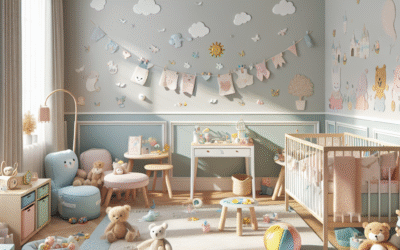
- Image: “Floral Wallpaper Nursery Inspiration Gallery” – A collage of various nursery styles (classic, bohemian, modern) featuring different floral wallpapers.
- Diagram: “How to Measure for Wallpaper” – A simple illustration explaining how to calculate rolls needed, accounting for pattern repeat.
Maintaining Your Floral Wallpaper for Nurseries: Tips for Longevity
Once your floral wallpaper for nurseries is beautifully installed, the final step is ensuring its longevity. Proper care and maintenance are crucial to keep it looking fresh, vibrant, and beautiful through years of baby giggles, playtime, and inevitable little messes. Here’s how to protect your investment.
Regular Cleaning and Dusting
Just like any other surface in the home, wallpaper collects dust. Regular, gentle cleaning prevents dust buildup from dulling the vibrant colors of your floral patterns.
- Weekly Dusting: Use a soft, dry cloth or a feather duster to gently wipe down the walls. A vacuum with a brush attachment can also work for larger areas.
- Avoid Harsh Rubbing: Be gentle, especially if the wallpaper has any delicate texture or raised elements.
Spot Cleaning for Spills and Marks
Accidents happen, especially in a nursery. Prompt and correct spot cleaning is essential. The type of cleaning depends on the wallpaper’s material and washability rating.
- Check Washability: Refer to the manufacturer’s instructions for the specific cleaning symbols on your wallpaper.
- Wipeable: Can withstand gentle wiping with a damp cloth.
- Washable: Can be cleaned with mild soap and water.
- Scrubbable: Can endure more rigorous cleaning with a soft brush and detergent.
- Act Quickly: For any spill (spit-up, food, etc.), blot the area immediately with a clean, dry white cloth. Do not rub, as this can spread the stain.
- Gentle Cleaning Solution: For washable wallpapers, mix a very mild solution of dish soap and warm water. Dampen a clean, white cloth (don’t soak it) and gently wipe the stained area. Work from the outside of the stain inwards.
- Rinse and Dry: Use a separate clean cloth dampened with plain water to wipe away any soap residue. Pat the area dry with a clean, dry cloth.
- Test in an Inconspicuous Area: Before applying any cleaning solution, always test it on a small, hidden area of the wallpaper to ensure it doesn’t cause discoloration or damage.
- Avoid Abrasive Cleaners: Never use harsh chemicals, abrasive sponges, or strong detergents, as these can strip the finish, fade colors, or damage the wallpaper material.
Protecting Against Wear and Tear
Nurseries inevitably see a lot of activity. A few preventative measures can extend the life of your floral wallpaper for nurseries.
- Furniture Placement: Avoid pushing furniture directly against wallpapered walls, as it can scuff, dent, or tear the paper. Leave a small gap or use felt pads on the back of furniture.
- High-Traffic Areas: In areas where hands might frequently touch the wall (e.g., near light switches or door frames), you might consider applying a clear, protective guard or investing in durable paint.
- Sunlight Exposure: Direct, prolonged sunlight can fade wallpaper over time, even with UV-resistant inks. Consider curtains or blinds to protect the wallpaper during peak sunlight hours.
- Humidity Control: Excessive humidity can cause wallpaper to peel or warp. Maintain consistent room temperature and humidity levels, particularly in areas like bathrooms (though less common for nurseries, it’s a general wallpaper rule).
Addressing Minor Damage
Despite best efforts, small tears or peels can occur. Being prepared can save the day.
- Keep Leftover Scraps: Always save any leftover wallpaper rolls or large scraps. These are invaluable for patching small damaged areas, ensuring a perfect color and pattern match.
- Re-adhering Peeling Edges: For traditional or pre-pasted wallpaper, a small amount of wallpaper adhesive (available at hardware stores) can be used to re-stick curling seams or edges. For peel and stick, sometimes simply pressing firmly can re-engage the adhesive.
- Small Tears: For small tears, a tiny dab of clear craft glue (like PVA glue) applied with a toothpick can sometimes repair minor damage, allowing the tear to lie flat again.
By following these maintenance tips, your enchanting floral wallpaper for nurseries will remain a beautiful and inspiring backdrop for your child’s early years, looking as fresh as the day it was installed.
Related Content You Might Enjoy
- How to Choose the Safest and Stylish Crib for Your Nursery
- Ultimate Guide to Gender-Neutral Nursery Ideas
- Decorating Your Baby’s Room on a Budget
Further Reading & Resources
- Environmental Working Group (EWG) Guide to Indoor Air Quality – Excellent resource for understanding air quality and toxins in home products.
- Interior Design Magazine – The Biophilic Design Approach to Wellbeing – Explore the broader concept of biophilia and its benefits.
Frequently Asked Questions About Floral Wallpaper for Nurseries
Is floral wallpaper safe for my baby’s nursery?
Yes, modern floral wallpaper for nurseries can be very safe. Prioritize options that are PVC-free, phthalate-free, and printed with water-based, non-toxic inks. Look for certifications like GREENGUARD Gold, which ensures low chemical emissions, contributing to better indoor air quality for your baby’s room.
What type of floral wallpaper is easiest to install?
Peel and stick (self-adhesive) floral wallpaper for nurseries is generally considered the easiest to install, especially for DIY enthusiasts or first-timers. It doesn’t require separate paste or water activation, making the process cleaner and more forgiving, as it’s often repositionable.
Can floral wallpaper be gender-neutral for a nursery?
Absolutely! Floral wallpaper for nurseries can be incredibly versatile. Opt for designs with muted greens, grays, abstract florals, or botanical patterns on a neutral background. Avoid traditional pinks or blues if a strictly gender-neutral theme is desired. Eucalyptus, fern, or monochrome floral patterns are excellent gender-neutral choices.
How do I clean floral wallpaper in a baby’s room?
Always refer to the manufacturer’s specific cleaning instructions. Most modern wallpapers, especially vinyl or non-woven types, are wipeable or washable. For general cleaning, use a soft, dry cloth for dusting. For spills, blot immediately and gently wipe with a damp cloth and a very mild soap solution (if washable), then rinse with plain water and pat dry. Avoid harsh chemicals.
Will my baby outgrow floral wallpaper quickly?
Not necessarily! Many floral wallpaper for nurseries designs feature timeless botanical patterns, whimsical illustrations, or sophisticated large-scale blooms that age gracefully. Choosing a design that isn’t overly childish allows the wallpaper to transition beautifully into a toddler’s room or even a young child’s bedroom, making it a long-lasting investment.
Should I wallpaper all four walls or just an accent wall?
This depends on the size of the room and the boldness of the floral wallpaper for nurseries pattern. In smaller rooms or with very busy patterns, an accent wall often works best to create a focal point without overwhelming the space. For large rooms or with subtle, delicate floral patterns, wallpapering all four walls can create an immersive, enchanting feel. Consider your desired aesthetic and the room’s natural light.
Conclusion: Cultivating Beauty and Serenity with Floral Wallpaper for Nurseries
Creating a nursery is one of the most heartwarming preparations for welcoming a new life. As we’ve explored, the choice of floral wallpaper for nurseries goes far beyond a simple decorative decision; it’s an opportunity to craft a space that is not only visually stunning but also nurturing, stimulating, and safe for your little one. From the whimsical charm of illustrated blooms to the sophisticated elegance of botanical prints, the versatility of floral designs allows for endless creative expression, adapting effortlessly to various themes and evolving with your child’s growth.
We’ve delved into the crucial aspects of safety, prioritizing non-toxic and eco-friendly materials, and discussed the practicalities of durability and ease of cleaning—essential considerations for any baby’s room. Whether you opt for the DIY friendliness of peel and stick or the lasting luxury of traditional wallpaper, the key is informed choice and careful execution. Remember the psychological benefits, from fostering a connection with nature to providing gentle visual stimulation, enriching your child’s earliest experiences.
Ultimately, investing in floral wallpaper for nurseries is about creating a sanctuary that reflects your love and anticipation. It’s about building an enchanting backdrop for first smiles, peaceful naps, and countless cherished memories. So, embrace the beauty of nature’s artistry, unleash your creativity, and design a dream nursery that truly blossoms with life and love. May your chosen floral haven bring joy, tranquility, and endless inspiration to your family for years to come.
Content Disclaimer
The information provided in this article is for general informational and educational purposes only, and is not a substitute for professional design advice or product-specific instructions. While we strive to provide accurate and up-to-date information, individual results may vary. Always consult with a qualified interior designer, contractor, or product manufacturer for specific guidance tailored to your project. Product recommendations are based on general knowledge and not an endorsement of any specific brand.