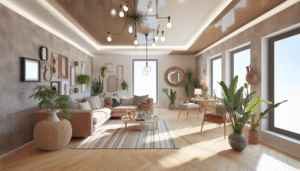


Alright, let’s talk ceilings. Not just any ceilings, mind you, but those sleek, modern gypsum board ceilings, especially when they’re paired with some truly spectacular LED lighting. You know, it’s funny how something as seemingly mundane as a ceiling can completely transform a space, right? For years, ceilings were just, well, ceilings – a plain, flat surface above our heads. But these days, with gypsum board and clever lighting, they’ve become an integral part of interior design, a canvas really. It’s truly something else how a well-designed ceiling can make a room feel bigger, cozier, more luxurious, or even just plain cooler.
Honestly, when you think about it, we spend so much time focusing on walls, furniture, and flooring. But the ceiling? It’s often overlooked, a real missed opportunity! And that’s where gypsum board, sometimes called drywall, scores big. It’s incredibly versatile, relatively easy to work with, and offers a smooth, seamless finish perfect for integrating all sorts of lighting magic. And then you throw in LEDs – oh boy, that’s where the real fun begins. The combination is just *chef’s kiss*. So, let’s peel back the layers and explore why this dynamic duo is becoming the darling of modern home aesthetics.
The Gypsum Board Lowdown: Why It’s a Go-To
First off, what’s gypsum board anyway? Simply put, it’s a panel made of gypsum plaster pressed between two sheets of paper. It’s lightweight, relatively inexpensive, and surprisingly fire-resistant. Think about it: a material that’s easy to cut, shape, and attach, giving you a smooth, paintable surface. That’s a designer’s dream, isn’t it?
Beyond its practical applications, gypsum board, or plasterboard as folks call it in some parts of the world, offers an incredible canvas for creativity. Unlike traditional plastered ceilings which can be a bit messy and rigid, gypsum allows for intricate designs. Want multiple levels? Done. Cove lighting? Easy peasy. Recessed niches? No problem. It’s like playing with giant LEGOs, but for your ceiling. The possibilities are genuinely extensive. Plus, it’s pretty good at noise reduction, which is a nice bonus if you’ve got kids running wild upstairs or just want a quieter space.
You often see it in commercial spaces, right? Offices, retail stores, all those places where a clean, finished look is paramount. But its benefits translate beautifully into residential settings too. Imagine a living room where unsightly wires are hidden away, or a bedroom that just feels… tranquil, all thanks to a well-executed gypsum ceiling. It creates a sort of unified, polished feel that’s hard to achieve with other materials.
LED Lighting: More Than Just Brightness
Now, let’s get to the star of the show: LED lights. Light Emitting Diodes. These aren’t your grandma’s incandescent bulbs, which, bless their hearts, were just not cutting it anymore. LEDs are small, super energy-efficient, and they last forever – well, almost. We’re talking tens of thousands of hours here. Think about that for a second: fewer bulb changes, lower electricity bills.
But it’s not just about saving a buck or two. LEDs offer an unparalleled range of colors and light temperatures. You can have warm, inviting yellows for a cozy evening, or crisp, bright whites for focused work. Some even let you change colors with a flick of a switch or an app on your phone. Talk about setting the mood! This versatility is key when you’re trying to create specific ambiances. We all crave that perfect lighting for every moment, don’t we? Whether it’s movie night, a dinner party, or just a quiet read, LEDs can deliver.
Another cool thing about LEDs is their size. They’re tiny, which makes them perfect for recessed lighting, strip lighting, and all sorts of hidden installations that just wouldn’t be practical with bulkier traditional bulbs. This is where the synergy with gypsum board really shines. You can tuck them away in coves, behind panels, or flush within the ceiling, creating stunning indirect lighting effects that truly elevate the aesthetic. It’s all about crafting that seamless, integrated look.
The Dynamic Duo: When Gypsum Meets LED
So, you’ve got these two fantastic elements – versatile gypsum board and adaptable LED lighting. When they come together, they create something magical. Imagine a tray ceiling, for example, where the outer edges drop down slightly, and a strip of LED lights is cleverly hidden within that recess. The light then bounces off the main ceiling, giving you this soft, diffused glow that just feels heavenly. No harsh glare, just pure ambiance. It’s subtle, sophisticated, and incredibly effective.
This combination really allows for a layered lighting approach. You can have your main recessed LED downlights for general illumination, then add those hidden LED strips for accent lighting, and perhaps even some directional spotlights to highlight artwork or architectural features. It’s like painting with light, and the gypsum board is your perfect canvas. This layering is absolutely crucial for creating a truly comfortable and functional space. Who wants just one type of light for everything? Not me, that’s for sure!
Plus, the hidden nature of many LED installations within gypsum designs means you get all the benefits of light without seeing the fixture itself. It’s clean, minimalist, and very much in line with contemporary design trends. It’s about creating an experience, not just illuminating a room. Honestly, once you experience a room with well-integrated gypsum and LED lighting, it’s hard to go back to plain old ceiling fixtures.
Designing Your Dream Ceiling: Where Do You Even Start?
Okay, so you’re sold on the idea. Now what? The design process itself can be a lot of fun, honestly. It starts with understanding what you want the room to *feel* like. Is it a cozy bedroom, a vibrant living space, or a focused home office? Each has different lighting needs and design opportunities.
- Cove Lighting: The Gentle Glow. This is perhaps the most popular application. LEDs are tucked into recesses around the perimeter of the ceiling, casting a soft, indirect light upwards or downwards. It’s fantastic for creating a relaxed atmosphere and making a room feel more spacious. Think about how a subtle wash of light can soften edges and make a room feel truly inviting.
- Recessed Lighting: Clean and Minimal. Small LED downlights can be flush mounted within the gypsum board. They’re great for general illumination and can be strategically placed to highlight specific areas or tasks. You can even get ones that swivel to direct the light where you need it most.
- Tray Ceilings: Adding Depth. These are multi-level ceilings where the central part is higher than the perimeter. The “tray” effect creates a natural ledge for LED strips, making the ceiling appear taller and adding a sense of grandeur. It’s a classic for a reason.
- Geometric Patterns and Custom Shapes: Getting Creative. Gypsum board can be cut and curved to create unique patterns, circles, or even abstract designs. LED strips can then be integrated into these shapes, turning your ceiling into a work of art. Imagine a wavy line of light across your dining room ceiling – pretty cool, right?
- Backlit Panels: A Modern Touch. Sometimes, you can create cutouts in the gypsum board and place translucent panels behind which LEDs are installed. This gives a uniform, glowing panel effect, very contemporary and striking.
When you’re sketching out your ideas, consider the ceiling height. Lower ceilings might benefit from designs that draw the eye upwards, keeping the recessed elements simpler. Higher ceilings, conversely, can handle more elaborate multi-level designs without feeling overwhelming. And don’t forget the practical side: where do you need more light for reading or cooking? Where would dimmer, atmospheric lighting be more appropriate? These are the questions that guide your design.
Installation Insights: What to Expect When You’re Expecting (a New Ceiling)
Alright, let’s talk brass tacks about installation. While the flexibility of gypsum board and LEDs makes design fun, the actual setup needs precision. You can’t just wing it, you know? It typically involves a few key steps:
First, the framing. You need a sturdy metal or wood framework to support the gypsum boards and create the desired ceiling levels or shapes. This is where experienced contractors truly shine, as getting the framework right is absolutely paramount for a flawless finish. Then come the gypsum boards themselves, cut to size and screwed into the framework. This is the structural part, making sure everything is level and smooth.
After the boards are up, it’s taping, mudding, and sanding time. This is where the joints are seamlessly blended, creating that perfectly flat surface. This stage, often underestimated, is critical for a smooth, unblemished finish. Any bumps or visible seams will be painfully obvious once the lights go on. Trust me, you don’t want that.
Then, the electrical work for the LED lights. This should *always* be done by a qualified electrician. Safety first, folks! Wires need to be run, transformers might be needed for certain LED types, and switches need to be installed. Planning this phase early is super important. You don’t want to realize you forgot a switch for your cove lighting after the ceiling is painted!
Finally, the lights are installed, and the whole thing gets painted. Choosing the right paint finish can also play a role in how the light bounces around. Lighter, matte finishes tend to diffuse light better, while glossy ones can create more reflections. Small details, yes, but they make a difference. It’s not a weekend DIY project for most folks, unless you’re truly skilled and have all the right tools. For a proper, professional finish, calling in the experts pays off big time.
Benefits Beyond Beauty: Why This Combo is More Than Just a Pretty Face
Okay, sure, it looks fantastic. That’s probably the first thing that comes to mind. But the advantages of gypsum board ceilings with LED lights go well beyond mere aesthetics.
- Energy Efficiency: We touched on this, but it’s worth repeating. LEDs use significantly less electricity than traditional bulbs. This means lower energy bills and a smaller carbon footprint. It’s a win-win for your wallet and the planet. Who doesn’t appreciate that?
- Durability and Longevity: Gypsum board is quite durable once installed, and LEDs last for years, sometimes decades. This means less maintenance and fewer replacements. If you’re like me, you probably hate climbing ladders to change bulbs, so this is a huge plus.
- Improved Aesthetics and Property Value: A well-designed ceiling can truly elevate the look and feel of a home. It adds a touch of luxury and sophistication that can definitely appeal to potential buyers down the line, increasing your home’s appeal and potentially its value.
- Versatility and Customization: As we’ve explored, the design possibilities are virtually endless. From subtle ambient lighting to dramatic architectural statements, you can tailor it precisely to your taste and needs. Your home, your rules, your unique ceiling!
- Concealed Services: This is a big one for some folks. Gypsum board false ceilings are fabulous for hiding unsightly electrical wiring, plumbing, and even air conditioning ducts. It keeps everything neat and tidy, giving you that clean, seamless look without any visual clutter. Take a peek at some examples on Houzz to see just how tidy they can make things.
- Acoustic and Thermal Insulation: Depending on the type of gypsum board and how it’s installed, it can offer some level of soundproofing and insulation, contributing to a quieter and more energy-efficient home overall. It’s not just about what you see, but what you feel, too.
Potential Pitfalls and How to Sidestep Them
Now, it’s not all rainbows and sunshine. Like anything else, there can be a few snags if you’re not careful. But forewarned is forearmed, right?
One common misstep is poor planning. Seriously, don’t rush the design phase. A hastily conceived plan can lead to weird light placement, insufficient illumination, or an overall cluttered look. Think about furniture placement, traffic flow, and how natural light enters the room before you finalize your ceiling design. It’s a bit like chess; you need to think several moves ahead.
Another big one is ventilation for the lights. While LEDs don’t generate as much heat as traditional bulbs, they still produce some, especially in recessed fixtures. Ensuring proper ventilation for the light fixtures is crucial for their longevity. Overheating can significantly shorten the lifespan of your expensive LEDs. So, always make sure there’s enough space around the fixtures.
And then there’s the quality of materials and workmanship. Skimping on the quality of gypsum board, the framing materials, or especially the LED fixtures themselves can lead to problems down the road – cracks in the ceiling, flickering lights, or premature failure. And for heaven’s sake, hire skilled professionals! This isn’t a job for your cousin’s friend who “does a bit of everything.” A poorly installed gypsum ceiling can sag, crack, or just look terrible. And bad electrical work? A definite no-go. Electrical safety is paramount, so always go with certified electricians.
Finally, maintenance. While LEDs are low maintenance, the gypsum board itself needs to be cared for. Any water damage, for instance, can wreak havoc on it. Make sure your roof and plumbing are in good shape before investing in a beautiful new gypsum ceiling. You wouldn’t want a tiny leak to ruin your masterpiece, would you?
Cost Considerations: What’s Your Budget Saying?
Let’s talk money, because that’s always a factor, isn’t it? The cost of a gypsum board ceiling with integrated LED lighting can vary wildly. It really depends on several things:
- The complexity of the design: A simple flat ceiling with recessed lights will be much cheaper than a multi-level, intricately curved design with hidden cove lighting and complex wiring.
- The quality of materials: High-end, branded gypsum boards and premium LED fixtures will naturally cost more.
- Labor costs: This varies significantly by region and the expertise of your contractor.
- Size of the room: Larger rooms obviously require more materials and labor.
Generally, you’ll find that while the initial outlay might be a bit higher than a basic plastered ceiling with standard light fixtures, the long-term savings from LED energy efficiency often make it a worthwhile investment. Think of it as investing in your home’s future and your daily comfort. Get a few quotes from different reputable contractors to get a realistic idea of the budget you’ll need. And always make sure the quotes are detailed, breaking down material and labor costs. No surprises, please!
Wrapping It Up: Is This Your Home’s Next Big Glow-Up?
So, there you have it. Gypsum board ceilings with integrated LED lighting aren’t just a fleeting trend; they’re a smart, stylish, and incredibly practical choice for modern homes. They offer a fantastic blend of aesthetics, functionality, and energy efficiency that’s pretty hard to beat.
Whether you’re looking to create a serene bedroom oasis, a dynamic living room for entertaining, or a focused workspace, this combination gives you the tools to achieve it. It’s about designing an experience, not just installing a ceiling. It’s about leveraging technology to enhance your daily life and elevate your space from ordinary to extraordinary.
Honestly, pause for a moment and just look up at your current ceiling. Does it spark joy? Does it contribute to the overall vibe of your room, or is it just… there? If it’s the latter, maybe it’s time to consider a gypsum and LED transformation. It could be the brightest decision you make for your home! What are you waiting for?
Frequently Asked Questions
It depends on your existing ceiling’s design. If you have existing coves or recesses, it might be relatively straightforward. However, if you want a fully integrated look with hidden fixtures, it often requires modifications to the gypsum structure, which might be a more involved project.
High-quality LED lights can last anywhere from 25,000 to 50,000 hours, or even more. This often translates to 10-20 years or longer with typical household use, making them a very durable option compared to traditional bulbs.
Yes, absolutely! However, you must use moisture-resistant gypsum board (often called “green board” or “aqua board”) and moisture-rated LED fixtures suitable for damp or wet locations. Proper ventilation in the bathroom is also crucial to prevent moisture buildup.
Generally, no. LEDs produce far less heat than incandescent bulbs. However, proper ventilation around recessed fixtures is still important to ensure the longevity of the LED drivers and chips. Overheating can shorten their lifespan, not necessarily damage the gypsum board itself.
Yes, many modern LED systems offer color-changing (RGB) capabilities or tunable white options, allowing you to adjust the warmth or coolness of the light. This functionality is typically controlled via a remote, wall switch, or a smartphone app, provided you install the correct type of LED fixtures and control systems.
Minor damage like small holes or cracks can be patched with joint compound and painted. For larger damage or structural issues, sections of the gypsum board might need to be replaced. While not overly complex for small repairs, larger fixes might require professional help to ensure a seamless finish.
function toggleAnswer(element) {
const answer = element.nextElementSibling;
if (answer.style.display === “block”) {
answer.style.display = “none”;
} else {
answer.style.display = “block”;
}
}
Disclaimer
Please note that this article provides general information and inspiration regarding gypsum board ceilings with LED lights. Home improvement projects, especially those involving electrical work, can be complex and potentially hazardous. It is highly recommended to consult with qualified professionals, such as experienced contractors, electricians, and interior designers, before undertaking any major renovations. Always adhere to local building codes and safety regulations. The author and publisher are not responsible for any actions taken based on the information presented.
Categories
- Accent Walls & Ceilings (84)
- Art Curation & Gallery (83)
- Bedding Style Trends (89)
- Bedroom Makeover (96)
- Bohemian & Eclectic Styles (80)
- DIY & Budget-Friendly Decor (78)
- Eco-Friendly Design (83)
- Furniture Care (87)
- Home Decor & Design Ideas (181)
- Home Wellness Spaces (103)
- Integrated Outdoor Living (91)
- Japandi Style (84)
- Kids and Nursery Decor (73)
- Living Room Decor (99)
- Mix & Match Techniques (95)
- Modern & Contemporary Design (88)
- Rug Sizing & Placement (89)
- Scandinavian Design Inspiration (51)
- Seasonal Home Decor (100)
- Small Space Solutions (93)
- Wall Art & Painting Tips (94)
Recent Comments
Archives
Product Gallery
-
 Majestic African Wildlife Canvas Art for Stylish Home Decor
Rated 5.00 out of 5
Majestic African Wildlife Canvas Art for Stylish Home Decor
Rated 5.00 out of 5 -
 Cozy Irregular Green Plush Rug for Nordic Living Spaces
Rated 5.00 out of 5$45.53 – $287.11Price range: $45.53 through $287.11
Cozy Irregular Green Plush Rug for Nordic Living Spaces
Rated 5.00 out of 5$45.53 – $287.11Price range: $45.53 through $287.11 -
 Scandinavian Geometric Area Rugs for Stylish Home Décor
Rated 5.00 out of 5$34.12 – $516.89Price range: $34.12 through $516.89
Scandinavian Geometric Area Rugs for Stylish Home Décor
Rated 5.00 out of 5$34.12 – $516.89Price range: $34.12 through $516.89