

Have you ever felt your home is cluttered and chaotic? Japandi minimalist home renovation ideas offer a harmonious blend of Japanese simplicity and Scandinavian functionality to create tranquil, elegant interiors. In this guide, you’ll learn practical ways to transform your home into a peaceful sanctuary that radiates calmness and style.
This article walks you through Japandi design principles, clever renovation techniques, specific material and furniture choices, and expert tips for maximizing light and space. Whether you’re planning a full home overhaul or a subtle refresh, these ideas have you covered.
Table of Contents
- Understanding the Japandi Aesthetic
- Key Elements in Japandi Minimalist Renovations
- Room-by-Room Renovation Ideas
- Materials, Furniture, and Color Palette
- Lighting and Accessory Strategies
- FAQ: Japandi Minimalist Home Renovation
- Conclusion & Next Steps
Understanding the Japandi Aesthetic: A Cohesive Blend of East and West
The Japandi style is a fresh design trend that artfully merges the rustic warmth of Scandinavian décor with the refined simplicity of Japanese interiors. At its core, Japandi embodies minimalism but softens it with natural textures and thoughtful functionality.
Its popularity has soared because it addresses the common home renovation challenge: how to achieve a space that feels uncluttered yet inviting. Japandi offers a solution by celebrating purposeful living, clean lines, and tactile comfort.
What Defines Japandi Minimalism?
- Minimalist with Warmth: Unlike stark minimalism, Japandi includes cozy elements such as wood grain and soft textiles.
- Muted Palette: Subdued earth tones and natural hues dominate, creating a serene atmosphere.
- Functionality Meets Beauty: Every piece serves a purpose but also contributes aesthetic value.
- Loose Symmetry: Balance without rigidity, reflecting wabi-sabi, the beauty of imperfection.
Why Japandi Works for Home Renovations
Renovating a home can easily lead to overbuilding or excessive décor. Japandi keeps renovation projects grounded, emphasizing quality over quantity, and sustainability. It preserves space by encouraging multi-functional areas, making it great for busy modern lifestyles.
Research from the American Society of Interior Designers shows that homeowners adopting minimalistic styles report 25% higher satisfaction with their living space’s atmosphere. Japandi takes that minimalism and adds a layer of warmth many crave.
Key Elements in Japandi Minimalist Renovations: Essentials for a Balanced Home
When you renovate with Japandi in mind, focus on core elements that create cohesion and flow. Whether updating a kitchen or adding built-in storage, these fundamentals guide choices and ensure every change enhances the home’s calm vibe.
1. Clean Lines with Organic Shapes
Interior architecture should emphasize simple silhouettes without harsh industrial edges. Curved wood furniture or softly rounded door frames embody this idea. Think: smooth yet subtle.
2. Natural Materials
Wood is king in Japandi interiors, especially finishes like oak, ash, or walnut with visible grain. Bamboo and rattan also add texture. Stone countertops or tiles in neutral tones complement wood’s warmth.
3. Neutral Color Schemes with Earthy Accents
Whites, beiges, and grays form the basis with occasional muted blues or greens. These muted colors are easy to pair and promote visual tranquility. Explore “taupe,” “greige,” and soft sage in paint samples.
4. Functional Storage Systems
Minimalism requires thoughtful storage solutions that reduce clutter. Integrated shelves, sliding cabinets, and multipurpose furniture keep surfaces free from distraction.
5. Biophilic Touches
Incorporate indoor plants that thrive in indirect light, like snake plants or peace lilies, to accentuate nature’s calming influence without overwhelming the space.
6. Textural Layering
Add warmth through natural textiles such as linen curtains, wool throws, or cotton cushions in neutral colors, enhancing comfort alongside sleek architecture.
Room-by-Room Renovation Ideas for Japandi Minimalist Homes
Living Room: The Heart of Calm
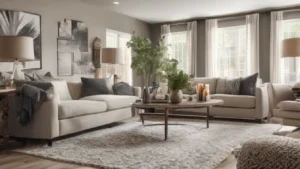
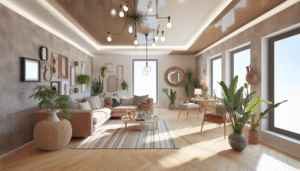
Start with a soft, low-profile sofa framed by natural wood. Avoid bulky furniture. Consider a tatami-style seating arrangement for authenticity. Use built-in shelving with hidden compartments to minimize clutter.
- Swap heavy drapes for linen or bamboo blinds that diffuse natural light.
- Add a simple coffee table with natural finishes and curved edges.
Kitchen: Simple, Efficient, and Stylish
Japandi kitchens blend functionality with understated beauty. Opt for handleless cabinetry in matte shades of cream or gray paired with wood accents.
- Open shelving for everyday items adds openness.
- Use stone or concrete countertops with matte finishes to keep a natural outlook.
Bedroom: A Minimalist Retreat
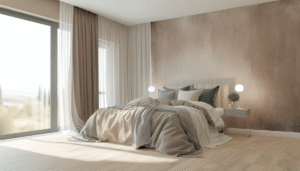
Invest in a low wooden bed frame with muted bedding. Keep decoration minimal to encourage restfulness. Choose soft lighting with paper or fabric shades that provide warmth without glare.
- Wall-mounted bedside lights save space and reduce clutter.
- Sliding doors or room dividers maintain openness while offering privacy.
Bathroom: Clean Lines with Organic Touches
Use stone or wood-look tiles for warmth. Floating vanities avoid heavy visual weight and provide storage. Add wooden bath accessories and matte black fixtures for contrasting detail.
- Large round mirrors soften hard lines.
- Keep countertops clear, with storage for toiletries.
Materials, Furniture, and Color Palette for a Timeless Japandi Look
Material Selection: Texture Meets Function
The tactile quality of materials defines Japandi’s appeal. Incorporate:
- Wood: Sustainable oak, walnut, or bamboo furniture and floors.
- Natural Fibers: Linen curtains, jute rugs, wool throws.
- Stone and Ceramic: Matte-finish tiles, unpolished stone sinks.
Furniture Choices: Less Is More
Multi-use furniture that reflects clean lines yet invites comfort works best:
- Low-profile sofas and beds.
- Minimalist dining tables paired with slightly curved chairs.
- Storage benches or ottomans that double as seating.
Color Palette: Finding Balance
| Color Family | Usage | Effect |
|---|---|---|
| Neutral Whites & Creams | Walls and ceilings | Brightens and visually expands room |
| Earthy Browns and Beiges | Flooring, wood accents | Creates warmth and grounding effect |
| Gray & Greige | Cabinetry, textiles | Soft contrast, modern feel |
| Muted Greens and Blues | Accessories, cushions | Soothing and natural touch |
Lighting and Accessory Strategies That Elevate Japandi Spaces
Natural Lighting: Maximizing Daylight
Japandi design treasures natural light. Maximize window exposure with sheer linen curtains or bamboo shades that soften without blocking light. If renovation allows, consider enlarging windows or adding skylights.
Artificial Lighting: Layered and Warm
- Ambient Lighting: Soft overhead fixtures with dimmers help control moods.
- Task Lighting: Adjustable desk lamps and under-cabinet lighting aid focused activities.
- Accent Lighting: Warm LED strips highlight shelves or artwork subtly.
Accessories: Subtle Statements
Stick to one or two carefully chosen décor pieces per room. Examples include handcrafted ceramic vases, ikebana floral arrangements, or woven baskets. These touches add culture and storytelling without mess.
Tip: Avoid over-accessorizing to uphold the minimalist spirit.
FAQ: Japandi Minimalist Home Renovation
What is the main difference between Japandi and Scandinavian styles?
While Scandinavian design focuses on bright, airy spaces with a functional approach, Japandi fuses that with Japanese minimalism’s warmth and natural textures, creating a cozier and more serene atmosphere.
How can I achieve Japandi minimalism on a budget?
Start with simple decluttering and use paint to switch your walls to neutral tones. Incorporate secondhand wooden furniture and DIY natural décor like woven baskets or linen cushions to add texture without high costs.
Are Japandi homes suitable for small spaces?
Absolutely. Japandi embraces functionality and smart storage, making even compact spaces feel open and calm through uncluttered layouts and multi-use furniture.
What type of flooring suits Japandi renovations?
Warm wood floors like oak or bamboo are ideal. For budget options, laminate wood floors with matte finishes can replicate the look while maintaining durability and ease of care.
Can I mix Japandi with other interior styles?
Japandi works best when it remains the dominant theme, but you can blend it with subtle modern or mid-century elements if they share clean lines and natural materials.
Where can I find authentic Japandi furniture pieces?
Look for artisans specializing in Scandinavian or Japanese crafts, or trusted retailers like Muji and IKEA’s natural collections. Also consider custom woodworking for unique pieces.
How do I maintain a Japandi minimalist home after renovation?
Regularly declutter, keep surfaces clean, and rotate décor seasonally. Treat maintenance of natural materials with recommended oils and cleaners to preserve textures and color.
Conclusion & Next Steps Toward Your Japandi Minimalist Home
Japandi minimalist home renovation ideas provide a blueprint for crafting a tranquil, beautiful living space that embraces simplicity and natural elegance. By focusing on clean lines, warm materials, and thoughtful lighting, your home can become a serene refuge from daily chaos — all while reflecting timeless style.
Ready to start? Begin by auditing your current space for clutter and color imbalances, then plan incremental changes using elements we’ve covered. Explore more detailed guides on Scandinavian home décor inspiration and minimalist furniture selection.
Share your renovation journey with community forums or subscribe to stay updated with new Japandi design trends and practical tips.
Content Disclaimer
The information provided in this article is for educational purposes only and based on professional experience and referenced materials. Results from home renovations may vary depending on individual circumstances and professional consultation is advised before undertaking significant structural changes.
Categories
- Accent Walls & Ceilings (84)
- Art Curation & Gallery (83)
- Bedding Style Trends (89)
- Bedroom Makeover (96)
- Bohemian & Eclectic Styles (80)
- DIY & Budget-Friendly Decor (78)
- Eco-Friendly Design (83)
- Furniture Care (87)
- Home Decor & Design Ideas (181)
- Home Wellness Spaces (103)
- Integrated Outdoor Living (91)
- Japandi Style (84)
- Kids and Nursery Decor (73)
- Living Room Decor (99)
- Mix & Match Techniques (95)
- Modern & Contemporary Design (88)
- Rug Sizing & Placement (89)
- Scandinavian Design Inspiration (51)
- Seasonal Home Decor (100)
- Small Space Solutions (93)
- Wall Art & Painting Tips (94)
Recent Comments
Archives
Product Gallery
-
 Majestic African Wildlife Canvas Art for Stylish Home Decor
Rated 5.00 out of 5
Majestic African Wildlife Canvas Art for Stylish Home Decor
Rated 5.00 out of 5 -
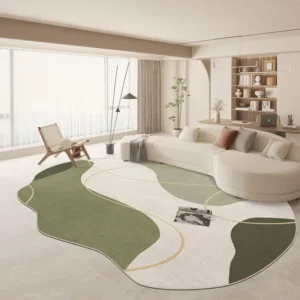 Cozy Irregular Green Plush Rug for Nordic Living Spaces
Rated 5.00 out of 5$33.00 – $203.00Price range: $33.00 through $203.00
Cozy Irregular Green Plush Rug for Nordic Living Spaces
Rated 5.00 out of 5$33.00 – $203.00Price range: $33.00 through $203.00 -
 Scandinavian Geometric Area Rugs for Stylish Home Décor
Rated 5.00 out of 5$25.00 – $365.00Price range: $25.00 through $365.00
Scandinavian Geometric Area Rugs for Stylish Home Décor
Rated 5.00 out of 5$25.00 – $365.00Price range: $25.00 through $365.00