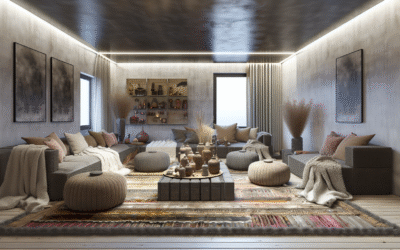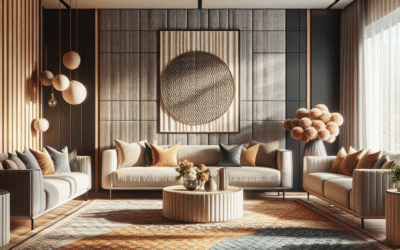
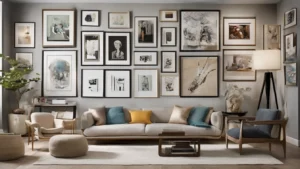

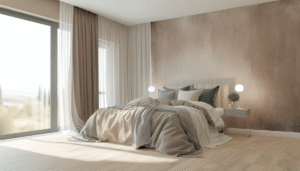
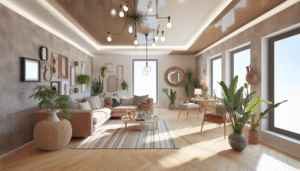


Japandi style minimalist tech integration creates a seamless balance of function and beauty—simplify life with smart devices that complement serene interiors.
Ever feel overwhelmed by gadgets cluttering your living space? Japandi style minimalist tech integration offers a refreshing solution: merging smart technology subtly into a calming, minimalist aesthetic inspired by Japanese and Scandinavian design. This approach not only keeps rooms visually peaceful but also enhances daily living through easy, intuitive technology.
This article guides you through blending thoughtful tech with Japandi minimalism. You’ll learn how to select devices, maintain clean lines, and optimize functionality without sacrificing style. Plus, discover practical tips and tools to create a home that feels both modern and timeless.
Here’s what you’ll explore:
- The core principles of Japandi design and minimalism
- How to choose and hide tech to maintain clean aesthetics
- Smart home tech that suits Japandi interiors
- Implementing tech with sustainable and mindful practices
- Case studies and actionable steps to transform your space
Understanding Japandi Style and Minimalism
The Japandi style is a sophisticated fusion of Japanese wabi-sabi and Scandinavian hygge, emphasizing simplicity, natural textures, and functionality. It encourages spaces free of excess where every object has both a use and visual appeal — a perfect setting for minimalist tech integration.
Core Principles of Japandi Design
Japandi’s hallmark lies in understated elegance through balance and harmony:
- Natural materials: Wood, bamboo, rattan, stone
- Neutral color palettes: Soft whites, warm earth tones, muted blues and greens
- Craftsmanship: Perfect imperfections and hand-made details
- Functional simplicity: Clean lines and no clutter
These features create a backdrop that reduces mental noise, making it ideal for integrating technology without visual interruption.
Minimalism: Why Less Means More
Minimalism centers on quality over quantity. In tech integration, this means:
- Choosing multifunctional devices
- Reducing visible wires and gadgets
- Prioritizing user experience and effortless control
Minimalist tech integration is less about having the latest device and more about having the right device positioned thoughtfully.
How Japandi Complements Modern Technology
The quiet, calm character of Japandi style offers the perfect canvas for smart tech—especially devices that either disappear visually or enhance the atmosphere without demanding attention. Think of voice assistants embedded in wood finishes or hidden charging stations under minimalist consoles.
Choosing Technology for Japandi Style Minimalism
Selecting technology isn’t just about specs; it’s about fitting tech to your lifestyle and aesthetic. In Japandi spaces, this means favoring devices that blend with the environment and reduce clutter.
Invisible Integration Techniques
Keeping technology out of sight maintains the room’s tranquility:
- Built-in solutions: Use in-wall speakers, recessed lighting, and smart switches
- Wireless devices: Minimize cables by opting for Wi-Fi or Bluetooth gadgets
- Natural finishes: Select tech products with wood or neutral casing to harmonize with décor
Multi-Functional Smart Devices
Multipurpose devices align with minimalist ideals by reducing gadget count:
- Smart displays: Serve as art frames, weather stations, and communication hubs
- Voice assistants: Control multiple home functions hands-free
- Smart lighting: Adjust ambiance and energy use dynamically
Tech Aesthetics: When Style Meets Function
Value subtle design cues in technology:
- Compact and sleek shapes: Devices that don’t command attention
- Matte and natural tones: Surfaces that reduce glare and fit Japandi palettes
- Textural variety: Pair tech with woven trays or wooden stands to soften their presence
Smart Home Devices Ideal for Japandi Interiors
Not all smart technology fits the Japandi ethos — here are carefully selected tools enhancing minimalist tech integration:
Smart Lighting Systems
Lighting sets the tone. Opt for:
- Philips Hue: Customizable color temperatures that mimic natural light cycles
- LIFX Beam: Modular, wall-mounted lighting with subtle designs
Wireless Audio Solutions
For sound without clutter:
- Echobox Subtle Speaker: Wood encased wireless speaker blending with décor
- Bose SoundLink Revolve: Portable, minimalistic Bluetooth speaker with 360-degree sound
Smart Climate Control
Control environment simply and intuitively:
- Nest Thermostat: Sleek, energy-efficient design with learning capabilities
- Dyson Pure Cool: Air purifying fan with minimalist design
Voice Assistant Devices
Assistants with discreet presence:
- Google Nest Mini: Compact, fabric-covered smart speaker
- Amazon Echo Dot (4th Gen): Globe-shape with soft LED, easily concealed
Comparison Table: Top Japandi-Friendly Smart Devices
| Device | Function | Design Feature | Price Range |
|---|---|---|---|
| Philips Hue | Smart Lighting | Customizable, natural tones | $$$ |
| Google Nest Mini | Voice Assistant | Compact, fabric cover | $ |
| Bose SoundLink Revolve | Wireless Speaker | 360° sound, sleek | $$ |
| Nest Thermostat | Smart Thermostat | Minimalist interface | $$$ |
| Dyson Pure Cool | Air Purifier + Fan | Modern form, quiet | $$$$ |
Sustainable and Mindful Tech Practices in Japandi Design
Japandi philosophy embraces mindfulness — this naturally extends to how technology is selected and used.
Prioritize Energy Efficiency
Choose devices with Energy Star ratings or smart power-saving features. Smart lighting and thermostats that learn your schedules can cut down unnecessary energy use by up to 30%.
Upcycling and Decluttering
Reuse existing tech or renovate rather than replace when possible. Avoid gadget overload; opt for fewer, higher-quality devices.
Eco-Friendly Materials
Seek products with wood, bamboo, or recycled materials. Brands like Satechi and Logitech have started rolling out eco-conscious tech accessories.
Minimal Impact Setup Tips
- Tuck devices behind furniture or inside cabinets with smart sensors for remote control
- Use cable management solutions made from natural fibers instead of plastic wraps
- Implement wireless charging pads embedded in wooden trays or desks
Case Studies: Real-World Japandi Style Minimalist Tech Integration
Case Study 1: Scandinavian-Japanese Inspired Loft in Copenhagen
Architect Mette Jorgensen integrated a smart thermostat and full wireless audio system concealed within natural oak cabinetry. The lighting was programmed to follow natural daylight, reducing eye strain and power consumption. The resulting space offered a calm yet connected lifestyle praised by inhabitants for its seamless tech invisibility.
Case Study 2: Tokyo Minimalist Apartment
Interior designer Haruki Tanaka chose matte black smart panels that blend into the wall, paired with tactile wooden wall hangings hiding devices and Wi-Fi routers. Voice assistants with fabric covers reduce loudness, creating a cocoon-like atmosphere appreciated for peaceful focus and effortless automation.
Actionable Takeaways from These Examples
- Integrate tech into existing storage or furniture instead of freestanding units
- Align lighting automation closely with natural circadian rhythms
- Match device finishes with room materials to reduce visual noise
Step-by-Step Implementation Guide for Japandi Style Minimalist Tech Integration
1. Audit Your Space and Needs
Identify which technologies you currently use, how they serve your lifestyle, and areas to simplify.
2. Choose Devices with Dual Purpose
Select tech that will serve multiple functions, reducing overall device count without compromising utility.
3. Conceal or Integrate Tech
Use furniture, built-ins, or cord management solutions to hide tech elements and cables.
4. Set Up Smart Routines
Program lighting, climate, and security to automate based on your schedule for effortless comfort.
5. Maintain Minimal Visual Impact
Regularly declutter and re-evaluate device placement to sustain a fresh, calming environment.
Suggested Tools
- Cable Concealers: Natural fiber braided sleeves or wood-look cable channels
- Smart Home Hub: Samsung SmartThings or Apple HomeKit for centralized control
- Organizer Apps: Trello or Notion for tracking setup progress and upgrades
Visual Content Suggestions
An infographic illustrating “Before and After Japandi Tech Integration” showing clear spaces with hidden wires versus cluttered setups.
Frequently Asked Questions about Japandi Style Minimalist Tech Integration
What is Japandi style?
Japandi style is a blend of Japanese and Scandinavian design philosophies, focusing on minimalism, natural materials, and a serene, functional living environment.
How do I choose tech that fits Japandi interiors?
Select devices with simple shapes, natural finishes, and multifunctionality to avoid clutter. Wireless and built-in options work best.
Can I integrate smart tech without ruining the minimalist look?
Yes, use concealment techniques like cabinetry, wireless solutions, and devices designed with subtle aesthetics.
What are common mistakes when blending tech with Japandi style?
Overloading on gadgets, exposing cables, and using bright or flashy devices that clash with the natural palette are common pitfalls.
Is sustainable technology important for Japandi design?
Absolutely. Japandi values mindfulness, so choosing energy-efficient, long-lasting devices with eco-friendly materials supports that ethos.
How can I maintain a tech-balanced Japandi home over time?
Regularly assess tech needs, tidy cables, update smart routines, and ensure devices are still enhancing rather than distracting.
Are certain brands better for Japandi-inspired tech?
Brands focusing on simplicity and sustainability, like Nest, Philips Hue, and select artisanal tech companies, align well with Japandi principles.
Content Disclaimer
Information provided in this article is for educational purposes only. Individual results with home technology integration may vary based on personal circumstances and product selections.
Categories
- Accent Walls & Ceilings (84)
- Art Curation & Gallery (83)
- Bedding Style Trends (89)
- Bedroom Makeover (96)
- Bohemian & Eclectic Styles (80)
- DIY & Budget-Friendly Decor (78)
- Eco-Friendly Design (83)
- Furniture Care (87)
- Home Decor & Design Ideas (181)
- Home Wellness Spaces (103)
- Integrated Outdoor Living (91)
- Japandi Style (84)
- Kids and Nursery Decor (73)
- Living Room Decor (99)
- Mix & Match Techniques (95)
- Modern & Contemporary Design (88)
- Rug Sizing & Placement (89)
- Scandinavian Design Inspiration (51)
- Seasonal Home Decor (100)
- Small Space Solutions (93)
- Wall Art & Painting Tips (94)
Recent Comments
Archives
Product Gallery
-
 Majestic African Wildlife Canvas Art for Stylish Home Decor
Rated 5.00 out of 5
Majestic African Wildlife Canvas Art for Stylish Home Decor
Rated 5.00 out of 5 -
 Cozy Irregular Green Plush Rug for Nordic Living Spaces
Rated 5.00 out of 5$43.73 – $275.79Price range: $43.73 through $275.79
Cozy Irregular Green Plush Rug for Nordic Living Spaces
Rated 5.00 out of 5$43.73 – $275.79Price range: $43.73 through $275.79 -
 Scandinavian Geometric Area Rugs for Stylish Home Décor
Rated 5.00 out of 5$32.78 – $496.51Price range: $32.78 through $496.51
Scandinavian Geometric Area Rugs for Stylish Home Décor
Rated 5.00 out of 5$32.78 – $496.51Price range: $32.78 through $496.51