


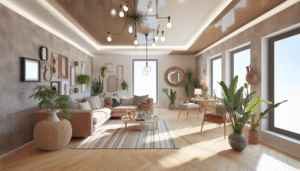

Mastering Artful Harmony: Selecting Paintings to Accentuate Architectural Features

Have you ever felt that your home’s architectural features—such as majestic crown moldings, exposed brick walls, or soaring vaulted ceilings—aren’t getting the attention they deserve? This is a common challenge for many homeowners and interior enthusiasts alike. Choosing the right painting to complement your space is not just about color or size; it’s an art that demands understanding the interplay between artwork and architecture.
In this guide, you’ll master artful harmony by selecting paintings that truly accentuate architectural features, adding depth and personality to your interiors. Whether it’s a grand archway or a subtle wainscoting, you’ll learn strategies to enhance these elements thoughtfully, making your living space both captivating and cohesive.
Here’s a quick roadmap of what you will discover:
- Why architectural features matter in art selection
- How to choose paintings that complement textures, colors, and shapes
- Practical placement tips tailored to common architectural details
- Real-life case studies showing transformational effects
- Recommended tools and materials to streamline your design process
Understanding Architectural Features and Their Visual Impact
Before diving into painting selection, consider what architectural details you want to highlight. Features such as crown molding, wainscoting, exposed beams, or large windows act as natural focal points in a room and influence how artwork is perceived.
What Are Architectural Features?
Architectural features are the structural and decorative elements that define a space’s character. They range from large-scale elements like arches and ceiling beams to finer details such as window casings or decorative trims. Recognizing these helps in choosing art that complements rather than competes.
Why Paintings Should Accentuate, Not Overwhelm
Paintings can either harmonize with or detract from a room’s architectural strengths. Artwork that clashes can make a space feel cluttered or chaotic, while well-chosen pieces create a sense of balance and focus, enhancing a room’s unique appeal.
Actionable Takeaways
- Inventory your key architectural elements before shopping for art.
- Note the texture, color palette, and scale of features to find art that complements.
- Visualize how a painting’s colors and shapes will interact with existing details.
Choosing Paintings to Match Different Architectural Styles
Each architectural style—from modern minimalism to classic Victorian—demands specific considerations when selecting paintings. Let’s explore how to align art choices with common architectures.
Modern and Minimalist Architecture
In sleek, minimalist interiors, paintings should echo the space’s clean lines and subtle textures. Abstract or monochrome art often works well, maintaining simplicity while adding visual interest without clutter.
Classic and Traditional Architecture
Spaces rich in crown molding, ornate trims, and classic woodwork pair beautifully with realist paintings, portraits, or landscapes that embrace rich colors and intricate details.
Industrial and Loft Spaces
Exposed brick walls, metal pipes, and raw finishes call for bold, graphic paintings or street art styles to enhance the edgy vibe.
Rustic and Cottage Style
Soft landscapes, florals, or vintage botanical prints bring warmth and charm, complementing wood beams and stone accents.
Actionable Takeaways
- Select paintings whose style reflects or thoughtfully contrasts your room’s architecture.
- Consider texture and medium—e.g., metal sculptures for industrial spaces, oil canvases for traditional settings.
- Use frames that either blend with or intentionally stand out from architectural trims.
Size, Scale, and Placement: Aligning Paintings with Structural Elements
Size and placement are often underestimated but critical in ensuring a painting compliments architectural features seamlessly. Let’s decode these aspects.
Matching Painting Size to Wall and Feature Dimensions
If a wall boasts a grand arch or an expansive wainscoting, oversized artworks work well to anchor the space. In contrast, smaller paintings suit intricate moldings or narrow panels. The key is balance—oversized art overwhelm small features and vice versa.
Strategic Placement Tips
- Above Mantels: Center a painting larger than the mantel’s width but leave some breathing room around edges.
- Between Windows: Narrow vertical paintings emphasize height and flow with window shapes.
- Below Crown Moldings: Ensure art doesn’t touch the molding—leave margin to maintain architectural integrity.
Actionable Takeaways
- Measure before purchasing and plan for proportional relationships.
- Mock-up placement using paper templates or design software.
- Experiment with levels—eye-level placement isn’t always the right choice if accentuating vertical features.
Using Color and Texture to Complement Architectural Details
Color and texture are powerful tools for strengthening the visual bond between paintings and architectural features.
Harmonizing Color Palettes
Pick paintings that incorporate hues found in architectural elements, such as trim colors, wall paints, or flooring tones. This coordination creates subtle continuity and a welcoming atmosphere.
Playing with Texture
Textured paintings, like thick impasto or mixed-media pieces, can add depth to smooth surfaces, while sleek or glassy finishes complement rough stone or brick. This push-pull effect helps define each element’s uniqueness.
Tips for Avoiding Color Clashes
- Use a color wheel to identify complementary or analogous colors.
- For bold architectural features, choose neutral or monochromatic art to reduce competition.
- Allow small accent colors within a painting to echo architectural details for cohesion.
Actionable Takeaways
- Gather paint and fabric swatches for side-by-side comparison during art selection.
- Consider color theory basics to enhance mood and flow.
- Use contrasting textures to energize a space with blended finishes.
Case Studies and Real World Transformations
Nothing paints a clearer picture than real-life examples. Below are brief case studies that exemplify artful harmony in various interior scenarios.
Case Study 1: Coastal Modern Loft
In a New York loft with exposed steel beams and concrete walls, the homeowner selected oversized abstract paintings in muted blues and greys. These echoed architectural tones and softened the industrial rawness, resulting in a sophisticated, serene living area.
Case Study 2: Victorian Townhouse Living Room
The classic molding and rich wood paneling inspired a curated gallery of historic portraits and landscapes in gilded frames. This layered approach elevated the space with period-correct art that amplified architectural elegance.
Case Study 3: Cottage Kitchen Renewal
Exposed wooden beams and rustic stone walls were accented by vintage botanical prints in wood frames matching ceiling beams. The interplay added warmth and personal flair without overshadowing architectural integrity.
Actionable Takeaways
- Study similar architectural contexts for inspiration tailored to your space.
- Don’t hesitate to blend styles thoughtfully to reflect individual taste and structure.
- Experiment with multiple artworks to discover the best spatial flow.
Recommended Tools and Resources for Art Selection and Placement
Technology and resources simplify decision-making. Here are some trusted tools and resources to guide your painting selection process:
Design Software
- Canva: Easy-to-use for mock-ups and digital collages.
- Roomstyler 3D: Visualize paintings within room models and architectural elements.
- Houzz: Browse curated portfolios and expert advice specific to architecture and art pairing.
Art Marketplaces and Consultations
- Saatchi Art: Wide selection including custom sizing options.
- 1stDibs: High-end classic and modern art pieces.
- Consider local art consultants or interior designers specializing in architectural spaces for personalized advice.
Actionable Takeaways
- Test virtual placements before making purchases.
- Engage with professional communities to stay on trend.
- Use dimension and color tools to confirm accuracy in choices.
Frequently Asked Questions (FAQ)
How do I choose the right size painting for a room with high ceilings?
Choose larger-scale paintings or vertically oriented art to balance the room’s height. Avoid tiny pieces that will feel lost; bigger artwork ties the space and architectural elements together.
Can modern art work in traditional architectural settings?
Yes, when selected thoughtfully. Modern art can create striking contrast in traditional spaces, provided the color palette and scale harmonize with the décor to avoid visual clash.
What frame styles best highlight architectural features?
Frames that echo architectural materials like wood or metal often emphasize features. Minimal frames suit modern spaces, while ornate frames support classic detailing.
How can I protect my paintings in rooms with large windows?
Use UV-protective glazing on art and position paintings where direct sunlight is minimal to prevent fading and damage over time.
Are there color combinations that generally work well to accentuate architectural features?
Neutral palettes with pops of accent colors derived from architectural elements tend to work best. Complementary and analogous colors based on surrounding finishes enhance harmony.
How often should I rotate or update paintings to keep rooms feeling fresh?
Every 1-3 years is a good timeframe for rotation, matching seasonal moods or updates in décor, which keeps spaces engaging and maintains harmony with changing architectural reveals.
Conclusion & Next Steps
Mastering artful harmony means more than just hanging paintings on walls—it requires a deep understanding of your architectural features and how to celebrate them through thoughtful art choices. By carefully considering style, size, color, and placement, you transform rooms from ordinary to visually captivating spaces that reflect personality and architectural beauty.
Now that you have a roadmap for selecting paintings to accentuate architectural features, begin with a detailed assessment of your space. Use our practical tips and recommended tools to experiment confidently. Your walls await a new chapter of design excellence.
Explore related guides on interior lighting tips, mixing textures in home decor, and curating wall art galleries for further inspiration and expert advice.
Content Disclaimer
The information provided in this article is intended for educational purposes only and does not constitute professional interior design advice. For customized recommendations, consult a qualified design professional tailored to your individual architectural context and preferences.
Categories
- Accent Walls & Ceilings (84)
- Art Curation & Gallery (83)
- Bedding Style Trends (89)
- Bedroom Makeover (96)
- Bohemian & Eclectic Styles (80)
- DIY & Budget-Friendly Decor (78)
- Eco-Friendly Design (83)
- Furniture Care (87)
- Home Decor & Design Ideas (181)
- Home Wellness Spaces (103)
- Integrated Outdoor Living (91)
- Japandi Style (84)
- Kids and Nursery Decor (73)
- Living Room Decor (99)
- Mix & Match Techniques (95)
- Modern & Contemporary Design (88)
- Rug Sizing & Placement (89)
- Scandinavian Design Inspiration (51)
- Seasonal Home Decor (100)
- Small Space Solutions (93)
- Wall Art & Painting Tips (94)
Recent Comments
Archives
Product Gallery
-
 Majestic African Wildlife Canvas Art for Stylish Home Decor
Rated 5.00 out of 5
Majestic African Wildlife Canvas Art for Stylish Home Decor
Rated 5.00 out of 5 -
 Cozy Irregular Green Plush Rug for Nordic Living Spaces
Rated 5.00 out of 5$45.40 – $286.30Price range: $45.40 through $286.30
Cozy Irregular Green Plush Rug for Nordic Living Spaces
Rated 5.00 out of 5$45.40 – $286.30Price range: $45.40 through $286.30 -
 Scandinavian Geometric Area Rugs for Stylish Home Décor
Rated 5.00 out of 5$34.03 – $515.43Price range: $34.03 through $515.43
Scandinavian Geometric Area Rugs for Stylish Home Décor
Rated 5.00 out of 5$34.03 – $515.43Price range: $34.03 through $515.43


