
Mastering Awkward Spaces: The Ultimate Guide to Stylish Furniture Layouts for Unconventional Rooms

Do you find yourself overwhelmed by unconventional room layouts? You’re not alone. Awkward spaces can pose challenges, but they also bring unique opportunities for creativity. In this guide, we’ll help you master awkward spaces by exploring stylish furniture layouts that transform these areas into functional havens.
From understanding the quirks of your room to clever design tricks, you’ll learn how to make the most out of every nook and cranny. Let’s dive into actionable strategies, inspiring ideas, and proven layouts that will elevate your space’s aesthetics.
This comprehensive guide will cover:
- The psychology of space: Understanding your room
- Key principles for furniture layout
- Creative solutions for common awkward spaces
- Real-life examples and case studies
- Tools and resources to assist you
- A helpful FAQ section to address your lingering questions
The Psychology of Space: Understanding Your Room
Before diving into layouts, it’s essential to understand how spaces influence our feelings and behaviors. Here, we’ll explore:
Identifying Awkward Spaces
Awkward spaces come in various forms—think sunken living rooms, oddly shaped corners, or protruding architectural features. Recognizing these areas is your first step towards mastering them.
How Space Affects Mood
The layout of a room significantly affects our mood and productivity. For instance, a well-organized space creates a sense of calm, while clutter can lead to stress. Optimizing awkward spaces with the right furniture can enhance both functionality and ambiance.
Defining the Purpose of Each Space
Every room serves a purpose. Understanding what you want from awkward spaces will guide your layout decisions. Whether it’s a cozy reading nook or a playful activity corner for children, outlining the function will direct your design choices.
Key Principles for Furniture Layout
Balance and Proportion
Achieving balance is crucial. Arrange furniture to create a harmonious flow throughout the room. Larger pieces should be spaced appropriately to avoid overwhelming smaller accents.
Traffic Flow
Good traffic flow keeps a room functional. Ensure clear pathways for movement; avoid placing furniture in areas where it could obstruct everyday activities.
Focal Points
Establishing focal points—like a fireplace, artwork, or a strategically placed mirror—gives the eye something to anchor to, enhancing the room’s overall aesthetic.
Creative Solutions for Common Awkward Spaces
Sunken or Split-Level Areas
Sunken living rooms can feel challenging, but elevating the space with layered seating solutions can add depth. Consider modular sofas that can define different zones without overwhelming.
Nook and Cranny Decor
Utilize small corners and recesses with creative shelving, plants, or a small writing desk to turn these forgotten areas into functional spots.
Multi-Purpose Furniture
Invest in furniture that serves multiple purposes—like ottomans that double as storage or tables that mingle as workspaces. This approach is especially beneficial in smaller or awkwardly shaped rooms.
Real-Life Examples and Case Studies
Case Study 1: Transforming a Narrow Living Room
A family in a narrow townhouse was frustrated with their living space. By implementing sleek, sectional sofas and minimalist decor, they created an inviting environment without sacrificing comfort.
Case Study 2: Creating a Cozy Reading Nook
An unused corner was transformed into a reading nook with a comfortable armchair, a slim bookshelf, and warm lighting. Diffusing color through textiles completed the inviting feel.
Tools and Resources to Assist You
Design Software
Consider design software like SketchUp or Roomstyler to visualize your layouts. Both platforms allow you to experiment with various furniture configurations in 3D before making changes in real life.
Online Inspiration
Websites like Pinterest and Houzz provide excellent visual inspiration. Searching for terms like “creative furniture layouts” can spark ideas tailored to your specific awkward spaces.
FAQ Section
What are common mistakes in furniture layout for awkward spaces?
Common mistakes include overcrowding the space, ignoring traffic flow, and failing to establish a focal point. Always prioritize functionality and aesthetics when arranging furniture.
How can I make a small space feel larger?
Use furniture that is proportional to the space and opt for lighter colors. Mirrors can also create an illusion of depth, making a small space feel more expansive.
Can I use oversized furniture in small rooms?
Yes! Oversized furniture can create a focal point, but it must be balanced with adequate spacing and complementary decor to avoid clutter and confinement.
What style of furniture is best for small or awkward spaces?
Look for multi-functional pieces and lightweight, modular designs that can easily be moved and adjusted according to your space’s needs.
Conclusion and Next Steps
Mastering awkward spaces can transform your home into a stylish sanctuary. By understanding the space, applying key principles, and utilizing creative solutions, you can achieve a layout that aligns with your lifestyle. Remember that mastery comes with practice, so don’t hesitate to experiment!
Ready to get started? Check out our related articles for tips on decor, accessorizing, and more, to elevate your living experience.
Categories
- Accent Walls & Ceilings (84)
- Art Curation & Gallery (83)
- Bedding Style Trends (89)
- Bedroom Makeover (96)
- Bohemian & Eclectic Styles (80)
- DIY & Budget-Friendly Decor (78)
- Eco-Friendly Design (83)
- Furniture Care (87)
- Home Decor & Design Ideas (181)
- Home Wellness Spaces (103)
- Integrated Outdoor Living (91)
- Japandi Style (84)
- Kids and Nursery Decor (73)
- Living Room Decor (99)
- Mix & Match Techniques (95)
- Modern & Contemporary Design (88)
- Rug Sizing & Placement (89)
- Scandinavian Design Inspiration (51)
- Seasonal Home Decor (100)
- Small Space Solutions (93)
- Wall Art & Painting Tips (94)
Recent Comments
Archives
Product Gallery
-
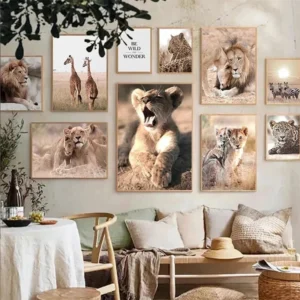 Majestic African Wildlife Canvas Art for Stylish Home Decor
Rated 5.00 out of 5
Majestic African Wildlife Canvas Art for Stylish Home Decor
Rated 5.00 out of 5 -
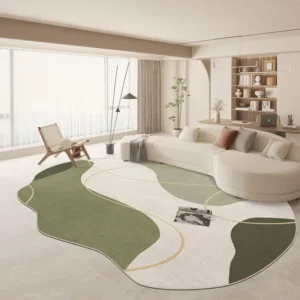 Cozy Irregular Green Plush Rug for Nordic Living Spaces
Rated 5.00 out of 5$44.23 – $278.89Price range: $44.23 through $278.89
Cozy Irregular Green Plush Rug for Nordic Living Spaces
Rated 5.00 out of 5$44.23 – $278.89Price range: $44.23 through $278.89 -
 Scandinavian Geometric Area Rugs for Stylish Home Décor
Rated 5.00 out of 5$33.15 – $502.10Price range: $33.15 through $502.10
Scandinavian Geometric Area Rugs for Stylish Home Décor
Rated 5.00 out of 5$33.15 – $502.10Price range: $33.15 through $502.10