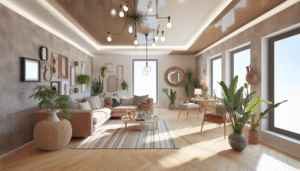

Mastering Style: How to Find Art That Perfectly Complements Your Rug Patterns

Choosing the right art to pair with your rug patterns is often an overlooked yet crucial step in creating a home that truly reflects your style. When rugs and wall art work in harmony, they breathe life into spaces, setting mood and character effortlessly. But how do you flag the perfect match without overwhelming or underwhelming your eye? This guide on how to find art that perfectly complements your rug patterns will help you master this artful balance with actionable tips and expert insights.
In the next sections, you’ll uncover the art and science behind matching styles, colors, and textures. We’ll explore how different rug patterns—be it geometric, floral, or abstract—influence art selection. From expert strategies to tool recommendations and visual examples, by the end of this article, you’ll confidently transform your décor into a cohesive masterpiece.
Understanding Rug Patterns and Their Visual Language
Before diving into art selection, recognize that rugs do more than adorn floors—they communicate mood and cultural context. Rug patterns can be broadly categorized into:
- Geometric Patterns: Featuring sharp lines and repetitive shapes, offering modern or tribal vibes.
- Floral and Organic: Soft curves and natural motifs, evoking softness and tradition.
- Abstract and Contemporary: Freeform designs and color pools that push boundaries.
- Oriental and Persian: Intricate details and often multicolored, telling a historic story.
Why Rug Patterns Matter for Art Choices
Each rug pattern sets an emotional tone and dictates the rhythm of a room visually. Your art needs to either complement or deliberately contrast to avoid chaos or blandness. For example, a bold geometric rug calls for simpler art or balanced contrast, while a subtle floral rug can handle more vibrant or abstract paintings.
Actionable Steps:
- Identify your rug’s pattern category before art shopping.
- Take photos of your rugs in their natural lighting setup to analyze colors and contrasts clearly.
- Consider your room’s overall style—minimalist, eclectic, boho, traditional—to narrow styled art options.
Matching Art Styles to Rug Designs: The Do’s and Don’ts
Successfully pairing rug patterns with art is more about rhythm and balance than following fixed rules. Here’s how you navigate this pairing:
Do: Embrace Complementary Styles
Pair geometric rugs with abstract art featuring sharp lines, complementary color blocks, or minimalistic prints. Conversely, if your rug boasts delicate florals, paintings or prints with soft brush strokes, botanical themes, or impressionistic styles usually resonate.
Don’t: Overcrowd the Space Visually
A highly detailed Persian rug paired with an equally busy painting can overwhelm senses and confuse the eye, muddling the room’s focus.
| Rug Pattern | Recommended Art Style | Styles to Avoid |
|---|---|---|
| Geometric | Abstract, Minimalist, Graphic Prints | Highly Ornate or Traditional Portraits |
| Floral / Organic | Impressionist, Botanical, Watercolor | Strong Tribal or Industrial |
| Abstract / Contemporary | Modern Sculptures, Mixed Media, Bold Abstracts | Traditional Realism |
| Oriental / Persian | Classic Portraiture, Vintage Prints, Landscapes | Neon or Pop Art |
Actionable Insights:
- Test-scale mini prints or pictures on your walls before committing.
- Use removable adhesive hooks to experiment with placement without damage.
- Consider framing style as a bridge—simple frames can tone down busy patterns, while ornate ones can elevate simple rugs.
Creating Color Harmony Between Rugs and Art
Color sets the emotional temperature of a room. Rugs with dominant tones will influence how art should be chosen to maintain balance.
Using the Color Wheel to Guide Choices
Colors opposite each other (complements) create vibrant energy. For instance, a deep red rug is beautifully offset by art with touches of green. Adjacent colors (analogous schemes) foster serene harmony, such as blues blending into turquoise and teal in art.
Neutrals and Bold Colors
Neutral rugs afford freedom to incorporate colorful or monochrome art. Bold rugs, however, call for art in solid color blocks or black and white to prevent competing focal points.
Practical Color Tips:
- Draw dominant and accent colors from rugs to your art palette.
- Don’t shy away from white space within art—it provides breathing room.
- Use digital tools like Adobe Color or Coolors to preview palettes live.
Visual Content Suggestion:
An infographic mapping popular rug colors against compatible art palettes would greatly aid visual learners in making choices quickly.
Balancing Scale and Texture in Your Decor
The size of the rug and texture details deeply influence art selection and placement.
Scale Considerations
Large, heavily patterned rugs pair well with oversized, simple art to anchor the room. Small or narrow rugs need smaller artwork to avoid a visually congested feel.
Texture Mix and Match
Rugs with plush textures support artwork with dynamic mediums: canvases with thick brush strokes, metal sculptures, or woven tapestries. Smooth rugs might look best with flat prints or photographic art for contrast.
Actionable Tips for Scale and Texture:
- Measure your rug and wall space before art purchase to ensure proportional balance.
- Layer texture by adding complementary cushions, throws, or wall hangings that echo texture themes.
- Incorporate mirrors or gloss finishes to reflect light and balance heavy textures.
Real-World Examples and Case Studies
Case Study 1: Urban Loft with Geometric Rug
Designer Mia Thompson paired a bold black-and-white geometric rug with monochrome abstract art featuring sharp angular lines. By selecting simple black frames and minimal furnishings, she created a striking visual that energizes her living room without feeling chaotic.
Case Study 2: Classic Home with Persian Rugs
Interior stylist James Ford chose vintage landscape paintings with warm earthy tones to complement the intricate reds and golds of handwoven Persian rugs. Subtle gold leaf frames echoed the rug’s details and increased cohesion.
Tools for Implementation
- Coolors: Quick color palette creation from photos
- Canva: For previewing art in room mockups
- Wayfair: Diverse art options with style filters
How do I choose art if my rug has multiple colors?
Focus on picking art that highlights one or two dominant colors from the rug to avoid visual overload. Alternatively, opt for neutral-toned art with subtle hints of your rug’s palette.
Can I mix modern art with traditional rug patterns?
Yes. Mixing styles creates a curated layered look. To balance, choose art with colors matching the rug and use simple frames to unify the aesthetic.
What if my rug and walls are both patterned?
Balance busy rugs or walls with solid color art or simple, large-scale pieces that provide visual rest and avoid competition with other patterns.
Should art size depend on rug size?
Yes, large rugs suit larger art or gallery walls, while small rugs pair better with smaller or singular focused pieces.
Are there specific art mediums better suited for textured rugs?
Textured rugs coordinate well with mixed-media art, sculptural pieces, or thick-paint canvases that add dimensionality and tactile interest.
How do lighting conditions affect rug and art pairing?
Good lighting enhances colors and textures. Use adjustable lighting to highlight features in rugs and art, ensuring both elements shine without glare or shadow.
Can I use digital art to match rug patterns?
Digital prints offer versatility and often vibrant colors perfect for contemporary spaces. Just ensure print quality and frame style harmonize with your rug’s texture and tone.
Conclusion & Next Steps
Mastering style by finding art that perfectly complements your rug patterns means embracing your rug’s unique visual character—whether its pattern, color, scale, or texture—and thoughtfully matching art that balances or enhances these traits. Balancing these elements creates inviting, meaningful spaces you’ll enjoy daily. Start by identifying your rug’s style and colors, experiment with art styles and scales, and use tools to preview your choices before finalizing. Remember, great design sparks joy, and your rug-art pairing can be a powerful story of your style.
Ready to bring your decor vision to life? Explore our expert interior design tips and color theory guides to deepen your understanding and confidence in styling.
Content Disclaimer
The information provided in this article is for educational purposes only. Individual results may vary based on personal tastes, circumstances, and implementation. No professional interior design service is being offered or implied.
Categories
- Accent Walls & Ceilings (84)
- Art Curation & Gallery (83)
- Bedding Style Trends (89)
- Bedroom Makeover (96)
- Bohemian & Eclectic Styles (80)
- DIY & Budget-Friendly Decor (78)
- Eco-Friendly Design (83)
- Furniture Care (87)
- Home Decor & Design Ideas (181)
- Home Wellness Spaces (103)
- Integrated Outdoor Living (91)
- Japandi Style (84)
- Kids and Nursery Decor (73)
- Living Room Decor (99)
- Mix & Match Techniques (95)
- Modern & Contemporary Design (88)
- Rug Sizing & Placement (89)
- Scandinavian Design Inspiration (51)
- Seasonal Home Decor (100)
- Small Space Solutions (93)
- Wall Art & Painting Tips (94)
Recent Comments
Archives
Product Gallery
-
 Majestic African Wildlife Canvas Art for Stylish Home Decor
Rated 5.00 out of 5
Majestic African Wildlife Canvas Art for Stylish Home Decor
Rated 5.00 out of 5 -
 Cozy Irregular Green Plush Rug for Nordic Living Spaces
Rated 5.00 out of 5$41.00 – $254.00Price range: $41.00 through $254.00
Cozy Irregular Green Plush Rug for Nordic Living Spaces
Rated 5.00 out of 5$41.00 – $254.00Price range: $41.00 through $254.00 -
 Scandinavian Geometric Area Rugs for Stylish Home Décor
Rated 5.00 out of 5$29.00 – $438.00Price range: $29.00 through $438.00
Scandinavian Geometric Area Rugs for Stylish Home Décor
Rated 5.00 out of 5$29.00 – $438.00Price range: $29.00 through $438.00