Mastering the Art: How to Choose the Perfect Artwork for Gallery Lighting

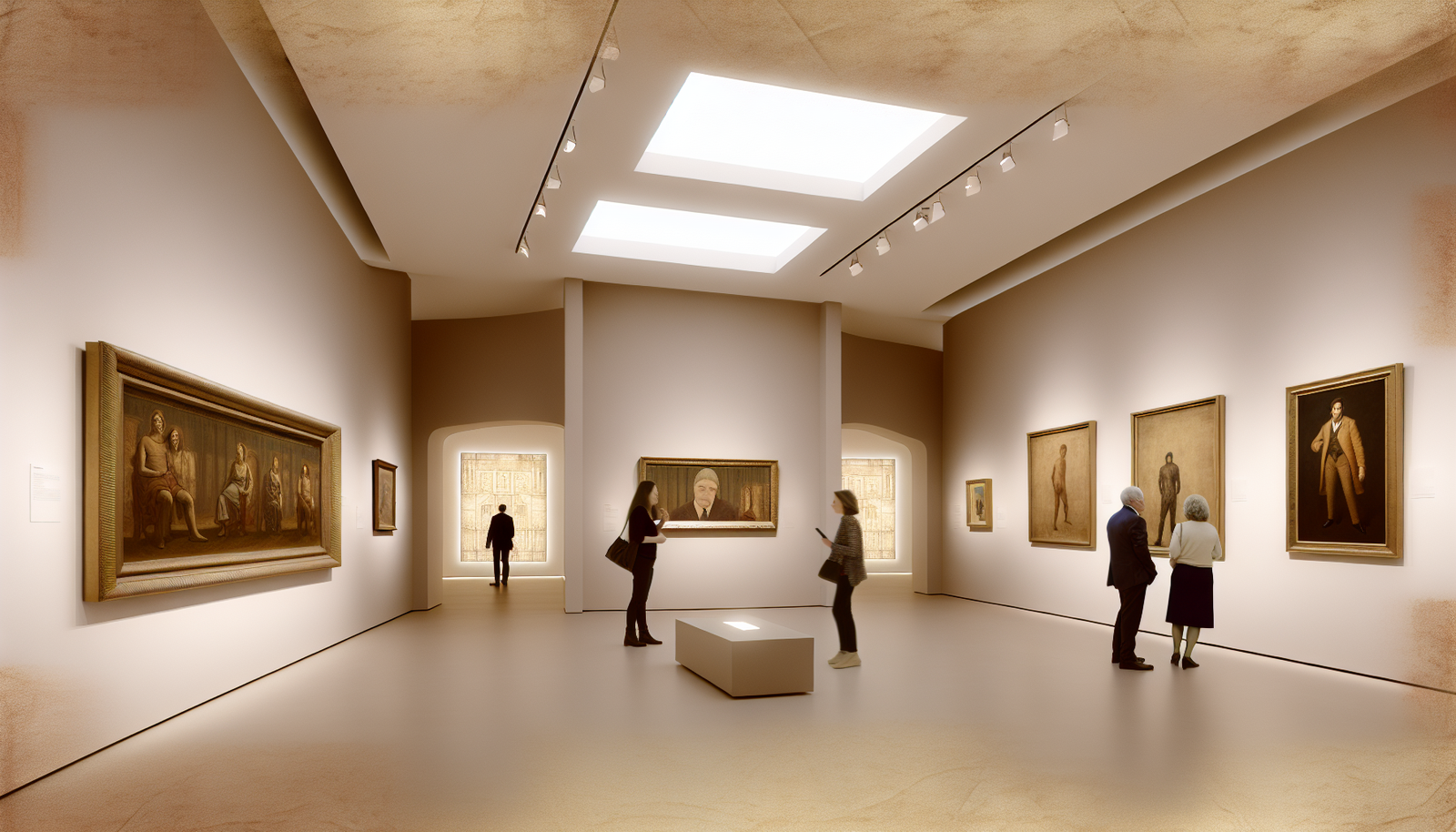
Choosing the perfect artwork for gallery lighting is more than just matching paintings to walls—it’s about crafting an experience that breathes life into every brushstroke. The way art is illuminated can either elevate a piece to breathtaking heights or leave it lost in shadow. But how do you decide which works pair best with your gallery’s lighting setup? This guide unpacks the art and science behind selecting the ideal artwork for your lighting environment.
By reading this article, you’ll discover proven strategies for evaluating artwork based on lighting styles, color interactions, and spatial design. Whether you’re a gallery curator, an artist, or an art enthusiast preparing a private exhibition, these insights will help you create striking and harmonious displays that engage visitors emotionally and visually.
Here’s the journey we’ll take:
- Understanding how different gallery lighting types affect artwork presentation
- Key factors to consider when pairing lighting and pieces
- Techniques for evaluating artwork colors and finishes under various lighting conditions
- Practical tips for installation and maintenance to preserve art integrity
- Case studies highlighting successful gallery lighting-artwork combinations
- Answering frequently asked questions to clarify common doubts
Understanding Gallery Lighting and Its Influence on Artwork
Gallery lighting is the backbone of art presentation. The primary goal is to enhance textures, colors, and emotional impact without causing damage. Different lighting technologies and setups can drastically alter how a piece is perceived.
Types of Gallery Lighting
- Track Lighting: Versatile and adjustable, track lighting is popular for directing focused beams onto paintings or sculptures.
- LED Lighting: Energy-efficient and low-heat, LEDs are widely favored for their customizable color temperatures and longevity.
- Halogen Lighting: Known for a warm color rendition, halogens bring out rich tones but generate more heat, which may affect delicate pieces.
- Natural Lighting: Daylight adds an organic element but is unpredictable and may cause UV damage if not controlled properly.
How Lighting Characteristics Shape Artwork Appearance
Lighting impacts artwork through several core characteristics:
- Color Temperature: Cool whites (5000K+) create crisp clarity, while warmer tones (2700K-3500K) enhance warmth and depth.
- CRI (Color Rendering Index): A higher CRI (above 90) ensures colors appear natural and vibrant under artificial lights.
- Intensity and Beam Angle: Strong, narrow beams highlight texture, while softer, diffuse light offers ambient balance.
- UV and Heat Emission: Minimizing these factors preserves artwork longevity and prevents fading.
Key Considerations for Matching Artwork with Gallery Lighting
Picking artwork for a specific gallery lighting environment means evaluating distinct attributes that influence the viewer’s experience.
Scale and Dimension of Artwork
Large-scale paintings require broader, more powerful lighting, often with multiple fixtures working in unison, to ensure even illumination without glare. Smaller works benefit from focused spotlights to accentuate details.
Surface Texture and Finish
Matte surfaces avoid unwanted reflections and transmit color evenly, making them suited to diffused lighting. Glossy or varnished paintings reflect light more intensely and often require careful angle placement in lighting to avoid hotspots.
Color Palette and Light Interaction
Cool lighting enhances blues and greens, while warm lighting can make reds, yellows, and earth tones pop. Understanding this helps you decide which artworks will look their best under your current lighting setup or if lighting adjustments are needed.
Artwork Medium and Fragility
Sensitive works on paper, textiles, or delicate pigments demand lighting with minimal heat and UV emissions. LED lighting with proper filters is often best to prevent deterioration.
Techniques for Testing and Selecting Artwork for Lighting Compatibility
Before settling on a final display, some deliberate testing can save headaches later.
Mock-Ups and Temporary Installations
Set up artworks with your lighting options in similar environmental conditions to what you’ll use in the gallery. Observe how details, colors, and shadows change throughout the day.
Using Light Meters and Apps
Light meters can measure illumination levels, beam spread, and color temperature. Some smartphone apps also simulate different lighting scenarios and help predict art interaction.
Consulting with Lighting Designers and Art Conservators
Experts can provide tailored advice combining aesthetic goals with preservation concerns. Their insights often reveal subtle factors that improve both visitor experience and art care.
Practical Installation and Maintenance Tips
Even the best-chosen artwork and lighting pairing can falter without proper installation and upkeep.
Optimal Fixture Placement Guidelines
- Maintain a 30-degree angle from the artwork surface to reduce glare
- Use adjustable fixtures to refine positioning after installation
- Ensure enough clearance to avoid heat build-up around sensitive media
Routine Lighting Maintenance for Artwork Preservation
Schedule regular cleaning of light fixtures and replace bulbs before they dim significantly. Monitor environmental factors like humidity and temperature alongside lighting changes.
Emergency Procedures for Lighting Failures
Have contingency plans in place to avoid unexpected damage, including portable lighting backups and blackout screens for UV protection during repairs.
Case Studies: Successful Artwork and Gallery Lighting Partnerships
Case Study 1: The Modern Art Museum LED Retrofit
Switching to LED allowed this museum to highlight vibrant contemporary pieces with consistent color fidelity while reducing energy use by 40%. Visitor engagement increased by 15% as feedback noted enhanced viewing comfort.
Case Study 2: Classic Renaissance Works Under Halogen Lights
A gallery showcased Renaissance portraits employing warm halogen lighting to enrich the gold tones in frames and clothing, producing a timeless ambiance that resonated well with audiences.
Case Study 3: Mixed Media and Track Lighting Flexibility
A private collection with diverse media utilized flexible track lighting to tailor illumination individually. This approach enabled quick alterations for rotating displays without compromising artistic integrity.
Comparison Table: Lighting Types Versus Artwork Features
| Lighting Type | Best Artwork Features | Pros | Cons |
|---|---|---|---|
| LED | All media, especially fragile pieces | Low heat, long lifespan, adjustable color | Higher upfront costs |
| Halogen | Oils, classic paintings, warm tones | Rich color rendering, affordable | Heat emission, shorter lifespan |
| Track Lighting | Variable sizes, frequently changed exhibits | Highly flexible, directional | Needs careful angling & maintenance |
| Natural Light | Robust works, short-term exhibits | Authentic, variable mood | Uncontrolled UV, fading risk |
Recommended Tools and Resources for Gallery Lighting and Artwork Selection
- Signify LED Lighting Solutions – Industry leader in museum-quality LEDs with diverse color controls.
- ArtWatch International – Expert insights on art preservation and lighting impacts.
- Lighting measurement devices such as the Extech LT40 Light Meter for precise illuminance assessments.
- Mobile apps like ColorTrue by X-Rite for simulating color accuracy under various lighting.
FAQs: How to Choose the Perfect Artwork for Gallery Lighting
How important is color temperature when selecting artworks for gallery lighting?
Color temperature significantly affects how artwork colors appear. Warmer temperatures emphasize reds and yellows, while cooler temperatures enhance blues and greens. Matching color temperature to your artwork’s palette enriches the viewing experience.
Can LED lighting damage sensitive artworks?
High-quality LED lighting emits minimal UV and heat, making it safer for delicate artworks compared to traditional halogen bulbs. However, it’s essential to choose LEDs rated for museum or gallery use and ensure proper installation.
What is the ideal lighting angle for displaying paintings?
The generally recommended angle is about 30 degrees from the vertical surface to reduce glare and reflections, providing optimal color and texture visibility without light spill.
How do I evaluate if a piece suits my gallery’s lighting?
Test the artwork under your actual lighting conditions, observe color shifts, reflections, and texture visibility, or consult lighting and art experts to assess compatibility before installation.
Are track lights better than fixed lighting for galleries?
Track lighting offers flexibility and directional focus, making it ideal for dynamic gallery spaces with changing exhibits. Fixed lighting can be suitable for permanent installations but lacks adjustability.
Conclusion: Bringing Your Gallery Lighting and Artwork Selection Together
Mastering the art of choosing the perfect artwork for gallery lighting involves thoughtful assessment of lighting types, artwork attributes, and installation techniques. It’s about more than illumination—it’s cultivating an atmosphere where creativity shines and visitors connect deeply with art.
By incorporating these strategies and knowing your lighting’s impact on colors, textures, and preservation, you can curate displays that not only captivate but also honor the integrity of each piece. Whether upgrading exhibitions or launching a new collection, thoughtful pairing transforms any gallery space into a memorable visual journey.
Ready to elevate your gallery experience? Start by auditing your current lighting, trialing different art pieces, and consulting experts to refine your approach. For more insights, explore our articles on art conservation under lighting, gallery space design, and lighting techniques for art.
Content Disclaimer
This article provides information for educational purposes only. While efforts have been made to ensure accuracy, readers should consult lighting experts or art conservators for specific guidance related to their gallery or artwork.
Categories
- Accent Walls & Ceilings (84)
- Art Curation & Gallery (83)
- Bedding Style Trends (89)
- Bedroom Makeover (96)
- Bohemian & Eclectic Styles (80)
- DIY & Budget-Friendly Decor (78)
- Eco-Friendly Design (83)
- Furniture Care (87)
- Home Decor & Design Ideas (181)
- Home Wellness Spaces (103)
- Integrated Outdoor Living (91)
- Japandi Style (84)
- Kids and Nursery Decor (73)
- Living Room Decor (99)
- Mix & Match Techniques (95)
- Modern & Contemporary Design (88)
- Rug Sizing & Placement (89)
- Scandinavian Design Inspiration (51)
- Seasonal Home Decor (100)
- Small Space Solutions (93)
- Wall Art & Painting Tips (94)
Recent Comments
Archives
Product Gallery
-
 Majestic African Wildlife Canvas Art for Stylish Home Decor
Rated 5.00 out of 5
Majestic African Wildlife Canvas Art for Stylish Home Decor
Rated 5.00 out of 5 -
 Cozy Irregular Green Plush Rug for Nordic Living Spaces
Rated 5.00 out of 5$44.23 – $278.89Price range: $44.23 through $278.89
Cozy Irregular Green Plush Rug for Nordic Living Spaces
Rated 5.00 out of 5$44.23 – $278.89Price range: $44.23 through $278.89 -
 Scandinavian Geometric Area Rugs for Stylish Home Décor
Rated 5.00 out of 5$33.15 – $502.10Price range: $33.15 through $502.10
Scandinavian Geometric Area Rugs for Stylish Home Décor
Rated 5.00 out of 5$33.15 – $502.10Price range: $33.15 through $502.10