
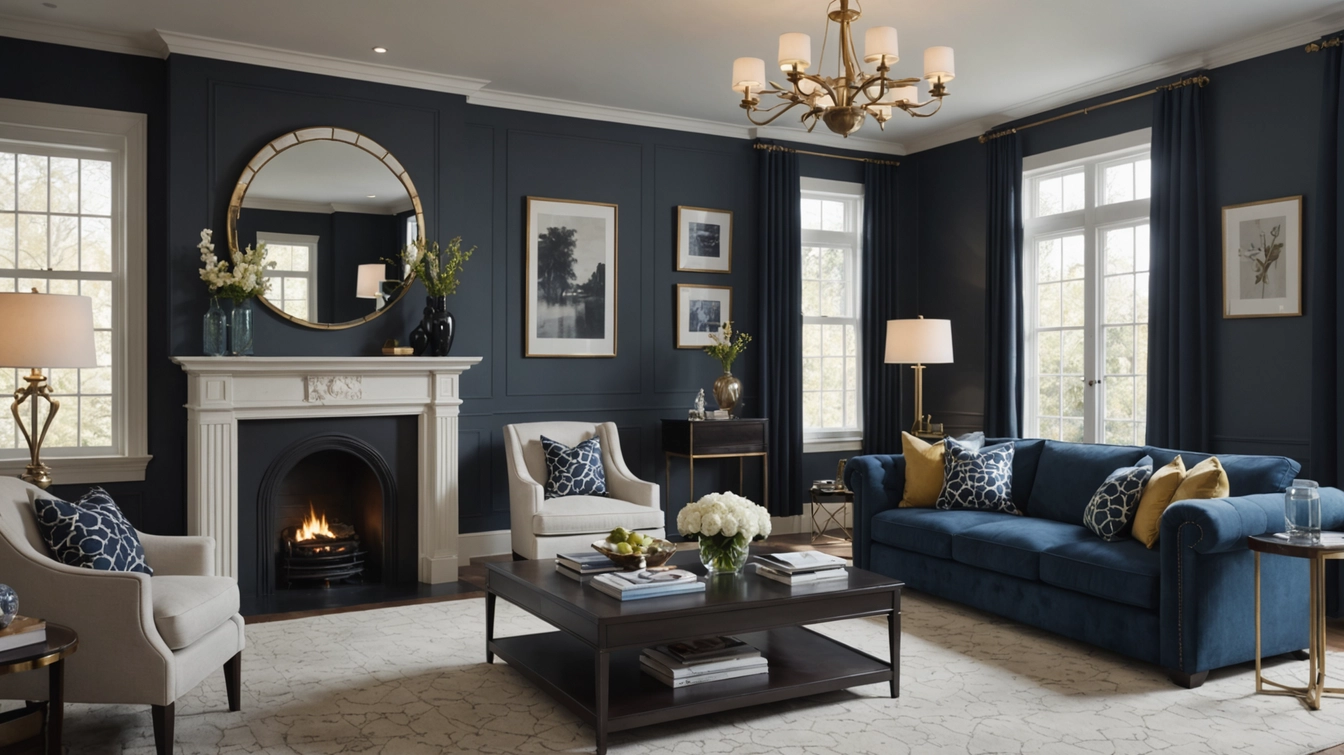
Mastering the Art of Creating a Striking Focal Point in Every Room

Ever walked into a room and immediately felt drawn to one feature that commands your attention? That visual magnetism is the power of a well-crafted focal point. Mastering the art of creating a striking focal point in every room transforms ordinary spaces into memorable, inviting environments. Whether it’s a bold fireplace, an eye-catching piece of art, or an architectural detail, the right focal point can completely change how a room feels and functions.
In this comprehensive guide, you’ll uncover practical strategies and inspiring examples to craft captivating focal points tailored to your unique space and style. We’ll explore design principles, lighting tips, furniture arrangement tactics, and must-know pitfalls to avoid, empowering you to elevate any room effortlessly.
Here’s a quick roadmap of what’s ahead:
-
- Understanding focal points and why they matter
-
- How to select and design your room’s focal point
-
- Practical tips for placing furniture and lighting
-
- Common mistakes and how to sidestep them
-
- Real-world case studies and tool recommendations
-
- FAQs to answer your pressing questions
By the end, you’ll feel confident creating stunning focal points that captivate guests and satisfy your aesthetic goals. Let’s dive in.
What Is a Focal Point and Why Does It Matter in Interior Design?
A focal point is the element in a room that naturally draws the eye and anchors the space visually. It serves as the starting point for how a room is perceived and experienced. Mastering the art of creating a striking focal point in every room means selecting or crafting that element intentionally to set the tone, mood, and hierarchy of your interior.
Defining the Focal Point
Simply put, the focal point can be any feature that captures attention first: a vibrant piece of artwork, a fireplace, a large window with a view, or a statement piece of furniture. It creates a visual “home base” for your room that helps guests orient themselves and adds personality.
The Psychology Behind Focal Points
Humans naturally seek a reference point in any environment to reduce visual chaos and create harmony. A strong focal point satisfies this need subconsciously and encourages relaxation and engagement. Rooms lacking one feel unsettled or confusing because the eye has nowhere to rest.
Impact on Room Flow and Function
A well-placed focal point guides movement and furniture arrangement, making spaces feel purposeful and inviting. It affects traffic patterns and even how light interacts with your décor.
Statistics & Expert Insights
According to the Houzz Interior Design Survey, 72% of homeowners say a strong focal point dramatically improves the welcoming feel of a room. Interior designer Emily Henderson stresses, “A room without a focal point feels like it’s missing a heart.”
Actionable Takeaways
-
- Identify what naturally draws your eye in the room before making changes
-
- Consider the function of the room when choosing a focal point
-
- Balance your focal point with supporting elements to avoid visual competition
Infographic Idea: “Anatomy of a Perfect Focal Point” — showcasing key components and arrangement tips.
How to Choose and Design the Perfect Focal Point for Your Room
Choosing the right focal point depends heavily on your room’s size, shape, lighting, and your own style preferences. Here’s how you can approach this crucial step confidently.
Assess Your Room’s Existing Features
Start by taking inventory of architectural elements. Look for natural focal points like:
-
- Fireplaces
-
- Large windows or sliding glass doors
-
- Built-in shelves or niches
-
- Unique flooring or ceiling details
If a natural feature stands out, consider emphasizing it rather than introducing a new element.
When to Create a New Focal Point
If your room feels bland or lacks personality, creating a new focal point is ideal. Options include:
-
- Bold accent walls with paint or wallpaper
-
- Statement art pieces or sculpture
-
- Eye-catching furniture items like a colorful sofa or a designer chair
-
- Lighting fixtures like chandeliers or oversized floor lamps
Balancing Size and Scale
Your focal point should be sizeable enough to command attention but not overwhelm the space. For example, a large room can handle a bigger art piece or furniture item, while a smaller room benefits from a subtler touch.
Color and Texture Considerations
Color contrast dramatically enhances focal points. Use vibrant hues or contrasting textures to make your focal element pop. Consider pairing matte finishes with gloss or rough textures with smooth.
Real-World Example
In a Brooklyn loft, a designer used a vivid turquoise velvet sofa as the focal point against crisp white walls, adding warmth and vibrancy without cluttering the space.
Tips for Success
-
- Choose a focal point that reflects your lifestyle and personality
-
- Make sure the focal point complements but doesn’t clash with existing elements
-
- Spotlight your focal point with appropriate lighting
Image Suggestion: Before-and-after photo series of a room with no focal point transformed with a bold accent wall.
Furniture Placement and Lighting: Making Your Focal Point Shine
Once you identify or create your focal point, the next step is to support it with strategic furniture arrangement and thoughtful lighting.
Furniture Arrangement Around the Focal Point
Your furniture should naturally face or frame the focal point—think of it as the stage and the seating around it:
-
- Sofas and chairs oriented to draw eyes toward the focal element
-
- Using rugs to define the area surrounding the focal point
-
- Avoiding clutter that distracts from your main feature
Lighting Techniques to Highlight
Lighting elevates your focal point and sets ambiance:
-
- Accent lighting—spotlights, track lights, or picture lights—targets artwork or architectural features
-
- Layered ambient lighting creates a balanced mood around your focal area
-
- Use dimmers to adjust light intensity and enhance dramatic effect
Daylight vs. Artificial Light
Natural light can amplify your focal point, but also consider how shadows and glare impact perception. Adjust window treatments to control daylight and supplement with artificial lighting when needed.
Comparison Table: Lighting Types for Focal Points
| Lighting Type | Best For | Pros | Cons |
|---|---|---|---|
| Spotlights | Art pieces, sculptures | Highly focused; dramatic effect | Can create harsh shadows if misused |
| Track Lights | Flexible directional lighting | Adjustable; highlights multiple points | Less subtle; can look industrial |
| Picture Lights | Wall-mounted art | Elegant, unobtrusive | Limited coverage area |
| Floor Lamps | Furniture focal points | Portable and design statement | May occupy floor space |
Expert Quote
“Lighting is the jewelry of a room,” says lighting designer John Cullen. “It reveals, conceals, and defines your focal point.”
Step-by-Step Implementation
-
- Identify the focal point and walk around the room to visualize sightlines
-
- Arrange seating and rugs to create a natural path toward it
-
- Select layered lighting options tailored to your focal point’s type
-
- Test lighting at different times and adjust for glare and shadows
Common Pitfalls to Avoid When Crafting Your Room’s Focal Point
Even expertly designed rooms can fall flat if the focal point is mishandled. Avoid these stumbling blocks to ensure your focal point commands attention for the right reasons.
Overcrowding With Too Many Competing Elements
When multiple features compete for attention, the focal point loses clarity. Choose a single dominant element rather than trying to highlight everything.
Choosing a Focal Point Without Purpose
A random or purely trendy focal point can feel forced. Ensure your focal point aligns with the room’s function and your personal style.
Ignoring Scale and Proportion
A focal point too large or too small disrupts harmony. Match scale with room size and other furnishings for balance.
Poor Lighting Choices
Inadequate or harsh lighting can bury your focal point in shadows or make it glaring and uncomfortable.
Examples of Missteps
-
- Painting all walls bright red forcing the eye everywhere at once
-
- Using a tiny picture as the main focus in a large living room
-
- Positioning furniture with backs facing the focal element, ignoring sightlines
Quick Fixes
-
- Declutter to reduce visual noise
-
- Introduce accent lighting to enhance focus
-
- Reorient furniture to better showcase your chosen element
Visual Aid Suggestion: “Do’s and Don’ts of Focal Points” checklist graphic.
Case Studies and Tools to Help You Create Stunning Focal Points
Case Study 1: A Minimalist’s Statement Wall
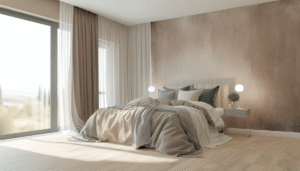
Designer Anna Lopez transformed a bland studio apartment by creating a textured stone accent wall behind the bed. Using indirect LED lighting, she added warmth without distracting from the simple design. Result? The space gained depth and a focal anchor without clutter.
Case Study 2: Bold Art in a Contemporary Loft
Art consultant Mark Allen curated large-scale modern art to serve as focal points across a penthouse. Paired with customized spotlights and minimalist furniture layouts, the artwork acted as conversational centers in an open floor plan.
Recommended Tools for DIY and Professionals
-
- SketchUp – 3D modeling software for interior layouts
-
- Planner 5D – User-friendly room design with lighting simulation
-
- Lighting Calculator – Estimate the right lighting layout and brightness
Pro Tip
Before finalizing, create multiple mock-ups to see how focal points work with your existing decor and natural light throughout the day.
Suggested Image: Side-by-side photo comparison of room transformations highlighting focal points.
Frequently Asked Questions about Creating Focal Points in Rooms
What is the first step to creating a focal point in a room?
Begin by assessing existing architectural features and identifying what naturally draws your eye. From there, decide whether to enhance that element or create a new focal point suited to your room’s purpose and style.
Can a room have more than one focal point?
While a room can have multiple features, it’s best to have one primary focal point to avoid visual confusion. Secondary points should support and not compete with the main element.
How do I highlight a focal point with lighting?
Use accent lighting such as spotlights or picture lights aimed directly at the focal point. Layer with ambient and task lighting to balance the room’s mood and avoid harsh shadows.
What if my room doesn’t have a natural focal point?
Consider adding an accent wall, bold artwork, or a statement furniture piece to create a clear and compelling focal point.
Are bright colors necessary for an effective focal point?
Not at all. Contrast, texture, lighting, or unique shapes can all create impactful focal points without relying solely on bright colors.
How can I avoid clutter around a focal point?
Select supporting decor sparingly. Keep surrounding elements neutral or subtle so the focal point stands out clearly. Less truly is more when aiming for impact.
Conclusion & Next Steps
Mastering the art of creating a striking focal point in every room is both a science and an expression of personal style. By understanding what makes a focal point work — from selecting the right feature, pairing it thoughtfully with furniture, and illuminating it effectively — you can transform any space into a captivating, harmonious retreat.
Start by evaluating your current rooms and experimenting with simple focal enhancements. Use the case studies and tools recommended here as inspiration. Remember, your focal point tells the story of your space and welcomes guests into your world.
Ready for the next chapter? Explore our comprehensive guide on color theory for interiors or jump into lighting design tips to perfect your ambiance.
Let’s make every room unforgettable.
Content Disclaimer
Information provided in this article is for educational purposes only. Results may vary based on individual circumstances and professional advice should be sought where necessary.
Categories
- Accent Walls & Ceilings (84)
- Art Curation & Gallery (83)
- Bedding Style Trends (89)
- Bedroom Makeover (96)
- Bohemian & Eclectic Styles (80)
- DIY & Budget-Friendly Decor (78)
- Eco-Friendly Design (83)
- Furniture Care (87)
- Home Decor & Design Ideas (181)
- Home Wellness Spaces (103)
- Integrated Outdoor Living (91)
- Japandi Style (84)
- Kids and Nursery Decor (73)
- Living Room Decor (99)
- Mix & Match Techniques (95)
- Modern & Contemporary Design (88)
- Rug Sizing & Placement (89)
- Scandinavian Design Inspiration (51)
- Seasonal Home Decor (100)
- Small Space Solutions (93)
- Wall Art & Painting Tips (94)
Recent Comments
Archives
Product Gallery
-
 Majestic African Wildlife Canvas Art for Stylish Home Decor
Rated 5.00 out of 5
Majestic African Wildlife Canvas Art for Stylish Home Decor
Rated 5.00 out of 5 -
 Cozy Irregular Green Plush Rug for Nordic Living Spaces
Rated 5.00 out of 5$45.40 – $286.30Price range: $45.40 through $286.30
Cozy Irregular Green Plush Rug for Nordic Living Spaces
Rated 5.00 out of 5$45.40 – $286.30Price range: $45.40 through $286.30 -
 Scandinavian Geometric Area Rugs for Stylish Home Décor
Rated 5.00 out of 5$34.03 – $515.43Price range: $34.03 through $515.43
Scandinavian Geometric Area Rugs for Stylish Home Décor
Rated 5.00 out of 5$34.03 – $515.43Price range: $34.03 through $515.43