




Mastering the Art of Wood Finishing: A Guide to Harmoniously Combining Different Wood Finishes

Wood finishing is much more than applying a coat of varnish; it’s about bringing out the soul of the wood. Have you ever marveled at a beautifully finished piece? The sheen, the hue, the texture—it all communicates something. So, let’s roll up our sleeves and explore how to masterfully combine different woods and finishes for stunning results.
The Basics of Wood Finishing
Before we get into the nitty-gritty of combining finishes, let’s revisit the fundamentals. Wood is a living material. Its grain, color, and character vary dramatically. When you add a finish, you’re enhancing these traits, not covering them up!
Types of finishes can generally be broken down into three categories: film-forming, penetrating, and hybrid. Film-forming finishes like varnish create a protective layer on the surface. Penetrating finishes, such as oils or stains, seep into the wood’s fibers, enhancing the grain and color. Hybrid finishes combine elements from both worlds, allowing for versatility.
Understanding Wood Types
Let’s talk about the heart of wood finishing: the wood itself. Different wood types absorb finishes differently. You know what I mean—hardwoods like oak and maple take stains well, while softwoods such as pine can be quite tricky.
Do you ever wonder why walnut darkens beautifully with oil, while cedar almost seems to resist darkening? It’s all about the wood’s natural oils and density. Hardwoods tend to showcase a richer, deeper finish, while softwoods often require a bit more care and experimentation.
Choosing Your Finishing Strategy
Now for the fun part! Deciding how to finish your wood can feel overwhelming. Should you go with a glossy varnish or a matte oil? Here’s the thing: your choice should reflect the intended use of the piece as well as your personal style.
Think about where the piece will live. A dining table needs a durable finish while a decorative shelf could benefit from a more muted look. Mixing finishes is not a crime; in fact, it’s an opportunity to express your creativity.
Combining Different Finishes
Mixing finishes—now that’s where the magic happens! You can layer finishes to create depth and complexity. For instance, start with a penetrating oil to enhance color, then top it off with a film-forming finish for added protection. Pretty neat, huh?
But remember, just like in a good recipe, balance is key. If one finish is too overpowering, it can drown out the subtle qualities of another. Experiment on scrap pieces before going full tilt with your main project.
Color Theory and Wood Finishes
Have you ever glanced at a beautifully finished wooden piece and felt a rush of emotion? That’s color theory at work! The colors of your wood finishes can evoke feelings and set moods. Warm tones can create inviting atmospheres, while cooler shades can feel modern and sophisticated.
When pairing different wood finishes, pay attention to the undertones. You might stumble upon a delightful surprise—like how cherry and walnut blend beautifully if you choose finishes that complement their natural hues.
Techniques for Application
Alright, let’s get into the hands-on stuff. Applying finishes isn’t just about slapping on a coat and calling it good. Techniques matter! You know, brushing, wiping, or spraying all yield differing results. For example:
- Brushing: Great for thicker film finishes but requires patience to avoid brush marks.
- Wiping: Ideal for penetrating oils; it gives a smooth, even coat.
- Spraying: Best for large surfaces but demands practice and safety gear.
Don’t shy away from testing a technique on a smaller piece first. You might find that your natural rhythm favors one over the other.
Common Mistakes to Avoid
Every woodworker has stories of mishaps—you’re not alone! Here are a few common mistakes that can derail your finishing process:
- Skipping the preparation phase, like sanding or cleaning the surface—trust me, it matters!
- Mixing incompatible finishes—always do your homework.
- Rushing between coats. Allow your finishes to cure properly; it’s worth the wait.
Learning from these slip-ups can elevate your finishing game significantly. Remember, each mishap is a lesson in disguise.
Enhancing Your Finishing Skills
Improving your skills takes time but is oh-so-rewarding. Here are some avenues to consider:
Join local woodworking classes or online workshops; community is a powerful teacher. Books and forums are also a treasure trove for tips and hacks you hadn’t thought of!
And don’t forget about social media platforms—Instagram, Pinterest, or YouTube can provide endless inspiration and guidance. It’s like having a global community of woodworkers at your fingertips!
Seasonal Considerations
Ever thought about how seasons affect wood finishing? Just like us, wood behaves differently in varying climates. Humidity and temperature can impact drying times and the absorption of finishes.
Spring and fall often present the best conditions for finishing projects, with moderate temperatures and humidity levels. Summer heat can speed up drying but lead to uneven finishes if you’re not careful. And winter? Well, let’s just say that staying warm while finishing might keep you moving at a slower pace!
Frequently Asked Questions
What type of finish is best for outdoor furniture?
Outdoor furniture usually benefits from a weather-resistant finish, such as marine varnish or oil-based stains. They protect against moisture and UV damage.
Can you mix different brands of wood finishes?
It’s generally advisable to stick with compatible product types from similar families—like oil with oil or water-based with water-based finishes.
How do I fix imperfections in a finish?
For minor imperfections, light sanding and a fresh top coat usually do the trick. Just ensure the previous finish is fully cured first!
Are natural finishes better than synthetic ones?
Both have pros and cons! Natural finishes often offer aesthetic appeal and easy application, while synthetic finishes might provide better protection and durability.
What’s the best way to clean finished wood?
Using a gentle cleaner—like a mixture of warm water and mild soap—along with a soft cloth will help maintain your finished wood without damaging it.
How many coats of finish should I apply?
Typically, two to three coats ensure good protection and durability. Just make sure to follow manufacturer guidelines for specific products.
Can I change the finish on an existing piece of furniture?
Absolutely! Just ensure you strip the old finish properly and prepare the surface for a new layer.
DISCLAIMER
The information provided in this article is for general educational purposes only and should not be considered professional or expert advice. Always conduct your own research and consider consulting a professional before attempting new techniques.
Categories
- Accent Walls & Ceilings (84)
- Art Curation & Gallery (83)
- Bedding Style Trends (89)
- Bedroom Makeover (96)
- Bohemian & Eclectic Styles (80)
- DIY & Budget-Friendly Decor (78)
- Eco-Friendly Design (83)
- Furniture Care (87)
- Home Decor & Design Ideas (181)
- Home Wellness Spaces (103)
- Integrated Outdoor Living (91)
- Japandi Style (84)
- Kids and Nursery Decor (73)
- Living Room Decor (99)
- Mix & Match Techniques (95)
- Modern & Contemporary Design (88)
- Rug Sizing & Placement (89)
- Scandinavian Design Inspiration (51)
- Seasonal Home Decor (100)
- Small Space Solutions (93)
- Wall Art & Painting Tips (94)
Recent Comments
Archives
Product Gallery
-
 Majestic African Wildlife Canvas Art for Stylish Home Decor
Rated 5.00 out of 5
Majestic African Wildlife Canvas Art for Stylish Home Decor
Rated 5.00 out of 5 -
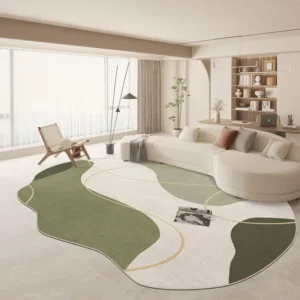 Cozy Irregular Green Plush Rug for Nordic Living Spaces
Rated 5.00 out of 5$44.23 – $278.89Price range: $44.23 through $278.89
Cozy Irregular Green Plush Rug for Nordic Living Spaces
Rated 5.00 out of 5$44.23 – $278.89Price range: $44.23 through $278.89 -
 Scandinavian Geometric Area Rugs for Stylish Home Décor
Rated 5.00 out of 5$33.15 – $502.10Price range: $33.15 through $502.10
Scandinavian Geometric Area Rugs for Stylish Home Décor
Rated 5.00 out of 5$33.15 – $502.10Price range: $33.15 through $502.10