

Have you ever walked into a room and felt an immediate shift in atmosphere, a subtle jolt of inspiration, or a profound sense of calm? Often, the unsung hero behind such transformations is the art adorning the walls. Specifically, modern wall art with abstract themes offers a unique power to redefine a space, injecting personality, depth, and a contemporary edge without needing literal interpretations. It’s more than just decor; it’s a dialogue between viewer and canvas, an emotional landscape that mirrors or challenges your inner world.
In our increasingly digital and fast-paced lives, our homes have become sanctuaries, personal galleries where every object tells a story. And for many, the story they want to tell is one of sophistication, individuality, and forward-thinking design. This is precisely where modern abstract wall art shines. It allows for a departure from the conventional, inviting a play of color, form, and texture that can be both strikingly simple and profoundly complex. But how do you choose the right piece? How do you effectively integrate it into your existing decor? And what exactly makes a piece “modern abstract”?
This comprehensive guide dives deep into the captivating world of modern wall art with abstract themes. We’ll explore the history, dissect popular styles, offer practical advice on selection and placement, and help you understand how these powerful pieces can not only beautify your surroundings but also ignite your imagination. From vibrant living room centerpieces to tranquil bedroom accents, prepare to unlock the full potential of abstract art in your personal haven.
The Enduring Appeal of Abstract Wall Art: A Modern Phenomenon
Abstract art, in its broadest sense, is art that does not depict objects in the natural world, aiming instead to evoke emotion or express an idea through non-representational forms. Its modern iteration is particularly compelling because it speaks to a contemporary desire for authenticity and personal expression, moving beyond mere ornamentation to become a focal point for introspection and conversation. But why has it resonated so deeply in the modern era?
From Representation to Emotion: A Brief History of Abstract Art
To truly appreciate modern abstract wall art, it helps to understand its roots. The 20th century saw a radical shift in artistic thought. Impressionism broke down traditional forms, Cubism shattered perspectives, and then, artists like Wassily Kandinsky, Hilma af Klint, and Piet Mondrian ventured into pure abstraction. They sought to create art that communicated directly to the soul, free from the constraints of objective reality. Kandinsky, often credited with creating the first purely abstract painting, believed that colors and shapes had spiritual qualities, capable of eliciting powerful emotional responses.
This early groundwork paved the way for movements like Abstract Expressionism in the mid-20th century, championed by artists such as Jackson Pollock and Mark Rothko. Their large-scale, emotionally charged canvases became symbols of post-war American identity, focusing on process and feeling over narrative. Today, modern abstract art continues this legacy, evolving with new materials, digital techniques, and a global perspective, making it incredibly diverse and accessible for interior design.
Why Modern Wall Art with Abstract Themes Captivates Us Today
The allure isn’t just historical; it’s deeply psychological and aesthetic:
- Universality: Without specific imagery, abstract art can be interpreted differently by each viewer, creating a personal connection. It transcends cultural and linguistic barriers.
- Emotional Depth: Colors, lines, and forms can evoke moods – calmness, energy, introspection, excitement – directly impacting the ambiance of a room. A bold crimson abstract piece can energize a dining area, while soft blues and grays can bring serenity to a bedroom.
- Sophistication and Edge: Abstract pieces often convey a sense of intellectual curiosity and refined taste. They suggest that the curator appreciates art for its aesthetic and conceptual qualities, not just its decorative function.
- Design Versatility: Unlike figurative art that might clash with certain decor styles, abstract art’s non-representational nature allows it to integrate seamlessly into various interior designs, from minimalist to bohemian, industrial to eclectic.
- Focal Point Creation: A large, compelling abstract artwork can instantly become the anchor of a room, drawing the eye and setting the tone for the entire space. It’s a natural conversation starter.
By understanding this heritage and intrinsic appeal, we can move forward with greater intentionality when selecting exquisite modern wall art with abstract themes for our own environments.
Decoding the Language of Modern Abstract Art: Styles and Sub-genres
The term “abstract art” is broad, encompassing a vast array of styles, techniques, and philosophies. To truly select a piece that resonates, it’s helpful to understand some of the dominant expressions within modern abstract wall art. Each brings a unique aesthetic and emotional quality to a space.
A Spectrum of Abstraction: From Geometric Precision to Organic Flow
Modern abstract themes for wall art are not monolithic. They span a vast spectrum, offering something for every sensibility:
1. Geometric Abstraction: Precision and Order
Think clean lines, sharp angles, squares, circles, and triangles. Inspired by movements like Cubism and Suprematism, geometric abstract art focuses on mathematical precision and often a limited color palette. Piet Mondrian’s grid paintings are iconic examples.
Impact: Brings a sense of order, structure, and modernity. Ideal for minimalist, contemporary, or industrial interiors. It can feel architectural and intellectual.
Visual Content Suggestion: Infographic showcasing different geometric shapes and their emotional associations (e.g., circle for unity, square for stability, triangle for dynamism).
2. Lyrical/Organic Abstraction: Fluidity and Emotion
This style emphasizes natural forms, flowing lines, and softer, more curvilinear shapes, often reminiscent of landscapes, clouds, or biological structures, but without direct representation. It’s often more expressive and less rigid than geometric art.
Impact: Evokes feelings of calm, movement, nature, and emotional depth. Excellent for creating soothing environments in bedrooms or living areas with a natural or bohemian aesthetic.
3. Abstract Expressionism: Energy and Spontaneity
Born in post-WWII New York, this style prioritizes spontaneous, intuitive, and emotional gestures. It often features bold brushstrokes, splattered paint (Action Painting à la Pollock), or vast fields of color (Color Field Painting à la Rothko). The process is as important as the final product.
Impact: Inject palpable energy, drama, and raw emotion into a space. A striking choice for a focal point in a large living room or an office where creativity is encouraged. Best for spaces that can handle intense visual statements.
4. Minimalism and Hard-Edge Painting: Simplicity and Clarity
Minimalist abstract art strips away all non-essential elements, focusing on pure form, color, and sometimes texture. Hard-edge painting, a subset, features sharply defined areas of solid color with no gradients or visible brushstrokes.
Impact: Creates a sense of spaciousness, calm, and understated sophistication. Perfect for modern interiors that value clean lines and uncluttered aesthetics. It makes a statement through its restraint.
5. Figurative Abstraction: The Hint of Reality
While still abstract, this style retains a subtle reference to the real world – a suggestion of a human form, a landscape, or an object, but distorted or simplified to the point of unrecognizability. It balances abstraction with a whisper of familiarity.
Impact: Offers a softer entry point into abstract art for those who find pure abstraction challenging. It can add intrigue and a narrative layer without being literal.
Understanding these styles will empower you to identify what truly speaks to your aesthetic preferences and the specific atmosphere you wish to cultivate in your space with modern wall art with abstract themes. Whether it’s the structured calm of geometric shapes or the passionate surge of abstract expressionism, there’s a world of choice waiting to be explored.
Selecting the Perfect Modern Abstract Wall Art: A Practical Guide
Choosing art can feel daunting, but it’s an incredibly personal and rewarding journey. When it comes to modern wall art with abstract themes, the “rules” are more like guidelines, designed to help you find pieces that truly sing in your home. Let’s break down the key considerations.
1. Size and Scale: Making a Statement Without Overwhelming
One of the most common mistakes is getting art that’s too small for the wall. The right size can make a room feel grander, more intimate, or more balanced.
- The 2/3 Rule: For a bare wall, the art should generally occupy about two-thirds of the wall space visually. If hanging above furniture (like a sofa or bed), the artwork should be approximately two-thirds the width of the furniture.
- Focal Point vs. Accent: A large, single abstract piece can be a dramatic focal point. Smaller pieces work well in a gallery wall arrangement or as accents in a vignette.
- Ceiling Height: High ceilings can accommodate larger, vertically oriented pieces, while lower ceilings might benefit from horizontally oriented works to create an illusion of width.
Case Study Integration: “Sarah, a minimalist decorator, chose a diptych of two 30×40 inch canvases featuring subtle monochromatic abstract forms for her living room. Placed side-by-side above her 90-inch sofa, the combined width of 60 inches perfectly adhered to the two-thirds rule, creating a harmonious and proportionate visual anchor that drew the eye without overpowering the serene space.”
2. Color Palette and Mood: Harmonizing or Contrasting
Color is perhaps the most powerful element in abstract art. It dictates the emotion and energy a piece brings to a room.
- Harmonious Palettes: Choose art with colors that are already present in your room (e.g., from pillows, rugs, or furniture). This creates a cohesive, calm, and unified look. A multi-tonal abstract piece in similar hues can weave disparate elements together beautifully.
- Contrasting or Pop of Color: Introduce a vibrant abstract piece in a predominantly neutral room to add a much-needed pop of color and visual interest. A bold abstract painting featuring a single dominant hue can become an immediate conversation starter.
- Warm vs. Cool Tones: Warm colors (reds, oranges, yellows) inject energy and can make a large room feel cozier. Cool colors (blues, greens, purples) bring serenity and can make a small room feel more expansive. Consider the existing light and function of the room.
3. Style Cohesion vs. Eclectic Charm: Personal Expression
Your abstract wall art should reflect your personal aesthetic, whether that means strict adherence to a style or a playful mix.
- Match Existing Decor: If your home is ultra-modern, geometric abstracts or minimalist pieces will feel at home. If it’s bohemian, organic or expressive abstracts with rich textures and bolder colors might be a better fit.
- Embrace Eclecticism: Sometimes the most interesting spaces are those that blend different styles. A modern abstract piece can surprisingly complement antique furniture, creating a dynamic tension and a unique narrative. The key is balance and intentionality.
- Storytelling: Think about the story you want your art to tell. Do you want it to be a calming background or a vibrant outburst of personality?
4. Medium and Texture: Adding Another Dimension
Modern abstract wall art isn’t just about paint on canvas. The medium and texture add another layer of sensory experience.
- Canvas Prints vs. Original Paintings: Canvas prints are budget-friendly and offer a wide variety of choices. Original paintings, while an investment, have unique textures, brushstrokes, and a palpable energy that prints cannot replicate.
- Mixed Media: Many contemporary abstract artists incorporate various materials like sand, fabric, collage elements, or even digital prints, creating rich textural surfaces that catch the light differently and invite closer inspection.
- Metal or Acrylic Prints: For a super sleek, high-gloss, ultra-modern look, consider abstracts printed on metal or acrylic. These mediums enhance color vibrancy and depth.
- Sculptural Wall Art: Moving beyond two dimensions, some modern abstract pieces incorporate relief or 3D elements, adding significant depth and shadow play to a wall.
When you consider these elements carefully, choosing modern wall art with abstract themes becomes less about finding “the right” piece and more about finding “your” piece – a reflection of your taste and the atmosphere you wish to create.
Strategic Placement & Display: Maximizing the Impact of Abstract Art
Once you’ve found your perfect modern wall art with abstract themes, the next step is displaying it effectively. Placement isn’t just about hanging something on a nail; it’s about creating a visual experience, directing the eye, and enhancing the overall aesthetic of your room.
1. The Golden Rule of Eye-Level: Optimal Viewing
A good starting point for hanging any art is the “museum rule”: the center of the artwork should be approximately 57-60 inches from the floor (or about 145-152 cm). This height corresponds to the average human eye level, allowing for comfortable viewing without craning your neck.
Consideration: If hanging above furniture, ensure there’s at least 6-8 inches of space between the bottom of the frame and the top of the furniture to avoid a cluttered look.
2. Creating a Focal Point: The Power of the Statement Piece
A single, large piece of modern abstract art can dramatically transform a room, instantly becoming its undisputed focal point.
- Above the Sofa: This is a classic spot for a statement piece. Ensure it’s proportionate to the sofa’s width (the 2/3 rule applies here beautifully).
- Dining Room Center: A dynamic abstract piece in the dining room can spark conversation and add sophistication during meals.
- Entryway Welcome: Introduce guests to your home’s aesthetic immediately with a striking piece in the foyer.
- Bedroom Serenity: Over the headboard, a calming abstract can enhance the room’s tranquility, while a more vibrant piece can inject personality.
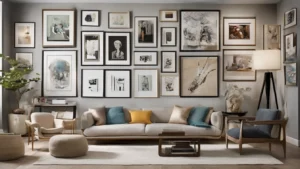
3. Gallery Walls: Curating a Narrative with Multiple Abstracts
Gallery walls are fantastic for showcasing several smaller abstract pieces or a mix of different art styles, creating a cohesive visual narrative.
- Themed Collections: Group abstracts by color palette, style (e.g., all geometric), or even artist.
- Asymmetrical Balance: Don’t feel restricted to perfect symmetry. An organically arranged gallery wall can feel more dynamic and lived-in. Start with a central piece and build around it.
- Varying Sizes and Orientations: Mix horizontal, vertical, and square pieces for visual interest.
- Pre-plan: Lay your arrangement on the floor first. Take a photo. Use paper cutouts of your frames to experiment on the wall before committing to nails.
Visual Content Suggestion: An infographic showing 3-4 different gallery wall layouts (grid, organic, linear) with tips on measuring and hanging.
4. Lighting Your Abstract Masterpiece: Enhancing Depth and Detail
Good lighting can bring your modern wall art with abstract themes to life, revealing subtle textures and colors.
- Picture Lights: Mounted above the artwork, these provide direct, focused illumination. Choose LED lights with a high Color Rendering Index (CRI) to ensure true color representation.
- Track Lighting: Flexible and versatile, track lights allow you to direct spotlights onto multiple pieces of art.
- Recessed Lighting: If you have recessed lights, consider adjustable ones that can be angled to highlight your art.
- Avoid Direct Sunlight: While natural light is beautiful, direct prolonged sunlight can fade colors over time, especially in originals. Consider UV-protective glass for framed pieces or relocate art away from sun-drenched walls.
5. Beyond the Wall: Creative Abstract Displays
Think outside the traditional hang! Modern wall art with abstract themes can be displayed in unconventional ways:
- Leaning Against a Wall: Large canvases can be casually leaned against a wall on the floor or atop a console table for an effortlessly chic and relaxed vibe. This is also great for renters who can’t drill holes.
- Layering: In open shelving or on a mantelpiece, layer smaller abstract pieces in front of larger ones for depth.
- Digital Displays: For digital abstract art, consider using a smart frame that cycles through various works, offering dynamic visual interest without commitment.
Strategic placement and thoughtful lighting elevate modern abstract wall art from mere decoration to an integral part of your home’s character and atmosphere.
Integrating Modern Abstract Art Into Various Interior Design Styles
One of the greatest strengths of modern wall art with abstract themes is its incredible versatility. Far from being confined to minimalist or contemporary settings, abstract art can enhance and transform nearly any interior design style. The key is understanding how to choose the right aesthetic within abstraction to complement or contrast your existing decor.
1. Modern & Minimalist Interiors: Synergy of Form and Function
In a modern or minimalist space, abstract art feels right at home. The clean lines and uncluttered aesthetic of these styles provide the perfect backdrop for abstract forms to shine.
- Recommendation: Geometric abstraction, hard-edge painting, or subtle monochromatic abstracts work exceptionally well. They reinforce the sense of order and sophisticated simplicity.
- Color Palette: Opt for muted tones, grays, whites, blacks, or a single bold accent color to maintain a refined yet striking appearance.
- Impact: The art serves as a focal point without adding excessive visual noise, complementing the architecture and furniture.
Tool Recommendation: Apps like “Art Placer” or “iArtView” (for iOS) allow you to virtually place art on your walls using augmented reality, helping you visualize how different modern abstract pieces will look in your space before you buy.
2. Bohemian & Eclectic Homes: A Celebration of Texture and Expression
Bohemian and eclectic styles thrive on rich textures, global influences, and a sense of curated chaos. Modern abstract art can add an artistic, free-spirited layer.
- Recommendation: Lyrical abstraction, abstract expressionism, or pieces with significant texture (e.g., impasto, mixed media). Art that features organic shapes, vibrant colors, and unique materials will integrate seamlessly.
- Color Palette: Don’t shy away from bold, jewel tones, earthy hues, or a kaleidoscope of colors that echo textiles and global patterns.
- Impact: Abstract art can add to the layered, maximalist feel, offering intriguing visual breaks and expressive bursts of color amidst pattern and texture.
3. Traditional & Classic Settings: A Contemporary Twist
Infusing modern abstract art into a traditional home might seem counterintuitive, but it’s a powerful way to inject contemporary freshness and personality, creating an exciting dialogue between old and new.
- Recommendation: Consider abstracts with a more muted palette, perhaps focusing on rich textures or a slightly muted version of an expressive piece. Figurative abstraction can also bridge the gap. Frame a modern piece in a classic ornate frame for an intriguing juxtaposition.
- Color Palette: Look for abstracts that subtly pick up colors from traditional rugs, upholstery, or accent pieces. Earthy tones, deep blues, or rich greens can work.
- Impact: It prevents the space from feeling dated or overly formal, offering an unexpected focal point that showcases an appreciation for diverse aesthetics.
4. Industrial & Urban Lofts: Raw Edges Meet Refined Lines
Industrial spaces, characterized by exposed brick, metal, and concrete, benefit from art that can soften hard edges or complement the raw aesthetic.
- Recommendation: Geometric abstracts, pieces with metallic accents, or those with a stark, graphic quality. Abstract photography with architectural or urban themes can also be powerful, as can works that incorporate rust tones or distressed textures.
- Color Palette: Monochromatic schemes, grays, blacks, whites, and metallic hues (copper, brass, steel) are natural fits. A single vibrant red or yellow abstract can pop beautifully against a concrete wall.
- Impact: It adds a layer of artistic intentionality to the utilitarian backdrop, softening the industrial rawness with thoughtful design.
5. Scandinavian Design: Blending Simplicity with Nature
Scandinavian design emphasizes functionality, simplicity, and a connection to nature. Abstract art can enhance this by adding visual interest without clutter.
- Recommendation: Minimalist abstracts, organic abstractions with soft lines, or pieces that feature natural textures. Think subtle color fields or graphic linework.
- Color Palette: Light, airy tones, pastels, muted greens, blues, and grays perfectly align with the Scandinavian aesthetic.
- Impact: Adds artistic depth and personality while maintaining the clean, serene, and nature-inspired atmosphere.
By thoughtfully considering how different styles of modern wall art with abstract themes interact with your existing decor, you can create spaces that are not only aesthetically pleasing but also deeply resonant and personal.
Beyond the Canvas: Textures, Materials, and Emerging Trends in Abstract Art
Modern wall art with abstract themes is constantly evolving, with artists pushing boundaries of traditional mediums and exploring new materials. This expansion offers exciting possibilities for interior designers and homeowners looking to make unique statements.
1. The Tactile Revolution: Embracing Texture
Texture adds a compelling sensory dimension to abstract art, inviting touch and transforming a flat surface into a dynamic landscape.
- Impasto & Palette Knife: Thick applications of paint create visible brushstrokes and ridges, adding depth and a sculptural quality. These pieces often catch light beautifully, creating shifting shadows.
- Mixed Media & Collage: Artists increasingly incorporate fabrics, paper, sand, plaster, bits of metal, or recycled materials into abstract compositions. This adds unparalleled texture and often a narrative through raw elements.
- Fiber Art & Weaving: Large-scale abstract fiber art, wall hangings, and tapestries bring a soft, organic texture to walls, offering a warm contrast to hard architectural surfaces.
Comparison Element:
| Feature | Smooth Abstract Print | Textured Abstract Original (e.g., impasto) |
|---|---|---|
| Visual Impact | Clean, crisp, modern, precise delineation of color/form. | Dynamic, sculptural, rich, inviting greater interaction. |
| Sensory Experience | Primarily visual. | Visual and tactile; light plays with shadows, adding depth. |
| Cost | Generally more affordable. | Typically a higher investment due to originality and labor. |
| Best For | Minimalist, sleek modern spaces. | Bohemian, eclectic, or spaces needing warmth/character. |
2. Unconventional Materials: Redefining the Canvas
Modern abstract artists are no longer limited to canvas. This innovation offers diverse aesthetic choices:
- Metal Prints (Aluminum, Steel): Offering a slick, high-gloss finish, metallic prints of abstract art are incredibly vibrant and durable, giving a contemporary, almost industrial sheen. They are excellent for spaces desiring a sophisticated, edgy look.
- Acrylic/Plexiglass: Similar to metal, acrylic prints provide exceptional color saturation and depth, creating a luminous optical effect. They are shatter-resistant and lightweight, ideal for a modern, gallery-like feel.
- Wood Panels: Abstract art painted or printed directly onto wood can highlight natural grain, adding an earthy, rustic yet modern feel. This is perfect for spaces that want to blend organic warmth with abstract thought.
- Resin Art: Liquid resin infused with pigments creates incredible depth, high-gloss finishes, and unique flowing patterns. Resin abstract art often feels very contemporary and luxurious.
3. Digital Abstraction & AI Art: The New Frontier
The digital realm has opened up a boundless universe for abstract expression. Artists use software to create intricate patterns, complex color gradients, and dynamic forms that would be impossible with traditional methods.
- Algorithmic Art: Code generates abstract visuals based on defined parameters, leading to mesmerizing, often tessellated or fractal-like designs.
- AI-Generated Art: Artificial intelligence, trained on vast art datasets, can create truly unique and sometimes unsettlingly beautiful abstract compositions. These pieces often come as high-quality giclée prints or can be displayed on digital screens as dynamic art.
- Impact: Digital and AI abstract art represents the cutting edge, perfect for tech-forward homes, gaming rooms, or any space seeking a futuristic, thought-provoking aesthetic.
4. Large-Scale Installations vs. Smaller Curated Pieces
Beyond individual canvases, modern abstract art also encompasses how pieces populate a space.
- Murals & Wall Coverings: Some abstract artists create entire wall murals or designs that can be printed as wallpapers, transforming an entire room with immersive patterns and colors.
- Modular Art: Abstract pieces composed of several panels that fit together or are displayed separately, allowing for customizable arrangements and scale.
- Sculptural Elements: Abstract forms that protrude from the wall, casting shadows and adding three-dimensional interest, blurring the line between painting and sculpture.
The evolving landscape of modern wall art with abstract themes means there are more options than ever to find a piece that truly aligns with your vision, budget, and desired impact, far beyond a simple framed print.
Finding and Investing in Modern Abstract Wall Art: Tips for Buyers
Whether you’re a seasoned collector or a first-time buyer, acquiring modern wall art with abstract themes is an exciting endeavor. It presents an opportunity to invest in beauty, emotion, and potentially, in value. Here’s how to navigate the marketplace effectively.
1. Where to Buy: A World of Options
- Local Art Galleries: A great place to see original pieces in person, connect with artists, and get expert advice. Galleries often represent emerging local talent alongside established names.
- Online Art Marketplaces: Websites like Saatchi Art, Artsy, Artfinder, and Etsy offer an immense selection of modern abstract wall art from artists globally. Filter by style, size, color, and price. (Note: Always check seller reviews and authenticity guarantees).
- Artist Studios/Websites: Buying directly from an artist’s website can offer better pricing as it cuts out gallery commissions, and you get to support the artist directly. Look for their social media presence too.
- Art Fairs & Pop-up Exhibitions: These events are fantastic for discovering new artists, seeing a wide range of styles, and often finding more affordable pieces.
- Interior Design Stores & Home Decor Retailers: Many high-end and even mid-range decor stores now curate collections of abstract art prints and sometimes even originals. These are often more decor-focused than investment-focused.
- Auction Houses: For significant investments or historical pieces, major auction houses (Sotheby’s, Christie’s) or regional ones are the place to look.
2. Authenticity & Value: What to Look For
When purchasing modern wall art with abstract themes, especially originals or limited editions, consider these factors:
- Artist’s Signature: On original pieces, ensure the artist’s signature is present, usually in a corner or on the back.
- Certificate of Authenticity (COA): For originals, limited editions, or high-quality prints, a COA from the artist or gallery provides provenance and verifies the work’s legitimacy.
- Edition Number: If it’s a limited edition print, it should be numbered (e.g., 15/100, meaning it’s the 15th print out of a total of 100).
- Condition: For older or used pieces, inspect for any damage, fading, or restoration evidence.
- Framing: Quality framing can significantly enhance a piece and protect it. Consider archival-grade mats and UV-protective glass for valuable works.
3. Budgeting for Abstract Art: An Investment in Lifestyle
Modern abstract art is available across a wide price spectrum:
- Affordable Prints (< $100-$300): High-quality giclée prints on canvas or paper can make great decorative additions.
- Emerging Artists ($300-$1,500): A good entry point for collecting originals. Look for artists whose work you genuinely love and whose style aligns with your home.
- Mid-Career Artists ($1,500-$10,000+): These artists often have established reputations, consistent exhibition records, and potential for future value appreciation.
- Established Artists ($10,000+ to Millions): These are usually significant investments. Consultation with an art advisor or expert is recommended.
Recommendation: “Always buy art you love, not just art you think will increase in value. While some pieces may appreciate, the primary return on investment in art is the joy and inspiration it brings to your daily life.”
4. Commissioning Bespoke Abstract Art: Tailored to Your Vision
If you have a very specific vision for a piece of modern wall art with abstract themes, consider commissioning an artist. This allows you to collaborate on:
- Size and Dimensions: Perfect fit for a challenging wall.
- Color Palette: Ensuring it harmonizes perfectly with your interiors.
- Style and Mood: Communicating your desired aesthetic and emotional impact.
- Materials: Specific textures or mediums you prefer.
Process: Typically involves initial discussions, mood board creation, a deposit, progress updates, and a final approval. Be clear with your expectations and trust the artist’s creative process.
Investing in abstract art is not just about filling a wall; it’s about curating emotions, expressing individuality, and enriching your daily environment. Armed with these tips, you can confidently navigate the art market and find the perfect modern abstract piece for your space.
Frequently Asked Questions About Modern Wall Art with Abstract Themes
What is abstract art in simple terms?
Abstract art is a type of art that does not try to show things found in the real world in a recognizable way. Instead, it uses shapes, colors, lines, and textures to create a composition that can evoke emotions, ideas, or a sense of beauty without needing to represent an actual object or scene. It’s about feeling and form over direct depiction.
How do I choose abstract art for my living room?
Consider the size of your wall and furniture (aim for artwork to be about 2/3 the width of your sofa). Think about your room’s existing color palette – do you want the art to harmonize or act as a vibrant accent? Lastly, choose a piece whose style (geometric, organic, expressive) and mood resonate with you and the atmosphere you want to create in your living space.
Can modern abstract art fit into a traditional home?
Absolutely! Introducing modern wall art with abstract themes into a traditional setting can create an exciting contemporary twist, preventing the space from feeling stale. Look for abstracts with a more muted or sophisticated color palette, or those with rich textures, and consider framing them in classic frames for an elegant juxtaposition. It adds personality and shows an appreciation for diverse aesthetics.
What’s the best way to hang multiple abstract artworks (a gallery wall)?
Start by laying your chosen pieces on the floor to experiment with different arrangements. Aim for an overall shape (rectangle, organic cluster) that fits your wall. Use paper cutouts taped to the wall to finalize placement before drilling. Keep consistent spacing between frames (e.g., 2-4 inches) for a cohesive look, even if the artworks are different sizes.
Should I buy an original abstract painting or a print?
This depends on your budget and priorities. Original abstract paintings offer unique texture, brushwork, and a deeper connection to the artist’s process, often making them an investment. High-quality prints (like giclées) are more affordable, offer a wider selection, and are excellent for decorative purposes. Both can bring significant visual impact to your space.
How do I light my modern abstract art?
Proper lighting enhances your art’s depth and colors. Picture lights mounted above the frame, adjustable track lighting, or recessed lighting angled towards the artwork are all effective options. Choose LEDs with a high Color Rendering Index (CRI) for accurate color representation. Avoid direct sunlight, which can cause fading over time.
What are some popular abstract art styles today?
Contemporary abstract art embraces many styles. Geometric abstraction (clean lines, shapes), lyrical or organic abstraction (fluid, natural forms), and abstract expressionism (energetic, spontaneous brushstrokes) remain very popular. Minimalism and hard-edge painting also continue to thrive, along with textured mixed-media pieces and digital/AI-generated abstracts. Each style offers unique visual impact.
Conclusion: Your Space, Reimagin…ed by Abstract Art
We’ve journeyed through the dynamic world of modern wall art with abstract themes, from its historical roots to its diverse contemporary expressions. By now, you understand that abstract art isn’t just about pretty patterns; it’s a powerful tool for self-expression, mood creation, and sophisticated design. It offers a unique ability to define a space, evoke emotion, and spark conversation without the constraints of literal imagery.
Whether you’re drawn to the structured calm of geometric forms, the passionate energy of abstract expressionism, or the subtle beauty of organic fluidity, there’s a piece of abstract art waiting to transform your environment. Remember the practical tips on size, color, and placement to ensure your chosen artwork truly sings in its new home. And don’t be afraid to experiment, blend styles, and choose pieces that genuinely resonate with your personal aesthetic.
Your home is a canvas, and modern abstract wall art provides the ultimate opportunity to imbue it with personality, depth, and a contemporary edge. Go forth, explore, and let abstract art inspire a new aesthetic chapter in your living spaces. The perfect piece is out there, ready to elevate your walls and enrich your daily life.
Content Disclaimer
The information provided in this article about “Modern Wall Art with Abstract Themes” is intended for general informational and educational purposes only. It is not intended as professional interior design advice. While we strive to provide accurate and up-to-date content, individual results and suitability of art for specific spaces may vary based on personal taste, existing decor, and environmental factors. Always consider consulting with professional interior designers or art consultants for personalized recommendations regarding your specific needs and aesthetic preferences. The author and publisher are not responsible for any actions taken based on the information provided herein.
Categories
- Accent Walls & Ceilings (84)
- Art Curation & Gallery (83)
- Bedding Style Trends (89)
- Bedroom Makeover (96)
- Bohemian & Eclectic Styles (80)
- DIY & Budget-Friendly Decor (78)
- Eco-Friendly Design (83)
- Furniture Care (87)
- Home Decor & Design Ideas (181)
- Home Wellness Spaces (103)
- Integrated Outdoor Living (91)
- Japandi Style (84)
- Kids and Nursery Decor (73)
- Living Room Decor (99)
- Mix & Match Techniques (95)
- Modern & Contemporary Design (88)
- Rug Sizing & Placement (89)
- Scandinavian Design Inspiration (51)
- Seasonal Home Decor (100)
- Small Space Solutions (93)
- Wall Art & Painting Tips (94)
Recent Comments
Archives
Product Gallery
-
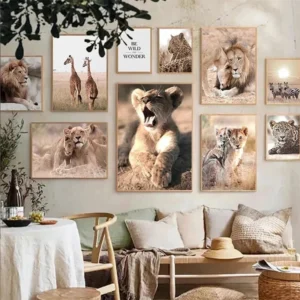 Majestic African Wildlife Canvas Art for Stylish Home Decor
Rated 5.00 out of 5
Majestic African Wildlife Canvas Art for Stylish Home Decor
Rated 5.00 out of 5 -
 Cozy Irregular Green Plush Rug for Nordic Living Spaces
Rated 5.00 out of 5$52.38 – $330.29Price range: $52.38 through $330.29
Cozy Irregular Green Plush Rug for Nordic Living Spaces
Rated 5.00 out of 5$52.38 – $330.29Price range: $52.38 through $330.29 -
 Scandinavian Geometric Area Rugs for Stylish Home Décor
Rated 5.00 out of 5$39.25 – $594.62Price range: $39.25 through $594.62
Scandinavian Geometric Area Rugs for Stylish Home Décor
Rated 5.00 out of 5$39.25 – $594.62Price range: $39.25 through $594.62