

Stepping into parenthood is a whirlwind of emotions, and preparing your baby’s sanctuary is a significant part of the journey. For many, the traditional pastel-colored nursery feels a bit… predictable. You’re looking for something fresh, sophisticated, and perhaps even a little edgy. This is where the enduring appeal of monochrome nursery design truly shines, offering a chic yet stimulating environment for your little one. It’s more than just a trend; it’s a deliberate choice that blends aesthetic elegance with developmental benefits.
A black and white nursery might seem unconventional at first glance, but its power lies in its simplicity and striking contrast. It provides a calming backdrop while simultaneously offering crucial visual stimulation for newborns. In this comprehensive guide, we’ll dive deep into the world of monochrome nurseries, exploring current trends, practical tips for execution, and how to create a space that grows gracefully with your child. By the end, you’ll have a clear roadmap to crafting a monochrome haven that’s both stylish and supremely functional.
Why Choose Monochrome for Your Baby’s Nursery? Beyond the Aesthetics
The allure of a black and white theme goes far beyond its Instagram-worthiness. While undoubtedly stylish, a monochrome nursery design offers tangible benefits for your baby’s early development and provides a surprisingly versatile palette for parents. Let’s unpack the compelling reasons why this classic color scheme is gaining so much traction.
The Science of Sight: Visual Stimulation for Newborns
Newborns have limited vision. Their world is initially blurry, and they can only perceive objects roughly 8-12 inches away. Crucially, they see in shades of gray. High-contrast patterns, like black and white, are the easiest for a baby to distinguish and focus on. This isn’t just an interesting fact; it’s a vital element in their visual development.
- Enhanced Focus: Black and white patterns help babies practice focusing their eyes, strengthening their optic nerves.
- Brain Development: Visual tracking of high-contrast objects stimulates brain activity, essential for cognitive growth.
- Longer Engagement: Babies tend to stare at black and white imagery for longer periods than colorful ones, indicating increased interest and engagement.
Integrating bold, simple monochrome patterns into the nursery creates a visually stimulating environment that supports this crucial developmental stage without overwhelming their young senses.
Timeless Elegance & Gender-Neutral Appeal
One of the strongest arguments for a monochrome nursery design is its inherent timelessness. Unlike fleeting color trends or overtly themed nurseries that children might quickly outgrow, black and white remains eternally chic. It’s a sophisticated choice that effortlessly blends with modern, minimalist, Scandinavian, or even traditional decor styles.
Furthermore, black and white is the ultimate gender-neutral palette. Whether you’re planning a surprise or simply prefer to avoid gender stereotypes, a monochrome nursery provides a beautiful, inclusive space for any baby. This neutrality also offers immense flexibility as your family grows or if you decide to repurpose the room later.
Versatility and Adaptability: Growing with Your Child
A black and white base is incredibly adaptable. It serves as a perfect canvas upon which you can introduce accent colors and textures that can be easily changed as your child matures and their preferences evolve. A monochrome room can transition from a newborn haven to a toddler’s playful space, and eventually a teenager’s stylish retreat, with minimal effort and expense.
Think about it: swapping out a few throw pillows, a rug, or some artwork in a monochrome room can completely change its feel. This adaptability makes it a smart, long-term investment, saving you time and money on future redecorations.
Calm & Serene Atmosphere
While “high contrast” might initially suggest a busy space, a well-executed monochrome nursery design can be incredibly calming. The absence of jarring bright colors can promote a sense of tranquility, which is ideal for sleep and relaxation. By playing with different shades of black, white, and gray, and incorporating natural textures, you can create a soft, soothing environment that feels both peaceful and personal.
The simplicity encourages a focus on natural light, texture, and form, leading to a space that feels uncluttered and harmonious—a welcome respite for both baby and parent.
Mastering the Monochrome Palette: More Than Just Black and White
When we talk about monochrome nursery design, it’s easy to picture just stark black and white. However, the beauty of this scheme lies in its subtle nuances and infinite variations. Mastering the palette means understanding how to incorporate shades of gray, textural elements, and thoughtful accents to create depth, warmth, and visual interest.
The Power of Gray: Adding Depth and Softness
Gray is the unsung hero of any monochrome palette. It acts as a perfect bridge between pure black and crisp white, introducing layers and softness without sacrificing the core aesthetic. Don’t limit yourself to a single shade; explore charcoal, dove gray, silver, and even greige (a blend of gray and beige) to create a multi-dimensional look.
- Walls: A light gray wall provides a beautiful backdrop, less stark than pure white, more inviting than black.
- Furniture: Gray cribs, dressers, or rocking chairs offer a gentle contrast to white walls or darker accents.
- Textiles: Gray blankets, rugs, and curtains add softness and warmth, inviting touch and comfort.
The careful inclusion of various grays prevents the room from feeling flat or sterile, transforming it into a nuanced and sophisticated space.
Texture is Key: Bringing Warmth and Interest
In a color-limited scheme, texture becomes paramount. It’s how you introduce sensory richness and prevent the room from appearing cold or one-dimensional. Think beyond smooth surfaces and embrace a variety of tactile elements.
- Softness: Plush rugs (sheepskin, shag), knitted blankets, velvet poufs, and linen curtains.
- Roughness: Woven baskets, jute rugs, natural wood furniture, rattan light fixtures.
- Smoothness: Glossy crib finishes, sleek metal accents, polished stone.
Mixing textures creates a rich sensory experience for your baby and adds a warm, inviting feel to the room. For instance, pairing a crisp white cotton crib sheet with a chunky knit black blanket and a soft gray rug adds instant depth and comfort to your monochrome nursery design.
Strategic Accents: Infusing Personal Touches
While the foundation is black and white, strategic accents can elevate the design and infuse personality without disrupting the monochrome magic. These accents can be subtle hints of color or natural elements that add organic warmth.
- Natural Wood: Light or natural-toned wood (birch, pine, bamboo) introduces warmth and an organic feel. Think cribs, shelving, or decorative toys.
- Metallics: Gold, brass, or copper accents (lighting, picture frames, drawer pulls) add a touch of glamour and sophistication.
- Subtle Colors: A single, muted pastel (blush pink, sage green, dusty blue) or an earthy tone (terracotta, mustard yellow) can be introduced via a single artwork, a small cushion, or a delicate floral arrangement. The key is restrain and intention.
- Greenery: Live plants (baby-safe varieties like spider plants or ferns) or high-quality faux plants add life and a refreshing pop of natural green.
These accents should be used sparingly as focal points, allowing the primary black and white palette to remain dominant. They serve to enhance, not overshadow, your monochrome nursery design.
Essential Elements of a Stylish Monochrome Nursery
Creating a captivating black and white nursery involves more than just selecting paint colors. It’s about curating every element, from the largest furniture pieces to the smallest decorative details, to achieve a cohesive and inviting space. Here’s a breakdown of the key components to consider.
Walls: The Canvas for Your Design
The walls set the tone for the entire room. In a monochrome nursery, you have several compelling options:
- Crisp White: A classic, airy choice that maximizes light and highlights black accents. It’s a fresh, clean foundation.
- Soft Gray: Adds a touch of sophistication and warmth. Lighter grays feel soothing, while darker grays create a more dramatic, intimate atmosphere.
- Feature Wall with Wallpaper: This is where you can truly embrace the high-contrast patterns. Think geometric prints (stripes, polka dots, chevron), abstract designs, or whimsical natural motifs (trees, clouds) in black and white. A feature wall provides visual stimulation without overwhelming the entire space.
- DIY Accent Wall: Consider painting a geometric pattern or a mountain mural using black, white, and various grays. This offers a personalized touch and can be a cost-effective alternative to wallpaper.
Furniture: Form, Function, and Contrast
When selecting furniture for a monochrome nursery design, think about how each piece contributes to the overall aesthetic while remaining highly functional. Contrast and clean lines are important.
- Crib: A white crib is a popular choice, offering brightness and a focal point. Black cribs can be strikingly modern and bold. Gray cribs provide an elegant middle ground. Consider natural wood cribs for a touch of warmth against the monochrome backdrop.
- Dresser/Changing Table: Similar to the crib, white, black, or gray dressers integrate seamlessly. Natural wood finishes are also an excellent way to introduce warmth and texture. Many dressers feature removable changing toppers, allowing them to transition into a standard dresser as your child grows.
- Glider/Rocker: Comfort is key here. A light gray, charcoal, or even a classic black fabric glider will blend beautifully. Look for options with clean lines and sturdy construction. Adding a black and white patterned throw pillow can tie it into the theme.
- Shelving/Storage: White floating shelves, black wire baskets, or natural woven bins provide essential storage while maintaining the aesthetic. Open shelving is perfect for displaying monochrome books, developmental toys, and decorative pieces.
Lighting: Ambiance and Practicality
Good lighting is crucial in any nursery. In a monochrome space, it also plays a role in enhancing the sophisticated feel.
- Overhead Fixture: A statement pendant light in black metal, woven rattan, or a sculptural white design can be a focal point. Ensure it offers dimmable options for night time feedings.
- Floor Lamps/Table Lamps: Black or white lamps with simple, clean lines provide task lighting for reading or changing. Consider touch-sensitive or remote-controlled options for convenience.
- Nightlight: A soft, warm glow is essential. Opt for a subtle black or white design that complements the room without being overly playful.
Textiles: Softness, Pattern, and Comfort
Textiles are your primary tool for adding softness, patterns, and accent colors within a monochrome nursery.
- Crib Bedding: White or light gray sheets are classic. Introduce black and white patterns (stripes, polka dots, ginghams, abstract shapes) through fitted sheets or light blankets (always follow safe sleep guidelines).
- Rugs: A plush rug in black, white, gray, or a bold black and white pattern instantly grounds the room, adds warmth, and absorbs sound. A sheepskin rug offers luxurious texture and comfort.
- Curtains: Blackout curtains are a must for restful sleep. Choose white, light gray, or subtle black and white patterned curtains to complement the walls. Linen curtains add beautiful texture.
- Throw Blankets & Pillows: On the glider or daybed, chunky knit blankets in gray or black, and accent pillows with geometric patterns or a subtle pop of an accent color, enhance comfort and style.
By thoughtfully selecting each of these elements, you can create a cohesive and visually striking monochrome nursery design that is both beautiful and highly functional.
Case Study: The “Scandinavian Serenity” Nursery
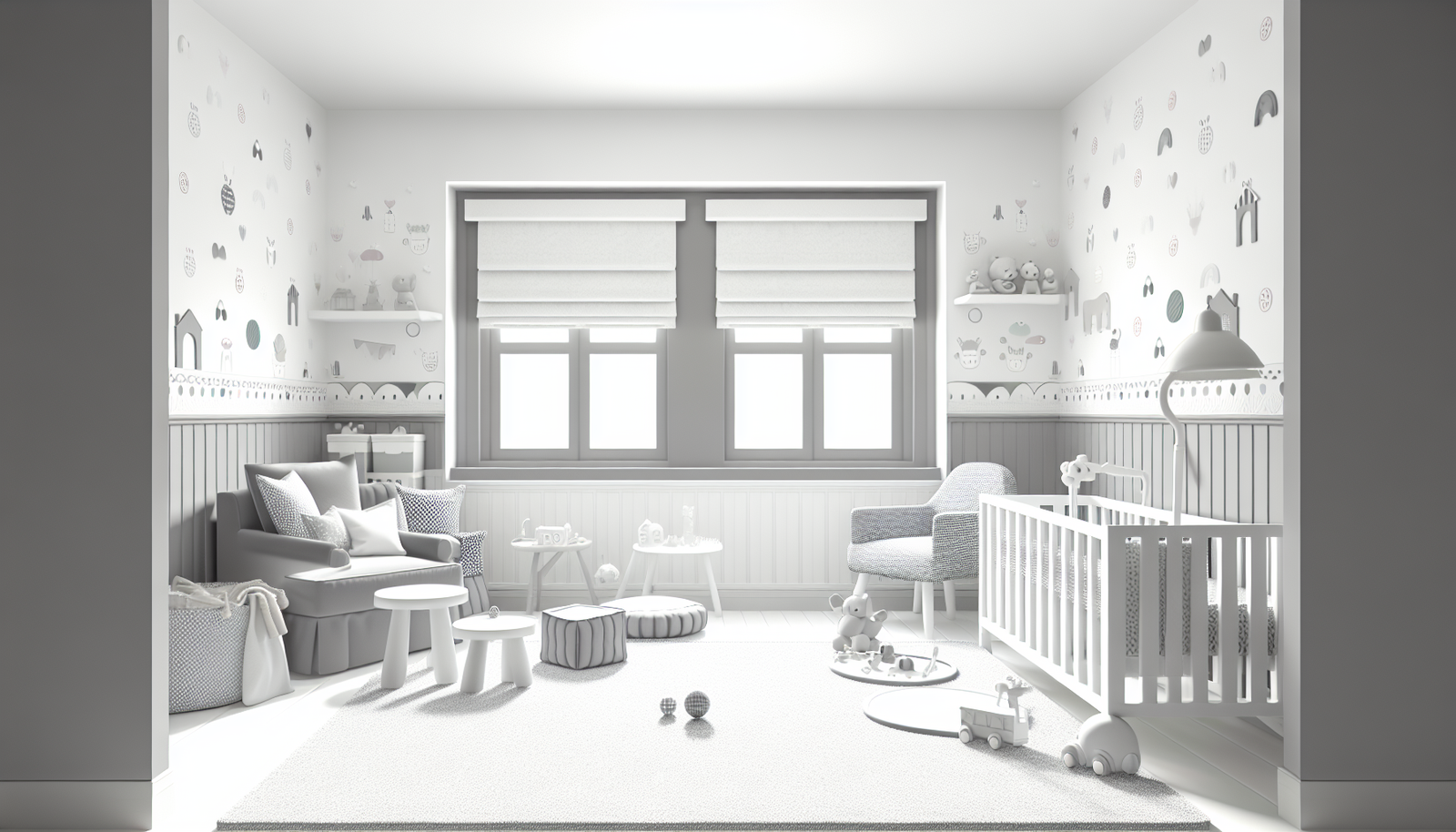
Imagine a nursery dubbed “Scandinavian Serenity.” The walls are painted in a soft, barely-there dove gray. A sleek white crib stands against a feature wall adorned with black and white abstract mountain peak wallpaper. The dresser is a light, natural birch wood, topped with a black changing mat. A plush, off-white sheepskin rug covers part of the light hardwood floor, and a minimalist black metal floor lamp arcs over a comfortable, light gray upholstered glider. Bookshelves display a mix of black, white, and a few natural wood toys. A simple black and white striped mobile hangs above the crib, while sheer white linen curtains allow natural light to filter gently into the room. This space feels incredibly peaceful, stylish, and offers plenty of visual interest for a developing baby.
Bringing Your Monochrome Vision to Life: Practical Tips & Trends
Now that you understand the “why” and “what,” let’s explore the “how.” Executing a stunning monochrome nursery design involves careful planning, smart choices, and a touch of creativity. Here are practical tips and current trends to guide you.
Embrace Pattern Play: Geometric, Organic, and Abstract
Without a wide color palette, patterns become your best friend. They inject personality, energy, and crucial visual stimulation. Don’t be afraid to mix patterns, but do so thoughtfully.
- Geometric: Stripes (horizontal, vertical, thick, thin), polka dots (small, large), chevrons, diamond patterns. These are classic for a reason and highly engaging for babies.
- Organic/Nature-Inspired: Think subtle tree silhouettes, cloud patterns, leaf motifs, or even animal prints (zebra, dalmatian spots). These add a softer, more whimsical touch.
- Abstract: Brush strokes, splatters, or fluid designs introduce an artistic, modern edge.
Tip: Vary the scale of your patterns. Pair a large-scale striped rug with small polka dot sheets, or a wallpaper with an intricate pattern alongside simple, solid black or white curtains. This adds visual dynamism without creating clutter.
Creating Visual Contrast and Balance
The essence of a monochrome design is contrast. However, it’s about achieving balance, not overwhelming the eye with too many stark elements. Contrast is achieved through:
- Color Distribution: Decide on a dominant color (often white or light gray) and use black as an accent. Or, if you’re bold, use black as the dominant and white as the accent. Aim for roughly 60% dominant color, 30% secondary (gray/black), and 10% accent (wood, metallic, subtle color).
- Light and Shadow: Use lighting to create interesting shadows and highlights. A dramatic black feature wall will appear different in various lighting conditions.
- Material Contrast: Pair glossy finishes with matte ones, smooth fabrics with textured knits, and hard surfaces with soft rugs.
Tool Recommendation: Pinterest is an invaluable visual tool here. Create a “Monochrome Nursery” board and collect images that inspire you. Notice how different designers balance black, white, and gray, and how they use patterns and textures.
Incorporating Developmentally Appropriate Decor
A nursery isn’t just for looking pretty; it’s a space for growth and discovery. Your decor choices can actively support your baby’s development.
- High-Contrast Art: Hang simple black and white illustrations, photographs, or abstract prints at your baby’s eye level or slightly above the crib. These are excellent for visual stimulation.
- Mobiles: Choose mobiles with bold black and white shapes (geometric, animals) that move gently. They capture your baby’s attention.
- Soft Toys: Include a mix of black, white, and gray plush toys with varying textures.
- Books: Display black and white board books; they are not only decorative but also ideal for early visual engagement.
Remember that clutter can be distracting. Focus on a few key, thoughtfully chosen items rather than many small pieces.
Budget-Friendly Monochrome Magic
You don’t need a huge budget to create a stunning monochrome nursery design.
- DIY Projects: Paint an old dresser, create your own black and white abstract art, or stencil a pattern on a feature wall.
- Thrift Store Finds: Look for classic furniture pieces you can paint white or black. Seek out unique black and white ceramics or decorative items.
- Strategic Splurges: Invest in a good quality crib or glider, and save on smaller decor items.
- Printables: Download free or inexpensive black and white art prints online and frame them yourself.
Focus on a few impactful elements and build from there. The simplicity of monochrome can actually make it quite cost-effective.
When to Introduce Color (and How to Do It Right)
While the core is monochrome, you might eventually want to introduce subtle pops of color as your baby grows. The beauty is that any color will stand out beautifully against a black and white backdrop.
- Soft Pastels: A blush pink, mint green, or dusty blue can introduce sweetness without overpowering.
- Earthy Tones: Terracotta, mustard yellow, sage green, or burnt orange add warmth and a bohemian touch.
- Natural Wood: This is a “neutral color” that brings immense warmth.
- Small Doses: Introduce color through a single throw pillow, a piece of artwork, a small rug, or even a collection of colorful books.
The key is to maintain the monochrome as the dominant aesthetic, allowing the small bursts of color to act as delightful surprises rather than competing elements.
Decorating by Zone: Maximizing Functionality in Your Monochrome Space
A well-designed nursery, especially a monochrome nursery design, considers not just aesthetics but also functionality. Zoning your room helps optimize space and creates efficient areas for different activities. Think about where you’ll feed, change, play, and store items, and design each zone accordingly.
1. The Sleep Zone: Peaceful & Stimulating
This is arguably the most important area. It needs to be calming for sleep but also offer gentle visual stimulation for wakeful moments.
- Crib Placement: Position the crib away from direct sunlight, drafts, and heating/cooling vents. Consider placing it against a feature wall for visual interest.
- Crib Decor: Keep it minimal for safety (no bumpers, loose blankets, or excessive toys). A simple black and white patterned fitted sheet and a high-contrast mobile are perfect.
- Art Above Crib: Black and white abstract art or simple illustrations can be placed safely above the crib (securely anchored!) to engage your baby.
- Lighting: Ensure the overhead light can be dimmed, and a warm nightlight is accessible.
2. The Changing Zone: Practical & Ergonomic
This area will see a lot of action, so prioritize convenience and organization.
- Changing Table/Dresser: Opt for a dresser with a changing topper or a dedicated changing table. Ensure it’s at a comfortable height for you.
- Storage: Open shelves or baskets near the changing area are crucial for diapers, wipes, creams, and extra sets of clothes. Use black or white woven baskets to maintain the monochrome theme.
- Visual Entertainment: A small black and white mobile or even a simple framed picture above the changing station can keep your baby entertained during changes.
- Easy Access: Everything you need should be within arm’s reach while you have one hand on your baby.
3. The Feeding/Comfort Zone: Serene & Cozy
This is your haven for cuddles, feedings, and story times. Comfort and tranquility are paramount.
- Glider/Rocker: A comfortable glider or rocking chair in a neutral gray or black fabric is a must. Add a footrest or ottoman for added comfort.
- Lighting: A floor lamp or table lamp with soft, warm light should be placed nearby for late-night feeds.
- Side Table: A small side table to hold water, snacks, books, or your phone is essential. A black metal, white, or natural wood side table will blend beautifully.
- Textiles: A cozy throw blanket (chunky knit gray or black) and a soft accent pillow make this spot extra inviting.
4. The Play/Reading Zone: Engaging & Organized
As your baby grows, this area will become increasingly important for independent play and exploration.
- Floor Space: A large, soft rug in black, white, or gray defines this area and provides a comfortable surface for tummy time and play.
- Toy Storage: Low, accessible storage solutions like open shelves, baskets, or wooden toy bins encourage independent play and easy cleanup. Incorporate stylish containers in your monochrome palette.
- Book Nook: Forward-facing book shelves (in white, black, or natural wood) showcase colorful children’s books and make them enticing. Even in a monochrome room, the spines of books bring a natural splash of color.
- Black and White Toys: Continue to incorporate high-contrast toys for visual development, alongside natural wooden toys.
By defining these zones within your monochrome nursery design, you create a space that is not only visually stunning but also highly practical and a joy to spend time in for both you and your baby.
Tool Recommendation: Floor Plan Designer
Before moving any furniture, use a simple online floor plan designer (like RoomSketcher or Ikea Home Planner) or even graph paper. Sketch out your room dimensions and existing permanent features (doors, windows). Then, draw in your planned furniture arrangements for each zone. This helps visualize flow and ensures everything fits comfortably.
Advanced Monochrome Techniques: Beyond the Basics
For those who want to push the boundaries of their monochrome nursery design, there are advanced techniques that add sophisticated layers and truly unique touches.
Creating Illusions with Stripes and Geometric Shapes
Beyond simple patterns, you can use black and white stripes and geometric shapes to manipulate perception and add architectural interest.
- Vertical Stripes: Make ceilings appear taller. Use thin, alternating black and white stripes for a delicate feel, or thick ones for a bolder statement on an accent wall.
- Horizontal Stripes: Can make a narrow room feel wider. Use them strategically on a single wall to broaden the visual space.
- Diagonal Lines: Introduce dynamic energy and a modern, avant-garde feel. This is particularly striking on a feature wall or ceiling.
- Bold Geometric Murals: Instead of wallpaper, paint a large-scale geometric mural (think overlapping triangles, oversized chevrons, or abstract blocks) directly onto a wall. This provides a truly custom and artistic touch. Use different shades of gray within the design for added depth.
Expert Tip: When using bold geometric patterns, balance them with simpler, solid elements elsewhere in the room to avoid visual overload. Let the pattern be the star.
The Art of Negative Space
In monochrome design, what you leave empty is as important as what you fill. Negative space (the empty areas around and between objects) allows the eye to rest and emphasizes the forms of your chosen pieces. It contributes significantly to the calm and sophisticated feel of a black and white nursery.
- Clutter-Free Surfaces: Keep dresser tops and shelves largely clear, displaying only a few curated items.
- Thoughtful Wall Layouts: Instead of filling every wall, choose one or two key areas for artwork or a feature wall.
- Minimalist Furniture: Opt for furniture with clean lines and open bases to maintain an airy feel.
Embracing negative space enhances the elegance of your monochrome nursery design and makes the room feel larger and more serene.
Mood with Metallics and Reflective Surfaces
Metallic accents and reflective surfaces can add a touch of glamour and diffuse light beautifully in a monochrome space.
- Gold/Brass: Introduces warmth and luxury. Use it in lamp bases, picture frames, decorative objects, or drawer pulls.
- Silver/Chrome: Adds a sleek, modern, and cool-toned metallic touch. Great for minimalist designs.
- Mirrors: A well-placed mirror (ensure it’s safely and securely mounted) can make a room feel larger and brighter, reflecting light and adding visual interest. Choose one with a simple black, white, or metallic frame.
These elements provide subtle sparkle and break up the matte textures, contributing to a layered and polished look.
Integrating Smart Tech Seamlessly
Modern nurseries often include smart technology, and in a monochrome space, integration is key to maintaining the aesthetic.
- Hidden Mounts: Mount baby monitors discreetly on walls or shelves.
- Neutral Colors: Choose smart devices (sound machines, air purifiers, humidifiers) in black, white, or gray if possible.
- Minimalist Designs: Look for tech with sleek, unobtrusive designs that blend into the background rather than standing out.
Prioritize functionality and safety, but always consider how these necessary items fit into your overall monochrome nursery design.
By exploring these advanced techniques, you can move beyond a basic black and white room and create a truly sophisticated, engaging, and unique space for your baby.
Sustainability and Longevity in Your Monochrome Nursery
As conscious parents, you’re likely thinking beyond just aesthetics and short-term trends. A monochrome nursery design inherently lends itself to sustainability and longevity. By making thoughtful choices, you can create a beautiful space that’s kind to the planet and built to last.
Choosing Eco-Friendly Materials
When selecting elements for your nursery, prioritize sustainable and non-toxic materials.
- Low-VOC Paints: Volatile Organic Compounds (VOCs) can off-gas harmful chemicals. Opt for zero or low-VOC paints for all walls and painted furniture.
- Organic Textiles: Choose crib sheets, blankets, and rugs made from organic cotton, linen, or wool. These are free from harsh chemicals and dyes, better for your baby and the environment.
- Solid Wood Furniture: Invest in furniture made from FSC-certified solid wood (or reclaimed wood) rather than particle board or MDF, which often contain formaldehyde. Natural wood tones beautifully complement a monochrome palette.
- Natural Fibers for Decor: Think jute, rattan, seagrass baskets, and hemp curtains. These add texture and are renewable resources.
Investing in Quality, Convertible Pieces
A key advantage of a monochrome palette is its versatility, making it perfect for choosing pieces that adapt as your child grows.
- Convertible Cribs: Many cribs convert into toddler beds, then daybeds, and even full-sized headboards. This extends their lifespan significantly.
- Dressers as Changing Tables: As mentioned, a solid dresser with a removable changing topper eliminates the need for a separate changing table, saving space and cost.
- Modular Storage: Select shelving, cubbies, or basket systems that can be reconfigured or added to as storage needs change from newborn essentials to toddler toys.
Investing in higher-quality pieces that can adapt means fewer purchases over time, reducing waste and proving more economical in the long run.
Circularity: Second-Hand Finds and Upcycling
Embrace the circular economy by sourcing second-hand items and giving them new life.
- Vintage Furniture: A sturdy vintage dresser or bookshelf painted black or white can become a unique, character-filled piece in your monochrome nursery. Always ensure it meets safety standards, especially for children’s furniture.
- Repurposed Decor: Look for interesting black and white ceramics, frames, or textiles at thrift stores that can be integrated into your design.
- DIY Projects: Upcycling projects, like turning an old ladder into a blanket display or creating art from recycled materials, add a personal and sustainable touch.
A monochrome nursery design, with its timeless aesthetic, is perfectly suited for these sustainable practices, allowing you to create a beautiful, eco-conscious space without compromise.
Content Disclaimer
The information provided in this article regarding monochrome nursery design is intended for general informational and educational purposes only. It is not intended to be a substitute for professional interior design advice. Always consult with a qualified professional for specific advice tailored to your individual situation. Product recommendations are suggestions; thorough research is advised before making purchases. Safety remains paramount in a nursery; always follow manufacturer guidelines for furniture and decor, and adhere to safe sleep recommendations.
Frequently Asked Questions About Monochrome Nursery Design
Is a black and white nursery good for a baby’s development?
Yes, absolutely! Black and white nurseries are excellent for a newborn’s visual development. Their undeveloped vision makes high-contrast patterns the easiest for them to see and focus on, stimulating optic nerve and brain development. Many developmental toys are designed using black and white for this very reason.
Will a monochrome nursery feel too stark or cold?
Not if it’s designed correctly! The key to avoiding a stark feel is to incorporate plenty of textures (knits, sheepskin, wood, linen), varying shades of gray, and subtle warm accents like natural wood or soft metallics. These elements add warmth and depth, creating a cozy and inviting atmosphere.
How can I add personality to a black and white nursery?
Personality comes through selective decor, patterns, and accent elements. Use quirky black and white art prints, unique patterned wallpaper on a feature wall, fun black and white toys, or personal touches like family photos. A single, muted accent color (like blush or sage) can also be introduced sparingly without losing the monochrome feel.
What’s the best way to choose shades of gray for a monochrome nursery?
Consider the lighting in your room first. Cooler grays (with blue undertones) might work well in south-facing rooms, while warmer grays (with beige undertones, “greige”) are great for north-facing rooms. Use paint swatches to test how different shades appear throughout the day. Layering various light, medium, and dark grays through walls, furniture, and textiles creates depth and sophistication.
When should I introduce color into a primarily black and white nursery?
You can introduce color whenever you feel ready! Some parents wait until their baby is older, around 1-2 years, when their color perception is more developed and they may express preferences. Others introduce subtle colors from the start. The beauty of a monochrome base is that any accent color you choose will pop beautifully, and you can easily swap it out as your child grows.
Are there any safety considerations specific to monochrome nurseries?
General nursery safety rules apply rigorously. Ensure all furniture is secured to walls, cords are hidden, and cribs are clear of loose blankets or bumpers. While specific to monochrome, avoid an overuse of extremely stark, overwhelming patterns directly in the baby’s line of sight if they seem overstimulated. Balance is key in all design choices, including visual input.
Conclusion: Crafting Your Timeless Monochrome Nursery
Embarking on the journey of creating a monochrome nursery design is an exciting and rewarding endeavor. As we’ve explored, this sophisticated palette offers far more than just aesthetic appeal; it provides crucial developmental benefits for newborns, boasts a timeless elegance, and offers remarkable versatility that grows with your child. From understanding the science behind black and white’s visual stimulation to mastering texture and strategic accents, you now possess the knowledge to curate a truly exceptional space.
Remember, the power of a monochrome nursery lies in its thoughtful execution. Embrace patterns, leverage shades of gray, and invite natural textures and subtle metallic touches to infuse warmth and personality. Design your nursery not just as a pretty room, but as a functional haven, zoned for sleep, changing, feeding, and play. By focusing on quality, sustainability, and personal touches, you’re not just decorating a room; you’re crafting an enduring sanctuary that will bring joy and calm for years to come.
Ready to transform your vision into reality? Start by gathering your inspiration, selecting your core furniture pieces, and then layering in the beautiful details. Your timeless, chic monochrome nursery design awaits!
Explore further: Tips for Choosing Non-Toxic Nursery Furniture | Creating a Calming Sleep Environment for Baby | The Benefits of High Contrast Baby Books
Categories
- Accent Walls & Ceilings (84)
- Art Curation & Gallery (83)
- Bedding Style Trends (89)
- Bedroom Makeover (96)
- Bohemian & Eclectic Styles (80)
- DIY & Budget-Friendly Decor (78)
- Eco-Friendly Design (83)
- Furniture Care (87)
- Home Decor & Design Ideas (181)
- Home Wellness Spaces (103)
- Integrated Outdoor Living (91)
- Japandi Style (84)
- Kids and Nursery Decor (73)
- Living Room Decor (99)
- Mix & Match Techniques (95)
- Modern & Contemporary Design (88)
- Rug Sizing & Placement (89)
- Scandinavian Design Inspiration (51)
- Seasonal Home Decor (100)
- Small Space Solutions (93)
- Wall Art & Painting Tips (94)
Recent Comments
Archives
Product Gallery
-
 Majestic African Wildlife Canvas Art for Stylish Home Decor
Rated 5.00 out of 5
Majestic African Wildlife Canvas Art for Stylish Home Decor
Rated 5.00 out of 5 -
 Cozy Irregular Green Plush Rug for Nordic Living Spaces
Rated 5.00 out of 5$44.23 – $278.89Price range: $44.23 through $278.89
Cozy Irregular Green Plush Rug for Nordic Living Spaces
Rated 5.00 out of 5$44.23 – $278.89Price range: $44.23 through $278.89 -
 Scandinavian Geometric Area Rugs for Stylish Home Décor
Rated 5.00 out of 5$33.15 – $502.10Price range: $33.15 through $502.10
Scandinavian Geometric Area Rugs for Stylish Home Décor
Rated 5.00 out of 5$33.15 – $502.10Price range: $33.15 through $502.10