


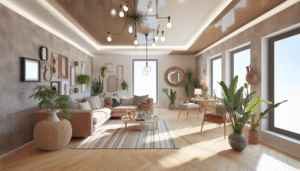


Designing a cozy and inviting conversation area can transform a room, yet the right rug size often puzzles even seasoned decorators. Using optimal rug dimensions for comfortable conversation areas ensures seating feels connected—not scattered—and invites warmth and easy interaction.
This guide dives deep into selecting and arranging the perfect rug size in your living or social spaces. Starting from understanding how rug size affects social flow to detailed placement tips and practical case studies, you’ll learn everything needed to craft conversation zones that feel welcoming and balanced.
Why Rug Dimensions Matter in Conversation Areas
Rugs can anchor a conversation area, providing definition and a tactile surface that encourages relaxed interaction. But choosing the wrong size risks fragmenting the space or creating awkward traffic paths. The optimal rug dimensions for comfortable conversation areas strike a balance—large enough to unify furniture, yet proportionate to the room’s scale.
The Psychological Impact of Rug Size
How a rug fits under furniture influences seating dynamics. Too small, and people feel disconnected; too large, and the area may seem overly formal or crowded. The right rug size enhances intimacy by visually and physically drawing participants closer for easier conversation.
Common Mistakes with Rug Sizing
-
- Placing a rug too small, leaving chairs off it and breaking cohesiveness
-
- Oversized rugs overwhelming room proportions and furniture scale
-
- Poor alignment with furniture layout, causing imbalance in the visual flow
How to Measure for the Perfect Rug Size
Before shopping, measuring your space carefully is the smartest move. The optimal rug dimensions for comfortable conversation areas depend on room size, furniture configuration, and movement patterns. Here’s a step-by-step approach:
Step 1: Define the Conversation Zone
Identify which furniture pieces belong in the conversation group—usually sofas and chairs facing each other or angled for discussion.
Step 2: Measure Furniture Placement
Measure the width of the furniture cluster and the space between seats. Ideally, chairs should be close enough to foster easy conversation but not too cramped.
Step 3: Add Comfortable Spacing
Add at least 12-18 inches beyond the outer furniture edges on all sides. This provides space for chair legs on the rug and a welcoming buffer zone.
Step 4: Choose Rug Dimensions Based on Standard Sizes
| Room Size | Typical Rug Size Recommendation | Notes |
|---|---|---|
| Small Rooms (10×12 ft) | 5’ x 8’ or 6’ x 9’ | Leaves floor space, chairs mostly on rug edge |
| Medium Rooms (12×15 ft) | 8’ x 10’ or 9’ x 12’ | Chairs fully on rug, sofa front legs included |
| Large Rooms (15×20 ft+) | 9’ x 12’ or 10’ x 14’+ | All furniture fully on rug, defines large zones |
Best Rug Shapes for Conversation Areas
Rug shape is as important as size in crafting warm conversation areas. The interplay between rug, furniture, and room shape steers interaction flow.
Rectangular Rugs
The most common option, rectangular rugs fit standard seating layouts well, especially when sofas and chairs align in box or L-shapes.
Square Rugs
Ideal for symmetrical seating arrangements, square rugs foster balanced conversation zones, often found in square or compact rooms.
Round and Oval Rugs
Circular rugs soften angular room lines and work especially well with a central coffee table surrounded by chairs in circular patterns. They promote a cozy, inclusive atmosphere.
Design Tips for Placing Rugs in Conversation Zones
Beyond size and shape, placement strategy makes or breaks the comfort and aesthetic of a conversation area. Use these tips to optimize:
Anchor All Seating
Whenever possible, all seating legs should rest on the rug to unify the group visually and physically. At minimum, front legs belong on the rug to prevent disjointedness.
Leave Equal Space Around
Maintain 12-24 inches between the rug edges and walls or other furniture to avoid overcrowding and keep traffic flowing.
Use Layering for Texture and Depth
Layer smaller accent rugs or runners around the conversation area rug to add visual interest and comfort without interrupting the main conversation zone.
Case Study: Transforming a Living Room with the Right Rug
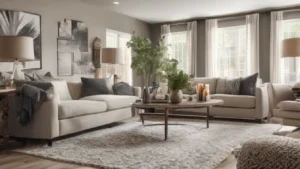
A Denver homeowner struggled with a sparse, disconnected living room. The previous rug was a 4×6, too small to anchor the L-shaped sectional and two club chairs. Visitors habitually felt scattered, and conversation lagged.
After measuring the seating cluster and applying spacing logic, a 9×12 rug was selected to cover the entire grouping. It comfortably fit under all legs, helped visually expand the area, and created warmth.
Result: The room felt intentionally layered, guests reported a more inviting atmosphere, and the homeowner noticed longer, more engaging conversations.
Tools and Resources for Choosing the Right Rug Dimensions
-
- Roomstyler 3D Planner – Visualize rug placement with your furniture
-
- Rug Knots Size Guide – Handy chart and tips from a trusted rug retailer
-
- House Beautiful Rug Sizing Advice – Expert articles on style and sizing
Frequently Asked Questions about Optimal Rug Dimensions
What rug size is best for a small conversation area?
For small rooms, rugs sized 5’ x 8’ or 6’ x 9’ work best to define the space without overwhelming it. Ensure at least the front legs of all seating rest on the rug.
Should all furniture legs be on the rug in a conversation zone?
Ideally, yes. Including all legs on the rug creates cohesion and a balanced feel. However, if space is limited, front legs on the rug can suffice.
Can I use a round rug for my living room conversation area?
Absolutely. Round rugs suit circular seating layouts and soften the space. They promote inclusivity and are excellent with round coffee tables.
How much space should be left between the rug edge and walls?
A minimum of 12 to 24 inches from walls or other furniture ensures the area doesn’t feel cramped and maintains good traffic flow.
Why is rug size important for conversation comfort?
Proper rug size anchors seating to encourage intimate and effortless dialogue. It visually connects furniture and makes guests feel welcome.
Can small rugs still work in large conversation areas?
Small rugs might segment the space awkwardly. For large areas, bigger rugs that encompass the full seating group are preferable.
Conclusion: Bringing It All Together for Comfortable Conversation Areas
Choosing optimal rug dimensions for comfortable conversation areas shapes how your space feels and functions. With careful measurement, attention to furniture placement, and thoughtful rug shape selection, you can create a conversational environment that invites warmth and closeness.
Remember: a rug isn’t just decoration—it’s the foundation that connects seating and fosters sociability. Experiment with layering and textures to add character while keeping all seats comfortably anchored. Your next gathering might just linger longer thanks to the right rug underfoot.
Ready to enhance your space? Start by measuring your furniture grouping today, and pick a rug size that brings everyone together effortlessly.
Explore More:
Content Disclaimer
The information provided in this article is for educational purposes only. Individual results with furniture layout and rug placement may vary based on specific room dimensions and personal preferences.
Categories
- Accent Walls & Ceilings (84)
- Art Curation & Gallery (83)
- Bedding Style Trends (89)
- Bedroom Makeover (96)
- Bohemian & Eclectic Styles (80)
- DIY & Budget-Friendly Decor (78)
- Eco-Friendly Design (83)
- Furniture Care (87)
- Home Decor & Design Ideas (181)
- Home Wellness Spaces (103)
- Integrated Outdoor Living (91)
- Japandi Style (84)
- Kids and Nursery Decor (73)
- Living Room Decor (99)
- Mix & Match Techniques (95)
- Modern & Contemporary Design (88)
- Rug Sizing & Placement (89)
- Scandinavian Design Inspiration (51)
- Seasonal Home Decor (100)
- Small Space Solutions (93)
- Wall Art & Painting Tips (94)
Recent Comments
Archives
Product Gallery
-
 Majestic African Wildlife Canvas Art for Stylish Home Decor
Rated 5.00 out of 5
Majestic African Wildlife Canvas Art for Stylish Home Decor
Rated 5.00 out of 5 -
 Cozy Irregular Green Plush Rug for Nordic Living Spaces
Rated 5.00 out of 5$33.00 – $203.00Price range: $33.00 through $203.00
Cozy Irregular Green Plush Rug for Nordic Living Spaces
Rated 5.00 out of 5$33.00 – $203.00Price range: $33.00 through $203.00 -
 Scandinavian Geometric Area Rugs for Stylish Home Décor
Rated 5.00 out of 5$25.00 – $365.00Price range: $25.00 through $365.00
Scandinavian Geometric Area Rugs for Stylish Home Décor
Rated 5.00 out of 5$25.00 – $365.00Price range: $25.00 through $365.00


